


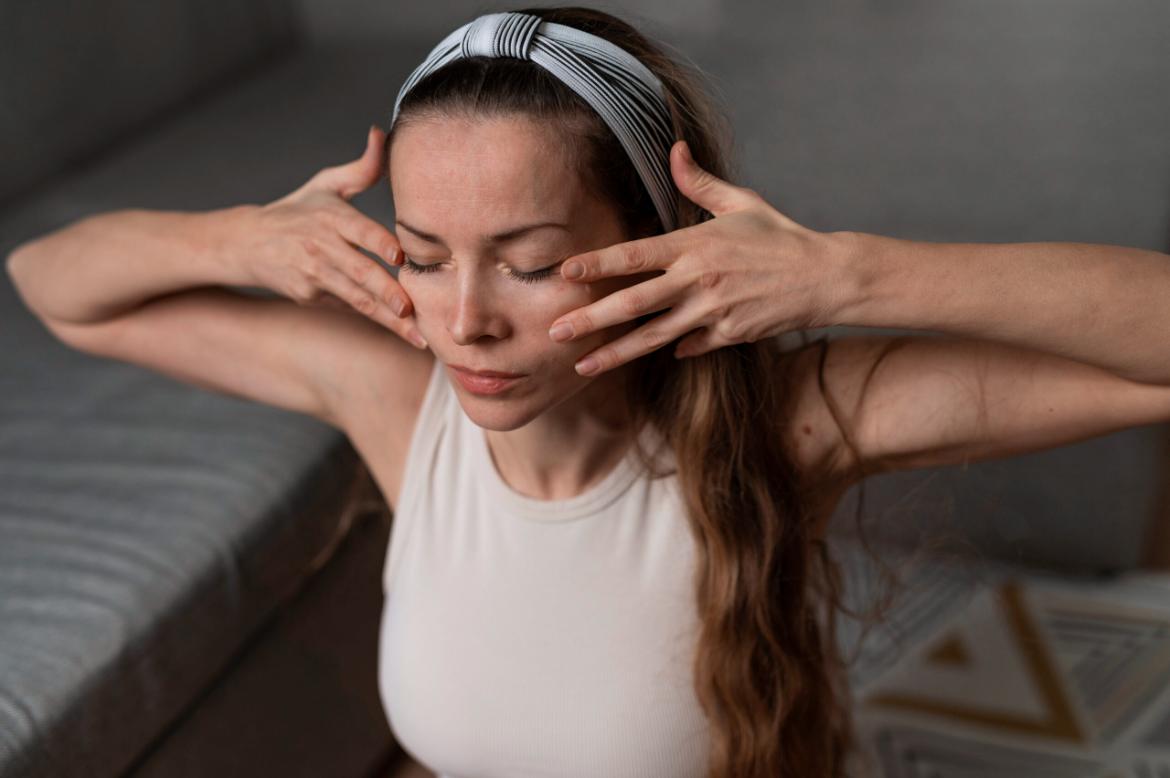
What is Face Yoga? How to Do Face Yoga Exercises?
Face yoga holds a prominent place among modern wellness trends. These exercises aim to strengthen facial muscles, achieving a more youthful and healthy appearance. However, many questions remain about how face yoga is performed, the movements involved, and the potential risks. Therefore, it's important to understand the basic movements and proper practice methods of face yoga.
Face yoga is a form of exercise that aims to tighten, rejuvenate, and enhance the face's appearance by activating the facial muscles and lymphatic system. These exercises can be effective in preventing sagging and wrinkles by strengthening the facial muscles and skin.
Face yoga can also help increase facial muscle awareness, reduce stress, and control facial expressions. It has additional benefits such as reducing puffiness around the eyes, defining the jawline, and easing tension in the neck.
These exercises typically focus on specific facial areas and are performed in repetitions lasting several minutes. By practicing facial yoga regularly, you can strengthen your facial muscles and achieve a youthful, healthy appearance.
Additionally, face yoga is notable for its specific exercises targeting the double chin area. These exercises can help reduce fat in the chin and neck area, resulting in a more toned appearance. However, it's important to remember that face yoga exercises alone may not be enough to reduce double chin size. In addition to exercises, a healthy diet and regular exercise can also play a significant role in reducing double chin fat.
As a result, by doing facial yoga exercises regularly, you can strengthen your facial muscles, tighten your skin and achieve a youthful appearance.
How to do face yoga?
Face yoga is a form of exercise designed to increase the natural flexibility of facial muscles and improve blood circulation in the face. These exercises target the areas around the eyes, lips, neck, chin, cheeks, and forehead. Step-by-step instructions for performing these exercises:
- Before doing face yoga, clean your face and wash your hands thoroughly.
- Sit in a comfortable position and relax by breathing deeply.
- Close your eyes and become aware of your facial muscles. Focus on how they feel.
- To strengthen the muscles in your upper face, raise your eyebrows. Hold this position for a moment, then lower your eyebrows. Repeat this movement several times.
- To strengthen the muscles around your eyes, close your eyes tightly. Then, squeeze your closed eyelids together to activate the muscles. Repeat this exercise several times.
- To work the muscles in your lower face, close your mouth tightly. Then, open your mouth to reveal your teeth. Repeat this motion several times.
- To strengthen your cheek muscles, puff out your cheeks and then blow out the air through your lips. Repeat this several times.
- To work the muscles under your jaw, tilt your head back slightly and lift your chin upward. Repeat this motion several times.
- After completing the exercises, rest your face and relax by breathing deeply.
- By repeating face yoga exercises several times a day, you can strengthen your facial muscles and achieve a more youthful appearance. You can compare the pre- and post-face yoga exercises to see the difference.
Face yoga moves
Eye contour and muscle feet
Among the facial yoga exercises for the eye area, eye contour massage and crow's feet exercises are important. Eye contour massage helps reduce under-eye bags and increase blood circulation. Crow's feet exercises are also effective in reducing fine lines.
Lip area
Face yoga moves around the lips include lip exercises and lip massage. Lip exercises are suitable for firming the lips and reducing the lines around them. Lip massage, on the other hand, promotes fullness and increases blood circulation around the lips.
Neck, chin and jowls
Face yoga moves for the neck, chin, and jowls include neck exercises, jaw tightening moves, and double chin exercises. These moves help tighten and tone the neck, chin, and jawline.
Cheek tightening
Cheek firming exercises encourage fullness in the cheeks and help reduce sagging. These exercises help tighten the cheeks by working the cheek muscles.
Forehead
Face yoga poses for the forehead include "forehead exercises" and "forehead massage." Forehead exercises are suitable for reducing forehead lines and strengthening the forehead area.
Benefits of face yoga
Face yoga is an exercise method that targets the facial muscles and provides a range of positive effects. Here are some of the benefits of face yoga:
- Strengthens facial muscles: Face yoga supports the strengthening of facial muscles by working them with various movements.
- Reduces wrinkles: By increasing blood circulation in the face, it can reduce wrinkles and make your skin smoother.
- Prevents sagging: It helps you achieve a more youthful appearance by strengthening the facial muscles and preventing the skin from sagging.
- Controlling facial expression: Face yoga exercises help control facial expression by increasing awareness of facial muscles.
- Reduces puffiness around the eyes: Exercises reduce puffiness around the eyes and provide a more rested appearance.
- It highlights the jaw line: It makes the facial features clearer by highlighting the jaw line with various movements.
- Reduces neck tension: Facial yoga exercises promote relaxation by reducing tension in the neck area.
- Reduces stress: Exercises that involve deep breathing reduce stress by relaxing the facial muscles.
- Healthier appearance: Facial yoga exercises help you gain a healthier appearance by strengthening facial muscles and skin.
Face yoga can contribute to both your physical and mental health by providing these benefits when practiced regularly.
How long should face yoga be done?
Face yoga can be effective when practiced regularly, but it's not necessary to do it every day. Two to three times a week is generally a suitable frequency for achieving satisfactory results. Keeping each session to 20-30 minutes is important so that you can perform the face yoga movements calmly and mindfully.
During face yoga, it's important to avoid unnecessary tension in your facial muscles. Performing the movements with control and awareness can help prevent unwanted tension and achieve more effective results. Performing each movement with proper form and at a comfortable pace will contribute to a safe and enjoyable face yoga session.
Does face yoga change the face?
Yes, that's right. Face yoga can cause significant changes in the face because it strengthens facial muscles and increases blood circulation. Regular practice can lead to positive results, such as reduced wrinkles, more defined facial features, and a more youthful and healthy appearance to the skin. These exercises can help tone and strengthen the muscles in your face, contributing to a more vibrant complexion.
Are there any harmful effects of face yoga?
Face yoga is generally not considered a harmful form of exercise. However, there are some situations where caution is necessary:
- Over-tension: Over-tensioning your facial muscles during exercise can be counterproductive and can damage the muscles. It's important to perform the movements under control and at a comfortable pace.
- Proper technique: It's important to perform the movements with proper technique. Performing the movements with incorrect technique can damage muscles and joints.
- Individual factors: Everyone's body type is different. Some people may be more sensitive to certain movements. If you have any health issues or concerns, consult a professional before starting any exercise program.
- Overexertion: Overexerting yourself with exercises, especially in the beginning, can disrupt your body's adaptation process. It may be more appropriate to increase your range of motion slowly and in a controlled manner.
Overall, face yoga can be beneficial for many people when done correctly and frequently. However, if you have any health issues or concerns, it's important to consult a healthcare professional.
What are the changes in the face before and after face yoga?
When face yoga is practiced regularly, the changes that occur on the face may vary from person to person, but generally they can be as follows:
Pre:
- Reduced tension and stress: Before a facial yoga session, daily stress and tension may have accumulated in the face. This can manifest as tired skin and tense muscles.
- Facial muscle tension: Stress, fatigue, and facial expressions can cause tension and tightening in the facial muscles. This can lead to pronounced facial lines and increased wrinkles.
Post:
- Muscle relaxation: Facial muscles generally become more relaxed after a facial yoga session. As tension and tightness are reduced, the muscles become more relaxed.
- Skin revitalization: Face yoga can help revitalize skin by increasing blood circulation and bringing more oxygen to the skin. This can create a healthier, fresher appearance.
- Facial lines softened: Regular facial yoga can soften expression lines and facial features. This can particularly reduce forehead lines, wrinkles around the eyes, and lines around the mouth.
- Overall well-being and radiance: Facial yoga can create a natural glow on the face by promoting a general sense of well-being and inner balance. This can improve not only skin appearance but also overall quality of life.
Changes before and after face yoga may vary depending on individual experiences, but regular and correct practice generally produces positive effects.
