


Benefits of Leeks
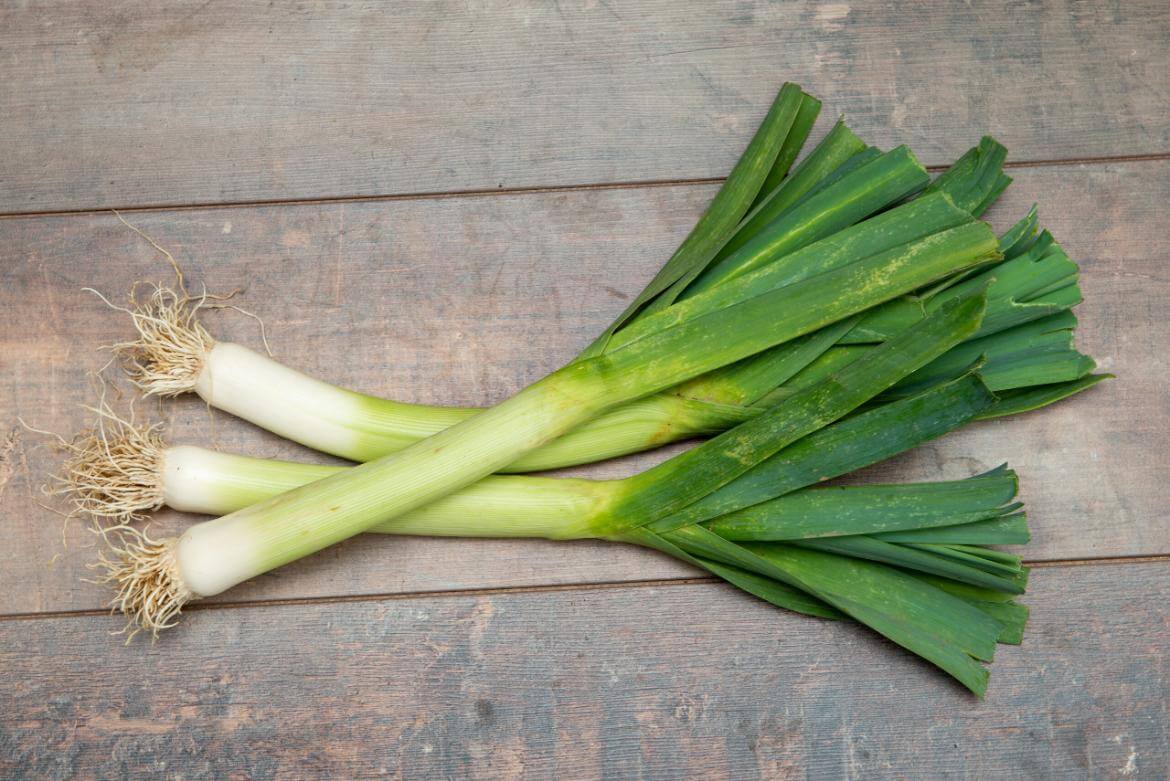
Leeks, a member of the onion family, are known for their fibrous texture and rich nutritional content. They are a favorite in olive oil dishes and are also used in a variety of dishes and salads to add flavor. Originating in the Mediterranean and Middle East, leeks are known for their long white stems and crisp green leaves.
Leeks are known as a nutritious vegetable thanks to their vitamins and minerals. Leek dishes are traditionally prepared with olive oil and hold a prominent place on the table. They also add flavor to omelets, soups, and salads. Being both healthy and delicious, leeks have been valued throughout history in various cultures.
Leeks can be grown throughout all four seasons, with their peak yields generally occurring in autumn and winter. Cleaning and drying them after harvesting increases their direct usability. Fresh leeks offer a more convenient option when used raw in recipes.
Leeks may look similar to green onions, but they have a milder flavor. Their high nutritional value and versatile uses have made them an essential part of a healthy diet.
Nutritional values of leeks
The rich vitamins and minerals contained in leeks contribute to the healthy maintenance of body functions. Nutritional values of 100 grams of raw leeks:
- Calories: Approximately 61 calories
- Protein: Approximately 1.5g
- Fat: Approximately 0.3g
- Carbohydrate: Approximately 14.9g
- Fiber: Approximately 2.1g
- Sugar: Approximately 3.9g
- Vitamin A: 1667 IU (about 33% of the National Institutes of Health's recommended daily value)
- Vitamin C: 1 mg (about 17% of the National Institutes of Health recommended daily value)
- Vitamin K: 7mcg (about 60% of the National Institutes of Health recommended daily value)
- Folic acid (vitamin B9): 83mcg (about 21% of the National Institutes of Health recommended daily value)
- Iron: 7mg
- Potassium: 325mg
These nutritional values are a general guideline and may vary depending on the leek's growing conditions, harvest time, and various other factors. Leeks, with their low calories and high nutritional value, can be an important part of a balanced diet.
Benefits of leeks
Leeks are a nutrient-rich vegetable with many health benefits. Benefits of leeks:
- Contribution to heart health: Thanks to the kaempherol flavonoid it contains, leeks protect blood vessels against free radicals, which has a positive effect on heart health.
- Balancing blood pressure: Rich in potassium, leeks can reduce the risk of hypertension by regulating blood pressure as effectively as sodium.
- Supports bone health: Leeks' calcium and vitamin K content make them an important source of bone health. These minerals play a role in bone strengthening and regulating blood flow.
- Strengthening the immune system: Leek supports the immune system with the potassium, calcium, phosphorus, iron, magnesium, vitamins B6, A, C, and K it contains.
- Anti-inflammatory effect: Helping to reduce the risk of chronic inflammation, leeks fight against infectious cells thanks to their antiseptic properties.
- Weight management: Thanks to its low calorie and high fiber content, leeks can aid weight loss. They can also reduce bloating thanks to their appetite suppressant properties.
- Diuretic property: The diuretic property of leeks supports kidney health by cleansing the body.
- Skin health: Leeks contain vitamins A and C; these vitamins support skin health and help it gain shine.
- Vision and immune system: Vitamin A content has positive effects on vision, growth, reproduction and the immune system.
- Source of vitamin C: When taken through leeks, vitamin C strengthens the connective tissue, supports collagen production and strengthens the immune system.
With these health benefits, leeks can be an important part of a balanced diet. However, for any health concerns or special circumstances, it is always recommended to consult a qualified healthcare professional.
How to consume leeks?
You can follow these steps for leek consumption:
- Washing: It's important to wash leeks thoroughly before consuming them. You can clean them by separating the leaves and rinsing them under plenty of water to remove any soil or other debris.
- Raw: Leeks can be used in salads, sandwiches, or other raw vegetable dishes. Slice them thinly and add them to salads for a fresh, crunchy flavor.
- Cooking: Leeks can be used in a variety of dishes to create different flavors. Chopped like onions, they add a touch of flavor to dishes. You can also sauté or boil leeks.
- Leek juice: Leek juice is a healthy beverage option that contains the nutritional value of leeks. You can chop the leeks and squeeze the juice into a drink or combine them with other vegetables to make detox drinks.
- Soup and eintopf: Leeks are frequently used in soup and eintopf (group meals) recipes. Leek soup, in particular, is both delicious and nutritious.
- Baked leeks: Roasting or roasting leeks in the oven is also a delicious option. You can also bake or roast leek rings by mixing them with oil, salt, and spices.
By consuming leeks in various ways, you can maximize its nutritional value and create delicious meals and drinks.
Can leeks be preferred in diets?
Yes, leeks are a low-calorie, high-fiber vegetable that can be a good choice for diets. Here are some factors why leeks are a good choice for diets:
- Low calorie content: Leeks are a low-calorie vegetable, making them suitable for diets focused on calorie control. Consuming large amounts of leeks can contribute to a lower calorie intake as part of a healthy diet.
- High fiber content: Leeks are high in fiber, which helps regulate the digestive system. Fiber promotes satiety and improves digestion. This property is important for supporting weight loss efforts.
- Nutritional properties: Leeks offer a nutritional profile thanks to their vitamins, minerals, and antioxidants. Adding leeks can be beneficial for diversifying your diet and getting the nutrients your body needs.
- Variety of ways to consume: Leeks can be used raw in salads, boiled or sautéed in stews, soups, and many other dishes. This allows you to add a variety of flavors to your diet without making it monotonous.
However, you should be careful when adding leeks to your diet. Choosing oil-free cooking methods is important to maintain leeks' low-calorie properties. It's always recommended to consult with a healthcare professional to tailor your diet to your personal needs and goals.
Can leeks be eaten with yoghurt?
Yes, leeks can be enjoyed with yogurt, and this combination can make a delicious snack or light meal. The yogurt adds protein and calcium to the leeks, which can increase their nutritional value, especially considering their low protein content.
Leek damages
Leeks are generally safe for most people when consumed in a healthy manner. However, there are some potential side effects and harms that require caution:
- Interaction with blood-thinning medications: Because leeks are rich in vitamin K, they may interact with blood-thinning medications in individuals taking them. Therefore, those taking these medications should be moderate in their consumption and consult their doctor.
- Kidney stone formation: Leeks contain oxalates, which can contribute to kidney stone formation. Individuals with kidney problems should exercise caution when consuming leeks and consult their doctors.
- Digestive issues: Leeks can cause digestive issues, such as stomach upset or gas, in some people. Those with sensitive stomachs should avoid consuming excessive amounts of leeks and consult a healthcare professional in case of a reaction.
- Effects on thyroid function: Leeks contain a compound called goitrogen. Excessive consumption can affect thyroid function.Individuals with thyroid problems should avoid excessive consumption.
- Allergic reactions: Leeks can cause allergic reactions, especially in people allergic to onions or garlic. If itching, rash, or other allergic symptoms occur, discontinue consumption of leeks and consult a healthcare professional.
Everyone's body type is different, so leek consumption should be based on individual health and needs. It's important to consult a healthcare professional if you have any health issues or concerns.
