


What is EEG?
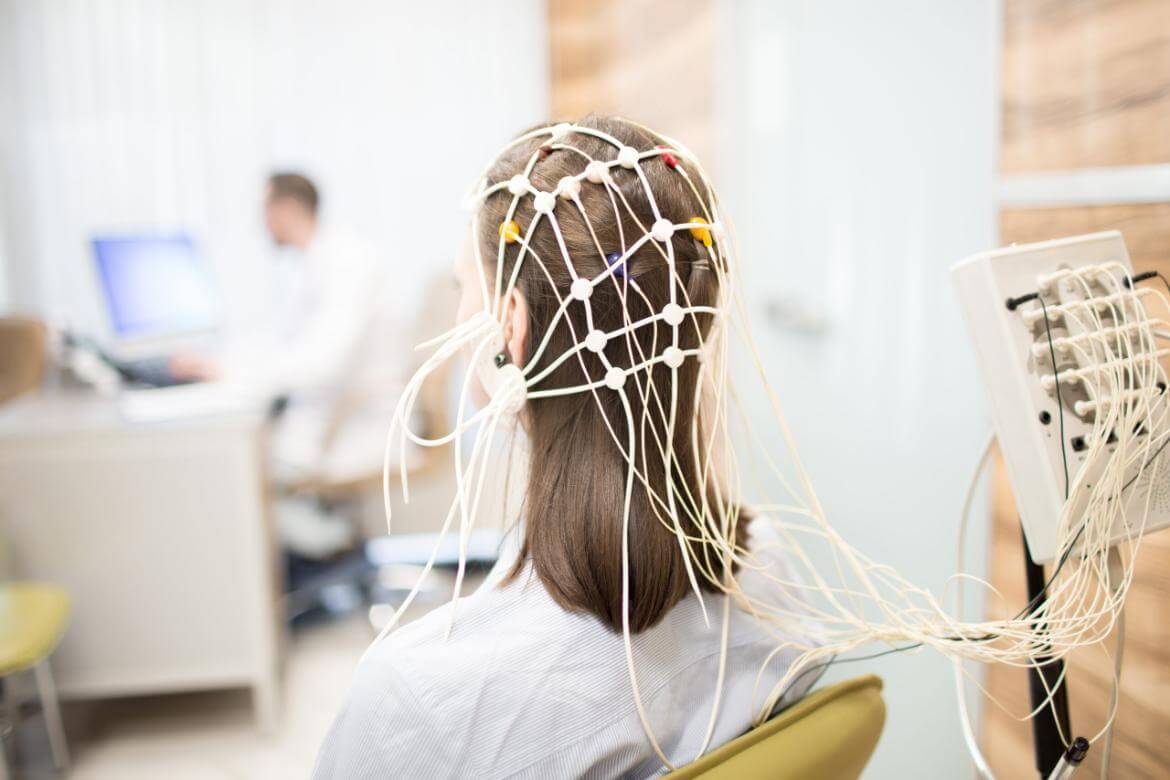
Our brain is a complex structure capable of generating low-frequency electrical currents. What is an electroencephalogram (EEG )? It is a test used to record electrical activity in the brain. By measuring the electrical waves produced by nerve cells, an EEG device determines the presence, pattern, and location of functional activity in the brain. This test involves placing electrodes (thin wires) made of silver or gold-containing alloys on the head with gel and is used to provide information about many neurological disorders.
Why is EEG performed?
EEG is used to diagnose and monitor the following conditions:
- Diagnosis and follow-up of epilepsy disease
- Diagnosis of brain inflammatory diseases
- Determining the cause of chronic headaches
- Diagnosis of sleep disorders
- Evaluation of mental retardation, learning disability, and mental developmental delay
- Differential diagnosis of psychiatric diseases accompanied by confusion or loss of consciousness
How is an EEG Test Performed?
An EEG test typically includes the following steps:
- The patient's scalp is cleaned and prepared.
- Electrodes, which consist of thin cables and wires, are applied with the help of paste or gel to stick to the scalp.
- The standard EEG test takes approximately 20 minutes, but in some cases it can be extended.
- In order to detect seizures, especially during sleep, the EEG recording can be prolonged and the patient can be made to sleep.
- In some cases, a video-EEG is preferred, where the EEG is performed over several days and the patient's activity is recorded as a video. This method is particularly useful for the differential diagnosis of epilepsy or before surgery.
- During a routine EEG, various stimuli, such as opening and closing the eyes, deep breathing, or light stimulation, may be used to better measure the brain's electrical responses. These are guided by the EEG technician.
- Throughout this process, brain responses are recorded, recorded as waves in a digital environment, and examined.
In this way, electrical activities and responses in the brain are measured and examined, allowing the diagnosis or monitoring of neurological conditions and diseases such as epilepsy.
What Should I Do Before an EEG Test?
It is important to follow these steps before the EEG test:
- Since the scalp needs to be clean, it is important not to contaminate the hair with products such as gel or conditioner before the test.
- The use of substances such as alcohol, sleeping pills, or sedatives is not recommended before the test. It is also recommended that you avoid caffeinated beverages for at least 6 hours before the test.
- Additional information may be needed for the EEG test. If you have previous test results or other radiological examinations, they should be provided.
- If there is suspicion of blood-borne diseases or COVID-19 , this should be shared with the neurophysiologist or healthcare personnel.
- Information about medications taken before the procedure should be provided. This is important for accurate interpretation of the test.
How is EEG Used in a Sleep Test?
A sleep test (polysomnography/PSG) is a nighttime recording process performed via wires to determine the quality of sleep and understand the origins of sleep disorders. During this process, a number of parameters are recorded:
- Quality and Stages of Sleep: The type of sleep a person is in, different sleep stages such as deep sleep and REM sleep are determined.
- Respiration and Snoring : Respiratory rhythm, breathing pauses, snoring frequency and intensity are recorded.
- Oxygen Levels: Blood oxygen levels are monitored, particularly for drops during sleep.
- Body Movements and Position Changes: Data such as body movements and lying positions during sleep are recorded.
- Heart Rhythm and Electrocardiography ( ECG ): Information regarding heart rhythm and heartbeats is monitored.
A sleep test is important in identifying conditions that may go unnoticed during sleep. These conditions may include snoring, pauses in breathing during sleep (apnea), periodic leg movements, sleep-related eating disorders, epileptic seizures during sleep, and teeth grinding during sleep.
An EEG recording is used as part of this test. It records information such as brain electrical activity, sleep and wakefulness, sleep stages, and potential brain dysfunctions, which are then examined and interpreted by a physician. These recordings provide a detailed analysis of brain activity occurring during sleep.
How is an EEG performed on babies?
EEG recordings on infants are typically performed while the baby is sleeping. Recording an EEG while the baby is sleeping is more effective and may yield more accurate results. Electrodes are placed after the baby falls asleep in the mother's or father's arms or crib.
As with adults, electrodes are placed on the scalp of infants, usually by applying gel or other substances to the scalp to secure the electrodes in place. An EEG device records brain activity while the infant is asleep or in a peaceful state.
Recording an EEG when babies are calm and sleepy is important for less movement and a more stable recording. Therefore, correct electrode positions and timing ensure accurate and effective EEG recordings in infants.
How Long Does an EEG Take?
An EEG (electroencephalography) test typically starts at about an hour, but this time can be longer depending on certain variables. Generally, preparation and electrode placement can take approximately 20-40 minutes. The EEG recording itself can take another 20-40 minutes.
This process can vary depending on the individual's neurological status, the goals of the test, and specific needs. In some cases, especially for long-term monitoring or to identify specific conditions, an EEG test can take up to two hours.
In general, it should be noted that the EEG test can take up to 1 hour to complete, but this time may vary in certain situations.
Is EEG Risky?
An EEG (electroencephalogram) is generally a safe test and rarely causes serious side effects. Generally, the following conditions apply:
- Pain or stinging sensation: There is usually no pain during an EEG. In some cases, mild discomfort may be felt as the electrodes are placed and the gel dries on the skin.
- Dizziness or mild discomfort: Mild dizziness may occur when taking a deep breath or while placing the electrodes. This is usually temporary and not bothersome.
- Electric shock or serious risks: The electrodes only record brain waves; there is no risk of electric shock. There are generally no serious risks associated with an EEG test.
- In rare cases, seizures may be triggered: In some people with epilepsy, a seizure may be triggered during an EEG. However, this is rare and requires immediate medical attention.
- Skin reactions: In some cases, redness or irritation may occur after the procedure due to the contact of the electrodes with the skin or some components of the gel used. This usually resolves within a few hours.
In general, an EEG is a safe test, and serious risks are rare. However, it is important to contact medical personnel if you have any concerns or concerns.
Can EEG be performed on pregnant women?
In general, an EEG (Electroencephalogram) can be performed during pregnancy. However, as with many medical procedures, the pregnancy status should be taken into account. As with any medical test performed during pregnancy, potential risks and benefits should be considered.
An EEG is generally a non-invasive (non-surgical) test and does not involve magnetic fields or radiation, which are commonly used during pregnancy. Electrodes are placed on the scalp and record brain activity. Therefore, the risks during pregnancy are generally minimal.
However, pregnancy outcomes can vary for each individual. In some cases, especially high-risk pregnancies or those with underlying health conditions, medical professionals may choose to proceed with a different approach or postpone testing.
If an EEG is considered necessary during pregnancy, it's important to share this with your doctor or healthcare professional. The doctor can then decide whether the test is appropriate, taking into account the health of both the mother and the baby.
Is Anesthesia Used During an EEG Test? Top of Form
Anesthesia is generally not used during an EEG (Electroencephalography) test. In adults and most situations, anesthesia is not administered for an EEG test. However, in some special cases (for example, in infants or young children), an appropriately prescribed sleep-inducing medication may be used during the EEG test. This medication is recommended and supervised by a pediatrician or specialist. This medication can help the child fall asleep, and the EEG test can be performed while asleep. However, in general, anesthesia is not necessary for an EEG test in most adults and older children. This test is usually performed while the patient is awake, and anesthesia is not administered during the electrode placement and recording of brain activity.
Should I take regular medications before an EEG test?
Yes, it's generally normal and safe to take any regularly used medications before an EEG (Electroencephalography) test. However, it's important to inform a qualified healthcare professional, usually a doctor or the specialist who will be conducting the EEG test, about these medications. In some cases, especially when certain medications or health conditions are involved, a doctor may not recommend certain medications on that day or may issue specific instructions. Therefore, it's important to share all regularly used medications and health conditions with your healthcare professional before the EEG test. This is crucial for proper test administration and accurate interpretation of the results.
How to Learn EEG Results?
Following the EEG (Electroencephalography) test, specialists interpret the recording and generally forward it, along with the results, to the doctor who requested the EEG. Therefore, it may not be possible to receive the EEG results on the same day. Obtaining, reviewing, and interpreting the EEG results can take anywhere from a few days to a week. The results are typically analyzed by a neurologist or specialist and then forwarded to the appropriate doctor or healthcare professional. Your doctor will provide you with the test results and their interpretations after receiving them. It can often take several days for your results to be evaluated and forwarded to you, so it's important to be patient during this time. If you have any concerns or questions about your results, please don't hesitate to contact your doctor within the specified timeframe. This way, if you have any concerns or concerns, you can discuss them in detail with your doctor and receive clarification.
