


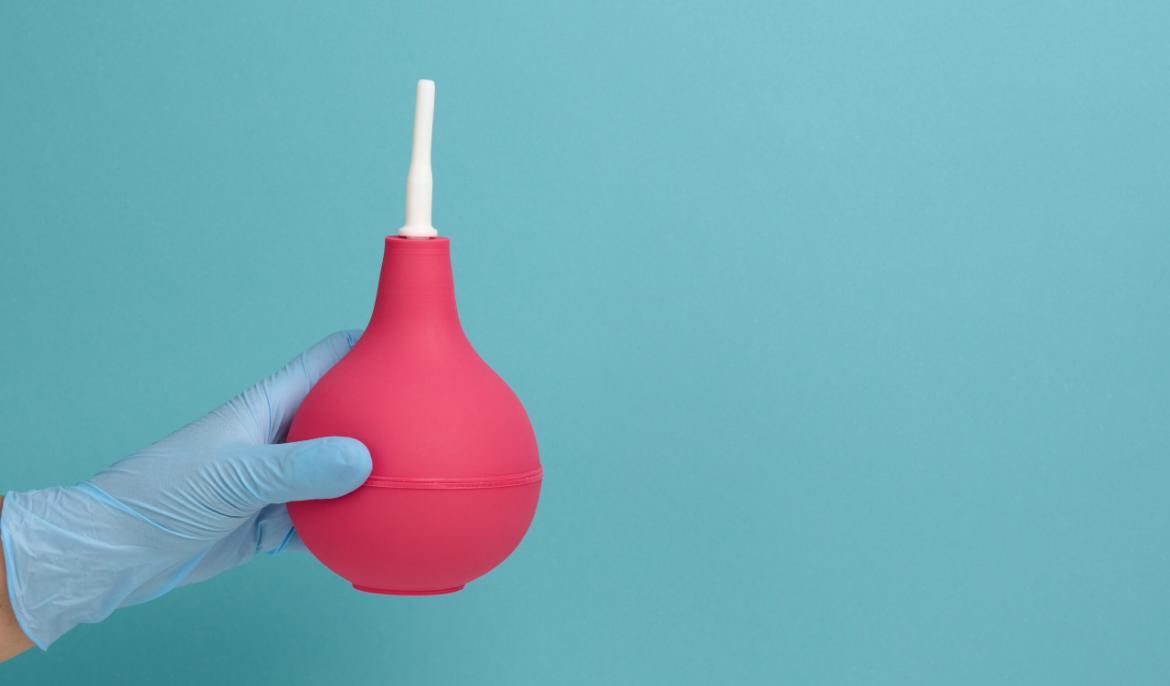
What is an enema? How is an enema performed?
Enemas are injections of liquid used to stimulate bowel movements and empty the intestines. They have been used for years to treat constipation and similar digestive problems. However, performing an enema without consulting a specialist can lead to certain health problems. Enemas are generally preferred and recommended in healthcare settings. However, in certain cases, they can be performed at home by the patient or with the help of a loved one.
An enema is defined as the process of emptying the bowels by injecting liquid or gas into the rectum and preparing the patient for testing or treatment. It can be used for conditions such as colonoscopy , sigmoidoscopy, surgery, or constipation. It is one of the most commonly used methods to prevent severe constipation and effectively empties the bowels when the patient is unable to defecate.
Enema kits are available for home use, but to avoid injury or incorrect use, it's best to seek the help of a healthcare professional, such as a nurse or doctor. Enemas have many uses. Enemas administered in the hospital before surgical procedures or treatment should be administered by a healthcare professional. For constipation treatment, proper home enema procedures must be followed.
It's important to note that regular use of enemas can lead to serious health problems. Therefore, it's important to consult a healthcare professional before administering an enema. Professionals will determine the appropriate method for you and provide the necessary instructions. Before administering an enema yourself, you should always consult a professional and follow their instructions.
In What Situations Is Enema Performed?
An enema is a medical procedure used to administer medications or liquids through the rectum and large intestine. Enemas are typically used in the following situations:
- Constipation: An enema can be used to help empty the bowels in cases of constipation. When the medication or liquid is administered into the intestines, it helps soften the stool and stimulate bowel movements.
- Colon cleansing : Certain medical procedures (for example, before a colonoscopy or surgery) may require a bowel cleansing. In these cases, an enema may be used to remove stool and debris from the intestines.
- Medication administration: An enema may be used in situations where medication needs to be administered rectally. For example, some medications can be administered via rectal enema to reduce fever or relieve pain.
Using an enema has several advantages. Because the medication or liquid is administered directly into the intestines, it is absorbed into the systemic circulation more quickly and can be more effective. Additionally, some individuals may find oral medication difficult, so an enema may be an alternative method.
However, enemas may be contraindicated in some situations and should not be used without a doctor's advice or direction. It's important to talk to your doctor about the potential risks and side effects associated with enema use.

What are the Types of Enemas?
Enemas are a widely used treatment method and come in several types, including therapeutic enemas, evacuatory enemas, and salofalk enemas.
Evacuative enemas are solutions used to help cleanse the intestines. These enemas generally contain substances such as sodium, phosphate, fat, minerals, and bisacodyl. These substances soften and fluidize stool, making it easier to move. Evacuative enemas are used to reduce the risk of infection. These enemas may contain substances such as olive oil, steroids, and glycerin. These ingredients soften stool and facilitate its elimination.
Therapeutic enemas, on the other hand, are mixtures containing medications used for therapeutic purposes. These enemas are usually administered by specialists. It is important that therapeutic enemas be administered slowly into the intestines. This is to prevent stimulation of the rectum. Otherwise, bowel movements may be stimulated, shortening the time the medication remains in the rectum. This duration must be long for the medication to be effective in the area being treated. Therapeutic enemas are generally used to treat intestinal parasites. These enemas aim to treat parasitic infections. Barium enemas are also used to restore electrolyte balance or for imaging purposes.
Finally, Salofalk enemas are used to treat conditions that cause intestinal inflammation, such as Crohn's disease and ulcerative colitis. These enemas typically contain a substance called mesalazine. Regular use under the supervision of a specialist is recommended for the treatment of chronic intestinal diseases.
Enemas are effective treatments used for various purposes. A healthcare professional should determine which type of enema to use based on the specific illness and individual situation. Therefore, it is important to consult a healthcare professional before administering an enema.
What are the benefits of an enema?
- Colon cleansing: Enemas are an effective method for cleansing the intestines. Evacuating enemas are particularly useful for constipation or bowel movements. They help soothe the digestive system by clearing away waste and debris that have impacted the intestines.
- Medication administration: Enemas provide a means of administering medications to the intestines. Therapeutic enemas, in particular, are used to treat intestinal disorders or intestinal infections. Medications administered via enemas reach the affected area directly, providing localized relief.
- Restoring electrolyte balance: Enemas can help restore electrolyte balance. Especially in cases of electrolyte loss (for example, after severe diarrhea or vomiting), electrolyte solutions can be administered via enema to help the body restore electrolyte balance.
- Imaging: Some enemas, such as the barium enema, are used to visualize the intestines, helping to diagnose blockages or other abnormalities in the intestines.
- Relaxation and comfort: Enemas are sometimes used to provide relaxation and comfort. For example, some people want to support their digestive system and achieve a soothing effect by administering enemas regularly.
The benefits of enemas can vary depending on the individual and their intended use. It's important to speak with a healthcare professional before administering an enema to determine the appropriate method and dosage.
How Long Does It Take for an Enema to Take Effect?
The duration of an enema's effects can vary depending on the type of enema used and the individual's body characteristics. Generally, the effects of an enema can begin immediately or last for several hours. After the procedure, bowel movements usually increase, and defecation begins.
Evacuative enemas generally have a faster effect. These types of enemas stimulate the intestines, softening stools and promoting bowel movements. Their effects can begin within a few minutes to an hour.
Therapeutic enemas, on the other hand, may be slower to work. Medicated enemas generally take longer to take effect and may need to be used regularly throughout the treatment process. Medications may take a certain amount of time to become effective.
Because each individual's body structure and response are different, the time it takes for an enema to take effect can vary from person to person. The ingredients used to speed up or slow down the enema's effects and the correct administration of the enema are also important.
What are the Risks and Side Effects of Enemas?
Although enemas are generally safe to use, there are some risks and side effects that can include:
- Rectal Irritation: Mild rectal irritation or irritation may occasionally occur at the site where the enema is administered. This is usually temporary and resolves on its own. However, in cases of severe irritation or pain, it is important to consult a healthcare professional.
- Electrolyte imbalance: Enemas can sometimes cause changes in electrolyte balance. Imbalances can occur, particularly in electrolyte levels such as sodium or potassium. This may be more common with prolonged or frequent enema use.
- Allergic reactions: Allergic reactions can occur to some ingredients used in enemas. This risk is particularly high in individuals with allergies to the medications used in medicated enemas. Symptoms of an allergic reaction can include skin rash, itching, shortness of breath, and serious conditions such as anaphylaxis. In the event of an allergic reaction, seek immediate medical attention.
- Intestinal irritation or inflammation: In some cases, enema use can cause intestinal irritation or inflammation. This is especially true if used incorrectly or excessively. Symptoms of intestinal inflammation can include abdominal pain, diarrhea, bloody stools, and fever. It's important to consult a healthcare professional in these cases.
- Changes in bowel function: Enema use can cause changes in bowel movements in some people. Prolonged or frequent enema use, in particular, can interfere with the natural bowel movements and lead to changes in bowel habits.
The risks and side effects listed above may not occur in the same way in every individual. Before using an enema, it is important to carefully follow the instructions and consult a healthcare professional if necessary. It is also important to administer the enema appropriately and adhere to hygiene practices.
