


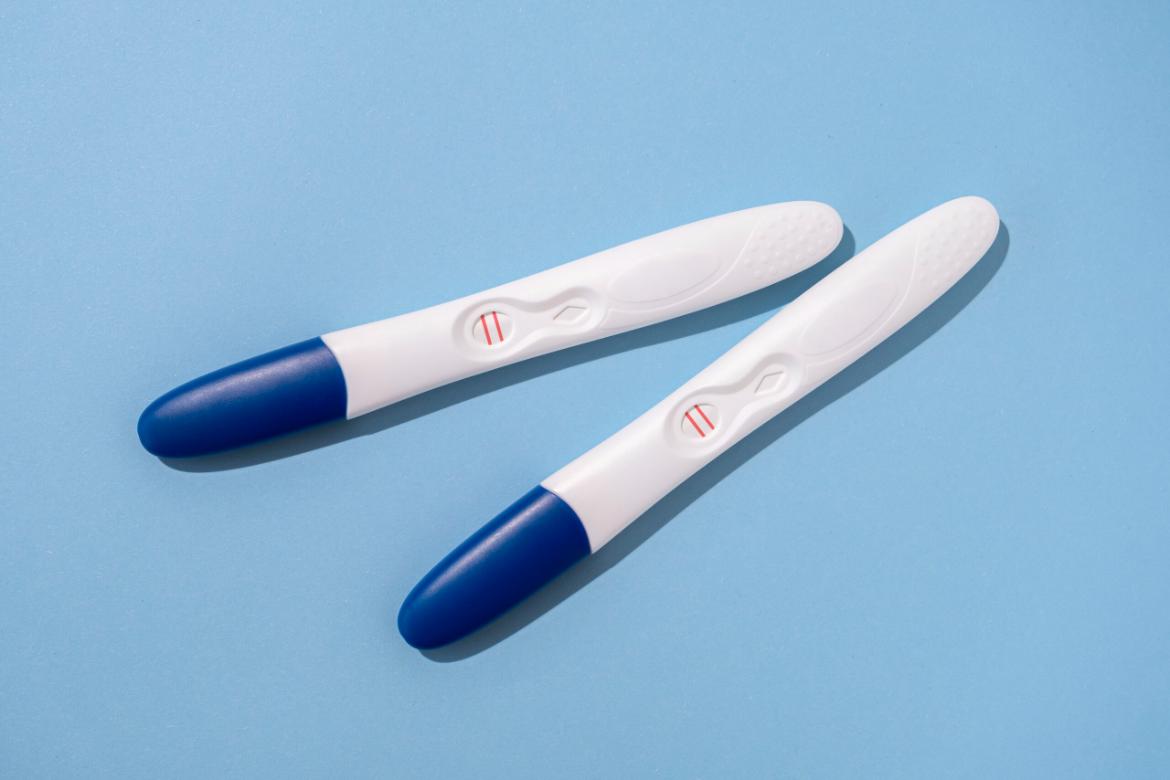
What is a Pregnancy Test? How is a Pregnancy Test Done?
In the case of pregnancy, tests used to detect specific findings and definitively confirm a possible pregnancy are called "pregnancy tests." Pregnancy tests typically include measuring levels of the hormone Human Chorionic Gonadotropin (hCG) and are widely used to confirm pregnancy.
Pregnancy is a process that has diverse effects on all body systems, from conception to birth. It can lead to numerous changes, both physical and psychological. For pregnancy to begin, the egg must develop healthily, be fertilized, and implant in the uterine wall. During this process, rapid changes occur in hormone levels. The hormonal system not only affects pregnancy but also the functioning of other body structures and organs.
As a result of these hormonal changes, various symptoms may occur during pregnancy. For example, symptoms such as fullness and tenderness in the breasts, fullness, bloating, and tenderness in the lower abdomen, may also occur. Symptoms such as increased urination frequency and nausea and vomiting due to gastrointestinal changes may also occur. Vaginal discharge may also increase.
These symptoms are changes associated with pregnancy and can be considered as a sign of a possible pregnancy. Therefore, these symptoms may prompt the necessary tests for pregnancy diagnosis. Pregnancy tests are usually performed using a urine or blood sample and are aimed at detecting the presence of the pregnancy hormone hCG (human chorionic gonadotropin).
However, pregnancy symptoms can manifest differently in every woman, and not every symptom may be associated with pregnancy. Confirmation by a doctor is important for a definitive diagnosis of pregnancy.
What is a Pregnancy Test?
When a fertilized egg implants in the uterine wall, cells called trophoblasts rapidly secrete the hormone hCG. Normally found in low levels in blood or urine, this hormone increases during pregnancy. Therefore, measuring hCG levels is one of the first methods to confirm pregnancy.
However, in cases of ectopic pregnancy or the presence of certain tumors, hCG hormone levels may be higher than normal. In these cases, ultrasound imaging of the uterine wall is preferred in addition to a pregnancy test to confirm a definitive pregnancy. Ultrasound is used to confirm the presence and correct placement of an embryo or fetus in the uterus.
Consequently, pregnancy tests are typically used to confirm pregnancy by measuring hCG hormone levels. However, in some cases, high hCG levels can have various causes, so additional tests, such as ultrasounds, may be necessary for a definitive diagnosis. It is important that these tests are interpreted correctly and evaluated by a healthcare professional.
What are the Types of Pregnancy Tests?
Pregnancy tests include several types of tests used to detect or confirm pregnancy. Here are a few examples of commonly used types of pregnancy tests:
Urine pregnancy tests: These are the most common type of pregnancy test available at home. Urine pregnancy tests are designed to detect the presence of the hCG hormone in urine. These tests are typically performed by dropping urine onto a test strip or holding it in a urine cup. Results become apparent within a few minutes and are interpreted as either positive or negative.
Blood pregnancy tests: Blood pregnancy tests are used to detect pregnancy by measuring levels of the hCG hormone in the blood. Blood tests provide more sensitive results and can be used to detect pregnancy in the early stages. There are two types of blood pregnancy tests:
- Qualitative tests : These tests detect the presence of the hCG hormone and give the result as “positive” or “negative.”
- Quantitative tests: These tests directly measure the level of the hCG hormone and are used to determine how far along the pregnancy is.
Ultrasound : Ultrasound is an imaging technique used to visualize the presence and correct placement of an embryo or fetus in the uterus. Ultrasound is used to confirm the presence of a pregnancy and the gestational age. It can also be used to detect an ectopic pregnancy or other complications.
Beta-hCG blood test: This test is a quantitative blood pregnancy test that measures the level of the hCG hormone. In addition to confirming pregnancy, the beta-hCG test can be used to track hCG levels over time.
The choice of which of these tests to use and in which situations may vary depending on the pregnancy status and the goals of the test. For the most accurate results to detect or confirm pregnancy, it's important to consult a healthcare professional.
How to Perform a Home Pregnancy Test?
Home pregnancy tests are easy to use to detect pregnancy. A general step-by-step process for using a home pregnancy test:
- Choose the right time: A pregnancy test can usually be performed as soon as your missed period. However, some tests can give accurate results even a few days before your missed period. Follow the instructions for the test you'll be using to determine the right time.
- Prepare the test kit : Open the home pregnancy test kit and read the instructions carefully. The test kit usually includes a test strip or test cartridge.
- Collect urine: Use a clean, dry container to collect your urine. First morning urine is when hCG is most concentrated, so it generally produces the best results. However, the instructions may specify the time period from which to collect the urine.
- Apply the test strip or cartridge: Dip the test strip or cartridge included in the test kit into the urine or place a drop of urine on it. The instructions indicate which direction to use. Some tests may require pouring urine onto a specific area or placing a drop on a strip after collecting the urine.
- Wait: Wait for the test strip or cartridge to appear in the test strip or cartridge for the time specified in the instructions. This is usually a few minutes. Some tests produce results quickly, while others may take longer. Do not exceed the time required for the results to appear.
- Interpret the result: Results are usually expressed as "+" (positive) or "-" (negative). A positive result indicates the presence of hCG and indicates pregnancy. A negative result indicates no hCG is detected and indicates no pregnancy.
Each pregnancy test may have different instructions, so carefully read and follow the instructions for the test you'll be using. If the result is unclear or you have any doubts, it's important to contact a healthcare professional.
Note: Home pregnancy test results are not definitive and confirmation by a doctor is recommended.

When to Take a Home Pregnancy Test?
A home pregnancy test is typically performed after a missed period to detect pregnancy. However, each woman's menstrual cycle varies, and each pregnancy test may have different sensitivity levels. Therefore, it's important to carefully read the test kit's instructions for the correct timing.
Some home pregnancy tests can detect hCG even a few days before a missed period. These tests are considered sensitive due to their ability to detect low levels of hCG. However, for the most accurate results, it may be more reliable to wait until after a missed period.
If you want to test before your period is missed, it's important to choose tests that provide more sensitive results. The test kit packaging or instructions will provide information about when to test. Following these instructions will ensure more reliable results.
On the other hand, some women may not have a definitive diagnosis regarding their missed period because they have irregular or irregular menstrual cycles. In this case, determining the timing of testing based on the irregularity of their menstrual cycle may be difficult. In this case, testing at the earliest signs of pregnancy or when symptoms are felt may be appropriate. However, even in this case, test results should be evaluated by a healthcare professional for confirmation.
After Which Pregnancy Symptoms Should a Pregnancy Test Be Performed?
A pregnancy test can be performed after a missed period to detect pregnancy. However, each woman's pregnancy symptoms and menstrual cycle can vary. Therefore, there is no definitive rule regarding the best time to take a pregnancy test after a specific pregnancy symptom.
Pregnancy symptoms can manifest differently in every woman, or sometimes they may not be felt at all. However, if you experience some common pregnancy symptoms, you may want to consider a pregnancy test. Here are some general guidelines for symptoms and when to test:
- Missed period: If your menstrual cycle is regular and your period normally occurs regularly, a missed period may be the most obvious sign of pregnancy. You can take a pregnancy test a few days after your missed period.
- Breast tenderness and fullness: Pregnancy can cause breast tenderness and a feeling of fullness. If you experience these symptoms, you may want to consider a pregnancy test.
- Nausea and vomiting: Nausea and vomiting, also known as morning sickness, can be an early sign of pregnancy in some women. If you experience these symptoms, you may want to consider a pregnancy test.
- Increased urination frequency: Pregnancy can cause an increase in urination frequency. This symptom may be a reason to consider a pregnancy test.
These are just a few examples of symptoms that may be associated with pregnancy. However, pregnancy symptoms can vary from woman to woman, and not every symptom is associated with pregnancy. Therefore, taking a pregnancy test may be an option if you experience certain pregnancy symptoms, but it's important to consult a healthcare professional to confirm the results.
Remember, home pregnancy tests usually provide reliable results, but verification by a healthcare professional is recommended for a definitive diagnosis.
