


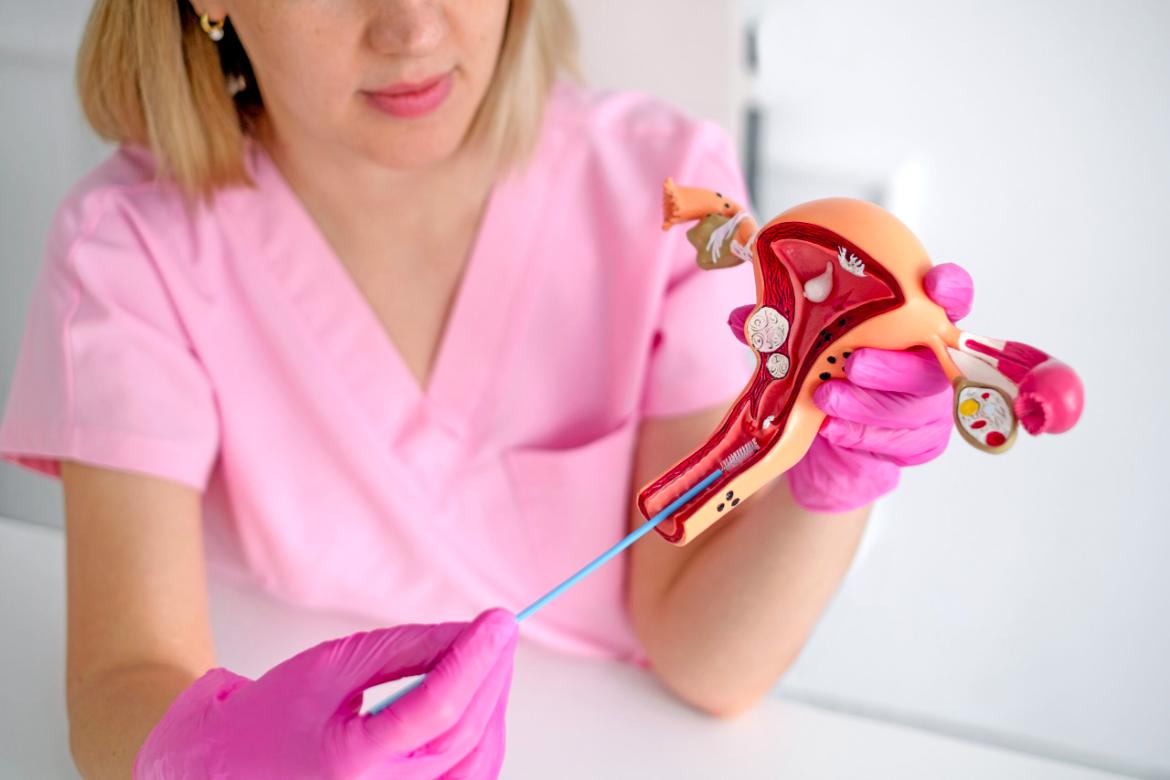
What is an Endometrial Biopsy (Uterine Biopsy)?
A uterine biopsy (endometrial biopsy) is a medical procedure performed to examine the lining of the uterus. The endometrium is the tissue lining the uterine wall and is crucial for the health of the female reproductive system. An endometrial biopsy is performed to obtain information about this tissue and to detect cancer, infection, hormonal imbalance, or other uterine conditions.
What is an Endometrial Biopsy ?
An endometrial biopsy is a medical procedure that involves taking a sample of the tissue lining the uterus (endometrium). This procedure is performed to determine if there is cancer, infection, hormonal imbalances, or other health problems in the uterus. In short, it's a test to determine if there are any problems with the lining of the uterus.
Why is a Uterine Sample Taken (Endometrial Biopsy ) Performed?
An endometrial biopsy is a medical procedure to take a tissue sample from the lining of the uterus (endometrium) and is usually done to:
- Abnormal Bleeding
Abnormal bleeding, such as heavy menstrual bleeding (menorrhagia) or bleeding between periods, is the most common reason for an endometrial biopsy. This type of bleeding can be a sign of a uterine problem, so a biopsy is used to investigate this condition. Postmenopausal bleeding is also a significant warning sign, and a biopsy is performed to determine the cause of this bleeding.
- Diagnosing Endometrial Cancer
An endometrial biopsy is performed on women suspected of having endometrial cancer. This cancer typically occurs in postmenopausal women. A biopsy is an important tool for early detection of cancer.
- Endometrial Hyperplasia
Endometrial hyperplasia is an excessive thickening of the uterine lining and can increase the risk of cancer. Hyperplasia develops as a result of excessive cell growth and can be detected through a biopsy. Hyperplasia can be precancerous and therefore may require treatment.
- Investigating the Causes of Infertility
An endometrial biopsy can be performed to determine the health of the uterine lining in women experiencing infertility. For an embryo to implant in the uterus, the endometrial tissue must be suitable. A biopsy can determine whether the endometrium is developing properly.
- Examining Hormonal Imbalances
Hormones can affect the health of endometrial tissue. Imbalances in hormone levels such as estrogen and progesterone can lead to changes in the uterine tissue. An endometrial biopsy can help assess these hormonal influences.
- Suspicion of Endometriosis
Endometriosis is the growth of endometrial tissue outside the uterus. This condition typically manifests as irregular and painful periods. An endometrial biopsy can be helpful in diagnosing endometriosis.
- Endometritis or Other Infections
Infections or inflammation of the uterus (endometritis) can be diagnosed with a biopsy. Infections can lead to serious complications if left untreated, so early diagnosis is important.
- Evaluation of Menstrual Irregularities
Irregularities in the menstrual cycle may be related to hormonal problems or other uterine conditions. A biopsy may be performed to investigate the causes of such irregularities.
- Assessing Uterine Health in Postmenopausal Women
Postmenopausal bleeding or other suspicious symptoms may warrant a biopsy. Because the risk of uterine cancer increases in postmenopausal women, a biopsy is a critical step in assessing this risk.
- Taking Tissue Samples for Genetic and Further Analysis
A biopsy can be used to examine tissue within the uterus at a genetic or molecular level, which can help determine treatment options.
Endometrial biopsy is an important step in diagnosing such health problems, detecting serious diseases such as cancer in the early stages, and determining appropriate treatment methods.
For Which Diseases is a Uterine Biopsy Taken?
An endometrial biopsy is a medical procedure that involves taking a tissue sample from the inner lining of the uterus (endometrium) and is used to diagnose various uterine conditions. An endometrial biopsy can help diagnose the following conditions:
- Endometrial Cancer
An endometrial biopsy is one of the most commonly used methods for early diagnosis of uterine cancer. If abnormal or cancerous cells are detected, your doctor can develop further treatment plans.
- Endometrial Hyperplasia
Endometrial hyperplasia is an overgrowth of endometrial tissue. This can increase the risk of uterine cancer, but it doesn't always result in cancer. A biopsy is used to determine if the cells are normal or abnormal.
- Causes of Infertility
For some women, an endometrial biopsy can be helpful in investigating the causes of infertility. The quality of the endometrial tissue, in particular, can affect the ability of an embryo to implant in the uterus. A biopsy can reveal how healthy and properly the endometrium is developing under hormonal influences.
- style="text-align: left;" start="4">
- Postmenopausal Bleeding
Postmenopausal bleeding can be a sign of serious problems, such as endometrial cancer. In these cases, a biopsy is performed to determine the cause of the bleeding.
- style="text-align: left;" start="5">
- Infections or Other Abnormalities in the Uterus
A biopsy can also be used to detect other problems in the uterus, such as infection or inflammation. An endometrial biopsy can help determine the presence of an infection, such as endometritis (inflammation of the uterus), for example.
- Hormonal Imbalances
A biopsy can reveal changes in the uterine lining due to changes in hormone levels. Levels of hormones, particularly progesterone and estrogen, can affect the health of endometrial tissue. A biopsy may be performed to examine changes caused by these hormones.
- Endometriosis
An endometrial biopsy can help diagnose endometriosis, a condition in which endometrial tissue grows outside the uterus. This condition can cause problems such as painful menstruation and infertility in women.
Post-Diagnosis Procedure
An endometrial biopsy can identify many conditions, but how the results are interpreted varies depending on the patient's age, health history, and symptoms. If the biopsy result is abnormal, the doctor will usually recommend further testing or treatment. Consequently, an endometrial biopsy is an important tool for assessing uterine health and diagnosing various conditions.
How is a Uterine Sample Taken (Biopsy) Done?
Process Steps
- Preparation and Anesthesia
- A biopsy is usually performed in an outpatient setting. The patient is usually given a local anesthetic, which numbs the area where the procedure is performed. In some cases, light sedation may also be used to help the patient relax. The anesthetic is usually applied to the cervix and vagina, minimizing discomfort during the procedure.
- Use of Speculum
- To begin the procedure, your doctor uses a metal or plastic instrument called a speculum to open your vagina. The speculum separates the vaginal walls, allowing the doctor to access the cervix.
- Cleaning the Cervix
- The cervix is cleaned with a sterile solution. This is important to reduce the risk of infection. Then, a special instrument is used to access the cervix.
- Biopsy Instrument Placement
- The instrument used for the biopsy is inserted into the cervix. The most commonly used instrument is the Pipelle biopsy device , a thin tube that is advanced into the uterus to collect endometrial tissue. Pipelle biopsy is considered a simple and painless procedure. Another method, hysteroscopic biopsy, requires more detailed imaging.
- Taking a Tissue Sample
- The instrument reaches the lining of the uterus and takes a small tissue sample. This sample is sent to a pathology laboratory for microscopic examination. The procedure typically takes 5-10 minutes.
- After the Process
- After the procedure, the patient is usually given a few minutes to rest. There may be some minor bleeding or spotting, but this usually stops within a few days. The doctor will explain the post-biopsy procedures and potential side effects to the patient.
Uterine Biopsy Types
A uterine biopsy is a procedure that takes a tissue sample from the lining of the uterus and can be performed using a variety of methods. Here are the main types of uterine biopsies:
- Endometrial Biopsy (Curettage Biopsy)
- An endometrial biopsy is a common procedure used to obtain a tissue sample from the lining of the uterus (endometrium). In this procedure, a doctor inserts an instrument (biopsy tool or curette) through the cervix and removes a tissue sample. This biopsy is typically performed to check for abnormal bleeding or suspected endometrial cancer.
- Hysteroscopic Biopsy
- Hysteroscopy is a procedure used to examine the inside of the uterus. A thin, lighted tube called a hysteroscope is inserted into the uterus through the vagina and cervix. During a hysteroscopic biopsy, specialized instruments are used to obtain a tissue sample from the lining of the uterus. This procedure is particularly useful for examining uterine abnormalities such as polyps or fibroids.
- Pipelle Biopsy
- A Pipelle biopsy is a type of biopsy performed using a small, tubular instrument. This instrument is inserted into the uterus and removes tissue from the endometrium for a sample. A Pipelle biopsy is generally considered a less invasive and less painful option. It is often used in cases of abnormal bleeding, endometrial hyperplasia, or suspected cancer.
- D&C (Dilation and Curettage)
- A D&C procedure is another method used to obtain tissue samples from the uterus. The cervix is dilated, and the uterine wall is scraped to obtain a tissue sample. This procedure can also be used to remove the uterine lining. It is particularly effective for early miscarriages, abnormal bleeding, and intrauterine infections.
- Vacuum Curettage
- Vacuum curettage is a procedure used to obtain a sample of uterine tissue. This procedure involves suctioning the uterine tissue and obtaining a sample for biopsy. It is typically performed for pregnancy termination, abnormal bleeding, or the detection of polyps.
Uterine Biopsy Results
Uterine biopsy results are obtained by examining a tissue sample under a microscope. These results provide important information about the health of the tissue inside the uterus. Here are some conditions that may be seen in biopsy results:
- Normal Results
- The tissue sample appears healthy and normal. This means there is no cancer, infection, or other serious disease in the uterine lining. The results usually show regular menstrual cycles and healthy endometrial tissue.
- Endometrial Hyperplasia
- Endometrial hyperplasia is the excessive thickening of the endometrial tissue. This can be caused by hormonal imbalances or excessive estrogen production. Because hyperplasia can be a precancerous condition, it may require treatment. Some types may increase the risk of cancer and therefore require careful monitoring.
- Endometrial Cancer
- A biopsy can reveal the presence of endometrial cancer. Cancerous cells can be identified in the biopsy sample, allowing a treatment plan to be developed. Endometrial cancer usually occurs in postmenopausal women, but early detection can increase the chance of a cure.
- Polyps
- Uterine polyps are benign growths that arise from the endometrial tissue. These polyps can often cause bleeding and can be detected by biopsy. Most polyps are harmless, but some can become cancerous and may require treatment.
- Myomas
- Uterine fibroids are benign tumors composed of muscle tissue. While fibroids are not directly detected during a biopsy, hysteroscopic biopsy can be used to examine uterine tumors. Fibroids generally do not require surgical intervention, but in some cases, they can be symptomatic.
- Infections (Endometritis)
- A biopsy can detect infections such as endometritis (inflammation of the uterus). Infections are usually treated with antibiotics. It's important to treat infections because they can sometimes cause infertility.
- Adenomyosis
- Adenomyosis occurs when endometrial tissue invades the uterine muscle. This can cause problems such as pain, heavy menstrual bleeding, and infertility. Adenomyosis can be diagnosed through a biopsy.
- Hormonal Imbalance
- If the biopsy reveals abnormalities in the endometrial tissue caused by hormones, this may indicate a hormonal imbalance. Hormone therapy may help correct this.
As a result , a uterine biopsy provides important information about uterine health. Abnormal results allow doctors to determine treatment options and allow for early intervention.
Frequently Asked Questions
Preparation Before Uterine Biopsy
Before an endometrial biopsy, the patient may require specific preparations. While fasting before the procedure is generally not required, in some cases, patients may be advised to take painkillers for a day or a few hours before the biopsy. The timing of the biopsy is also important. A biopsy is usually performed mid-cycle, a few days after the end of the menstrual period. Before the biopsy, the doctor will usually review the patient's medical history and provide information about the procedure. Additionally, the patient may be required to undergo certain tests.
The Recovery Process After Endometrial Biopsy
After the procedure, the patient can go home the same day. Bleeding in the treated area is quite possible. Nausea and vomiting may occur in patients undergoing general anesthesia. Patients may experience mild pain in the groin area and slight vaginal bleeding. Keeping the vagina clean and sterile after the biopsy is crucial to prevent infection. Some short-term changes may occur during the menstrual cycle.
What is the Price of Uterine Biopsy or Endometrial Biopsy?
First of all, it's impossible to give an endometrial biopsy price without considering the patient's full condition. To provide a definitive endometrial biopsy price, the patient undergoes a series of checkups, and ultimately, our doctors determine the cost based on the patient's condition. For a uterine biopsy, you can easily and confidently undergo the procedure at Magnet Hospital after undergoing the necessary examination with our expert doctors.
Is it possible to detect cancer without an endometrial biopsy?
A biopsy is necessary to make a definitive diagnosis. Pathologists can examine the tissue samples to determine the nature and cause of the cancer. Patients who do not undergo a biopsy cannot be considered completely cancer-free.
How many days does bleeding continue after endometrial biopsy?
While there are no abnormalities after the surgery, it is normal to experience some light bleeding or spotting. This generally varies depending on the patient.
Are there risks to an endometrial biopsy?
Potential risks are factors that increase the likelihood of developing a disease. If a person has one or more risk factors, they are considered a risk factor for the development of cancer or disease. Excessive bleeding following the procedure may require a second biopsy. Another risk factor is the occurrence of infection.
What Should the Patient Pay Attention to After Uterine Biopsy?
After an endometrial biopsy, there are some important things patients should be aware of. While the procedure is generally safe, it's important to take some simple precautions during the recovery process.
- Rest : It's important to rest for a few hours after the procedure. Strenuous activity should be avoided, especially on the day of the procedure.
- Painkiller Use : Mild pain and cramping may occur after the procedure. Painkillers recommended by your doctor can be used. In case of severe pain, you should consult your doctor.
- Vaginal Bleeding or Spotting : You may experience light vaginal bleeding or spotting after the biopsy. This usually stops within a few days. However, if you experience heavy bleeding or bleeding with clots, you should consult a doctor immediately.
- Avoid Sexual Intercourse : It is recommended to avoid sexual intercourse for at least 48-72 hours after the procedure. This reduces the risk of infection and speeds up the healing process.
- Baths and Tampons : Tampons should not be used after the procedure. Vaginal douches with hot water should also be avoided. This reduces the risk of infection.
- Medication Use : Avoid medications other than those recommended by your doctor. In particular, medications that may increase the risk of bleeding should be avoided.
Side Effects After Endometrial Biopsy Procedure
Side effects after an endometrial biopsy are generally mild. However, some patients may experience temporary discomfort during this period. Common side effects include:
- Pain and Cramping : You may experience mild pain and cramping during and after the procedure. This is related to the relaxation of the uterine muscles and usually subsides within a few hours.
- Vaginal Bleeding : You may experience light vaginal bleeding or spotting after the biopsy. This will return to normal within a few days. However, if you experience heavy or prolonged bleeding, you should consult your doctor.
- Infection : In rare cases, an endometrial biopsy can lead to infection. Signs of infection include fever, severe pain, and foul-smelling vaginal discharge. In these cases, a doctor should be consulted immediately.
- Dizziness or Nausea : Some patients may experience dizziness or nausea after the procedure. This is usually temporary.
The healing process can vary from person to person. Recovery from a biopsy typically begins within 2-3 days, but full recovery may take several weeks.
Will There Be Pain After Endometrial Biopsy?
Pain experienced after an endometrial biopsy is usually mild. This pain is caused by minor injuries during the removal of the lining of the uterus. Pain may include:
- Cramping : You may experience mild cramping during and immediately after the procedure. This is due to uterine contractions and usually subsides within a few hours.
- Pelvic Pain : Mild pelvic pain may be felt after the biopsy. This pain is usually temporary and can be relieved with painkillers.
If the pain becomes severe, it is important to consult your doctor.
Post-Process Control and Follow-up
Following an endometrial biopsy, the doctor usually calls the patient for a follow-up visit a few weeks later. This visit is performed to assess whether the healing process is progressing smoothly. The biopsy results are also announced during this visit. The follow-up and follow-up process may include:
- Results Evaluation : Pathology results are evaluated after the biopsy. If there are any abnormalities, you can discuss further testing or treatment plans with your doctor.
- Pain or Bleeding Management : It is important to monitor for pain or bleeding. If these symptoms persist, treatment may be necessary.
Uterine Health and the Importance of the Endometrium
Uterine health is a cornerstone of women's reproductive health. The endometrium forms the inner lining of the uterus and thickens and sheds each month during the expulsion of an unfertilized egg. Healthy endometrial tissue plays a critical role in conception. A healthy endometrium is essential for an embryo to implant in the uterus. Furthermore, uterine health ensures a regular menstrual cycle and provides a favorable environment for pregnancy. Endometrial diseases can lead to infertility or abnormal bleeding. An endometrial biopsy is an important test for monitoring uterine health and providing early diagnosis of potential problems. This procedure can help detect uterine cancer, endometrial hyperplasia (overgrowth), infections, or other conditions. In conclusion, post-endometrial biopsy care includes pain control, hygiene, rest, and regular follow-up, which can help ensure a successful recovery. Maintaining uterine health and maintaining a healthy endometrium is crucial for women's reproductive health.
How Many Days Does It Take to Get the Uterine Biopsy Results?
Results from a uterine biopsy (endometrial biopsy) typically take between 7 and 10 days to become available. This timeframe is determined by a detailed examination of the biopsy sample under a microscope after it is sent to the laboratory for pathological examination. The biopsy results provide information about abnormalities or diseases in the lining of the uterus. The results are usually evaluated by the doctor and then communicated to the patient. If the biopsy result is abnormal, the doctor may recommend further testing or develop a treatment plan.
Does Social Security Cover Uterine Biopsy?
The Social Security Institution (SGK) covers endometrial biopsies depending on the patient's medical condition. Magnet Hospital is a SGK-affiliated hospital. For more information and to schedule an appointment, please visit our hospital or call 0312 212 80 80 .
How can I find a good doctor and hospital that performs uterine biopsy in Ankara?
If you're looking for a good doctor who performs endometrial biopsies (uterine biopsies) in Ankara, it's important to research experienced gynecologists and obstetricians to make the right choice. Learning about patients' previous experiences, their communication skills, and their success rates can also help you make a decision. Furthermore, the hospital's technological infrastructure and the quality of its surgical equipment play a significant role in the surgical process. Private Ankara Magnet Hospital is a healthcare institution known for its experienced doctors who specialize in uterine biopsies .
Does Supplemental Health Insurance Cover Uterine Biopsy?
Supplemental health insurance may cover procedures like endometrial biopsies under certain conditions. Contact your insurance company to find out if the procedure is covered.
Does Private Health Insurance Cover Uterine Biopsy?
Private health insurance may cover procedures such as endometrial biopsies, depending on medical necessity and the policy's coverage. It's important to review your policy carefully.
February 2025
