


What is a Dialysis Fistula?
A dialysis fistula is a type of arteriovenous fistula used for dialysis in patients with kidney failure. This fistula is a surgically created connection used to connect the patient's blood vessels to the dialysis machine.
Dialysis is a method that helps the kidneys remove harmful substances and fluids from the body. Dialysis is necessary in patients with kidney failure because the kidneys cannot perform this function.
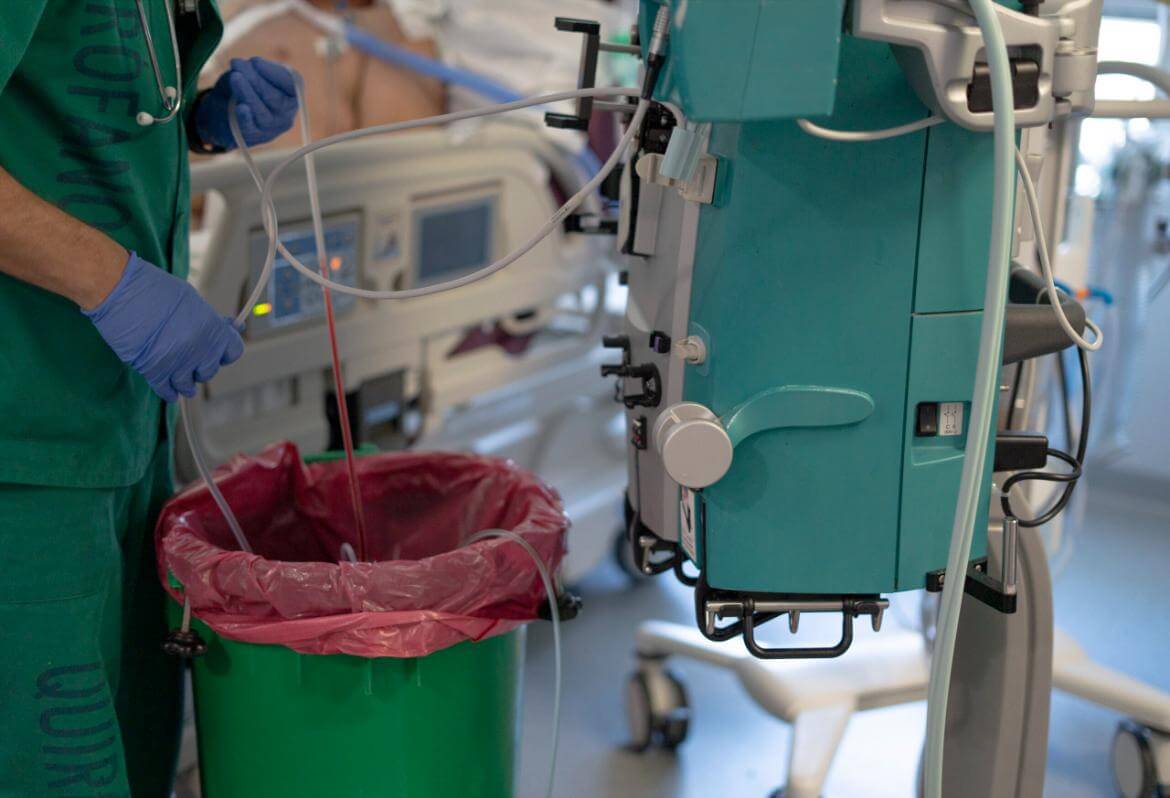
For dialysis, a patient's blood is transferred to a dialysis machine and cleaned through filters. The cleaned blood is then returned to the patient's body.
A dialysis fistula is a connection used to transport blood to the dialysis machine during dialysis. This fistula is created by connecting an artery and a vein in the patient's arm. This connection increases blood flow and helps cleanse more blood during dialysis.
A dialysis fistula helps improve blood circulation during dialysis, making dialysis more efficient. However, creating a fistula requires surgery and sometimes carries risks, such as infection. It's important for patients to have regular checkups and consult their doctors to ensure their fistula is functioning properly during dialysis.
Dialysis Fistula Causes
Some of the factors that cause dialysis fistula formation:
- Kidney Failure: Chronic diseases that gradually damage the kidneys, such as diabetes, hypertension, and heart disease, increase the risk of kidney failure. Patients with kidney failure often require a dialysis fistula for dialysis.
- Damage to Blood Vessels: Blood vessels can become damaged due to factors such as aging, hypertension, and diabetes. This damage is a risk factor for dialysis fistula formation.
- Previous Surgery: Blood vessels may be damaged after previous surgery. This damage can make it easier for a dialysis fistula to form.
- Narrowed Blood Vessels: Narrowed blood vessels can obstruct blood flow, a risk factor for dialysis fistula formation.
- Low Blood Pressure: Low blood pressure causes blood vessels to dilate, making it easier for a dialysis fistula to form.
Dialysis fistulas are an important treatment option for patients with kidney failure. However, certain factors are required for a fistula to develop. It is important for patients to adopt a healthy lifestyle to reduce the risk factors for developing a dialysis fistula.
Dialysis Fistula Symptoms
- Swelling: Patients with a dialysis fistula may experience swelling or bulging in the area where the fistula is located. This may be due to the fistula not providing adequate blood flow or an infection.
- Pain: Patients with a dialysis fistula may experience pain or tenderness at the fistula site. This may be due to the fistula not providing adequate blood flow or to an infection.
- Redness: Patients with a dialysis fistula may experience redness in the area of the fistula. This may be due to infection or insufficient blood flow to the fistula area.
- Vascular stenosis: Patients with dialysis fistulas may develop stenosis at the fistula site. This may be due to the fistula's inability to provide adequate blood flow or to surgical procedures performed during the fistula's formation.
- Vascular occlusion: Patients with a dialysis fistula may develop an occlusion at the fistula site. This may be due to the fistula not providing adequate blood flow or to a clot forming at the fistula site.
Patients with a dialysis fistula should consult their doctor immediately if they notice any symptoms. Doctors will evaluate the symptoms and determine the appropriate treatment.
How is Dialysis Fistula Diagnosed?
A dialysis fistula is a surgical procedure performed to facilitate dialysis, a treatment frequently used in patients with kidney failure. A dialysis fistula is diagnosed using a series of medical tests and imaging techniques. Methods used to diagnose a dialysis fistula include:
- Physical exam: The doctor will physically examine the fistula area, looking for signs such as swelling, redness, pain, and tenderness.
- Doppler ultrasound: A Doppler ultrasound is a test used to measure blood flow at the site of a fistula. This test is used to confirm that the fistula is large enough to provide adequate blood flow and that there are no blockages.
- Fistulography: A fistulogram is an X-ray image taken after a contrast medium is injected into the fistula area. This test is used to identify problems such as stenosis or blockage in the fistula area.
- MR angiography: MR angiography is an imaging test that uses magnetic resonance imaging (MRI) and contrast material to visualize blood vessels. This test is used to verify blood flow at the fistula site and to verify that the fistula is receiving adequate blood flow.
- Fistula flowmetry: Fistula flowmetry is a test used to measure blood flow at the fistula site. This test is used to verify that the fistula is receiving adequate blood flow.
Based on the results of the above tests, the doctor diagnoses dialysis fistula and determines the necessary treatment.
How is Dialysis Fistula Surgery Performed?
A dialysis fistula is a connection created by connecting the major blood vessels necessary for dialysis treatment. This procedure allows a solution filtered through the dialysis machine to enter the patient's bloodstream. Surgery for a dialysis fistula is usually performed by a dermatologist and involves the following steps:
- Preparation: Before surgery, the patient will be evaluated with the doctor to determine where the dialysis fistula will be placed. A series of tests will be performed to assess the patient's general health. During the preoperative period, the patient may experience dietary and medication restrictions for a period of time.
- Local anesthesia: A local anesthetic is administered to prevent pain during surgery. This allows the patient to be awake and conscious for the surgeon to perform the procedure.
- Creating a fistula: The surgeon creates a fistula by connecting an artery and a vein in the patient's arm. Typically, an artery and a vein are connected, which can create enough pressure to direct blood to the dialysis machine. The fistula is usually placed in the patient's upper arm, slightly above the elbow bend.
- Healing: After the fistula creation is complete, the patient's arm will be stitched. A bandage will be placed over the arm, and a sling will be worn to restrict movement. Healing takes approximately six weeks, during which time the patient should avoid excessive movement of the arm.
Dialysis fistula surgery is a common procedure in the treatment of dialysis patients. Successful fistula repair can help patients achieve long-term success with dialysis treatment. Post-operative follow-up and regular dialysis treatment can help patients live a healthy life.
What lifestyle changes should people with dialysis fistula make?
People with a dialysis fistula need to make certain changes to maintain a healthy life during dialysis treatment. These include:
- It should be checked every day whether the fistula is functioning or not.
- You should reserve the arm with the fistula only for dialysis.
- Be careful not to carry heavy objects with the arm that has the fistula.
- Do not sleep on the arm on the side with the fistula.
- Be careful not to wear tight clothing, jewelry, or watches that could compress the fistula.
- Do not have blood drawn or medication injected from the side with the fistula.
- Do not have your blood pressure measured on the side with the fistula.
- Keep your arm or area with the fistula clean.
- After dialysis, look for signs of swelling, bleeding, or infection.
Will the kidney recover after dialysis fistula surgery?
It's impossible for a patient's kidney function to improve after dialysis fistula surgery. However, dialysis treatment can properly manage kidney function and help clear harmful substances from the body.
What are the costs of dialysis fistula surgery?
It's impossible to provide a definitive price for dialysis fistula surgery. To provide a definitive estimate on dialysis fistula surgery costs, the patient undergoes a series of checkups, and then, depending on the situation, our doctors approve the final decision. You too can easily undergo the necessary examination at our hospital, confident in the presence of our expert doctors.
Are there any risks to dialysis fistula surgery?
As with any surgical procedure, dialysis fistula surgery carries risks. These may include:
- Infection: There is always a risk of infection after surgery. Infections at the surgical site can usually be controlled with antibiotic treatment, but in rare cases, serious infections can develop.
- Bleeding: There is a risk of bleeding during or after surgery. Depending on the severity of the bleeding, additional interventions or a blood transfusion may be necessary.
- Vascular problems : Problems with arteries or veins can occur during or after dialysis fistula surgery. Complications such as circulation problems, blood clots, or narrowing can occur.
- Fistula problems: Problems can occur, such as the fistula not functioning, becoming blocked, or narrowed. In these cases, additional surgery may be required to correct or repair the fistula.
- Anesthesia risks: Surgery performed under general anesthesia carries anesthesia-related risks. These may include anesthesia reactions, breathing problems, or anesthesia-related complications.
Every patient is different, and risks can vary depending on factors such as the patient's overall health, age, weight, and any existing health problems. The risks and benefits of dialysis fistula surgery should be evaluated by the surgeon, taking into account the patient's condition.
Does dialysis fistula turn into cancer?
A dialysis fistula does not become cancerous. It simply provides a passage for blood to be removed from the body and sent to the dialysis machine. A fistula is simply created by altering the natural blood circulation pathways at the point where an artery and a vein meet.
However, people with chronic kidney disease (CKD) are generally at higher risk for conditions requiring dialysis. These patients are sometimes more prone to developing other health problems, such as cancer. This is primarily because kidney failure and dialysis can weaken the immune system. People with weakened immune systems may have an increased risk of cancer.
