


What is a Breast Ultrasound?
Breast ultrasound (USG) is a radiation-free and painless imaging method used to detect lumps, cysts, or tissue changes in the breast . It is used when lumps, cysts, inflammation, or cancer are suspected. The procedure takes 10–15 minutes. It is a safe option, especially for women under 35, pregnant women, and breastfeeding mothers. The procedure, which takes approximately 15 minutes, is usually completed the same day and is crucial for early diagnosis . It is covered by the Social Security Institution (SGK), and 2025 prices vary depending on the imaging center and private hospital you choose.
What is a Breast Ultrasound?
Breast ultrasound is a painless, radiation-free imaging method that uses high-frequency sound waves to examine breast tissue in detail . This method evaluates breast lumps, cysts, inflammation, or structural changes in both men and women. Breast ultrasound, used in addition to mammography, is particularly important for diagnosis in young women and those with dense breast tissue .
How is a Breast Ultrasound Performed?
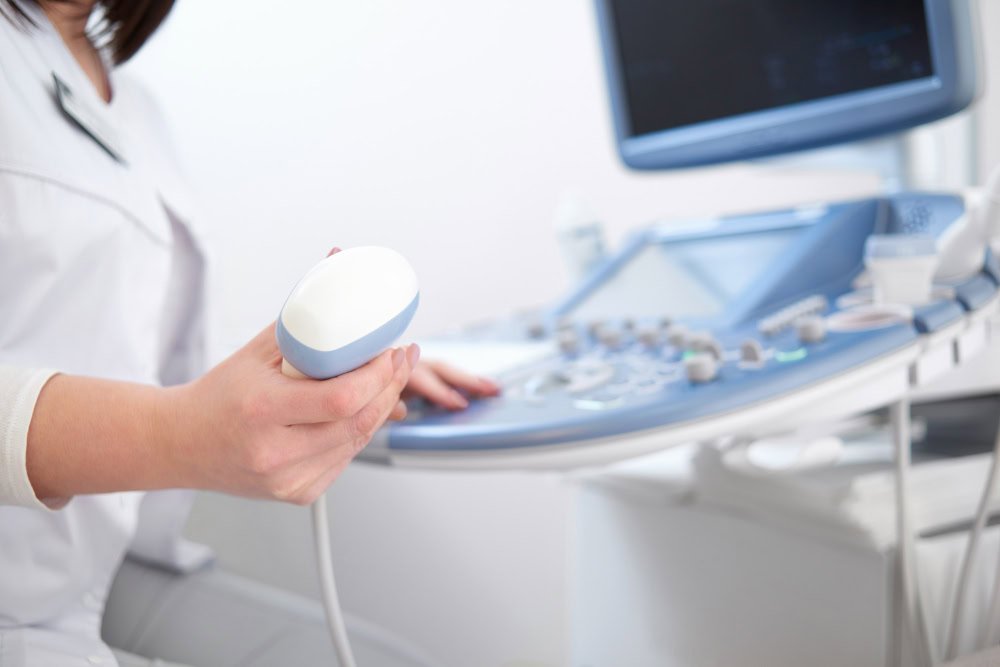
During the procedure, the patient lies supine. The radiologist applies special ultrasound gel to the breast area and takes images with a probe. The gel facilitates the sound waves' contact with the skin. The procedure takes approximately 10–15 minutes and is completely painless. If necessary, the axillary lymph nodes are also examined.
In Which Diseases Is Breast Ultrasound Performed?
Breast ultrasound is used in many situations, including breast cancer, benign cysts, fibroadenomas, abscesses, inflammation (mastitis), post-traumatic hematomas, and implant control. It is also preferred for post-operative follow-up or to clarify suspicious mammographic findings. It is often performed in conjunction with mammography or alone in young women. It is frequently used in the diagnosis and follow-up of the following conditions:
Breast Cysts (Simple or Complex Cysts): These are small, fluid-filled sacs within the breast tissue. An ultrasound can help identify the cyst's structure, size, and whether it's harmless.
Fibroadenoma (Benign Breast Mass): These are well-circumscribed, mobile masses that are common in young women. Ultrasound can reveal the characteristics of this mass and whether it requires monitoring.
Breast Cancer (Malignant Lesions): Firm, irregularly bordered, and vascular masses are suspicious. Ultrasound provides information about the mass's shape, echostructure, and vascular distribution.
Fibrocystic Changes (Hormonal Breast Tenderness): Used to differentiate painful, tender nodular structures that change with the menstrual cycle.
Abscesses and Infections (Mastitis): Inflammation or abscess foci occurring during the breastfeeding period can be clearly visualized with ultrasound.
Complaints of Nipple Discharge or Bleeding: The presence of dilatation of the milk ducts (ductal ectasia) or an intracanalicular mass is investigated.
Post-Traumatic Breast Hematoma or Fat Necrosis: Internal bleeding or tissue damage caused by falls or impacts are distinguished by ultrasound.
Post-Operative or Post-Biopsy Checkups: Used to monitor post-surgical fluid accumulations or recurrent lesions.
Axillary (Armpit) Lymph Nodes: Lymph nodes are evaluated in the diagnosis of breast cancer or infections.
Women with Familial Breast Cancer Risk: It is performed for early diagnosis and regular follow-up in people with genetic risk.
Breast ultrasound provides early diagnosis for conditions such as lumps, pain, discharge, asymmetry, or family history. Because it doesn't involve radiation, it's a safe option, especially for young and pregnant women.
How is a Breast Ultrasound Performed?
During the procedure, the patient lies supine. The radiologist applies special ultrasound gel to the breast area and takes images with a probe. The gel facilitates the sound waves' contact with the skin. The procedure takes approximately 10–15 minutes and is completely painless. If necessary, the axillary lymph nodes are also examined.
What to Do Before a Breast Ultrasound
No special preparation is required before a breast ultrasound. It's recommended that the patient avoid using deodorant, creams, or powders. Performing the ultrasound during the first week of the menstrual cycle ensures clearer results, especially in younger women.
What to Do After a Breast Ultrasound
No post-procedure care is required. Once the gel is removed, the patient can immediately return to their daily activities. If additional testing or biopsy is recommended, the planning will be made under the guidance of a doctor.
Disadvantages and Risks of Breast Ultrasound
The most important advantage of breast ultrasound is that it does not involve radiation, so it has no known side effects. However, very small microcalcifications (signs of early-stage cancer) may not always be detected by ultrasound, so it is recommended to use it in conjunction with mammography.
Advantages of Breast Ultrasound
It's a painless, quick, and safe procedure. It can be performed safely even during pregnancy or breastfeeding. Real-time imaging allows for easy differentiation of the structure and content of masses. It can also be used as a guide in guided biopsy procedures.
Breast Ultrasound Alternative Methods
When more detailed examination is needed, mammography and breast MRI (magnetic resonance imaging) can be used. Mammography is particularly recommended for screening in women over 40, while ultrasound is a more effective method for younger women.
Why is a Breast Ultrasound Requested?
A doctor often requests a breast ultrasound because of a suspected lump, pain, discharge, or abnormal findings on a mammogram. It is also performed for routine checkups, pre-pregnancy evaluations, or post-treatment follow-up.
Areas of Use for Breast Ultrasound
In addition to diagnosis, breast USG is also actively used in interventional procedures such as biopsy guidance, fluid aspiration, drainage procedures and breast prosthesis control.
Do Social Security and Private Insurance Cover Breast Ultrasound?
The Social Security Institution (SGK) covers breast ultrasounds deemed necessary by a doctor. These are also generally covered by private insurance policies. However, private hospitals may charge a surcharge; this rate varies depending on the hospital's contract terms.
Things to Consider After a Breast Ultrasound
No special precautions are required after the procedure. If a biopsy has been performed, the doctor's recommendations for cleaning the area and resting should be followed.
In Which Department Is Breast Ultrasound Performed?
A breast ultrasound is performed by the radiology department. The examination report is prepared by the radiologist and evaluated by the referring physician (usually a general surgeon, obstetrician, or oncologist).
Who Cannot Have a Breast Ultrasound?
It can be done at any age and is safe, even during pregnancy. The procedure should only be postponed if there is an open wound or infection on the skin.
What Does a Breast Ultrasound Show?
Ultrasound can visualize lumps, cysts, fluid accumulations, inflammation, or calcifications in the breast tissue. It can also help distinguish whether the lump is fluid or solid.
Where to Get a Breast Ultrasound in Ankara?
Breast ultrasounds can be performed at university hospitals, private medical centers, and institutions such as Magnet Hospital in Ankara. Same-day results are available by appointment at centers affiliated with the Social Security Institution (SGK).
Breast Ultrasound Prices
Breast ultrasound prices vary depending on the type of facility. Doppler or additional examinations may affect the price. The difference fee is generally lower at centers affiliated with the Social Security Institution (SGK).
Same-Day Breast Ultrasound
Ankara Magnet Hospital offers same-day breast ultrasounds at affordable prices through a contract with the Social Security Institution (SGK). Following your appointment, the results are evaluated by a radiologist and communicated to your doctor the same day.
Frequently Asked Questions
At what age should a breast ultrasound be performed?
Breast ultrasound is generally the first method of choice for women under 35. Because breast tissue is denser in this age group, ultrasound can provide more accurate results than mammography. For women aged 40 and over, it can be used in conjunction with mammography.
If there is a lump in the breast, is a breast ultrasound sufficient?
A breast ultrasound provides detailed information about the mass's structure, size, and whether it is fluid or solid. However, in some cases, especially if a malignant tumor is suspected, it may be necessary to support the diagnosis with additional tests such as mammography or MRI.
Who can have a breast ultrasound?
A breast ultrasound is recommended for individuals with breast pain, discharge, a palpable lump, asymmetry, or a family history of breast cancer. It can also be performed during annual breast screenings for routine checkups.
Can inflammation or cysts be seen in a breast ultrasound?
Breast USG also clearly shows such structures.
Is breast ultrasound performed during pregnancy?
Yes, breast ultrasounds can be safely performed on pregnant and breastfeeding women. Because the procedure does not use radiation, it poses no risk to either the baby or the mother.
How many days does it take to get breast ultrasound results?
Results are generally available the same day, or at most within 1-2 business days. In centers with digital reporting systems, such as Magnet Hospital, results can be entered into the e-Pulse system the same day.
What is the difference between breast ultrasound and mammography?
Breast ultrasound uses sound waves and is radiation-free, making it especially suitable for young women with dense breast tissue. Mammography, on the other hand, uses low-dose X-rays and is particularly valuable for screening women over 40.
Can a breast ultrasound be performed during menstruation?
Yes, it can be taken while menstruating. However, days 5–10 of the menstrual cycle, when hormones are most balanced, are considered the best time for image quality.
Why is a breast ultrasound requested?
A breast ultrasound is recommended for individuals with palpable breast lumps, pain, tenderness, redness, nipple discharge, or a family history of cancer. It is also performed for routine checkups and early diagnosis.
How many minutes does a breast ultrasound take?
The procedure usually takes between 10 and 20 minutes. The examination time may vary depending on the breast structure and the presence of suspicious areas.
Does a breast ultrasound hurt?
No, a breast ultrasound is a completely painless procedure. It's performed using a probe and gel applied to the skin, without any needles or incisions.
Do I need to be fasting for a breast ultrasound?
No, you don't need to be hungry or full. You can have an ultrasound without disrupting your daily routine.
Which is better, ultrasound or mammography?
This depends on the individual's age and breast structure. Ultrasound is more appropriate for women under 35, while mammography is more appropriate for those over 40. The most accurate assessment is achieved by using both methods together.
