


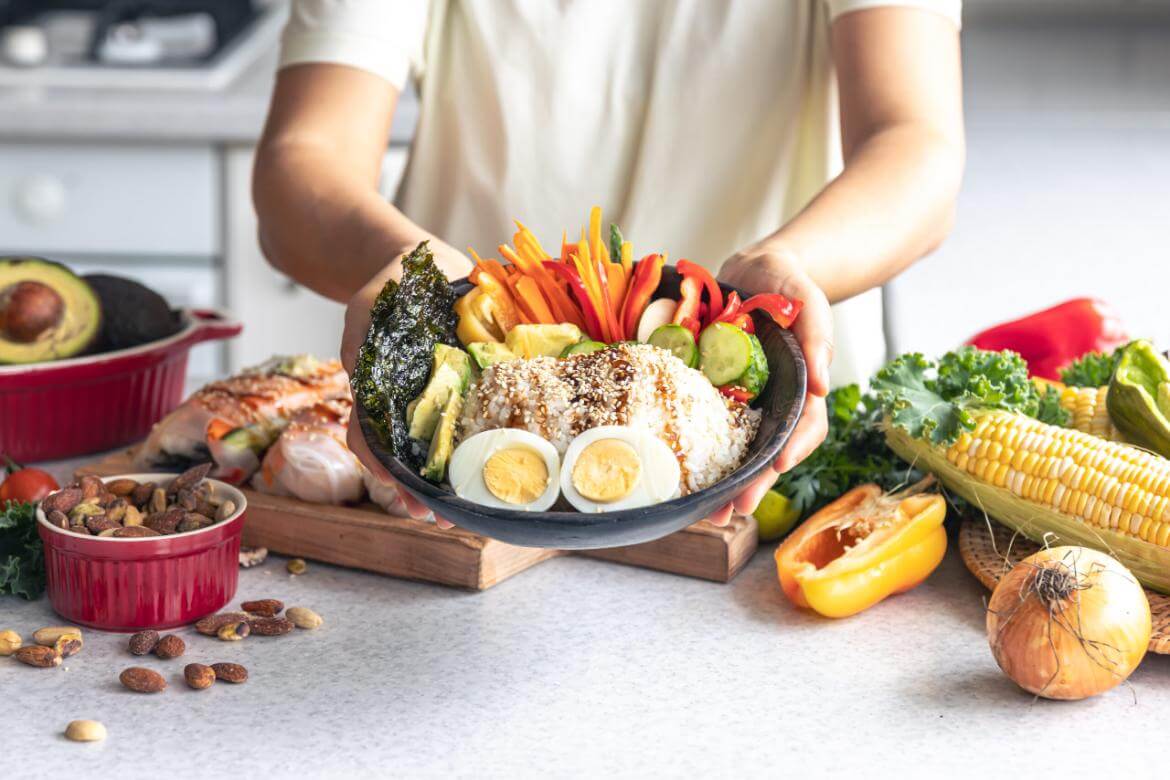
What are the Foods That Keep You Full During Ramadan?
Staying healthy and managing your weight while fasting during Ramadan is crucial. The value of water and nutrients is most recognized during this period, and following some recommendations is key to a healthy fast. These filling foods, when consumed in moderation during Ramadan, can increase feelings of fullness and provide energy throughout the day. It's also important to balance different foods at each meal and drink enough water.
Foods That Keep You Full During Ramadan?
During Ramadan, filling foods can provide energy throughout the day, reduce hunger, and help you stay full between iftar and sahur. Here are some foods that will keep you full during Ramadan:
- Whole wheat pasta
- Bulgur pilaf
- Whole grain bread
- Oatmeal
- Egg
- Fish
- Almonds and Hazelnuts
- Dried Fruits
- Chicken or Turkey
- Local Vegetables
Consuming these filling foods will help you feel full during the long hours of fasting. However, it's important to note that while pide can replace eight slices of bread, its white flour content can make you feel hungry quickly. Including vegetables or meat in cooked meals, along with protein-rich foods like yogurt or tzatziki, will also help you stay full. By eating this way, you can maintain your energy levels throughout Ramadan and fast healthily.
Stay Full with the Right Choices
Consuming sugary foods, plenty of fruit, or foods containing white flour during iftar can keep you full for a very short time. Therefore, foods like pastries, boiled potatoes, rice, and pasta, eaten to fill you up, can quickly cause hunger to return. It's more appropriate to consume sugary drinks, milk desserts, and flour-based foods as snacks. Consuming fat is also important for staying full. Therefore, choosing healthy fat sources like avocado and olive oil can help you stay full.
Choose Unsweetened Fruit Compote Instead of Fruit Juice
Instead of fruit juice for suhoor, opting for unsweetened fruit compote can help prevent hunger pangs throughout the day thanks to its high liquid and fiber content. Whether you're opting for compote or whole fruit, fruits like pears, apples, cherries, peaches, dried apricots, and grapefruit, which have a slower blood sugar level, are especially recommended. These fruits can help keep you full and maintain a balanced energy level throughout the day.
Beware of Carbonated Drinks!
Consuming acidic beverages after a prolonged fast can damage stomach tissue. Soda and sugary drinks can strain the digestive system. Due to the sugar they contain, blood sugar rises rapidly after a prolonged fast, leading to excess insulin secretion and triggering fat storage. This can directly lead to weight gain. Furthermore, excessive consumption of caffeinated beverages can cause symptoms such as insomnia, palpitations, and heart rhythm disturbances. For the same reason, it's recommended to limit consumption of beverages like tea and coffee. For these reasons, it's important to be mindful of your carbonated and caffeinated beverage consumption to protect your health.
Highly Sugary and Highly Salty Foods Increase Hunger and Thirst
Foods high in simple sugars during suhoor and iftar can rapidly raise blood sugar levels, leading to intense hunger. Therefore, it's best to choose foods that contain complex carbohydrates. Whole-grain foods like whole-wheat, rye, or whole-wheat bread, brown rice, whole-wheat pasta, as well as vegetables and fruits, can help you feel full for longer.
Additionally, high-salt foods can disrupt fluid and electrolyte balance, increasing thirst throughout the day. Therefore, excessive salt consumption should be avoided, and daily salt intake should be moderate. Drinking plenty of water is important to reduce thirst. This way, a healthy diet can minimize both hunger and thirst.
What should be done to have a healthy Ramadan?
Things to do to have a healthy Ramadan:
- It's important for those with chronic illnesses to discuss their cholesterol and sugar intake with a dietitian. This will help create a nutritional plan tailored to their individual needs.
- Heavy, fatty, and fried foods should be avoided during iftar. Instead, opt for light, easily digestible foods. Consuming breakfast foods during suhoor is a healthy fasting practice.
- Protein sources such as lean beef or grilled chicken can be chosen two days a week. Processed meats should be avoided.
- Those who exercise regularly can choose protein sources such as eggs at sahur.
- Consumption of solid fats should be avoided, and milk and dairy products should be preferred as semi-skimmed.
- Care should be taken to consume high-fiber foods. Choose foods high in fiber, such as rye and whole-grain bread, brown pasta, bulgur, and brown rice.
- Among fruits, fibrous ones such as peaches and apricots should be preferred.
- It is important for those with chronic diseases to stay away from fatty and sugary desserts.
- Elderly cholesterol patients can fast by paying attention to what they eat, provided they do not have another disease accompanying high cholesterol.
Its filling nutrients can help you have a healthy Ramadan. However, because each individual's health conditions and needs are different, personal health conditions and doctor's recommendations should be taken into consideration.
