


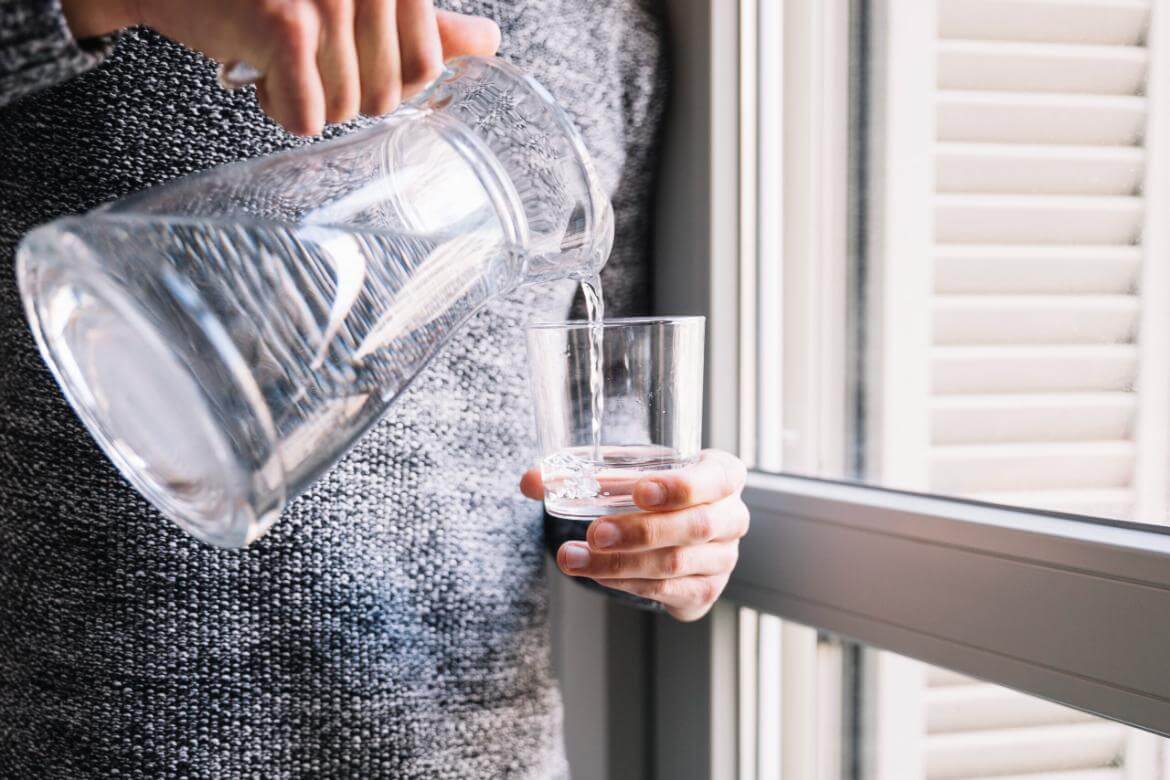
Harms of Drinking Too Much Water
Drinking water is vital for kidney health, and the human body is largely composed of water. Some of the water consumed throughout the day is excreted through sweat and urine.
However, there are some important points to consider regarding water consumption. While water is essential for the body, excessive drinking can also be harmful. Therefore, care should be taken to ensure that daily water intake is not excessive. To avoid the harmful effects of excessive water consumption, the amount consumed should be monitored.
How Many Liters of Water Should You Drink Per Day?
Daily water intake can vary depending on a person's age, gender, body weight, physical activity level, climatic conditions, and health status. Generally, it's recommended that an adult drink approximately 2 to 3 liters of water per day. However, this amount can vary depending on an individual's characteristics and lifestyle.
People who are physically active or live in hot climates may need more water. Women who are pregnant or breastfeeding should also increase their water intake. However, it's not always a sign of thirst. Feeling thirsty can be a sign that the body needs water, so it's important to drink water regularly, regardless of thirst.
However, drinking too much water can also be harmful. Excessive water intake can lead to electrolyte imbalances, hyponatremia (low sodium levels), and other health problems. Therefore, it's important to maintain a balanced water intake and meet the recommended daily water intake.
Recommendations for Daily Water Consumption
Approximately 2-3 liters of water are lost daily through sweating, breathing, urinating, and other activities. Under normal circumstances, this loss can be replaced by drinking an average of 2-2.5 liters of water per day, or approximately 10-12 glasses of water. It is also recommended to drink an additional glass of water for every 10 kilograms of weight gain.
However, drinking too much water can also be dangerous to your health. Under normal circumstances, excessive water consumption can overwork your kidneys and disrupt the balance of sodium, potassium, and other minerals in your body. This can negatively impact all bodily functions. Therefore, it's important to manage your daily water intake by limiting it to no more than 2-3 liters.
Harms of Drinking Too Much Water
There's a lot of conflicting information about the harmful effects of drinking too much water. Consuming too much water can cause damage to brain cells. Swelling can put pressure on the skull, causing symptoms of water intoxication.
Water intoxication is a highly dangerous condition for human health. As a result, brain function can be impaired, and sodium levels in the blood begin to drop. This drop in sodium levels causes body fluids to move into cells, causing them to swell and jeopardize a person's health.
People who consume too much water may experience symptoms such as frequent urination, extreme fatigue, and diarrhea. Therefore, it's important to monitor daily water intake and ensure you drink the recommended amounts. Additionally, drinking water whenever you feel thirsty and consuming water regularly before you experience signs of dehydration can also support healthy hydration.
What are the Harms of Drinking Too Much Water on an Empty Stomach?
Drinking too much water on an empty stomach can dilute stomach acid and cause stomach upset. This can cause heartburn, nausea, or abdominal pain. Drinking too much water on an empty stomach can cause the stomach to empty quickly. This can prevent food from being digested quickly and can have negative effects on the digestive system. The harmful effects of drinking too much water on an empty stomach can cause the stomach to empty quickly. This can prevent food from being digested quickly and can have negative effects on the digestive system. The harmful effects of drinking too much water can disrupt the body's electrolyte balance. Drinking water, especially on an empty stomach, can lower sodium levels in the bloodstream, increasing the risk of hyponatremia.
Health Benefits of Stopping Drinking Too Much Water
While drinking water is vital, just as drinking too much water can be harmful, drinking too little can also have negative health effects. Excessive water consumption carries serious risks, such as water intoxication. Therefore, drinking the necessary amount of water is crucial for a healthy life.
The health benefits of stopping drinking too much water include:
Reduced risk of water intoxication:
Drinking too much water can lower sodium levels in the body and cause water intoxication. It's important to control your water intake to prevent this.
Supporting kidney health:
Drinking the required amount of water ensures proper functioning of the kidneys and helps flush toxins from the body.
Maintaining electrolyte balance:
Adequate water consumption helps maintain electrolyte balance in the body and ensures proper functioning of muscles, nerves and other body systems.
Improving the digestive system:
Adequate water consumption supports the proper functioning of the digestive system and can prevent or reduce digestive problems.
Improving skin health:
Water helps moisturize the skin and contributes to a healthy skin appearance.
However, excessively reducing water intake also poses health risks. Maintaining a balanced water intake is important, and daily water intake can vary depending on a person's age, gender, physical activity, and environmental conditions.
Causes of Excessive Water Desire and Symptoms of Water Intoxication
There are many different reasons for excessive water cravings. This urge to drink water can increase, especially after consuming fatty or spicy foods, in hot weather, or after intense exercise. This increase is usually temporary and generally doesn't pose a health risk.
However, in some cases, thirst becomes severe and doesn't go away even with water. In this case, there may be a serious underlying health problem and it's necessary to consult a specialist. Persistent thirst despite drinking water can be caused by serious health issues such as dehydration, diabetes, hyperglycemia, heart, liver, or kidney failure, and sepsis.
Excessive water cravings and other related problems may not be resolved simply by restricting water intake. However, a serious condition such as water intoxication can also occur. Common symptoms of water intoxication include headache, nausea, and vomiting.
Therefore, in case of excessive thirst and desire to drink water, it is important to consult a health professional to identify any underlying health problems and take the necessary precautions.
Damage to Organs from Drinking Too Much Water
Drinking too much water can harm various organs in the body. However, it's known that the most significant harm from excessive water consumption can be to the brain. Brain damage from excessive water consumption includes cerebral edema and swelling of brain cells.
These brain injuries can lead to serious health problems and even be fatal. Furthermore, intracranial pressure caused by excessive water consumption can also lead to various illnesses.
However, consuming too much lemon water can also be harmful. Lemon juice is acidic, and excessive consumption can irritate the stomach and lead to stomach upset.
Ultimately, as with everything else, it's important to maintain a balanced water intake. Excessive water intake can disrupt the body's water balance and damage various organs. Therefore, it's important to pay attention to your daily water intake and maintain a healthy lifestyle.
It's Important to Stay Moderate: Avoid Excessive Water Consumption
Replenishing lost water is essential for your health. However, it's also important to avoid overdoing it. Drinking less water than you need can lead to health problems, while drinking too much can be harmful.
To determine your daily water intake, you can consult your doctor or use mobile apps that calculate your daily water intake based on your age, gender, and weight. If you exercise or consume a lot of water and find that you're not thirsty or that your thirst has subsided, you should avoid unnecessary water consumption. Your urine color can also be a useful indicator of water intake; pale yellow urine can indicate that you're getting enough water.
How Much Water Should We Drink According to Our Age?
The recommended daily water intake may vary depending on age. In general, the body's water needs may decrease with aging. General information on the recommended daily water intake based on age:
- Children (ages 1-8): Children generally lose water more quickly than adults and lead active lifestyles. Therefore, the recommended daily water intake for children may vary depending on their age and activity level. However, in general, children ages 1-3 should drink approximately 1-1.3 liters of water, and children ages 4-8 should drink approximately 1.3-1.7 liters.
- Adults (ages 19-64): The recommended daily water intake for adults is approximately 2.7 liters (about 11 cups) for women and 3.7 liters (about 15 cups) for men. This amount may vary depending on lifestyle, activity level, climate conditions, and weight.
- Elderly (ages 65 and older): Elderly people often lose the ability to retain water and may be at increased risk of dehydration. Therefore, daily water intake for older adults is generally similar to that of adults, but may vary depending on age and health.
Individual water needs vary across age groups, so general recommendations may not be suitable for everyone. Therefore, it's important to determine your personal water intake by paying attention to your body's signs of dehydration and consulting with your doctor.
