


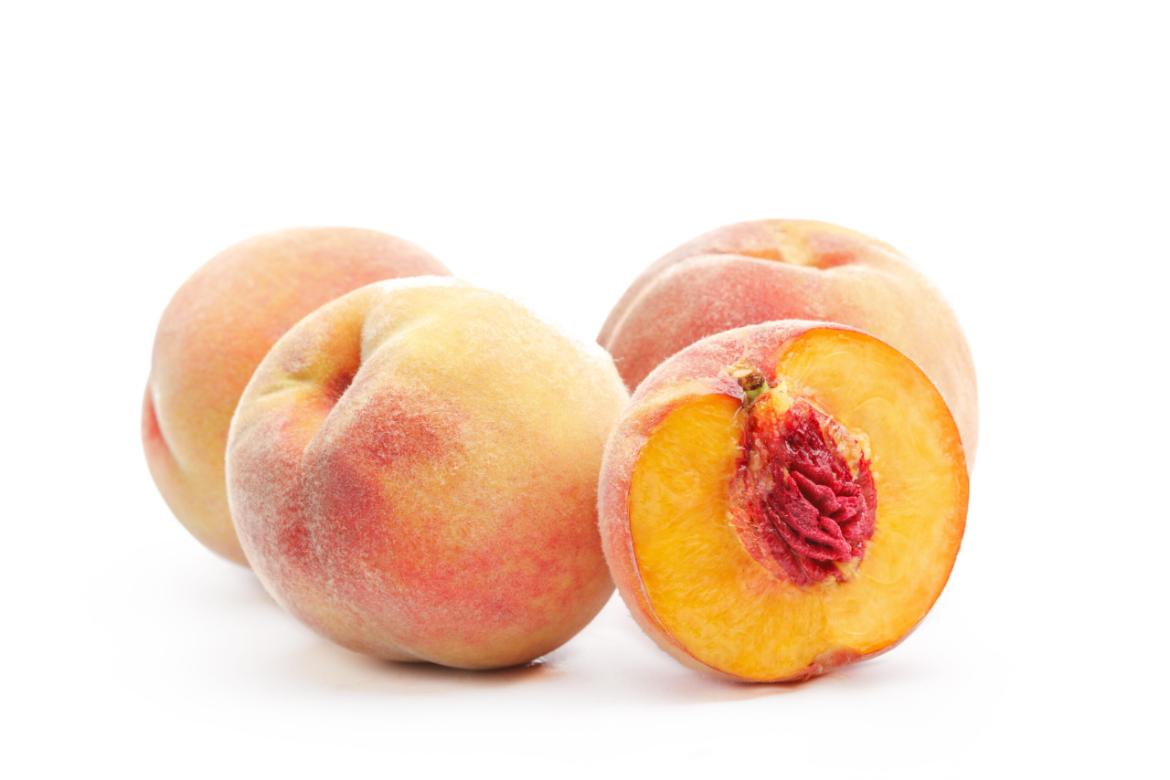
What are the benefits of peaches?
Benefits of Peaches
Peaches belong to the stone fruit family, along with apricots, plums, nectarines, and cherries. These fruits typically grow in warm and temperate climates. Peaches are known not only for their delicious taste but also for their numerous health benefits.
The vitamins found in peaches help support the digestive system. Their rich fiber content supports intestinal health by regulating the digestive process.
Peaches also contain important nutrients that strengthen the immune system. Rich in vitamin C, they support healthy immune system function by fighting free radicals in the body.
Peaches may also be beneficial for a healthy heart. They may support heart health because they contain antioxidants and help regulate cholesterol levels.
Therefore, consuming peaches regularly is a great way to maintain overall health and benefit from various vitamins and minerals. The benefits of peaches are countless.
Nutritional Value of Peaches?
Peaches are known as a fruit rich in many vitamins and minerals. The nutritional values of one medium-sized peach (147 g) are as follows:
- 50 calories
- 0.5 grams of fat
- 0 grams of cholesterol and sodium
- 15 grams of carbohydrates
- 13 grams of sugar
- 2 grams of fiber
- Contains 1 gram of protein
At the same time, peaches meet 6% of the daily vitamin A needs and 15% of the daily vitamin C needs. One medium-sized peach also contains 2% or more of the daily vitamin E and K, folate, iron, potassium, magnesium, phosphorus, manganese, zinc, and copper.
This rich nutritional profile makes peaches an important part of a healthy diet. Their fiber content supports the digestive system, while their vitamins and minerals contribute to proper bodily functions. Peaches are a low-calorie and nutritious option that can help support overall health.
What are the benefits of peaches?
Peaches have many health benefits. Here are the benefits of peaches
- Antioxidant Content: Peaches are rich in antioxidants. These antioxidants prevent cell damage by fighting free radicals in the body. This property may slow the aging process and protect against diseases like cancer.
- Contributing to gut health: Peaches are a fruit rich in fiber. Fiber supports the digestive system, improves intestinal health, and prevents constipation. Its prebiotic properties also nourish beneficial gut bacteria.
- Supports heart health: Peaches' high potassium content helps improve heart health. Potassium can reduce the risk of hypertension by regulating blood pressure and keeping cholesterol levels under control.
- Strengthens the immune system: Peaches contain antioxidants such as vitamin C, polyphenols, and carotenoids. These nutrients strengthen the immune system and may increase resistance to disease.
- Supports skin health: Peaches contain vitamins A and C, which can improve skin health. Antioxidants can reduce signs of aging and protect skin by fighting free radicals in the skin.
- Iron content: Peaches are also rich in iron. Iron contributes to the production of hemoglobin in the body, which helps transport oxygen. This can increase iron levels in the body.
- Helps in healthy weight loss: Being low in calories and rich in fiber, peaches can help in healthy weight loss by providing a feeling of satiety.
Peaches are a nutritious fruit that offers many health benefits beyond their delicious flavor. However, if you have any concerns about any health conditions or dietary changes, it's important to speak with a healthcare professional.
How to Consume Peaches?
Peaches are a versatile fruit and can be enjoyed in a variety of ways. Here are some examples of different ways to use peaches:
- Fresh and natural: You can wash and peel peaches and eat them fresh. Slice or dice them and add them to salads or make fruit salads.
- Fruit salad: Combine peaches with other fruits to make a delicious fruit salad. Add a squeeze of lemon juice for a fresh flavor.
- With yogurt: You can add peach slices or puree to yogurt for a nutritious and delicious breakfast or snack.
- Smoothie: Blend peaches and add them to a smoothie. Mix them with yogurt, milk, or fruit juice for a nutritious drink.
- Ice cream and sorbet: You can use peach puree to make ice cream or sorbet. It's a great ice cream alternative.
- Jam and marmalade: You can use peaches to make jam or marmalade. This way, you can enjoy them all year round.
- Grill or bake: Peaches can be sliced and lightly sprinkled with sugar or honey, then baked or grilled. Served warm, they make a particularly sweet garnish.
- Peach drinks: Peach juice can be used in smoothies or cocktails. You can flavor it with mint or lemon if you like.
- Preserves and compotes: You can prepare peaches as preserves, jams or compotes and use them during the winter months.
Remember that peaches can vary in season, so using fresh, seasonal peaches can enhance flavor. It's also important to keep processing or cooking methods to a minimum, if possible, to preserve the fruit's health benefits.
What are the benefits of consuming peaches during pregnancy?
Consuming peaches during pregnancy can be a healthy food option. Benefits of consuming peaches during pregnancy:
- Low-calorie and nutritious: Peaches are a low-calorie fruit and can help with weight control during pregnancy. They also provide important nutrients during pregnancy thanks to their vitamin and mineral content.
- Potassium content: During pregnancy, potassium can regulate fluid balance in the body and, in particular, reduce the risk of hypertension. Peaches, rich in potassium, can help maintain this balance.
- Coping with muscle cramps and fatigue: Potassium is important for muscle function. Consuming peaches can be beneficial for coping with muscle cramps and fatigue that develop during pregnancy.
- Digestive health: Peaches support the digestive system thanks to their high fiber content. They can alleviate constipation, a common problem during pregnancy, and increase intestinal motility.
- Reducing the risk of gestational diabetes: Consuming peaches can help manage calorie intake and the risk of gestational diabetes during pregnancy. Their low glycemic index can help regulate blood sugar.
However, every pregnancy is different, and nutritional needs may vary depending on individual health conditions. Therefore, it's important to consult a healthcare professional about nutrition during pregnancy. Furthermore, when consuming peaches or other fruit, it's important to keep portions moderate and maintain a balanced diet that includes a variety of nutrients.
Peach Selection and Storage
Peach selection and storage are important steps. Tips to consider when selecting and storing peaches:
Peach selection:
- Pay attention to the smell: Smell is important for determining the ripeness of a peach. A sweet, ripe peach will have a pleasant fragrance. A lack of odor or an unpleasant odor may indicate that the peach is unripe or of poor quality.
- Check the skin: The peach's skin should be smooth. Avoid cracked, wrinkled, or blemished skin. The skin color may vary depending on the type of fruit, but it should be smooth and a color that matches the type of peach you chose.
- The zip touch: Gently squeeze the peach. If it feels slightly soft, it's ripe and ready. However, if it feels too soft or watery, it may be over-ripe.
- Check the weight: Weight can be an indicator of water content. Heavier peaches are generally juicier and more flavorful.
Storing Peaches?
- Ripening at room temperature: Peaches can ripen at room temperature. However, once ripe, they can be stored in the refrigerator.
- Refrigerate: Storing ripe peaches in the refrigerator can help them maintain their ripeness, enhance their health benefits, and keep them fresh. However, peaches stored in the refrigerator may not taste as sweet as those at room temperature.
- Airtight containers: Storing unripe peaches in an airtight container at room temperature multiplies the benefits of peaches and allows them to ripen naturally.
- Preserving as juice or jam: You can use up over-ripe peaches by making juice or jam.
These tips will help you choose and store quality, fresh fruit when buying peaches.
How much peach should be consumed?
The amount of fruit, such as peaches, consumed can vary depending on an individual's overall health, age, gender, activity level, and other nutritional needs. However, the recommended daily amount of fruit for a generally healthy adult is two servings. One serving of fruit typically includes one medium-sized peach or one cup of chopped peaches.
Peaches can be an important part of a balanced diet because they are a low-calorie, high-nutrient fruit. However, excessive consumption should be avoided because, like all fruits, peaches naturally contain sugar. Individuals with sugar metabolism issues or those at risk of diabetes should be especially cautious when consuming peaches and other fruits.
In addition, special conditions such as pregnancy and breastfeeding may also affect an individual's nutritional needs, so those in these situations should consult their doctor about consuming appropriate amounts of peaches.
