


Benefits of Olive Oil
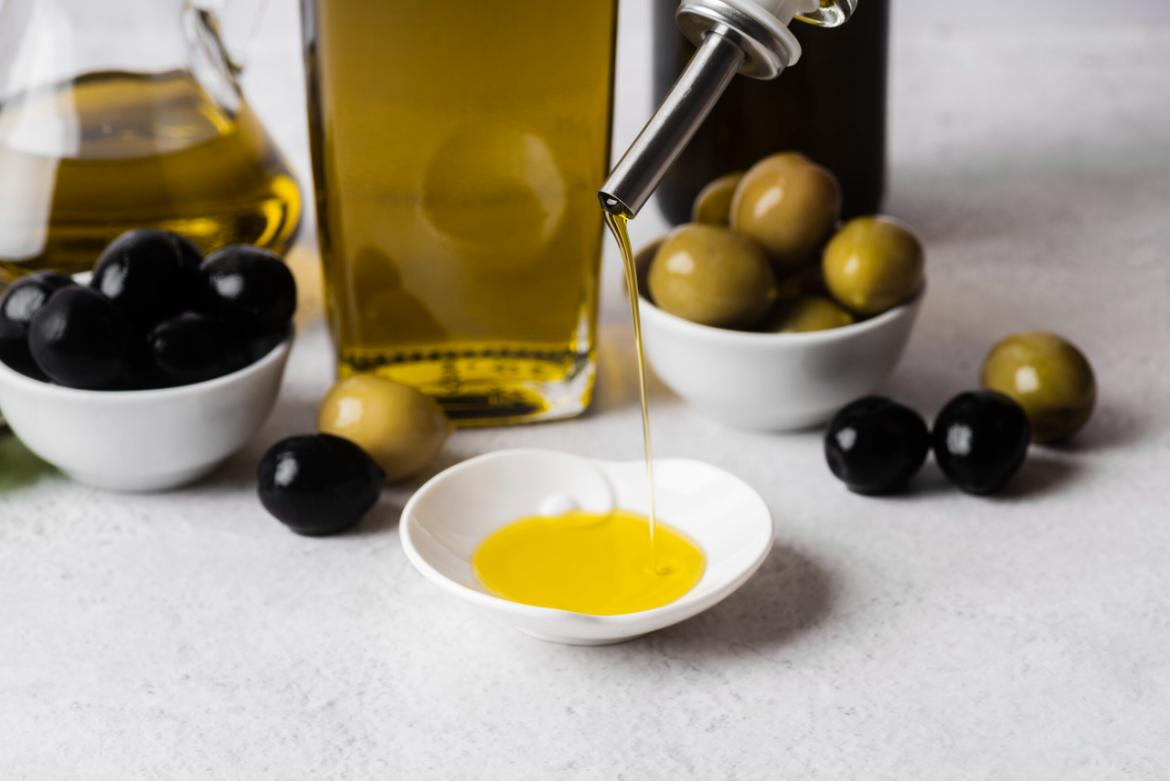
Olive oil is a vegetable oil with a long history and widespread use in cooking. Considered a fundamental element of the Mediterranean diet, it stands out for its delicious flavor and health benefits.
This oil's health benefits include reducing the risk of heart disease, offering antioxidant properties, relieving inflammation, supporting brain and vascular health, and protecting against cancer. Additionally, olive oil is preferred for its moisturizing and nourishing properties in hair and skin care.
Olive oil is obtained by pressing or squeezing the olive fruit. The resulting mixture undergoes a separation process and is transformed into olive oil. Olive oil produced through cold-pressing or extra virgin methods is less processed and has a more intense flavor and nutritional content. For this reason, it is generally the highest quality olive oil preferred. Frequently used in traditional cuisines and many dishes in the Mediterranean region, olive oil is considered a highly nutritious oil.
How is olive oil obtained?
Olive oil production involves the processing and pressing of olive fruits. The following steps are generally followed to obtain olive oil:
- Olive harvest: Olives are harvested when ripe, either manually or mechanically. Harvesting times may vary depending on the olive variety, ripeness, and type of oil to be used.
- Cleaning: The collected olives are washed and cleaned to remove leaves and other foreign matter.
- Grinding: The cleaned olives are ground. While traditional methods use large stone mills, modern facilities use grinders or blade mills. This process reduces the olives to a paste.
- Pressing: The pulped olives are subjected to a pressing process to separate their oils. In this step, the oil is extracted using pressure or other methods.
- Separation: The resulting mixture is left to stand for the oil and water to separate. During this process, the oil rises to the surface and is collected.
- Filtration: The collected oil is subjected to a filtering process to remove sediment and residue.
- Storage: The resulting olive oil is stored under appropriate conditions. It is generally kept in a dark, cool environment.
These steps represent common processes used for olive oil production. The methods and stages used in production may vary from producer to producer and region to region.
What are the health benefits of olive oil?
Olive oil is a vegetable oil rich in health benefits. Here are some of the most prominent health benefits of olive oil:
- Heart health: Olive oil is rich in monounsaturated fatty acids, which can balance cholesterol levels and reduce the risk of cardiovascular disease. Containing polyphenolic compounds, olive oil may support vascular health and blood pressure.
- Antioxidant properties: Thanks to its antioxidant content, olive oil can prevent cell damage by fighting free radicals. This can reduce signs of aging and protect against disease.
- Anti-inflammatory effects: Thanks to the oleocanthal compound it contains, olive oil can reduce inflammation in the body and reduce the risk of diseases related to chronic inflammation.
- Digestive health: Olive oil can improve the digestive system by promoting the secretion of digestive enzymes. It can also reduce the risk of constipation and maintain intestinal health.
- Reducing the risk of cancer: Regular consumption of olive oil can prevent the growth of cancer cells and have a protective effect against some types of cancer, thanks to its antioxidant properties.
- Brain health: Olive oil, with its polyphenolic compounds, may reduce oxidative stress in the brain and support cognitive functions, which can improve memory, focus, and thinking skills.
Olive oil is known as an essential part of a healthy lifestyle and can offer many health benefits when consumed regularly. However, it's important to consult a qualified healthcare professional when considering any health condition or dietary changes.
What are the benefits of olive oil for skin?
The benefits of olive oil for the skin are extensive. Here are some of its positive effects:
- Moisturizing effect: Olive oil penetrates deeply into the skin, increasing its moisture level. Thanks to its natural oil content and vitamin E, it nourishes and moisturizes the skin, leaving it soft, supple, and looking younger.
- Antioxidant protection: Olive oil contains powerful antioxidants. It can help the skin combat oxidative stress and reduce damage caused by free radicals, which helps keep skin youthful and healthy.
- Anti-aging effect: Olive oil can help reduce fine lines and wrinkles. Its anti-aging properties help tighten and rejuvenate skin.
- Anti-inflammatory effect: Thanks to its oleic acid content, olive oil can reduce inflammation in the skin. This property contributes to the healing of skin problems such as acne, eczema, and dermatitis.
- Wound healing: Olive oil can accelerate the healing of skin wounds. Its antioxidant properties support wound healing and may help reduce scarring.
- Anti-acne: Olive oil-based soaps can help clear acne by fighting bacteria. They can also moisturize the skin and prevent it from drying out.
- Sun damage reduction: Olive oil can reduce sun damage thanks to its vitamin E content. It can protect skin from sunburn and provide resistance to harmful sun rays.
Olive oil is a natural and effective skin care product. However, because skin type and sensitivity can vary from person to person, it's important to consult a dermatologist if you experience any skin reactions.
Benefits of olive oil on hair
Olive oil has a wide range of benefits for hair, and when used correctly, it can contribute positively to hair health. Some of the benefits of olive oil for hair include:
- Moisturizing and nourishing hair: Olive oil deeply moisturizes and nourishes hair. It prevents hair from drying out, leaving it softer and more flexible.
- Supporting hair growth: Olive oil can promote hair growth by penetrating the hair follicles. It nourishes the scalp and strengthens the hair follicles, which can promote healthier and faster hair growth.
- Strengthening hair: Olive oil can help strengthen hair by penetrating the hair shaft. This can reduce breakage and hair loss, helping to promote healthier, stronger hair.
- Adding shine to hair: Olive oil can add a natural shine to hair. It can smooth the surface of hair strands and make them shine.
- Repairing split ends: Olive oil can reduce split ends and damage, helping hair achieve a smoother, healthier appearance.
- Reducing dandruff: Olive oil can reduce dandruff and promote scalp health by moisturizing the scalp.
Before using olive oil in hair care, it's important to test a small amount on your skin to ensure there's no allergic reaction and to ensure you wash it out thoroughly with shampoo. Furthermore, using olive oil according to your hair type and needs can help you achieve the most effective results.
Nutritional value of olive oil
Olive oil is a type of oil that generally contains healthy fats and offers a range of nutritional values. The nutritional values of one tablespoon (approximately 13.5 grams) of olive oil are:
- Calories: 120
- Protein: 0 grams
- Fat: 14 grams
- Saturated fat: 2 grams
- Monounsaturated fatty acids: 10 grams
- Polyunsaturated fat: 1.5 grams
- Carbohydrates: 0 grams
- Fiber: 0 grams
- Sugars: 0 grams
Olive oil is particularly rich in monounsaturated fatty acids (e.g., oleic acid). It's also an important way to obtain fat-soluble nutrients like vitamins A, D, E, and K. These vitamins play a vital role in various bodily functions, including immune system health, bone health, and eye health. Its lower saturated fat content makes it a preferred oil for maintaining heart health.
Can you drink olive oil?
Olive oil is not generally consumed as a drink because it has an intense flavor and oily consistency. It is typically used in cooking, salads, and sauces. However, in some cultures or for specific health reasons, olive oil can be consumed in moderation. However, if you choose to drink olive oil, it's important to consume it carefully and in moderation. The benefits of drinking olive oil are similar to those of other forms of consumption.
Does olive oil help with weight loss?
Olive oil, thanks to its monounsaturated fatty acids, can help control appetite and contribute to weight loss by promoting satiety. However, olive oil alone is not a weight-loss solution. When consumed in conjunction with a balanced diet and regular exercise, it can have positive effects on weight management. However, it's important to consult a healthcare professional or dietitian before considering any weight loss or diet. Healthcare institutions like Private Magnet Hospitals offer professional nutrition and diet counseling services.
How to store olive oil?
Correct storage conditions are important to preserve the freshness and quality of olive oil:
- A cool, dark place: It's important to store olive oil in a cool, dark place, away from direct sunlight. Heat can negatively impact the quality of olive oil, so temperature control is crucial.
- Airtight and light-tight containers: It's ideal to store olive oil in glass or a dark-colored bottle that's airtight and light-tight. This can prevent the oil from oxidizing and losing its quality.
- The lid should be tightly closed: The olive oil bottle cap should be tightly closed after each use. This will limit the oil's contact with air and prevent oxidation.
- Store away from heat: Olive oil can lose its quality when exposed to heat, so it's important to store it away from heat sources like stovetops or ovens.
Olive oil can maintain its freshness and nutritional value for longer when stored under these conditions.
