


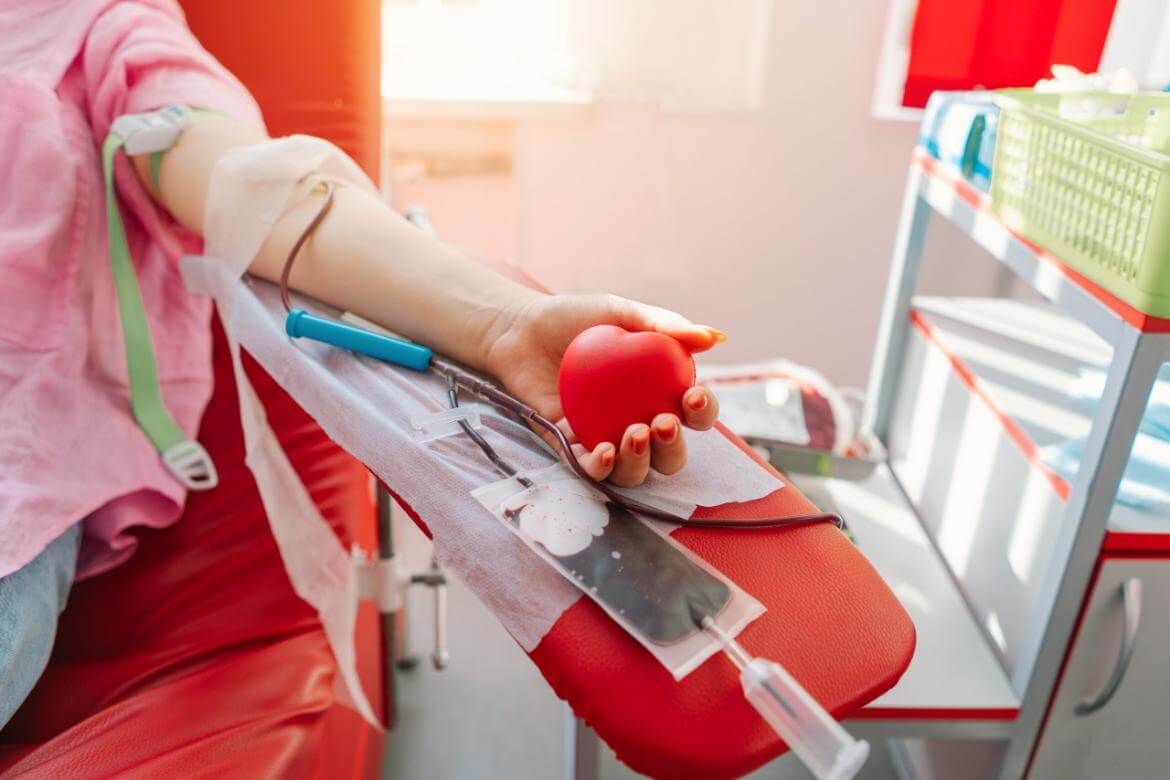
What are the benefits and health benefits of donating blood?
Every day, thousands of people need blood donations due to various health issues or urgent needs. In this context, it is crucial for healthy adults to donate blood regularly. People with many illnesses cannot produce enough blood on their own and therefore require regular blood donations throughout their lives.
It's also known that blood donation provides health benefits to donors by regenerating cells and creating a healthier and stronger body. Therefore, it not only benefits those in need but also the donors' own health. This important activity supports the overall health of society and can save lives in emergencies.
How is blood donated and what are the procedures done beforehand?
It's important to understand that everyone may need to donate blood at some point and to donate blood regularly. However, certain steps must be taken before donating blood:
- Form completion: First, the donor is asked to fill out a form with specific information, including general health, travel history, and any other factors that may prevent them from donating blood.
- Physical examination: The donor will undergo a physical examination by a healthcare professional. This examination is intended to identify any health issues that may prevent them from donating blood.
- Blood collection and tests: After a physical examination, the donor's blood is collected. This blood is used for various tests. These blood tests evaluate the donor's blood type, hemoglobin level, and other important parameters.
- Transfer to the donor bed: If the blood tests show no problems, the donor is transferred to the donor bed and the blood collection process begins. This process usually takes less than 15 minutes.
- Rest period: After the blood donation process is completed, the donor is asked to rest for 10-15 minutes to balance the amount of blood in their body and to prevent possible side effects.
Blood donation is a process that includes these steps, and each step is meticulously implemented for the health of both the donor and the safety of the person receiving the blood.
Who Can Donate Blood?
It's important for individuals who wish to donate blood to meet certain health criteria. General criteria for donating blood include:
- Age: Individuals between the ages of 18 and 65 are generally eligible to donate blood. This age range may vary in some countries or organizations.
- Weight: People weighing 50 kg or more can donate blood. This is important for the person's overall health and the safety of the donation.
- Hemoglobin level: A person wishing to donate blood must have hemoglobin levels above a certain level. This ensures the blood's carrying capacity and the safety of the donation.
- Health status: The donor must be free of any existing illness or contagious conditions. They must also not have had an infection in the past few weeks.
- Gender: Gender may be important in some cases. Because women generally have lower iron stores, blood donation eligibility may be checked at regular intervals.
Individuals who meet these criteria can donate blood regularly. This is an important step in both helping others and protecting their own health. However, because every situation is unique, it is important for those wishing to donate to share their past health history and current circumstances with their healthcare professional.
What are the health benefits of blood donation and giving blood?
Knowing that everyone may need blood at some point in their lives, regular blood donations offer a number of benefits, both helping others and positively impacting our own health. Some of the positive health effects of blood donation include:
- Reveals health problems: Tests performed before blood donation can reveal unknown health problems and provide early intervention.
- May reduce harmful iron stores: Regular blood donation can reduce excess and harmful iron stores in the body. It can help manage conditions that cause iron overload, such as hemochromatosis.
- May reduce the risk of heart attack: Donating blood at least once a year may reduce the risk of heart attack. Since high iron levels are thought to affect heart health, donating blood can help protect your heart by removing this iron.
- Anticancer effect: Blood donors have a lower risk of developing cancer. International studies have shown that regular blood donations reduce cancer risk.
- It can support liver health: Donating blood can be supportive for the liver, which is one of the organs affected by excess iron stores in the body.
- It can reduce stress and help with depression: Volunteering blood donation can reduce stress and have a positive effect on depression by increasing the feeling of helping other people.
- May lower high blood pressure: It has been observed that regular blood donation in people with high blood pressure tends to lower blood pressure over time.
These benefits highlight the importance of donating blood, not only to help others but also to protect our own health. However, everyone's health is different, so it's important to speak with a healthcare professional before donating blood.
What are the possible harms and side effects of donating blood?
Serious side effects from donating blood are generally rare for healthy adults, but some people may experience mild symptoms after donating. These symptoms are usually short-lived and mild and may include:
- Dizziness and weakness: Some people may experience dizziness or weakness after donating blood. This is usually short-lived.
- Nausea: You may feel nauseous after donating blood. However, this usually subsides within a few minutes.
- Pain or bruising at the injection site: Mild pain or bruising may occur at the injection site. These are usually harmless and resolve quickly.
In rare cases, the following more serious effects may also occur:
- Low blood pressure: A drop in blood pressure may occur after donating blood. This usually resolves with rest and fluid intake.
- Muscle twitching and shortness of breath: Some people may experience symptoms such as muscle twitching or shortness of breath. These are usually temporary and resolve on their own.
- Fainting and vomiting: Fainting and vomiting may occur rarely, especially in young, weak people or people donating blood for the first time.
These effects are generally mild and temporary, and are a painless experience for most donors. However, if any side effects occur, it's important for donors to contact their healthcare professional immediately. Drinking plenty of water, eating a healthy diet, and getting enough rest can minimize side effects for blood donors.
Who should not donate blood?
There are certain health conditions that make donating blood not recommended. The answer to the question of who should not donate blood can be summarized as follows:
- Hepatitis B and C patients: People with hepatitis B or C generally cannot donate blood.
- HIV/ AIDS patients: People with HIV (Human Immunodeficiency Virus) or AIDS cannot donate blood.
- People receiving malaria treatment: People receiving malaria treatment cannot donate blood during the treatment process.
- Patients with syphilis: Those who have had syphilis should not donate blood due to the risk of infection.
- Tuberculosis patients: Those with active tuberculosis cannot donate blood.
- People with epilepsy and neurological disorders: People with neurological disorders such as epilepsy should not donate blood due to the risk of uncontrolled seizures.
- Those with bleeding tendencies: Those with blood clotting problems or excessive bleeding tendencies cannot donate blood.
- Those with chronic bronchitis and kidney failure: Those with serious health problems such as chronic bronchitis or kidney failure generally cannot donate blood.
- Diabetes and insulin users: Diabetic patients using insulin are not recommended to donate blood.
These are just a few examples of situations where donating blood may be inappropriate due to a medical condition. However, every situation is different, and it's important for anyone considering donating to speak with their healthcare professional for clarification.
How many times a year can a person donate blood?
Blood donation frequency can vary, often depending on the policies of the country or blood donor organization. However, in many places, healthy individuals can typically donate blood several times a year. Typically, for an adult, this frequency can range from two to four times.
These blood donation frequency limits are determined by considering the potential impact of donation on the donor's health and the need to compensate for blood loss. These limits may also be implemented to allow for the donor's blood components and iron levels to recover.
What happens in the body when you donate blood?
Donating blood is a process that causes various physiological responses in the body. Some important changes that occur in the body after donating blood include:
- Cell regeneration: Donating blood triggers the regeneration of blood cells in the body. This process involves the production of new blood cells by the bone marrow.
- Blood pressure management: After donating blood, the body attempts to control blood pressure to compensate for blood loss. This is an adaptation process that affects the cardiovascular system.
- Regulating iron levels: Donating blood affects iron levels in the body. Iron is an essential mineral found in red blood cells. After donation, the body activates various mechanisms to compensate for this loss and restore iron levels to normal.
- Reduced risk of heart attack: Regular blood donation is thought to reduce the potential risk of heart attack caused by high iron levels. This may be related to controlling the amount of iron in the blood.
- Affecting the immune system: Blood donation does not affect the immune system of the recipient of the blood donated by the donor, but it has been reported that the donor's immune system may weaken for a while after donation.
An important point to remember is that blood donation is generally a safe and effective process when the donor is healthy. However, each individual's health is different, so it's important to consult with a healthcare professional before donating blood.
