


First Aid and What to Include in a First Aid Kit
First aid is the initial intervention given to a person injured or ill as a result of an emergency or accident until medical help arrives. This proper first aid practice can be vital. First aid, administered to prevent further deterioration, continues until comprehensive treatment is provided at the site of the injury. This intervention is performed without the use of medical devices or medication.
First aid is an intervention performed with available equipment; medical aid is not required. The primary goal of this procedure is to eliminate life-threatening situations, stabilize the injured person before their condition worsens, and ensure the continuation of vital functions. First aid plays a crucial role in the time it takes for healthcare professionals to arrive and can save lives in emergencies.
The importance of first aid
First aid is a vital practice in accidents, natural disasters, and similar emergencies where it may take time for paramedics to arrive at the scene. Proper first aid interventions in such situations can prevent a patient's condition from worsening and even save lives. First aid aims to maintain vital functions by utilizing basic health knowledge and skills.
Who can administer first aid?
It is important for those providing first aid to have a first aid certificate. Certified first aiders undergo specialized training to learn effective interventions in emergencies such as accidents, injuries, and poisonings. This training includes basic health knowledge and skills. Intervening with an untrained person could harm the victim and worsen their condition. Therefore, it is important for those providing first aid until medical assistance arrives to have a first aid certificate approved by the Ministry of Health.
What should a first aider do?
The primary goal of first aid intervention should be to alleviate the patient's fears and prevent the injury from worsening. It's also important to provide appropriate first aid for cases such as dislocations and sprains.
By maintaining a calm and composed demeanor, the first aider organizes the surroundings and assumes responsibility. By assessing the casualty's condition and acting without moving them or preventing them from becoming frightened, the first aider facilitates transport to the nearest healthcare facility.
At the same time, the first aider must maintain control at the scene and ensure accurate information is relayed to emergency responders when necessary. Communication skills and effective leadership are crucial in this process. A first aider's calm and deliberate action is crucial for effectively managing the incident and improving the casualty's well-being.
What are the main objectives of first aid?
The primary goal of first aid is to maintain the injured person's vital functions and prevent the deterioration of existing conditions by controlling vital conditions. It also aims to create a suitable environment for healthcare professionals to intervene more effectively.
What is the importance and contents of a first aid kit?
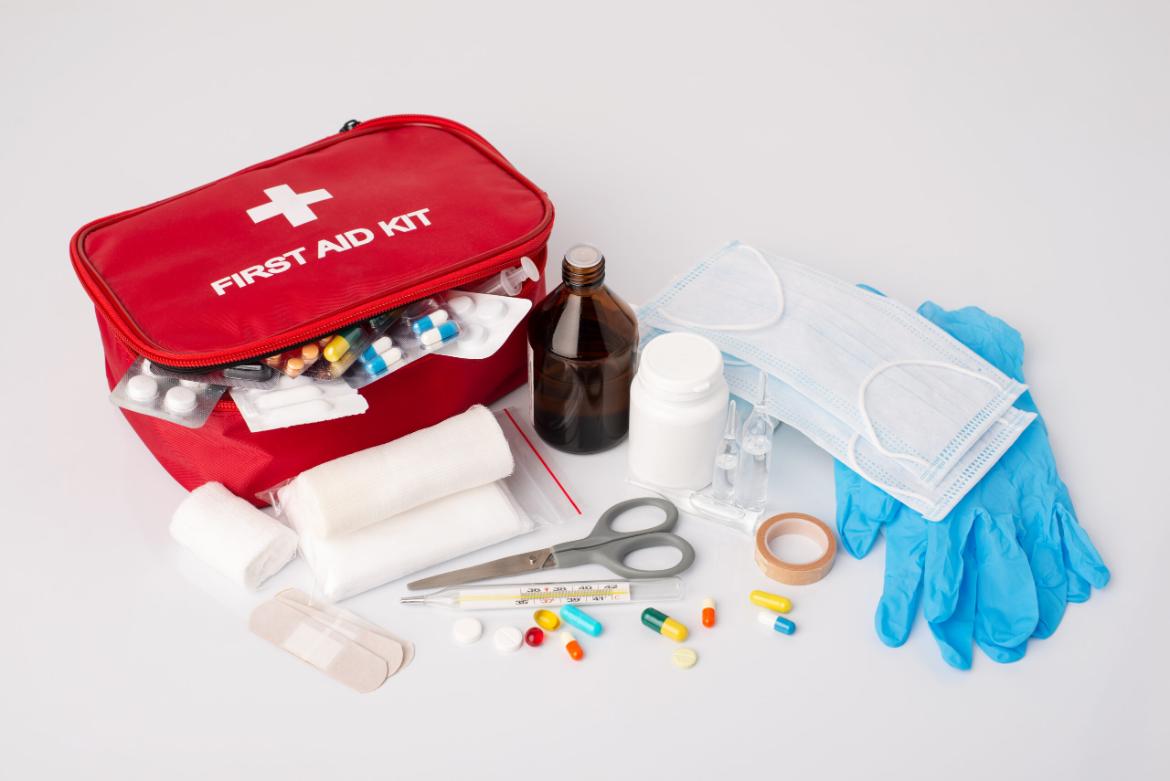
A first aid kit plays a critical role in accidents and is an emergency kit containing a variety of first aid supplies. This kit contains the necessary materials in case of an accident or emergency. A first aid kit, especially one kept in a vehicle, allows for quick and effective first aid in situations such as traffic accidents. Therefore, keeping a first aid kit in your vehicle is extremely important.
The contents of a vehicle first aid kit are designed to address a variety of emergencies, from simple cuts and injuries to more serious situations. This kit contains the essential first aid supplies and is vital in an emergency.
In summary, a first aid kit in a vehicle helps eliminate life-threatening situations by providing the materials necessary for a quick and effective response in emergency situations such as traffic accidents.
Basic items that should be in a first aid kit
The basic items that should be included in a first aid kit are:
- Sterile gauze and bandages
- Band-aids and wound-cleaning wipes
- Cotton
- Scissors
- Elastic bandages
- Antiseptic cream or ointment
- Tweezers
- Safety pin
- Thermometer
- Disinfectant
- Allergy medications and fever reducers
- Antibiotic cream
- Sterile gloves
- Painkiller
- Emergency blanket
- This
- Battery-powered flashlight
- Diapers and sanitary pads
- Artificial respiration mask
- A guide containing first aid instructions and basic first aid information
If you have a chronic condition or take any medications regularly, it's especially important to include these when preparing a special bag. Additionally, leaving a note explaining your health condition to assist emergency responders can be a valuable precaution. It's also important to regularly check your first aid kit and update its contents.
First aid application techniques
There are different first aid application techniques, and these techniques are generally taught during first aid training. One of the basic first aid application techniques is the ABC application technique. This technique consists of the following steps:
- Airway (A) Check: This step aims to control airflow into and out of the lungs. First, the casualty's mouth is checked for any foreign objects. If present, they are removed. Next, the casualty's chin is held up and their head is moved back, allowing them to breathe more easily.
- Breathing (B): In this step, a technique also known as "Look-Listen-Feel and Breathing Control" is applied. The casualty's head and chin are positioned, and the first aider listens for breathing for 10 seconds. During this time, the first aider places one hand on the casualty's chest, noting the temperature of the breath and chest movement.
- Circulation (C): After checking breathing and pulse, the casualty's blood circulation is examined. Skin color is observed to assess the presence of blood circulation. Consciousness is then assessed. Based on the victim's level of consciousness, the first aider assesses and performs interventions accordingly.
Basic first aid practices (FBA)
The basic first aid practices are called KBK (Protection, Notification, Rescue), and these steps play a critical role. The basic first aid practices are as follows:
- Protection: This primary step in basic safety practices aims to ensure the safety of injured parties. In the event of an accident, a key precaution can be taken by installing reflectors and warning lights around the area. This also prevents potential explosions or fires, thus preventing a chain reaction.
- Reporting: The first aid provider should maintain their composure and ensure safety before reporting to the appropriate healthcare unit. The emergency services should be called 112, and the location of the accident, the extent of the accident, and the injured party should be detailed. Details such as the number of injured, their ages, the extent of the injury, and whether they are conscious should be shared with healthcare professionals. The instructions of the healthcare team should be followed.
- Rescue: After the first two steps are completed quickly, the rescue phase begins. The person performing this intervention must be calm and attentive. First, the surrounding area must be organized, then the patient's consciousness and breathing must be checked. Injuries must be identified without moving the patient, and the patient must be prevented from seeing their own wounds. After the necessary interventions are completed, the patient's condition must be stabilized until paramedics arrive.
Why should we receive first aid training?
Here are some important reasons to get first aid training:
- Lifesaving skills : First aid training teaches you lifesaving skills. These skills allow you to intervene quickly and effectively in the event of an accident, saving lives.
- Emergency Response: First aid training teaches you how to respond appropriately in emergencies. In cases of accidents, sudden illnesses, or injuries, it's crucial to provide the correct response before medical professionals arrive.
- Ability to assist loved ones: After training, you'll be able to more effectively assist family members, friends, or anyone else in your community. This allows for quick and informed response in emergencies.
- Self-care skills: First aid training teaches you simple self-care techniques that will help you treat minor injuries and prevent them from getting worse.
- Community safety and cooperation: Individuals who receive first aid training can foster a general culture of safety and cooperation in society. Rapid and informed intervention in emergencies can improve overall community health.
- Supporting professional healthcare services: Individuals with first aid training can support professional healthcare services. Providing correct and effective first aid can help healthcare professionals work more effectively.
In conclusion, receiving first aid training is important not only for emergency response, but also for helping those around you, effectively managing your own health, and creating a culture of safety in society.
Risks of intervening without first aid knowledge
Disadvantages of responding without first aid training may include:
- Insufficient knowledge and skills: Individuals without first aid training may be unable to provide appropriate intervention due to their lack of basic knowledge and skills. This can cause further harm to the injured person.
- Incorrect intervention: Incorrect techniques or practices may be used during interventions without training, which can worsen the injury or cause new problems.
- Injury worsening: People without first aid training may exacerbate injuries through careless interventions. Improper intervention, especially in cases of fractures, dislocations, or internal bleeding, can have serious consequences.
- Lack of awareness of associated hazards: Untrained individuals may have difficulty assessing the hazards at the scene, further endangering their own safety and the well-being of the injured party.
- Delay in seeking professional help: Inadequate intervention by untrained individuals can delay the response of professional medical staff, which can negatively impact the health of the injured person.
- Legal Liability: The legal liabilities that may arise from incorrect interventions by untrained individuals must be taken into account. Unconscious interventions can lead to legal consequences.
Consequently, interventions performed without first aid training can have serious drawbacks. Therefore, it is crucial for everyone to acquire basic first aid knowledge and receive emergency training. This will help save lives through effective and safe interventions.
