


What are Quail Eggs? What are their Benefits? How are they Consumed?
Quail Eggs
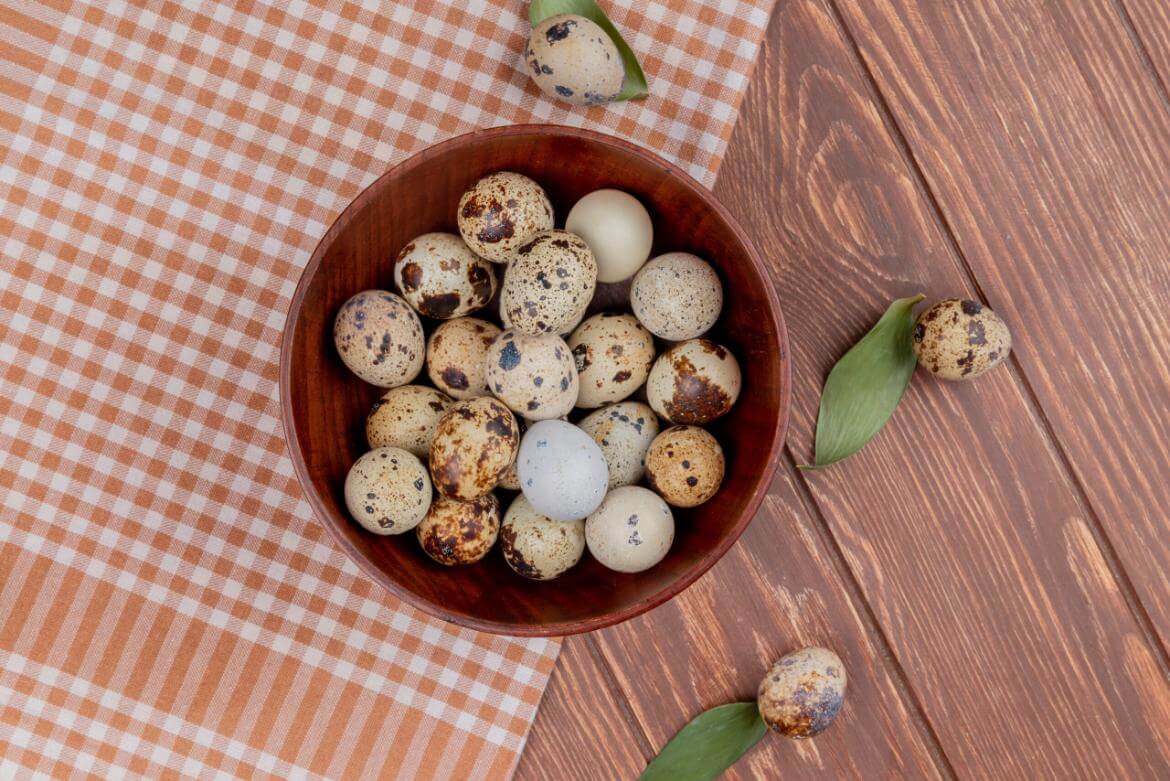
Quail eggs are an exceptionally rich source of nutrients, particularly protein, vitamins B12 and D, iron, and zinc. This nutrient has a higher yolk-to-white ratio than chicken eggs, giving them a richer flavor and creamier texture. Quail eggs are small eggs produced by quail, small game birds, and are typically about one-fifth the size of chicken eggs. They can have a variegated shell and are typically shades of brown, white, or blue-green. In many cultures, quail eggs are considered a delicacy and are favored for both their nutritional value and their distinctive taste and texture.
These small but nutritious eggs are often served as a delicacy on the table and are used to add a unique flavor to traditional dishes. Quail eggs are known for their rich nutritional content and distinctive flavor, which support a healthy diet.
Benefits of Quail Eggs?
Quail eggs stand out as a nutritious food that offers a range of health benefits. Some of the health benefits of eggs include:
- High protein content: Quail eggs are rich in high-quality protein. Protein is an important nutrient for muscle development, cell regeneration, and overall body function.
- Rich in vitamins and minerals: Quail eggs are rich in vitamin B12 , iron, zinc, and other minerals. These vitamins and minerals contribute to energy production, support the immune system, and ensure the proper functioning of body functions.
- Hormonal balance: The nutrients it contains play an important role in maintaining hormonal balance, which can have positive effects on sexual health, energy levels, and overall bodily functions.
- Supporting the immune system: Eggs contain vitamins and minerals that strengthen the immune system. This can increase the body's ability to protect against disease.
- Antioxidant effects: The antioxidants it contains can reduce cellular damage by fighting free radicals and support overall health.
- Low cholesterol content: Quail eggs are generally lower in cholesterol than chicken eggs. This is especially beneficial for those who want to keep their cholesterol levels under control.
Quail eggs can be considered a nutrient-dense food source with these health benefits. However, it's important for individuals to consult a healthcare professional before making any changes, depending on their overall health and dietary needs.
The Role of Quail Eggs in Cholesterol Control?
Quail eggs can be a suitable dietary option for individuals with high cholesterol levels. This nutrient can help control bad cholesterol. Additionally, the high vitamin B12 and iron content in quail eggs provides nutrients important for overall health.
For those struggling with high cholesterol levels, eggs can be considered part of a healthy eating plan. However, as with any food, it's important to consume them in moderation within a balanced diet.
It's important to remember that the nutrients in quail eggs, particularly vitamin B12 and iron, play important roles in the body. However, depending on individual health and dietary needs, it's recommended that individuals consult a healthcare professional before making any changes.
In conclusion, eggs can be considered part of a healthy diet, but everyone's individual health situation should be taken into account and appropriate counseling should be sought.
Positive Effects of Quail Eggs on Sexual Health?
There are many potential factors that suggest quail eggs have positive effects on sexual health. These positive effects on sexual health include:
- High-quality protein and amino acid content: Quail eggs contain high-quality protein and amino acids. These nutrients can contribute to improved sexual health by supporting sex hormone production.
- Rich in vitamins and minerals: Quail eggs are rich in various vitamins and minerals. These can contribute to energy production, support the immune system, and maintain hormonal balance. All of these factors can contribute to overall sexual health.
- Maintaining hormonal balance: The vitamins and minerals it contains play an important role in maintaining hormonal balance. This can have positive effects on sexual health and libido.
- Supporting sexual hormone production: The nutrients in quail eggs can support the production of sexual hormones, which is important for maintaining and improving sexual health.
However, it's important for individuals to consider lifestyle factors, in addition to a balanced diet, when evaluating their food choices to improve their sexual health. Furthermore, speaking with a healthcare professional about any health conditions or individual needs is an important step in obtaining accurate and reliable information.
What are the Benefits of Quail Eggs for Skin?
Quail eggs, thanks to their rich nutritional content, can have various positive effects on skin health. Some of the benefits eggs offer to the skin include:
- Boosting collagen production: Quail eggs contain proteins that support collagen production, which gives skin elasticity. This can help keep skin firm and youthful-looking.
- Rich in vitamins: Quail eggs, containing vitamins A, B, and E, can contribute to healthy and radiant skin. These vitamins have antioxidant properties that can combat free radicals and help maintain youthful skin.
- Maintaining moisture balance: Quail eggs can help maintain skin's moisture balance thanks to the phospholipids they contain. Phospholipids are a type of fat that are important for healthy cell membranes.
- Antioxidant effects: The antioxidants it contains can protect the skin from oxidative stress caused by free radicals. This can reduce the signs of skin aging and contribute to a youthful, healthy complexion.
- Supporting Skin Repair: The nutrients in quail eggs can support the regeneration and repair of skin cells. This can even out skin tone and help fade blemishes.
Quail eggs can be considered a natural source of skincare. However, it's important for individuals to take a holistic approach to skin health and maintain proper skincare along with their diet .
What are the Benefits of Quail Eggs for Hair?
Quail eggs, with their rich nutritional profile, can have various positive effects on hair health. Some of the benefits of eggs for hair include:
- Strengthens hair with its protein content: Quail eggs contain protein, the basic building block of hair. High-quality protein can contribute to strengthening hair strands and promoting healthy growth.
- Rich in vitamins and minerals: Quail eggs contain a variety of vitamins and minerals that are important for hair health. B vitamins, in particular, can boost hair health by supporting the scalp and hair follicles.
- Supporting collagen production: The protein it contains can support collagen production. Collagen can increase hair strength and prevent breakage and loss.
- Increase hair shine: Eggs can enhance hair's natural shine thanks to the vitamins they contain. Vitamin E, in particular, can nourish hair strands and add shine.
- Nourishing the scalp: The nutrients in eggs can help keep the scalp healthy, which can reduce problems like dandruff and dryness.
- Supporting overall hair health: Antioxidants in eggs can protect hair strands from damage caused by free radicals, which can improve the overall health of hair.
Quail eggs can be a natural source of hair health. However, it's important for individuals to maintain proper hygiene and grooming habits beyond focusing solely on nutrition when caring for their hair.
Potential Benefits of Quail Eggs and Their Effects on Diseases?
Quail eggs, due to their nutritional content, may have positive effects on various health issues. However, the potential benefits listed below may vary depending on an individual's health, diet, and overall lifestyle:
- Anemia: Quail eggs, thanks to their iron content, can have a positive effect on anemia. Iron plays an important role in the production of red blood cells.
- Cardiovascular disease: Eggs, which contain high-quality protein, omega-3 fatty acids, and other nutrients, may support cardiovascular health. This may indicate their potential to improve blood vessel health, balance cholesterol levels, and boost heart function.
- Weakened immune system: Quail eggs, with their vitamins and minerals, can support immune system function. Vitamin B12 and zinc, in particular, can contribute to strengthening the immune system.
- Hormonal imbalance: Quail eggs can help maintain hormonal balance. The vitamins and minerals they contain can support and balance hormonal functions.
- Digestive issues: Eggs, rich in protein, vitamins, and minerals, can support digestive health. B vitamins, in particular, can help the digestive system function properly.
Delicious Recipes with Quail Eggs?
Avocado bread with quail eggs:
- Boil the egg.
- Spread avocado slices on a slice of whole wheat or gluten-free bread.
- Place the poached egg on the bread.
- Season with salt, pepper and optional spices.
Quail egg salad:
- Wash and chop green leafy vegetables (lettuce, arugula, spinach, etc.).
- Add grated carrots, sliced cucumbers and cherry tomatoes.
- Place fresh or hard-boiled quail eggs on top of the salad.
- Season the salad with a light dressing of olive oil and lemon juice.
Quail egg and vegetable omelet:
- Beat the egg.
- Lightly sauté freshly chopped vegetables (such as peppers, onions, mushrooms) in a pan.
- Add the whisked quail eggs to the sautéed vegetables.
- You can add cheese or herbs to the omelet while cooking it.
Quail egg spinach wrap:
- Prepare a wrap or lavash with fresh baby spinach leaves.
- Add boiled and chopped quail eggs on top.
- Add some grated cheese, grated carrots, and sliced cucumber.
- You can roll the wrap and serve it.
These recipes offer a healthy and delicious way to use quail eggs. You can customize them to your liking and enjoy a healthy diet.
How to Preserve the Freshness of Quail Eggs?
To keep quail eggs fresh and healthy, you can follow these steps:
- Storing quail eggs in the refrigerator: Storing them on the refrigerator shelf helps them stay fresh longer. The lower temperature in the refrigerator slows down bacterial growth, preventing the eggs from spoiling.
- Keeping eggs in their original packaging: Storing eggs in their original packaging or in a carton designed for eggs can help physically protect them and maintain their freshness.
- Airtight containers: Storing eggs in an airtight container is also an option. These containers maintain freshness by creating a barrier between the outside air and the egg contents.
- The frozen egg method: When storing eggs in the refrigerator, you can also consider cracking each egg into individual ice cube trays for quick use when needed. This way, you can thaw them and use them when needed.
- Using egg holders: Specially designed egg holders or shelving systems can be useful for storing eggs in an organized manner.
With these methods, you can keep quail eggs fresh and preserve their nutritional value by storing them properly.
How Can You Consume Quail Eggs?
Quail eggs are a versatile food that can be enjoyed in a variety of ways thanks to their delicious flavor and small size. While they can be eaten raw after being cracked, they can also be boiled, fried, and used in various dishes and cakes. This particular type of egg can even be pickled.
Consuming quail eggs raw preserves their nutrients and improves digestibility, providing the body with a high amount of protein, vitamins, and minerals. Boiled eggs can be a convenient snack or a delicious addition to salads. Fried eggs, on the other hand, are a satisfying option with a crispy exterior.
Eggs, added to dishes, are particularly prominent in Asian cuisine, enriching the flavor of dishes. They are also used in cakes and other desserts, contributing to a unique taste and texture. When used as a pickle, eggs impart a fermented flavor.
In short, eggs provide a nutritious and delicious addition to a variety of dishes and cooking methods.
A Practical Way to Cook Quail Eggs: Boiling
One of the most common ways to consume quail eggs is by boiling them, and they're quite easy to boil like a standard chicken egg. However, due to their small size, they only need to be cooked for a short time, about 2.5-3 minutes. Here are the simple steps to boiling an egg:
- Leave the eggs at room temperature: Taking the eggs out of the refrigerator and leaving them at room temperature for a while can ensure more uniform cooking.
- Boil water: Bring a pot of water to a boil. Once boiling, reduce the heat slightly.
- Add the eggs to the water: Add the quail eggs to the water using a spoon. Make sure the water level covers the eggs.
- Boil the eggs for 2.5-3 minutes: Boil the eggs in boiling water for 2.5-3 minutes. This time allows the yolk to maintain its consistency while thoroughly cooking the inside of the egg.
- Cool in cold water: Immediately place hard-boiled eggs in a bowl of cold water or run them under cold tap water. This will make peeling them easier.
- Peel the eggs: After the eggs have cooled, you can peel their shells and consume them as you wish.
How Many Quail Eggs Should Be Eaten Daily?
Quail egg consumption may vary depending on an individual's overall health, diet, and nutritional needs. However, overall, daily egg consumption can vary depending on a person's health and needs.
For healthy individuals, consuming a few eggs a day is generally safe and can be considered part of a balanced diet. However, the following should be considered:
- Cholesterol levels: Individuals with high cholesterol levels should be mindful of their egg consumption to limit their daily cholesterol intake. Egg yolks contain cholesterol, so it's important for them to monitor their intake.
- Health issues: Individuals with health issues such as diabetes, kidney disease, or allergic reactions should consult a healthcare professional when adding quail eggs or other foods to their diet.
- Nutritional Needs: Daily protein, vitamin, and mineral needs vary depending on an individual's age, gender, physical activity level, and overall health. Therefore, it's important to consume quail eggs in a way that meets their nutritional needs.
Because everyone's needs are different, it's difficult to give a general recommendation for quail egg consumption. Consulting a nutritionist can help determine the appropriate amount of quail eggs for each individual's specific health and needs.
