


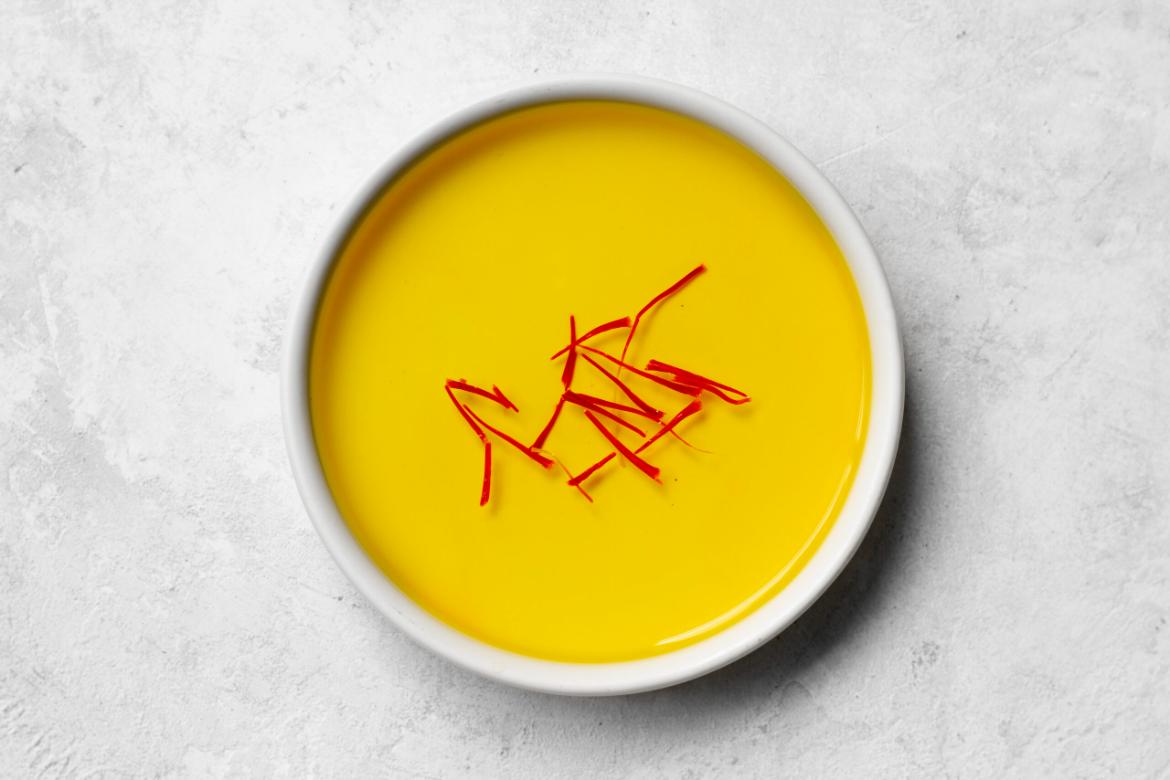
Benefits and Uses of Safflower Oil
Vegetable oil consumption is on a steady rise due to its diverse uses. While there are 14 different types of vegetable oils in vegetable oil production, sunflower oil is the leading producer, followed by oils such as soybean, cottonseed, corn, and safflower.
Safflower belongs to the Cynarae family and is also known by common names such as safflower, saffron, and saffron. It is also commonly known globally as false saffron, dyer's saffron, or kurtum. An annual plant, safflower has a herbaceous appearance resembling a sunflower and can mature in 130-150 days.
Safflower oil, derived from the safflower plant, is a type of oil rich in unsaturated fats that can easily grow in harsh climatic conditions. Safflower is native to China, Iran, India, and Egypt, but is cultivated worldwide for its oil production. It has significant potential as a table oil.
Vegetable oil obtained from safflower seeds has a hard, fibrous structure. The seed coat constitutes approximately 40-45% of the total weight. The white seeds are easily distinguishable from other vegetable oils at the harvest site. Safflower oil can be used in many industrial applications, being particularly preferred in the food, cosmetics, and pharmaceutical sectors. It is also important for nutritional value due to its richness in unsaturated fatty acids. Another application of safflower oil is the paint industry, where it can be used as a natural dye source. These properties make safflower oil valuable in various sectors.
Nutritional values of safflower oil
Like all oils, safflower oil is rich in vitamin E. The nutritional values for 14 grams (1 tablespoon) of safflower oil, which lacks many nutrients other than vitamin E, are as follows:
- Calories: 124
- Fat: 14 g
- Protein: 0 g
- Carbohydrate: 0 g
Safflower oil is particularly known for its vitamin E content, and these nutritional values should be taken into account, especially when evaluating it from a nutritional perspective.
Uses of safflower oil
Safflower seed oil is a nourishing oil used both externally and internally because it is obtained through the cold-pressing method. Different uses of safflower oil include:
- Nutrition: Safflower oil can be used at the table without producing smoke or odor. It's a good choice for frying and, because it's rich in fatty acids, can be added to diets.
- Cosmetics: Allergy -free safflower oil is a cosmetic oil that can be used in skin care. It can be used as a moisturizer or incorporated into hair care products.
- Aromatherapy: Safflower oil can also be used in aromatherapy applications, particularly in massage oils or essential oil blends.
- Hair care: When applied to hair, safflower oil can strengthen hair strands and increase shine.
It's important to consult a healthcare professional or specialist before any use, especially regarding internal use or skin application. The use of safflower oil may vary depending on personal preferences and health conditions. You can edit this text as desired.
How should safflower oil be consumed?
General recommendations for the consumption of safflower oil are as follows:
Consumption as food:
- If it is to be used as food, consuming 1-2 teaspoons of safflower oil per day is recommended.
- You can consume the oil directly or add it to your salads, vegetables or meals.
Adding to drinks and foods:
- You can add safflower oil to your drinks. Add a teaspoon of safflower oil to drinks like smoothies, juice, or milk.
- To enhance your meals, you can add a few drops of safflower oil to your soups, sauces or marinades.
Skin care:
- If used for skin application, it can be absorbed into the skin by massaging it locally. It can be used daily, morning and evening, as needed.
Consumption on an empty or full stomach:
- It can create a feeling of fullness when consumed on an empty stomach. Therefore, it can be used on a full stomach as well.
- However, for those with stomach problems or any health issues, it is important to consult a healthcare professional first.
As with any dietary supplement, it's important to consult a healthcare professional before consuming safflower oil. It's also important to follow the instructions and recommendations on the product packaging.
Benefits of safflower oil
- Improves blood sugar and improves insulin resistance: Safflower oil can reduce the risk of diabetes and improve insulin resistance by regulating blood sugar.
- It protects against diabetes: Thanks to its properties, safflower oil can help prevent diabetes.
- It has anti-inflammatory properties: Thanks to the anti-inflammatory properties of safflower oil, it can reduce inflammation in the body.
- Lowers cholesterol and improves heart health: The linoleic acid content can lower blood cholesterol levels and improve heart health.
- Lowers blood pressure by relaxing blood vessels: Safflower oil can lower blood pressure by relaxing blood vessels, which can positively affect cardiovascular health.
- Prevents blood clots: Its blood clotting inhibitory effect may reduce the risk of heart attack and stroke.
- Contributes to skin health: Due to its anti-inflammatory, antibacterial, and antifungal properties, it can be used in the treatment of skin wounds. It can also soothe the skin and give it a soft appearance.
- Reduces joint and muscle pain: The anti-inflammatory effect of safflower oil can relieve joint and muscle pain.
- Relieves menstrual cramps: It may have a relieving effect on menstrual cramps for women.
- It is an expectorant: Safflower oil, with its expectorant properties, can be used especially for colds and respiratory problems.
To reap these benefits, it's important to consume safflower oil in moderation and in appropriate ways. It's also important to consult a healthcare professional before using safflower oil for any health concerns.
What is safflower oil made from?
Safflower oil is a vegetable oil obtained through cold-pressing. Information on how to make safflower oil:
- Safflower cultivation: Safflower is cultivated for the production of safflower oil. When ideal growing conditions are met, the plant's seeds are ready for harvest.
- Harvesting: Safflower seeds are harvested. Harvested seeds are selected at the appropriate maturity to maximize oil content.
- Sorting and cleaning: Harvested seeds are sorted and, if necessary, cleaned. This step is intended to improve the quality of the plant material.
- Cold-pressing process: Cold-pressing is a method that uses low-temperature mechanical extraction of oil. During this process, the seeds are ground and pressed. This process allows the oil to be extracted at a low temperature, preserving its nutritional value.
- Oxidation control: Special measures are taken to control oxidation of the resulting oil. This improves its quality and shelf life.
- Filtration: The oil obtained is filtered to remove unwanted particles .
- Storage: Store the cleaned and filtered oil under appropriate conditions. A cool, dark place is preferred to extend shelf life.
The cold-pressing process of safflower oil helps preserve its nutritional value and natural flavor. This process improves the oil's quality, making it more beneficial for your health.
Areas where safflower oil is used
Safflower oil has versatile uses and can be beneficial in many sectors. Areas where safflower oil is used include:
- Cosmetics industry: Due to its skin-nourishing and repairing properties, it is frequently used in cosmetic products. It can be found in moisturizers, lotions, shampoos, and skin care products.
- Food industry: Its high oleic acid content makes it heat-resistant, making it a popular frying oil. It's also used in baking, especially for pastry preparation. It's used as a sweetener and additive in food products like salad dressings, margarines, and mayonnaise.
- Cooking and preparation methods: It's effective in adding flavor to dishes when used in sautéing and roasting. Because it maintains its stability at low temperatures, it can be used in the preparation of frozen foods.
- Biodiesel production: It is one of the vegetable oils used in biodiesel production.
- Ornamental plant and paint: The oil obtained from the seeds of the safflower plant can be used as an ornamental plant and can also find a place in the paint industry.
These areas of use make safflower oil a widely preferred vegetable oil in various sectors.
Does safflower oil help with weight loss?
Safflower oil, due to its unsaturated fatty acids, can create a feeling of fullness and have an appetite-reducing effect. It can also contribute to weight loss by accelerating fat burning and lowering the glycemic index. However, caution should be exercised with any weight loss program or supplement use and consult a qualified healthcare professional. It's important to seek professional advice regarding the use of safflower oil, taking into account individual health conditions and other individual factors. It's important to remember that healthy weight loss is achieved through a balanced diet, regular exercise, and lifestyle changes.
Harms of safflower oil
Excessive use of safflower oil can cause some adverse effects. In particular, exceeding the recommended daily intake may cause the following:
- Increase in body temperature: Because it accelerates metabolism, excessive use may cause an increase in body temperature.
- Sweating and diarrhea: Excessive consumption can trigger effects like sweating and diarrhea.
- Blood thickening: The high omega-6 content can cause blood thickening.
- Nausea and vomiting: Excessive consumption of safflower oil can trigger nausea and vomiting reflex.
Therefore, when using essential oils like safflower, it's important to follow recommended dosages and consult a healthcare professional if you experience any adverse effects. It's always important to seek professional advice based on your specific health condition.
When should safflower oil be consumed?
Safflower oil can be easily consumed throughout the day due to its nutritional and functional properties. If used for weight loss, it can be added to a diet plan and taken on an empty stomach. However, for children and pregnant women, a doctor's consultation is recommended. If used on clean skin, applying it to clean skin can increase absorption.
