


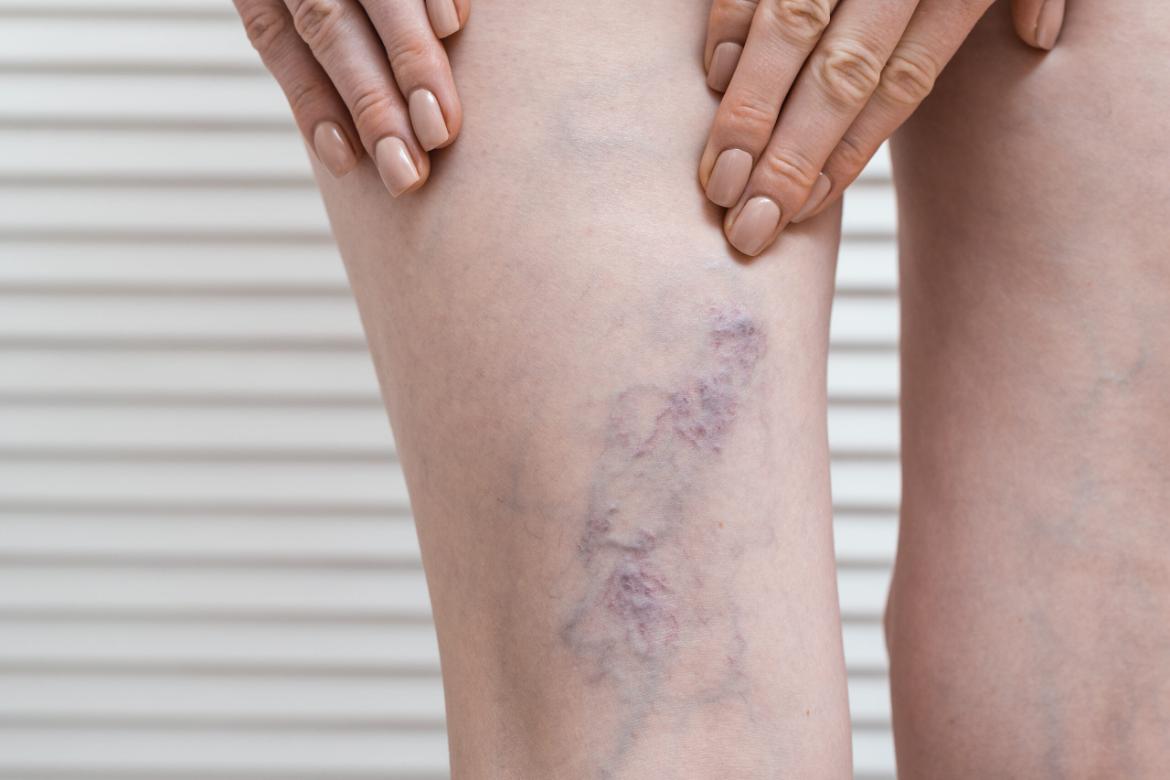
Venous Insufficiency
Venous insufficiency refers to a condition in which impure blood from various parts of the body cannot return to the heart effectively. This impure blood can accumulate, particularly in areas like the legs, causing symptoms such as swelling and bruising. Conditions that cause venous insufficiency include varicose veins, blood clots, and valve problems. A doctor will assess the severity of venous insufficiency symptoms and recommend appropriate treatment options. Early diagnosis and treatment can prevent the progression of venous insufficiency and the emergence of complications. Treatment may include methods aimed at increasing blood flow, including compression stockings, medications, physical therapy, and, if necessary, surgery.
What are the symptoms of venous insufficiency?
- Leg swelling (edema): Leg swelling, or edema, is one of the most obvious symptoms of venous insufficiency. It usually occurs in the ankles and lower legs.
- Pain and a feeling of heaviness: Pain, heaviness, or a feeling of fullness in the legs are common symptoms. These feelings can often worsen at the end of the day or after standing for long periods.
- Itching and burning in the legs: Venous insufficiency can cause itching or burning sensations in the legs. These symptoms are caused by circulation problems in the skin.
- Skin changes: Individuals with venous insufficiency may experience skin changes. These changes may include changes in skin color, brown spots, dry skin, and psoriasis-like rashes.
- Fatigue and weakness: Due to circulation problems in the legs, individuals may experience a general feeling of fatigue and weakness.
- Varicose veins: Varicose veins can occur as a symptom of venous insufficiency. They occur as a result of the dilation and swelling of superficial veins.
- Skin ulcers (sores): In advanced cases of venous insufficiency, skin ulcers (sores) may develop on the legs. These sores can be difficult to heal.
- Cramps: You may experience cramps or a tight feeling in your legs. This usually occurs at night or while you're resting.
The symptoms of venous insufficiency can vary from person to person, and the severity of symptoms can vary depending on the condition. If you suspect or experience symptoms of venous insufficiency, it's important to consult a healthcare professional. Early diagnosis and treatment can prevent the progression of venous insufficiency and the development of complications.
What causes venous insufficiency?
Venous insufficiency, a condition in which the venous system in the legs doesn't function properly, can occur for a variety of reasons. Common causes of venous insufficiency include:
- Varicose veins: Varicose veins occur when the superficial veins in the legs widen and change shape. This can cause the venous valves to malfunction, allowing blood to flow backward.
- Deep Vein Thrombosis (DVT ): Deep vein thrombosis refers to the formation of blood clots in the deep veins of the legs. These clots can block the veins and prevent blood from flowing back to the heart.
- Venous valve problems: Congenital or acquired problems with the venous valves can allow blood to flow backward.
- Sedentary lifestyle: Being inactive for long periods of time can prevent blood from flowing properly in the legs and contribute to venous insufficiency.
- Obesity : Carrying excess weight can put extra pressure on the venous system in the legs and trigger venous insufficiency.
- Pregnancy: During pregnancy, increased blood volume and uterine growth can affect the venous system and trigger venous insufficiency.
- Aging : As we age, venous valves and veins can become weaker, increasing the risk of venous insufficiency.
- Familial predisposition: A family history may increase the risk of venous insufficiency. People with a family history of this condition may be at higher risk.
- Chronic venous inflammation: Chronic venous inflammation can lead to venous insufficiency due to the constant inflammation of the veins.
What are the types of venous insufficiency?
Venous insufficiency is a condition in which the veins (veins) cannot effectively transport blood back to the heart, and it can be divided into several types. Some of the types of venous insufficiency are:
- Superficial venous insufficiency: This is a type of venous insufficiency that affects the superficial veins and is often associated with varicose veins. Superficial venous insufficiency occurs when the veins on the surface dilate and the vein valves become dysfunctional. Varicose veins are a prominent sign of this type of venous insufficiency.
- Deep venous insufficiency: This type of venous insufficiency occurs when the deep veins (deep veins in the legs) become dysfunctional. Deep venous insufficiency is a more serious condition and can potentially lead to more serious complications. Conditions such as deep vein thrombosis (DVT) can be a cause of deep venous insufficiency.
- Chronic venous insufficiency: Chronic venous insufficiency occurs as a result of long-term dysfunction or insufficiency of the venous system. This condition develops when the veins in the legs cannot effectively transport blood back to the heart. Chronic venous insufficiency is a condition in which symptoms persist and progress over a long period of time.
- Postthrombotic syndrome: This is a type of venous insufficiency that develops after deep vein thrombosis (DVT). A blood clot from the DVT damages the deep veins and can cause symptoms of venous insufficiency.
What are the symptoms of chronic venous insufficiency?
Chronic venous insufficiency, a condition in which the veins (veins) cannot effectively transport blood back to the heart, can cause a variety of symptoms in the legs and feet. Symptoms of chronic venous insufficiency can vary from person to person, but generally include the following:
- Varicose veins: Varicose veins are prominent blue or purple veins that occur as a result of enlargement and swelling of superficial veins in the legs.
- Leg pain and discomfort: Pain, burning, heaviness, or discomfort in the legs may be experienced constantly or intermittently.
- Swelling: Chronic venous insufficiency can cause swelling in the legs. The legs, especially the ankles and lower legs, may swell later in the day.
- Itching: Itching in the legs is a common symptom and may be associated with blood pooling and pressure on the skin.
- Skin changes: Chronic venous insufficiency can lead to changes in the skin such as thickening, dryness, color changes (hyperpigmentation), skin ulcers and dermatitis.
- Night leg cramps: Night leg cramps can be a common symptom in individuals with chronic venous insufficiency.
- Circulatory problems: This condition can lead to circulatory problems such as cold legs because it prevents blood from circulating properly in the legs.
- Painful ulcers: As chronic venous insufficiency progresses, painful skin ulcers (sores) may develop on the legs. These ulcers can be difficult to heal.
Symptoms of chronic venous insufficiency often worsen over time. The severity of symptoms can vary from person to person, and lifestyle, treatment compliance, and other factors can influence these symptoms. If you experience symptoms of chronic venous insufficiency, it's important to talk to a healthcare professional. Treatment can help relieve symptoms and slow the progression of the condition.
How is venous insufficiency treated?
Treatment for venous insufficiency encompasses a variety of methods used to reduce the severity of symptoms, prevent complications, and improve the patient's quality of life. The treatment plan is determined based on the patient's symptoms, the severity of venous insufficiency, and other medical factors. Some methods used to treat venous insufficiency include:
- Compression therapy: Compression stockings or bandages are commonly used to relieve symptoms of venous insufficiency. These garments apply pressure to the veins in your legs, allowing blood to flow better. Your doctor will determine the type and amount of compression you need.
- Medication: Your doctor may prescribe medications to relieve symptoms and control inflammation of the veins. These medications can help reduce swelling and pain. Blood thinners may also be used to prevent blood clots.
- Vascular surgery: In severe cases or cases that don't respond to treatment, vascular surgery may be necessary. Surgery involves repairing or replacing veins or valves. These procedures can vary depending on the cause of venous insufficiency.
- Endovenous laser therapy (EVLT) or radiofrequency ablation: These minimally invasive procedures place a laser fiber or radiofrequency electrode inside an affected vein, sealing or narrowing it. These methods are frequently used to treat varicose veins.
- Sclerotherapy: Sclerotherapy involves injecting a special fluid into the small veins causing venous insufficiency using a thin needle. This fluid collapses the vein, sealing it off and causing it to disappear over time.
- Physical therapy and exercise: Physical therapy and exercise may be recommended to strengthen leg muscles, increase blood circulation in the legs, and relieve symptoms. Exercise helps improve blood flow to the legs.
- Nutrition and lifestyle changes: Adopting healthy eating habits, controlling weight, and avoiding excess weight can relieve CVI symptoms.
- Other treatment options: Some patients may require more specialized procedures or methods to treat venous insufficiency. This may vary depending on your doctor's evaluation and diagnosis.
Treatment is personalized based on the patient's condition and the severity of their symptoms. Consulting with a specialist about treatment options will help you develop the most appropriate treatment plan.
What happens if venous insufficiency is left untreated?
If venous insufficiency is left untreated or does not respond to treatment, various complications and health problems can develop. These may include:
- Skin ulcers: Venous insufficiency leads to inadequate blood return in the veins of the legs, increasing the risk of skin ulcers (sores). These ulcers are often chronic wounds that are difficult to heal and can be painful.
- Skin changes: Venous insufficiency can cause changes in the skin, such as thickening, discoloration, dryness, and itching. These skin problems usually occur on the legs and feet.
- Vein infections: Swollen legs due to venous insufficiency can make them more susceptible to skin breaks and entry of microorganisms, increasing the risk of leg infections.
- Circulatory problems: Venous insufficiency causes blood from the legs to not return sufficiently to the heart. This can lead to cold legs, numbness, and circulation problems.
- Pain and discomfort: Venous insufficiency can cause symptoms such as leg pain, burning sensations, heaviness, and discomfort. These symptoms can negatively impact quality of life.
- More serious circulation problems: Progressive venous insufficiency can lead to more serious circulation problems, increasing the risk of serious complications such as deep vein thrombosis (DVT).
- Life-threatening: Untreated cases of deep vein thrombosis (DVT), in particular, can lead to life-threatening complications such as pulmonary embolism.
Early diagnosis and effective treatment of venous insufficiency can reduce or prevent the risk of such complications. Therefore, it is important to consult a healthcare professional if you are experiencing symptoms of venous insufficiency or if risk factors are present.
