


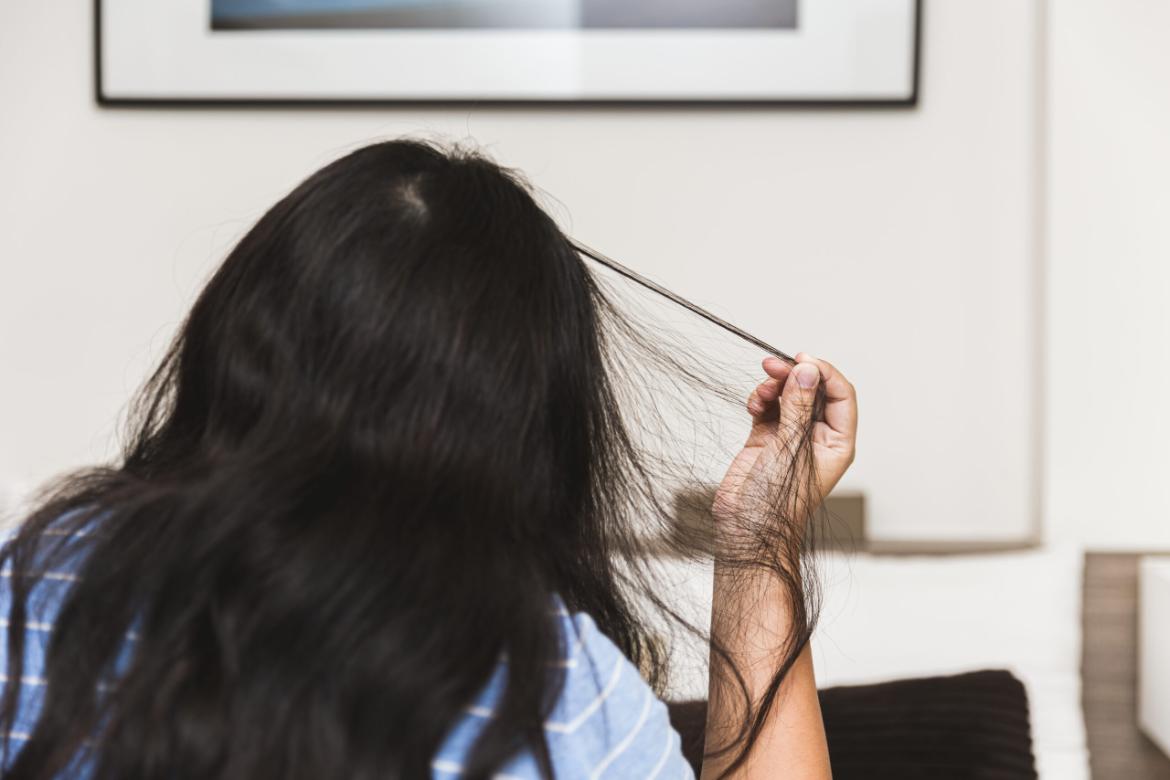
Trichotillomania (Hair Pulling Disorder)
Trichotillomania, commonly known as hair-pulling disorder, is a mental health disorder classified as obsessive-compulsive disorder. This disorder is characterized by the compulsive pulling of one's own hair, eyebrows, or eyelashes to cope with stress or anxiety. In cases of trichotillomania, the individual experiences intense tension and anxiety before engaging in this behavior, but these feelings usually subside afterward. The persistent and repetitive nature of this behavior can lead to damage to hair follicles and hair loss. Trichotillomania was first described and introduced to the literature by dermatologist Hallopeau. Understanding and treating this disorder is crucial for helping those affected.
Who is affected by trichotillomania (hair pulling disorder)?
Trichotillomania is a disorder that typically begins in childhood or adolescence, but can also occur in adults. Babies may also experience temporary hair-pulling behaviors, but this typically disappears on its own as the child grows.
Trichotillomania can occur in anyone, depending on factors such as age, gender, or ethnicity. Genetic predisposition, environmental stress, anxiety disorders, or other psychological factors may increase the risk of trichotillomania. Therefore, individuals who exhibit hair-pulling behavior should seek professional help and consider appropriate treatment by consulting a specialist. Treatment is personalized based on the individual's age, severity of symptoms, and needs.
What are the symptoms of trichotillomania (hair pulling disorder)?
Trichotillomania (hair pulling disorder) symptoms are generally described as follows:
- Persistent and repetitive hair pulling behavior: The person repeats the behavior of tearing, plucking or pulling hair in a continuous and uncontrollable manner.
- Regional baldness: As a result of hair pulling behavior, hair loss or complete baldness may occur in the affected areas.
- Tension and relaxation: A person usually performs hair pulling behavior during emotional distress such as tension, stress or anxiety, and feels relieved after performing this behavior.
- Unwanted hair manipulation: The urge to twist, pull, or tear hair is impulsive and may be difficult to resist.
- Other symptoms: People with trichotillomania may sometimes have a tendency to eat hair that has been plucked out, which can lead to gastrointestinal problems.
- Skin and skin damage: Prolonged and severe trichotillomania can cause serious damage to hair follicles and surrounding skin. This damage may be irreversible.
Trichotillomania is characterized by a persistent and severe hair-pulling behavior that cannot be explained by another medical or psychological problem. Therefore, it is important for individuals experiencing these symptoms to consult a specialist and seek professional help. Treatment is customized to the individual's symptoms and needs, and therapies such as cognitive behavioral therapy (CBT) are often used.
What are the causes of trichotillomania (hair pulling disorder)?
While the exact causes of trichotillomania (hair-pulling disorder) are unknown, several contributing factors have been identified. Potential causes and risk factors for trichotillomania include:
- Genetic predisposition: A family history may increase the risk of trichotillomania. People with family members who exhibit this type of obsessive-compulsive behavior may be at higher risk for trichotillomania.
- Psychological factors: Psychological factors such as stress, anxiety, and depression can trigger or exacerbate trichotillomania. Individuals may adopt hair-pulling behavior as a way to cope with stress.
- Emotional disorders: Trichotillomania can often co-occur with other emotional and psychiatric disorders, such as obsessive-compulsive disorder (OCD).
- Self-driven: A person feels an intense urge to pull their hair out, which triggers the behavior. To control or alleviate this urge, the person pulls out their hair.
- Learning: Trichotillomania may be a behavior that begins in childhood or adolescence. It is thought that the behavior is learned and becomes habitual over time.
- Chemical balance: An imbalance of chemicals in the brain may contribute to trichotillomania. The role of neurotransmitters such as dopamine and serotonin is being investigated.
- Traumatic experiences: A person's past traumatic experiences may trigger or exacerbate hair pulling behavior.
More research is needed to understand the causes of trichotillomania, and different factors may be at play in each individual. Treatment should be tailored to the individual's specific needs and symptoms, and psychotherapy (such as cognitive behavioral therapy) is often used. Therefore, individuals experiencing symptoms of trichotillomania should consult a professional and learn about appropriate treatment options.
What are the ways to get rid of trichotillomania (hair pulling disorder)?
The medical term for hair-pulling is "Trichotillomania," and treatment for this condition should be under the supervision of a qualified healthcare professional. In addition to treatment, individuals can try to reduce their hair-pulling behavior through their own efforts. Ways to overcome hair-pulling include:
Professional help: First, seek help from a qualified healthcare professional, such as a psychotherapist or psychiatrist. These professionals can assess the underlying cause of the condition and develop a personalized treatment plan.
Mindful awareness: A person should try to recognize when the urge to pull out hair arises and what the triggers are. This can help control the behavior.
Alternative behaviors: Alternative behaviors should be developed to replace the urge to pull out hair. These behaviors can be used to keep the person's hands busy and reduce stress. Suggested alternatives:
- Using squeezable objects like stress balls to relieve stress.
- Keeping small tools or toys that can be operated by hand.
- Wearing a hat, bandana, or beret that covers the hair.
- Trying methods like repeating a certain phrase out loud when the urge to pull out your hair comes on.
Stress management : Trichotillomania is often associated with stress, so it's important to reduce stress. Ways to help reduce stress include:
- Doing meditation or deep breathing exercises regularly.
- Participating in a sports and exercise program.
- Taking a relaxing bath or shower.
Haircut: Cutting hair short or trying a different hairstyle may be an option to help control hair-pulling behavior. Short hair is more difficult to prevent.
Finger protection: Covering your fingertips with adhesive material, such as a plaster, tape, or gloves, can help reduce the urge to pull out your hair. This can prevent a person from reaching for their hair.
Remember, every individual is different and treatment must be personalized. Therefore, it is important to collaborate with a qualified healthcare professional to create the most appropriate treatment plan.
How is trichotillomania diagnosed?
Trichotillomania is diagnosed based on the American Psychiatric Association (APA) DSM-5 criteria. The following criteria are commonly used to diagnose trichotillomania:
- Hair pulling behavior : Repetitive pulling of one's hair, eyebrows, or eyelashes, resulting in hair loss or bare patches.
- Loss of control: The person tries to control the behavior but fails or is unable to resist.
- Social and functional impairment: Hair pulling negatively impacts a person's daily life, social interactions, or functionality. This may result in embarrassment, discomfort, or social isolation due to hair loss.
- Ruling out other causes: Before diagnosing trichotillomania, another underlying medical or psychiatric cause of hair loss must be ruled out.
- Awareness: The individual is aware of the hair pulling behavior and has no desire to correct or control the behavior or makes no effort to prevent it.
A clinical evaluation by a psychiatrist or psychotherapist is usually required to diagnose trichotillomania. This evaluation is important to understand the patient's symptoms and behaviors, make a diagnosis, and develop a treatment plan.
Medical tests, such as neurochemical or brain imaging studies, may also be used in some cases, but diagnosis is generally based on the clinical criteria above. Once a diagnosis of trichotillomania is made, it is important to refer the individual to a specialist for treatment and support.
How is trichotillomania (hair pulling disorder) treated?
Treatment for trichotillomania (hair-pulling disorder) can involve many different methods and is usually directed by a qualified healthcare professional. Some methods used in the treatment of trichotillomania include:
- Cognitive behavioral therapy (CBT): CBT is a psychotherapy method frequently used to treat trichotillomania. This therapy helps a person understand the relationships between their thoughts, feelings, and behaviors. The person learns to recognize the thoughts and feelings that trigger hair-pulling, manage these thoughts and feelings, and ultimately reduce the behavior.
- Medication: In some cases, medications may be used to treat trichotillomania. These may include antidepressants, such as serotonin reuptake inhibitors (SSRIs), used to treat obsessive-compulsive disorder, or other medications used to reduce neurological symptoms. Medication must be prescribed by a psychiatrist.
- Support groups: Support groups can be very helpful for people coping with trichotillomania. These groups help people with similar experiences come together to share their experiences and offer support.
- Self-help strategies: Beyond therapy sessions and support groups, a person can develop self-help strategies. These strategies may include alternative behaviors to use when the urge to pull out hair arises. Methods such as stress management, relaxation techniques, and mindfulness exercises may also fall into this category.
- Psychoeducation: Psychoeducation sessions are held for people with trichotillomania and their families. These sessions cover what the disorder is, how it can be treated, and how to help people manage their symptoms.
Treatment for trichotillomania requires a personalized approach, so it's important to follow the most appropriate treatment plan determined by a professional. A combination of these treatment methods, or just a few, may be used, and the treatment process often varies depending on the individual's needs and responses.
The impact of trichotillomania on the individual and family
Trichotillomania is a disorder that can have significant physical and emotional impacts on individuals and their families. The effects of trichotillomania on individuals and their families, and strategies that can help families, include:
Effects on the person:
- Emotional effects: Trichotillomania often negatively impacts a person's self-esteem and self-esteem. The person may experience negative emotions such as shame, guilt, anxiety, and stress due to the disfigurement caused by the hair-pulling behavior.
- Social isolation: Trichotillomania can limit a person's social interactions. The person may avoid social activities because others may notice their hair loss or because they feel uncomfortable doing so.
- Family relationships: Trichotillomania can also affect family relationships. Family members may become anxious or worried because of the difficulties the person is experiencing and the stress caused by the behavior.
Strategies for families:
- Psychoeducation: Families should receive accurate and detailed information about trichotillomania. This will help them understand what the disorder is, its symptoms, and treatment options. Psychoeducation sessions can help families better understand the disorder.
- Empathy and support: Family members should strive to understand and empathize with the person's emotional difficulties. Providing support and understanding can facilitate the healing process.
- Family communication: Families should encourage open and healthy communication. Giving the person the opportunity to express their feelings and thoughts can provide emotional support.
- Professional help: It's important to seek professional help to treat trichotillomania. Expert advice and therapy sessions can provide guidance for both the individual and their family members.
- Self-help: Families can support the person with trichotillomania in learning coping strategies. These strategies can help reduce the urge to pull out hair and cope with stress.
What happens if trichotillomania is left untreated?
Trichotillomania is a type of obsessive-compulsive disorder in which the compulsion and behavior of pulling out hair or body hair is repetitive and uncontrollable. If left untreated, this disorder can have several negative consequences:
- Physical problems: Frequently pulling out hair or body hair can cause skin infections, irritation, inflammation, and other skin problems. It can also lead to hair loss, damage to hair follicles, and permanent hair loss.
- Emotional difficulties: Trichotillomania can negatively impact a person's self-confidence, self-esteem, and overall quality of life. The behavior can be embarrassing and stressful and can affect a person's social relationships.
- Psychological effects: Trichotillomania can affect a person's mental health. A person may experience depression, anxiety, and other emotional problems due to the repeated behavior.
- Appearance anxiety: Loss of hair or body hair can cause anxiety about one's appearance, which can lead to feelings of insecurity in public.
- Social isolation: Trichotillomania may cause a person to hide the behavior from others and avoid social activities. This can lead to social isolation.
Treatment is important to prevent or reduce these negative effects. Treatment options may include cognitive behavioral therapy (CBT), medication, and support groups. Starting treatment early can help improve outcomes. Therefore, it's important to seek professional help if you're experiencing symptoms of trichotillomania.
