


Vasculitis
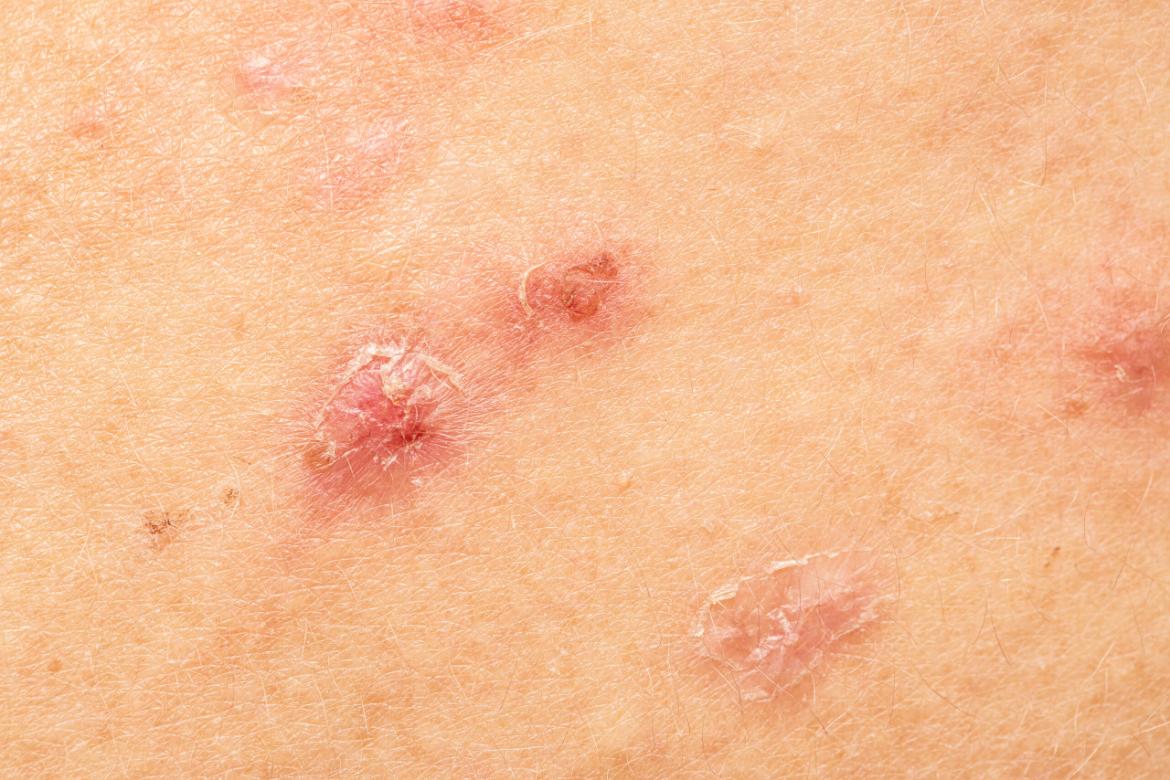
Vasculitis is inflammation of blood vessels throughout the body. Inflammation can cause damage, narrowing, or blockage of the blood vessel walls. Vasculitis is a group of diseases that come in many different types and can occur in a specific organ or system (e.g., skin, kidneys, nerves).
What causes vasculitis?
The exact cause of vasculitis is unknown, but it's thought to be the result of a combination of factors. Vasculitis can occur due to immune system disorders. While the immune system normally protects the body from infections, sometimes immune cells can attack the body's own tissues. The following factors are thought to contribute to the development of vasculitis:
- Immune system disorders: Abnormal activation or dysregulation of the immune system can cause immune cells to attack blood vessels, resulting in inflammation and damage to the vessel wall.
- Infections: Certain infections can be triggering factors for vasculitis. Certain viruses and bacteria, in particular, have been associated with vasculitis.
- Genetic factors: Certain genetic predispositions are thought to increase the risk of developing vasculitis. However, further research is needed on this topic.
- Environmental factors: It is thought that environmental factors such as smoking may trigger the appearance of some types of vasculitis.
- Medications: Certain medications can be triggers for vasculitis. Certain antibiotics, anticonvulsants, and nonsteroidal anti-inflammatory drugs (NSAIDs) have been linked to vasculitis.
While the causes of vasculitis are still not fully understood, the interaction between immune system disorders and environmental factors is thought to be important. However, further research is needed to fully determine the factors that contribute to the development of vasculitis.
Vasculitis symptoms
The symptoms of vasculitis can vary depending on the location of the inflamed vessels and the organs affected. Symptoms often vary depending on the severity, type, and organ system affected by the vasculitis. Some common symptoms include:
General symptoms:
- Fire
- Fatigue and weakness
- Loss of appetite and weight loss
- Night sweats
Skin symptoms:
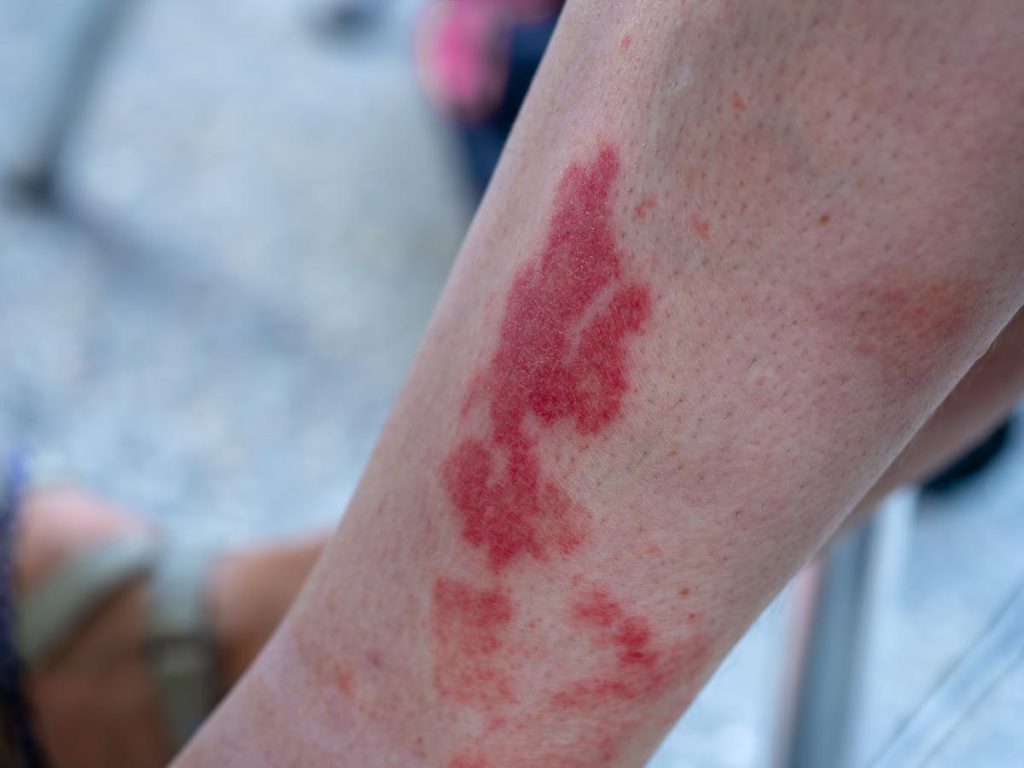
- Rashes: A red, purple, pink, or blistering rash may appear. It can appear on any part of the body.
- Ulcerations: Open sores or ulcers may occur on the skin.
Digestive system symptoms:
- Stomach ache
- Nausea and vomiting
- Diarrhea or bloody stools
Nervous system symptoms:
- Numbness and tingling sensation
- Muscle weakness
- Headaches and migraines
- Seizures
- Coordination disorder
Kidney symptoms:
- bloody urine
- Pain or burning when urinating
- Frequent urination
- Decreased kidney function
Respiratory symptoms:
- Cough
- Shortness of breath
- Chest pain
Vasculitis symptoms can vary depending on the patient's condition and the organs affected. Symptoms often worsen or fluctuate over time. If vasculitis is suspected, it is important to consult a doctor and receive a thorough evaluation.
What are the types of vasculitis?
Vasculitis can occur in many different types. Types of vasculitis are classified according to the size and type of inflamed blood vessels and the organs they affect. Here are some common types of vasculitis:
Large vessel vasculitis:
- Giant cell arteritis (Temporal Arteritis): Inflammation of the temporal arteries on the side of the head.
- Takayasu arteritis: Inflammation of the large arteries, usually seen in young women.
Medium-sized vessel vasculitis:
- Polyarteritis nodosa: Inflammation of medium-sized arteries, usually affecting the kidneys, abdomen, and nervous system.
- Kawasaki disease: Vasculitis, usually seen in children, causing symptoms such as fever, rash, conjunctivitis, and red tongue.
- Behçet's disease: A multisystem disease that causes inflammation in various parts of the body, including the mouth, genital area, eyes, and skin.
Small vessel vasculitis:
- ANCA-associated vasculitides:
- Granulomatosis with polyangiitis (Wegener's Granulomatosis): Inflammation of the respiratory system, kidneys, and other organs.
- Microscopic polyangiitis: A vasculitis affecting the lungs, kidneys, and nervous system.
- Eosinophilic granulomatosis with polyangiitis (Churg-Strauss Syndrome): A vasculitis affecting the lungs, nervous system, skin, and heart, with an increase in the number of eosinophils.
- Henoch-Schönlein purpura: A vasculitis affecting small vessels, especially seen in children.
- Small vessel vasculitides with rash: Includes conditions such as Leukocytoclastic Vasculitis and IgA vasculitis.
These are just some of the common types of vasculitis. Each type may require different symptoms, severity, and treatment approaches.
How is vasculitis diagnosed?
- Medical history and physical examination: The doctor will thoroughly evaluate the patient's symptoms and medical history. For patients suspected of having vasculitis, information is collected regarding the symptoms, duration, severity, and organs affected. A physical examination will also be performed to look for signs such as skin rashes, joint swelling, and enlarged lymph nodes.
- Blood and urine tests: Blood tests are performed to look for markers that indicate the presence of vasculitis or immune system activity. Tests such as sedimentation rate (ESR), C-reactive protein ( CRP ), antinuclear antibodies (ANA), kidney function tests, blood electrolytes, and urinalysis can be helpful in diagnosing vasculitis.
- Imaging tests : Imaging tests such as X-rays, ultrasound, magnetic resonance imaging (MRI), or computed tomography (CT) may be used to examine affected organs and identify inflamed vessels. For example, in large-vessel vasculitis such as temporal arteritis, imaging and examination of the temporal artery for a biopsy may be necessary.
- Biopsy : In certain cases, a biopsy of an affected organ or vessel may be necessary. This procedure involves taking a sample of the affected organ or vessel and examining it for laboratory analysis. The results of the biopsy can help confirm the presence and type of vasculitis.
- ANCA tests : ANCA (Antineutrophil Cytoplasmic Antibody) tests are used to diagnose ANCA-associated vasculitis. These tests involve a blood sample to determine the presence or absence of specific antibodies called ANCA.
Vasculitis is diagnosed by a combination of symptoms, physical examination findings, laboratory test results, and imaging findings.
Vasculitis treatment methods
Vasculitis treatment is personalized based on the patient's symptoms, the type of vasculitis, and the organs affected. Treatment aims to reduce inflammation, control the immune system response, prevent organ damage, and prevent recurrence of the disease. Common vasculitis treatment methods include:
- Immunosuppressive medications: The most commonly used medications to treat vasculitis are immunosuppressive medications, which suppress the immune system's overreaction. These include corticosteroids (such as prednisone), methotrexate, azathioprine, cyclophosphamide, and rituximab. These medications reduce inflammation and control inflammation in the blood vessel walls.
- Biological agents: Drugs called biologic agents may be used in some types of vasculitis. These are drugs that work by targeting specific targets of the immune system. For example, biologic agents such as rituximab or infliximab may be used in ANCA-associated vasculitis.
- Steroids: Corticosteroids are powerful anti-inflammatory drugs that can rapidly reduce inflammation. High-dose corticosteroid therapy is often used as initial therapy to control vasculitis. However, long-term use can lead to side effects, so dose reduction and long-term management are important.
- Supportive therapy: Supportive therapies may be used to treat vasculitis to relieve symptoms, prevent organ damage, and promote overall well-being. For example, pain relievers may be used to reduce pain and inflammation, and topical medications or wound dressings may be used to care for skin lesions. If kidney damage is present, kidney disease management may be necessary to preserve kidney function.
- Treatment adherence and monitoring: Patient adherence to treatment and regular monitoring are crucial in the treatment of vasculitis. Taking the correct doses and timely medications prescribed by your doctor, attending appointments regularly, and monitoring symptoms all contribute to the effectiveness of the treatment.
Vasculitis treatment is often a long-term process that requires follow-up. The duration and management of the course of treatment can vary depending on the patient's condition and the specific characteristics of the vasculitis. Early initiation of treatment and regular follow-up with a doctor can help control vasculitis and prevent recurrences.
What causes vasculitis?
Vasculitis is a condition characterized by inflammation of the blood vessels. Inflamed vessels have difficulty performing their normal functions and can lead to a variety of symptoms and complications. The symptoms and complications of vasculitis vary depending on the size and type of inflamed vessels and the organs affected. The possible effects of vasculitis include:
- Organ damage : Vasculitis can cause damage to the organs it affects. For example, inflammation of the blood vessels in the kidneys can lead to decreased kidney function and kidney failure. The lungs, nervous system, skin, eyes, heart, and other organs can also be affected by vasculitis.
- Vascular occlusion: Inflamed blood vessels can narrow or become blocked. This restricts blood flow and prevents adequate oxygen and nutrients from reaching the tissues. Vascular occlusion can lead to ischemia (lack of oxygen) and necrosis (tissue death), which can damage tissues.
- Bleeding: Vasculitis can weaken or damage blood vessels, leading to increased bleeding. For example, bleeding can occur under the skin or into internal organs. Additionally, some types of vasculitis can affect platelet (clotting cell) function and increase bleeding tendency.
- Immune system disorders : Vasculitis can negatively impact the immune system. Inflamed vessels can cause immune cells to become improperly activated, leading to autoimmune reactions and other immune system disorders.
The effects of vasculitis can vary depending on factors such as the severity of the disease, its duration, response to treatment, and the patient's overall health. Treatment is important for controlling the disease and preventing organ damage. Therefore, it is important to consult a specialist if vasculitis is suspected.
Who gets vasculitis?
Vasculitis can occur in all ages and genders. However, some types of vasculitis are more common in certain age groups or populations. While the causes of vasculitis are not fully understood, certain factors are thought to contribute to its development. Factors that increase the risk of vasculitis may include:
- Immune system disorders : Immune system disorders may be associated with the development of vasculitis. Certain autoimmune diseases (e.g., systemic lupus erythematosus, rheumatoid arthritis) or antibody disorders may increase the risk of vasculitis.
- Infections: Certain infections can be triggering factors for vasculitis. For example, an association has been found between hepatitis B or C virus infections and certain types of vasculitis.
- Genetic predisposition: Some types of vasculitis may develop under the influence of genetic factors. People with a family history of vasculitis may be at increased risk.
- Smoking: Smoking may be a risk factor for some types of vasculitis. Smoking may trigger or exacerbate the development of large-vessel vasculitis, particularly temporal arteritis.
Vasculitis can occur at any age, but certain types of vasculitis are more common in certain age groups. For example, Kawasaki disease occurs most often in children, while giant cell arteritis (temporal arteritis) usually occurs in older adults.
What to eat and what not to eat for vasculitis?
Nutrition in the treatment of vasculitis generally involves maintaining a healthy, balanced diet. Nutrition can help manage vasculitis symptoms and support overall health. However, because each individual's needs are different, it's important to seek advice from your doctor or a nutritionist. Below are general nutrition guidelines:
- Antioxidant-rich foods: Antioxidants are substances that help the body reduce oxidative stress. Consuming antioxidant-rich foods may be beneficial in treating vasculitis. Fruits and vegetables, especially those with bright colors (e.g., dark green leafy vegetables, orange fruits), are rich in antioxidants.
- Omega-3 fatty acids: Omega-3 fatty acids are nutrients that can reduce inflammation and support cardiovascular health. They are found in fatty fish like salmon, mackerel, and sardines, as well as foods like flaxseeds, walnuts, and chia seeds.
- Low-inflammatory diet: To help reduce inflammation, it's important to choose foods with anti-inflammatory properties. Foods like whole grains, legumes, olive oil, spices (turmeric, ginger), leafy greens, and fish have anti-inflammatory properties.
- Limiting salt and sugar: Salt and sugar intake should be limited to help manage vasculitis symptoms. High salt intake can increase edema, while sugar can increase inflammation. Consumption of processed foods, ready-made sauces, and sweets should be reduced.
- Nutrition tailored to individual needs: Vasculitis treatment needs vary for each individual. Certain foods or supplements may interact with medications or exacerbate symptoms. Therefore, it's important to get personalized nutrition advice and recommendations from your doctor or a nutritionist.
