


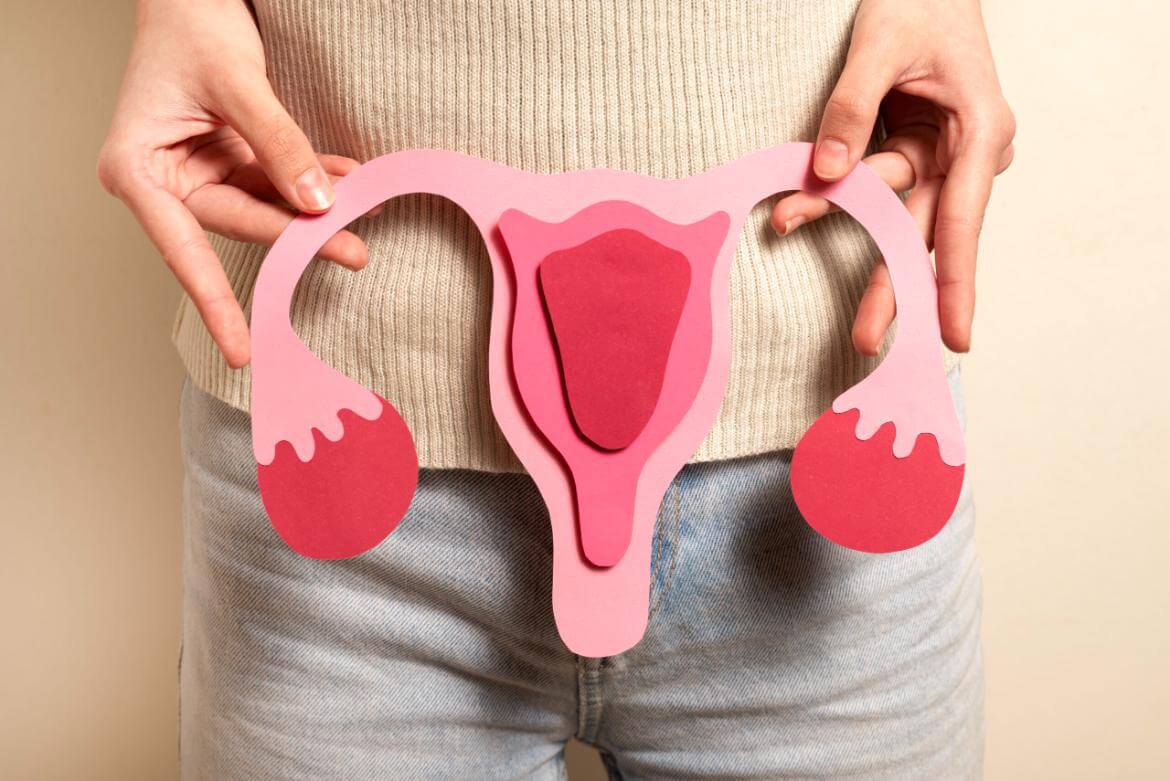
Vaginal Burning
Vaginal burning is a symptom defined as a burning, itching, or irritation sensation in the vaginal area. It's a fairly common complaint among women and can have a variety of causes. Vaginal burning can be felt inside or outside the vagina and may be more pronounced during or after intercourse.
What Causes Vaginal Burning?
Vaginal burning is a symptom that can be caused by a variety of factors. Below are some common causes of vaginal burning:
- Vaginal infections: Bacterial vaginosis, yeast infections (e.g., vaginal candidiasis), or sexually transmitted infections (e.g., chlamydia, gonorrhea) may cause vaginal burning.
- Vaginal dryness: Conditions such as decreased estrogen levels after menopause , certain medications, or breastfeeding can cause vaginal dryness, which can lead to a burning sensation.
- Vaginal irritation: Irritating chemicals such as perfumed soaps, deodorants, shower gels, or vaginal hygiene products can cause burning and itching in the vaginal area.
- Urinary tract infections: Due to the close anatomical relationship between the urethra and vagina, urinary tract infections can sometimes be associated with feelings of vaginal burning and discomfort.
- Allergic reactions: Condoms, spermicides, or other vaginal products containing rubber or latex may cause allergic reactions in some women and lead to vaginal burning.
- Hormonal changes: Hormonal changes such as pregnancy, changing birth control methods, or hormone therapy can also cause burning and tenderness in the vaginal area.
- Sexual activity: Vaginal friction and tenderness during intercourse can cause a burning sensation in some women.
- Dermatological problems: Skin diseases in the vaginal area such as eczema and lichen sclerosus can also cause burning.
- Foreign objects: Foreign objects inserted into the vaginal area by women (e.g. tampons, vaginal douches) can cause vaginal burning and irritation.
- Psychological factors: Psychological factors such as stress, anxiety, or depression can cause a vaginal burning sensation in some women.
Vaginal burning can be associated with many different causes, and it's important to consult a healthcare professional to determine the underlying cause. Proper diagnosis and treatment will help relieve symptoms and prevent potentially serious health problems.
Vaginal Burning Symptoms
Vaginal burning is a symptom described as a burning, itching, or irritation sensation in the vaginal area. Symptoms can vary depending on the underlying cause and severity. Typical symptoms of vaginal burning include:
- Burning sensation: You may experience a burning or shooting sensation in the vaginal area. This burning sensation can be mild or sometimes quite severe and uncomfortable.
- Itching: Itching in the vaginal area is also a common symptom and may occur along with a burning sensation.
- Irritation: Vaginal burning can often be felt outside the vagina, and there may be a feeling of irritation and discomfort in or around the vulva (external genital area).
- Pain: In some cases, vaginal burning may be accompanied by pain. This pain may be more pronounced during intercourse or urination.
- Discharge: An increase or change in vaginal discharge, accompanied by a burning sensation, may occur in association with vaginal infections or other vaginal problems.
- Urinary tract problems: Vaginal burning may be associated with urinary tract infections and may cause difficulty urinating or a frequent need to urinate.
- Discomfort during intercourse: Vaginal burning can cause discomfort and pain during intercourse.
- Redness and swelling: Redness and swelling around the vagina may also be among the symptoms of burning.
The underlying causes of vaginal burning can vary, and symptoms can vary depending on the type and severity of the cause. If you experience vaginal burning symptoms, it's important to consult a healthcare professional for diagnosis and treatment. A healthcare professional can make an accurate diagnosis through a physical examination and, if necessary, medical tests, and recommend appropriate treatment.
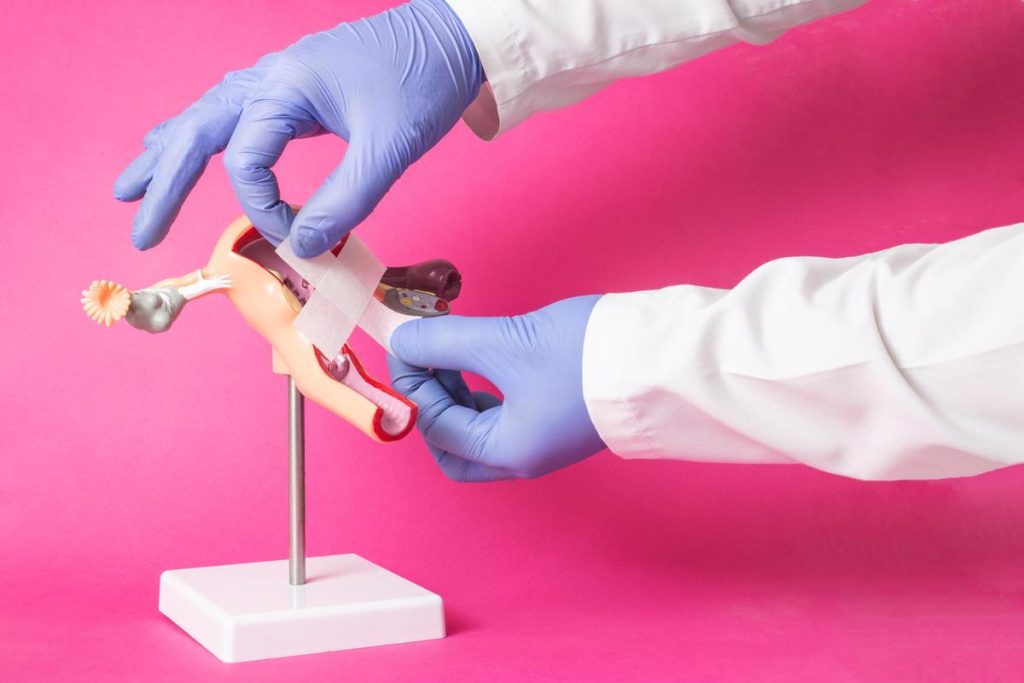
How is Vaginal Burning Diagnosed?
Vaginal burning is diagnosed by a healthcare professional to determine the underlying cause. Diagnosis may involve a series of steps, including:
- Medical history: Your healthcare provider will ask about the duration of symptoms, their severity, frequency, and other relevant details. Factors such as the patient's medical history, sexual activity, birth control methods used, pregnancy status, and medication use are also considered.
- Physical exam: The healthcare provider will examine the external genitalia to assess the vulva for irritation, redness, discharge, or other abnormalities.
- Vaginal swab culture: If symptoms suggest a vaginal infection, your healthcare provider may perform a vaginal swab culture. This involves taking a sample of the vagina and examining it in a laboratory for bacterial or fungal infections.
- Blood tests: In some cases, blood tests may be ordered to detect sexually transmitted infections or hormonal imbalances.
- Vaginal ultrasound: If the cause of vaginal burning is suspected to be a structural problem in the pelvic organs, a vaginal ultrasound may be performed.
- Hormonal evaluation: If vaginal burning is related to hormonal changes in the postmenopausal period, hormone levels may need to be evaluated.
- Other imaging tests: In rare cases, further imaging tests (e.g., MRI) may be necessary to determine the underlying cause of vaginal burning.
To diagnose vaginal burning, all of this information and test results are combined to identify the underlying cause. An accurate diagnosis is crucial for developing an appropriate treatment plan and managing symptoms.
How is Vaginal Burning Treated?
Treatment for vaginal burning varies depending on the underlying cause. Treatment may be related to vaginal infections, vaginal dryness, allergic reactions, or other causes. Treatment is determined by a healthcare professional, and the appropriate treatment plan is tailored to the severity of the patient's symptoms, health status, and other individual factors. Some methods used to treat vaginal burning include:
- Vaginal creams and ointments: Burning caused by vaginal infections (yeast infections or bacterial vaginosis) is often treated with antifungal or antibacterial vaginal creams and ointments. These medications can help relieve symptoms and control the infection.
- Hormone therapy: Hormone therapy may be considered for burning sensations caused by vaginal dryness after menopause . Hormonal products, such as vaginal estrogen cream or rings, can help moisturize and increase the elasticity of vaginal tissue.
- Allergy treatment: Burning sensations associated with allergic reactions can be treated by avoiding the substances that cause allergy symptoms and using antihistamine medications if necessary.
- Vaginal moisturizers: Vaginal moisturizers can be used to help relieve burning sensations caused by vaginal dryness. These help keep the vaginal area moist and comfortable.
- Regulation of sexual intercourse: Appropriate positions or lubricants can be used to avoid burning during sexual intercourse.
- Healthy hygiene: It's important to clean the vaginal area using soaps and cleansing products that don't contain irritating chemicals. Avoid perfumed products.
- Soothing compresses: Cold or soothing compresses can be used to relieve vaginal burning and itching.
- The right clothing: Wearing breathable, cotton underwear and avoiding tight clothing can also reduce vaginal burning.
It's important for people experiencing vaginal burning to consult a healthcare professional to determine the cause of their symptoms and receive appropriate treatment. Attempting self-diagnosis and treatment can worsen the problem. Proper treatment will help reduce symptoms and improve quality of life.
How to Treat Vaginal Burning?
To treat vaginal burning, it's important to first identify the underlying cause and develop an appropriate treatment plan. Therefore, anyone experiencing vaginal burning should consult a healthcare professional for an examination.
However, some home remedies can help relieve vaginal burning. However, these remedies don't treat the underlying cause; they can only provide temporary relief. Here are some home remedies worth highlighting:
- Cold application: You can apply cold to the vaginal area using ice packs wrapped in a clean cloth or a clean cloth soaked in cold water. This can help relieve irritation.
- Cotton underwear: To reduce irritation in the vaginal area, you can choose loose-fitting cotton underwear. Synthetic underwear can rub against the skin and cause irritation.
- Avoid irritating products: You should avoid scented soaps, scented toilet paper, or other chemical-based products that can irritate the vagina. Clean the vaginal area with warm water and a mild, unscented soap.
However, it's important to remember that vaginal burning can be a symptom of a serious underlying health problem. Therefore, while home remedies may temporarily relieve symptoms, it's important to consult a healthcare professional for permanent treatment and to identify the underlying cause. Attempting self-diagnosis and treatment can worsen the problem. Evaluation and appropriate treatment by a healthcare professional will help reduce symptoms and improve quality of life.
Is Vaginal Burning Allergic?
Evaluation and diagnosis by a healthcare professional is necessary to determine whether vaginal burning is allergic. Vaginal burning can be associated with many different causes, including allergic reactions.
If vaginal burning is suspected to be caused by an allergic reaction, careful evaluation should be performed to identify potential underlying allergens. Allergic reactions can cause irritation, itching, redness, and a burning sensation in the vaginal area. These allergens may include latex used in condoms or spermicides, the chemical ingredients of spermicides, tampons, vaginal douches, vaginal gels, and perfumed vaginal products.
However, vaginal burning can also be associated with different causes, such as:
- Vaginal infections (yeast infections, bacterial vaginosis, sexually transmitted infections)
- Vaginal dryness (postmenopause, breastfeeding, hormonal changes)
- Urinary tract infections
- Dermatological problems (such as eczema, lichen sclerosus)
- Friction and tenderness during or after sexual activity
- Hormonal changes
- Psychological factors (stress, anxiety)
Therefore, it's important for anyone experiencing vaginal burning to see a healthcare professional for an evaluation. A healthcare professional can make an accurate diagnosis through a physical examination and, if necessary, relevant tests, and recommend appropriate treatment. They can also guide you on home remedies to alleviate symptoms and provide relief.
