



Syphilis
Syphilis , also known medically as syphilis, is a bacterial infection caused by the bacterium Treponema pallidum. A sexually transmitted disease, syphilis is spread through sexual contact with an infected partner. However, it can be transmitted from mother to baby during pregnancy and, in rare cases, during birth or through a blood transfusion.
Syphilis generally develops in three stages: primary, secondary, and tertiary (late) stages. Different symptoms may occur at each stage:
Primary stage: This is the stage when the infection begins. A painless, hard, raised sore (chancre) develops on the genitals or in the mouth of the infected person. Chancres usually last 3 to 6 weeks and may heal on their own.
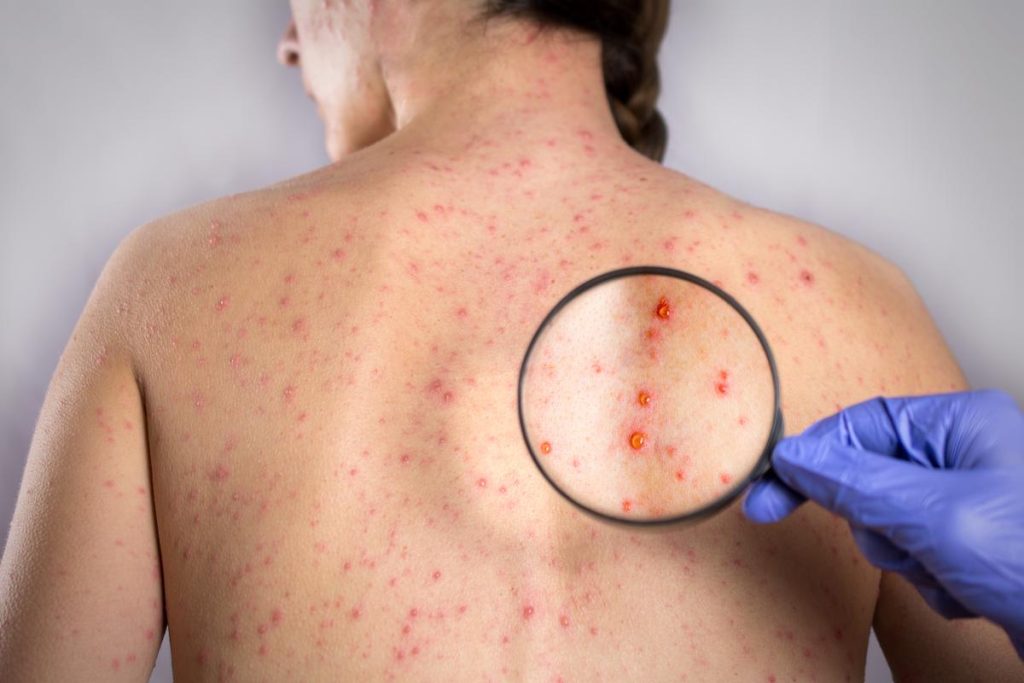
Secondary stage: After the chancre heals, symptoms such as a generalized rash, fever, headache, muscle aches, fatigue, and sore throat may appear. This stage usually develops within 2 to 8 weeks after the chancre.
Tertiary stage : If left untreated, syphilis can lead to more serious health problems later in life. The tertiary stage can develop years later and cause damage to the heart, brain, spine, skin, and other organs. Serious consequences can occur at this stage, including neurological problems, vision problems, mental disorders, and even death.
Syphilis can be successfully treated with antibiotics in its early stages. Early diagnosis and treatment are crucial because, if left untreated, syphilis can progress and cause more serious health problems. It's important to take precautions to protect yourself from sexually transmitted infections, such as using safe sex practices, regular screenings, and sexual health education.
How is syphilis transmitted?
Syphilis is a disease transmitted through sexual contact. It is transmitted during sexual intercourse (vaginal, anal, or oral) with an infected person, through contact with the partner's bodily fluids (blood, semen, vaginal fluid), or through wounds. Among diseases transmitted this way, syphilis is a highly contagious infection.
Some characteristics of syphilis transmission are:
- Sexual intercourse: Because syphilis is a sexually transmitted disease, it can be spread through vaginal, anal, or oral sex with an infected partner. Any type of sexual contact carries a risk of infection.
- Sores and mucous membranes: Syphilis is more easily transmitted through contact with an infected person's open sores or a hard, painless sore called a chancre. These sores usually appear on the genitals or in the mouth.
- Childbirth: If a pregnant woman has syphilis, the infection can be transmitted to the baby during birth. In this case, early diagnosis and treatment are important.
- Blood transfusion: In rare cases, syphilis can be transmitted through the blood or blood products of an infected person. However, thanks to blood donation procedures and testing, syphilis transmission this way is extremely rare today.
The most effective way to protect yourself from sexually transmitted infections (STDs) is to use protected sex methods. Latex condoms, dental dams, or barrier methods can help reduce the risk of infection. It's also important to get regular screening tests and receive sexual health education.
Who is more at risk for syphilis?
Syphilis is a sexually transmitted disease, and anyone can get it. However, certain factors can increase the risk of developing syphilis. Here are some factors that may increase your risk:
- Sexual risk factors: People who have multiple sexual partners, especially through unprotected sex, are at higher risk of contracting syphilis. For sexually active individuals, factors such as frequent sex with multiple partners, unprotected sex, and the presence of other sexually transmitted infections increase the risk.
- Other sexually transmitted infections: One factor that increases susceptibility to syphilis is the presence of other sexually transmitted infections. Infections such as HIV , in particular, can increase the risk of syphilis because sexually transmitted infections can negatively impact the immune system, making the body more vulnerable to other infections.
- Younger age: People in younger age groups may be at higher risk of contracting syphilis. This means that younger people are more susceptible to syphilis because sexual activity is more common and unprotected sex occurs more frequently.
- Past history of syphilis: Individuals who have had syphilis in the past are at risk of reinfection. Even after syphilis is treated, reinfection can occur through unprotected sexual intercourse.
- Pregnant women: Syphilis can be transmitted from mother to baby during pregnancy. Therefore, pregnant women are at risk of contracting syphilis, which can affect the baby's health.
To protect yourself from syphilis, it's important to use sexually transmitted infection prevention methods, get regular screenings, and receive sexual health education. If you notice symptoms of syphilis or have been exposed to risk factors, it's important to consult a healthcare professional.
What are the symptoms of syphilis?
Syphilis is a sexually transmitted infection caused by the bacterium Treponema pallidum. Symptoms of syphilis can appear in three stages: primary, secondary, and tertiary.
Primary Stage Symptoms:
- It is usually transmitted through sexual contact, and the first symptom of infection is a painless sore or ulcer that appears at the site of sexual contact. This sore usually appears on the penis, vagina, anus, or mouth.
- An ulcer may appear as a single sore or sometimes as multiple sores.
- The wound usually heals on its own within 2 to 6 weeks.
Secondary Stage Symptoms:
- It occurs several weeks or months after the primary stage.
- Rashes appear as red or brown spots on various parts of the body. These rashes are usually found on the palms or soles of the hands or feet.
- Flu-like symptoms such as fever, headache, sore throat, muscle aches, fatigue, and loss of appetite may occur.
- Enlargement of the lymph nodes may be observed.
Tertiary Stage Symptoms (Late Stage Symptoms):
- It can occur in cases of untreated syphilis. This stage can last for years.
- Symptoms usually appear as nodules, lesions, or tumors on the skin.
- It can cause damage to internal organs and affect organs such as the heart, brain, spine, and eyes.
- Serious complications such as nervous system problems, mental disorders, paralysis, and vision or hearing loss may develop.
Syphilis symptoms can vary from person to person, and sometimes they can be mild or invisible. The most important step to prevent sexually transmitted infections is to have regular sexual health checkups and practice protected sex with sexual partners. If syphilis is suspected, it's important to consult a healthcare professional.
How is syphilis diagnosed?
History and Physical Examination: The doctor will assess the patient's symptoms, sexual history, and risk factors. During the physical examination, they will look for lesions, rashes, or other symptoms.
Blood Tests: Blood tests are used to detect the presence of or antibodies to the bacterium Treponema pallidum, which causes syphilis. The most commonly used tests include:
- Non-treponemal Tests: Tests such as VDRL (Venereal Disease Research Laboratory) or RPR (Rapid Plasma Reagin) are used to detect the presence of antibodies. A positive result indicates the presence of infection, but confirmatory testing is necessary for a definitive diagnosis.
- Treponemal Tests: Tests such as TPHA (Treponema Pallidum Hemagglutination Assay) or TP-PA (Treponema pallidum Particle Agglutination) confirm the presence of antibodies to the Treponema pallidum bacterium.
Confirmatory Tests: Confirmatory tests are used when non-treponemal tests are positive or when treponemal test results are uncertain. For example, tests such as TPHA or FTA-ABS (Fluorescent Treponemal Antibody Absorption) may be performed.
Additional Tests: Once syphilis is diagnosed, additional tests may be performed to assess whether other organ systems are affected. These tests may include a cerebrospinal fluid analysis, an eye exam, an ECG (electrocardiogram), and other imaging tests.
How is syphilis treated?
Treatment for syphilis usually involves the use of antibiotics. Below is information about the medications commonly used to treat syphilis and the treatment process:
Penicillin Antibiotics: The most effective and widely used medications for treating syphilis are penicillin antibiotics. They are usually administered in injectable form. The treatment process can vary depending on the stage and severity of the infection. Primary and secondary syphilis are usually treated with a single injection, while tertiary syphilis may require longer treatment.
- Alternative Antibiotics: Alternative antibiotics may be used for individuals allergic to penicillin. These may include tetracycline, doxycycline, erythromycin, or azithromycin. These alternative treatments are determined by the doctor and recommended based on the patient's condition.
- Treatment and Follow-Up: Syphilis treatment typically takes a few weeks to a few months. It's important to complete treatment and take medications regularly. Following treatment, it's important to attend regular follow-up appointments as scheduled by your doctor.
- Treatment of Sexual Partners: Syphilis is a contagious disease, so sexual partners of infected individuals should also be treated. Untreated partners can spread the infection and become reinfected. It is important to test and treat sexual partners.
- Avoid Sexual Intercourse: It's important to abstain from sexual intercourse during syphilis treatment. Protected sex with sexual partners is essential throughout the treatment process to prevent the spread of sexually transmitted infections.
It's important to consult a healthcare professional for more specific information and a treatment plan for syphilis. Instead of self-treating, it's important to work with a physician who can provide appropriate treatment and follow-up.
Frequently asked questions about syphilis
Is syphilis a fatal disease?
Syphilis is a disease that can cause serious health problems if left untreated, but it is not classified as a directly fatal disease. Syphilis is an infection that can progress over time and affect different organ systems in the body.
In the later stages of syphilis, it can cause serious complications, especially if left untreated.
Is there a vaccine for syphilis?
No, there is no vaccine against syphilis. Because syphilis is an infection caused by the bacterium Treponema pallidum, developing an effective vaccine against the bacterium is a challenging task.
However, there are effective ways to protect yourself from sexually transmitted infections. Sexual health education, regular sexual health checkups, protected sex (using condoms), and maintaining a faithful and single sexual partner can help prevent the spread of syphilis and other sexually transmitted infections.
Can a mother with syphilis give birth to a healthy child? Can the disease be transmitted to the baby?
Syphilis poses a serious risk to pregnant women because it can be transmitted from mother to fetus during pregnancy. Therefore, routine syphilis screening is recommended for pregnant women.
If a pregnant woman has syphilis and it is not treated, the infection can pass to the fetus and cause serious complications in the baby, such as birth defects, low birth weight, stillbirth, or premature birth.
However, with early diagnosis and appropriate treatment, pregnant women can be protected from syphilis and have healthy babies. If a pregnant woman has syphilis, she should be guided by her doctor to begin appropriate treatment.
Babies born to women with treated syphilis are not infected, but caution may be necessary during or after treatment and during delivery. Doctors may perform postnatal testing to determine if the baby was infected during birth.
