


Chlamydia
Chlamydia is a common sexually transmitted infection caused by the bacterium Chlamydia trachomatis. It is one of the most commonly reported sexually transmitted infections worldwide.
Chlamydia infection is usually transmitted through sexual contact, but can be passed from mother to baby during birth.
It can be spread through contact with an infected person during vaginal, anal, or oral sex. Chlamydia typically lodges in the genitals, rectum, or throat of an infected person.
What are the symptoms of chlamydia?
Chlamydia infection can be asymptomatic or very mild in some people. Therefore, many infected people don't realize they are infected. However, some people who do have symptoms may experience the following:
In women:
- Vaginal discharge: Women with chlamydia often complain of abnormal vaginal discharge. The discharge may be colorless or slightly yellow and thick.
- Burning or pain during urination: Chlamydia infection can affect the urinary tract and cause burning or pain during urination.
- Bleeding outside of menstrual periods: Some women with chlamydia may experience light bleeding outside of their menstrual periods.
- Abdominal pain: A chlamydia infection can cause pain in the lower abdomen or pelvis.
- Pain or bleeding during intercourse: Chlamydia infection can cause pain or bleeding during intercourse.
In men:
- Penile discharge: Men with a chlamydia infection may notice a discharge from their penis. The discharge is usually colorless or slightly yellow.
- Burning or pain while urinating: Chlamydia infection can affect the urinary tract, causing burning or pain while urinating.
- Testicular pain or swelling: In some men, chlamydia infection can cause pain or swelling in the testicles.
- Pain in the groin area: Chlamydia infection can cause pain in the groin area.
- Pain or bleeding during intercourse: Chlamydia infection can cause pain or bleeding during intercourse.
Because chlamydia infection is often mild or asymptomatic, it's important for infected individuals to get tested. Chlamydia is treated with antibiotics. Sexual partners of infected individuals should also be tested and treated if necessary.
What are the complications of chlamydia?
If left untreated or not treated with sufficient care, chlamydia infection can lead to various complications. Potential complications of chlamydia infection include:
- Pelvic Inflammatory Disease (PID): Chlamydia infection can cause infections in the uterus, fallopian tubes, or ovaries in women. This condition is called pelvic inflammatory disease. PID can cause chronic pelvic pain, damage to pelvic organs, blocked fallopian tubes, infertility, and an ectopic pregnancy.
- Tubal Blockage: Chlamydia infection can cause inflammation and blockage of the fallopian tubes in women. This prevents sperm and egg from meeting, reducing the chance of pregnancy. Tubal blockage can lead to infertility.
- Infertility: Chlamydia is a factor that can cause infertility in both men and women. Damage to the fallopian tubes, uterus, or ovaries caused by the infection can prevent pregnancy.
- Ectopic Pregnancy: Chlamydia infection can damage and block the fallopian tubes. Blocked fallopian tubes can prevent a fertilized egg from reaching the uterus, increasing the risk of an ectopic pregnancy. An ectopic pregnancy is when a fetus grows outside the uterus, usually in the fallopian tubes, and requires immediate medical attention.
- Reactive Arthritis: Chlamydia infection can sometimes cause joint inflammation (arthritis). This condition is called reactive arthritis. It is characterized by pain, swelling, and redness, usually in the ankles, knees, or back.
- Other Complications: Chlamydia infection can also lead to prostatitis in men, urinary tract infections, inflammation of the reproductive organs, and eye and lung infections in babies born with obstetrics.
To prevent potential complications of chlamydia infection, it is important to diagnose and treat the infection early.
How is chlamydia diagnosed?
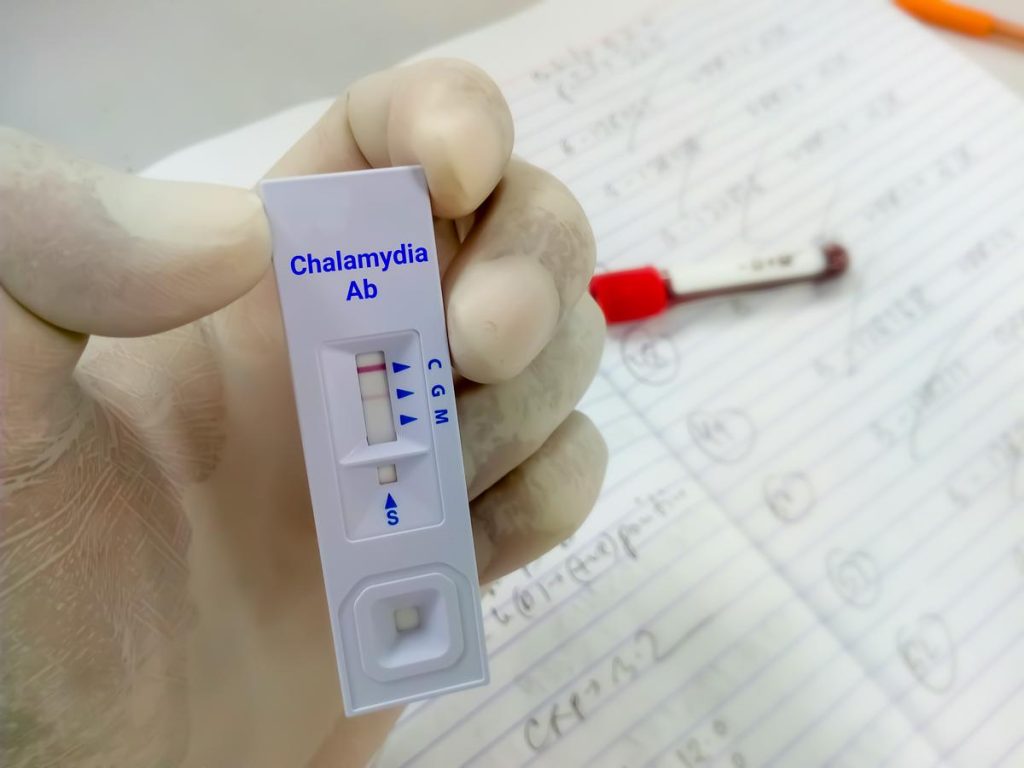
Chlamydia infection is usually diagnosed through laboratory testing. Below are some common testing methods used to diagnose chlamydia infection:
- Nucleic Acid Amplification Testing (NAAT): NAAT is the most sensitive and specific test for chlamydia infection. This test can be performed using a urine sample or a swab taken from areas with symptoms of sexually transmitted infection (vagina, penis, rectum, or throat). NAAT detects the genetic material (DNA or RNA) of the infection-causing bacterium Chlamydia trachomatis.
- Antigen Testing: Antigen tests are another method used to detect chlamydia infection. These tests detect chlamydia antigen in a urine sample or swab.
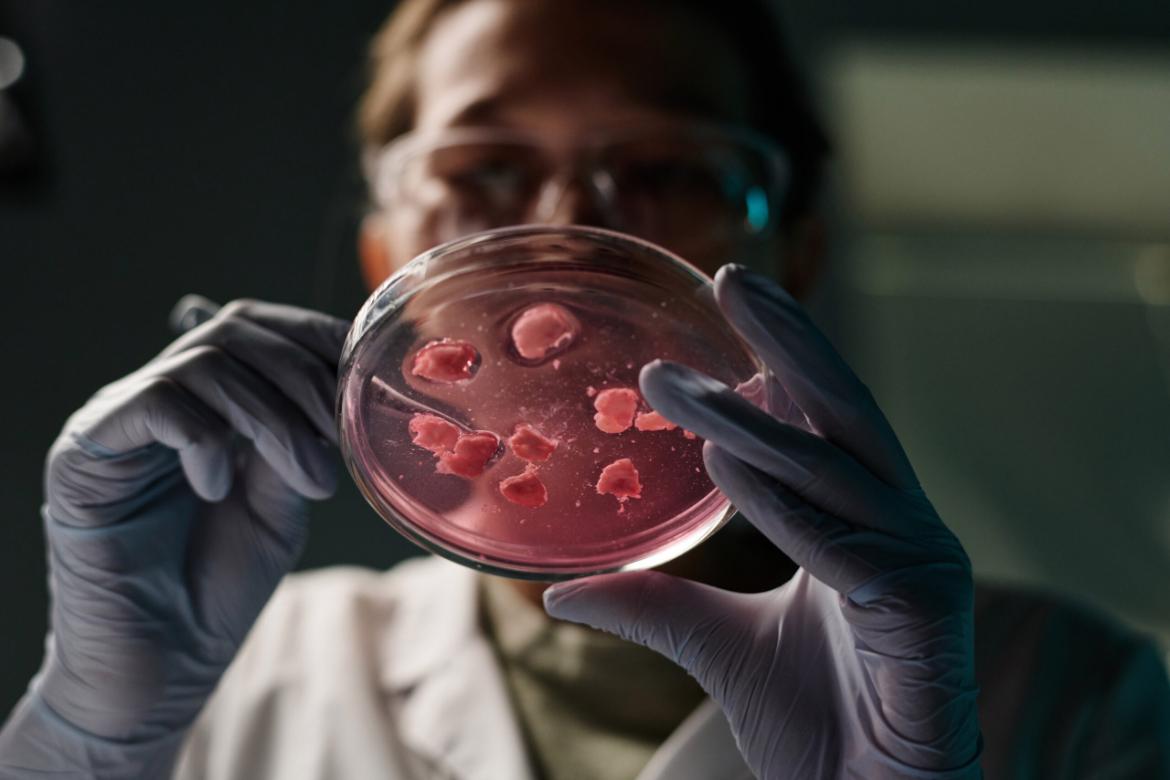
- Culture Test: This is a rarely used method for diagnosing chlamydia infection. This test involves isolating chlamydia bacteria from a sample and growing them in a laboratory setting. However, culture testing can take longer and may be less sensitive than other methods.
- Self-Testing Kits: Some self-testing kits allow you to detect chlamydia infection at home. These kits typically use a urine sample or swab and provide results within a specific timeframe. However, it's important to contact your doctor or healthcare professional to verify the accuracy and reliability of these tests.
If you suspect chlamydia or are concerned about sexually transmitted infections, it's important to talk to your healthcare provider. They can determine the right testing method and guide treatment if necessary.
How is chlamydia treated?
Chlamydia infection is usually treated with antibiotics. The following factors should be considered during treatment:
- Medication: The most commonly used antibiotics for chlamydia infection include azithromycin and doxycycline. These medications are typically prescribed as a single dose or as a multi-day treatment regimen. The medications are used to treat the infection and relieve symptoms.
- Partner Treatment: The sexual partner(s) of a person diagnosed with chlamydia should also be treated. This is important to prevent the spread of infection and reduce the risk of reinfection. Sexual partners may also need to be tested and, if necessary, receive medication.
- Avoiding Sexual Intercourse: It is important to avoid sexual intercourse during treatment. Sexual activity should be avoided until treatment is completed. Otherwise, there is a risk of spreading the infection.
- Correct Use of Medications: Medications should be used at the correct dose and for the correct duration as prescribed by your healthcare professional. It is important to take medications regularly and complete the full course of treatment. Medications should be used for the full duration, even if symptoms disappear.
- Follow-up Tests: After treatment is completed, follow-up tests may be performed in some cases. These tests are used to confirm whether the chlamydia infection is completely gone. It's important to have regular follow-up tests as recommended by your healthcare provider.
Chlamydia infection can lead to complications if left untreated or if inadequate care is not taken during treatment. Therefore, it is important to carefully follow all instructions and recommendations when diagnosing and treating chlamydia. It is also important to have regular sexual health checkups and use contraceptive methods to protect yourself from sexually transmitted infections.
Who is at risk for chlamydia?
Because chlamydia is a sexually transmitted infection, anyone who has sexual intercourse is at risk for chlamydia. However, certain groups are at higher risk. Some groups of people at higher risk of chlamydia include:
- Sexually Active Teens and Young Adults: Teens and young adults are at higher risk for chlamydia infection because of their increased sexual activity and tendency to have new sexual partners.
- People with Multiple Sexual Partners: Individuals with multiple sexual partners are at increased risk of chlamydia infection. Each new sexual partner increases the risk of spreading the infection.
- Unprotected Sex: Unprotected sex without a condom increases the risk of chlamydia infection. Chlamydia can be transmitted through vaginal, anal, or oral sex.
- Those with a Past Chlamydia Infection: People who have had a previous chlamydia infection are at risk of reinfection. Even if the initial infection is treated, there is still the possibility of developing a new infection.
- People with HIV: People who are HIV positive are more prone to chlamydia and other sexually transmitted infections because of their weakened immune systems.
- Women Using an Intrauterine Device (IUD): Women who use an intrauterine device (IUD) have a slightly higher risk of chlamydia infection. The presence of an IUD may increase the likelihood of chlamydia infection reaching the uterus.
Individuals at risk of chlamydia infection should have regular sexual health checkups, be aware of sexually transmitted infections, and use proper contraceptive methods. Open and honest communication between sexual partners is crucial for preventing infection.
What can be done to reduce the risk of chlamydia infection?
- Using Condoms: Condoms are an effective way to prevent the spread of chlamydia and other sexually transmitted infections. Proper use of condoms during sexual intercourse reduces the risk of infection. It's important to use a new condom each time you have sex.
- Regular Sexual Health Checkups: Everyone who is sexually active should have regular sexual health checkups. These checkups allow for early detection of chlamydia and other sexually transmitted infections. Early diagnosis speeds up treatment and prevents the spread of the infection.
- Sexual Partner Selection and Communication: Choosing a sexual partner is important. Having sex with a trusted partner reduces the risk of infection. Furthermore, open and honest communication with your partner allows for the sharing of information about sexual health.
- Avoiding Sex: Abstaining from sex or postponing sexual activity is the surest way to reduce your risk of infection. This is especially true if you have new partners or have been exposed to sexually transmitted infections like chlamydia.
- Get Tested Together with Your Partner: It's important for both partners to have sexual health tests before starting a relationship with a new sexual partner. This is important to reduce the risk of infection and to initiate treatment.
- Paying Attention to Hygiene Rules: Maintaining good hygiene and cleanliness helps reduce the risk of infection. It's especially important to clean the genital area after sexual activity.
It's important to follow these precautions to reduce the risk of chlamydia infection. However, they can't completely eliminate the risk. Therefore, it's important to be aware of sexual health issues, get regular checkups, and see your healthcare provider immediately if you experience symptoms of infection.
