



Swine Flu
Swine flu is a type of influenza infection caused by the H1N1 influenza virus. This virus is common among pigs but can sometimes infect humans and cause a serious flu epidemic.
Swine flu is spread between people through coughing, sneezing, or direct contact. Symptoms are similar to other types of flu and can include fever, cough, sore throat, headache, fatigue, muscle and joint pain. Nausea, vomiting, and diarrhea may also occur in some cases.
Swine flu usually has mild symptoms, but it can lead to serious complications in some people.
At-risk groups include pregnant women, children, the elderly, and individuals with weakened immune systems. Therefore, flu vaccination is recommended to protect against swine flu. Swine flu is generally treated like seasonal flu.
What are the symptoms of swine flu?
Swine flu (A/H1N1) symptoms are often similar to other types of flu. They may include:
- Fever: High fever (38°C or above) is usually observed.
- Cough: A dry or productive cough may occur.
- Sore throat: There may be a feeling of discomfort or pain in the throat.
- Nasal congestion or runny nose: A feeling of stuffiness in the nose or a runny nose may be observed.
- Headache: Severe headaches may occur.
- Fatigue and weakness: A feeling of severe weakness or exhaustion may occur.
- Muscle and joint pain: Pain and tenderness may be felt throughout the body.
- Diarrhea and vomiting: Nausea, vomiting, and diarrhea may occur in some cases. However, these symptoms do not always occur.
Swine flu symptoms can vary from person to person, and some people may experience mild symptoms while others may experience more severe symptoms. Pregnant women, children, the elderly, and individuals with weakened immune systems are particularly at risk and may experience more serious complications.

How is swine flu diagnosed?
Diagnosis of swine flu (A/H1N1) is usually made based on symptoms and signs. However, laboratory testing is required for a definitive diagnosis. Here are some common methods used to diagnose swine flu:
- PCR Test: The polymerase chain reaction (PCR) test is the most common method used to detect the genetic material of the influenza virus. A nasal or throat swab is taken and sent to a laboratory to determine the presence of the virus.
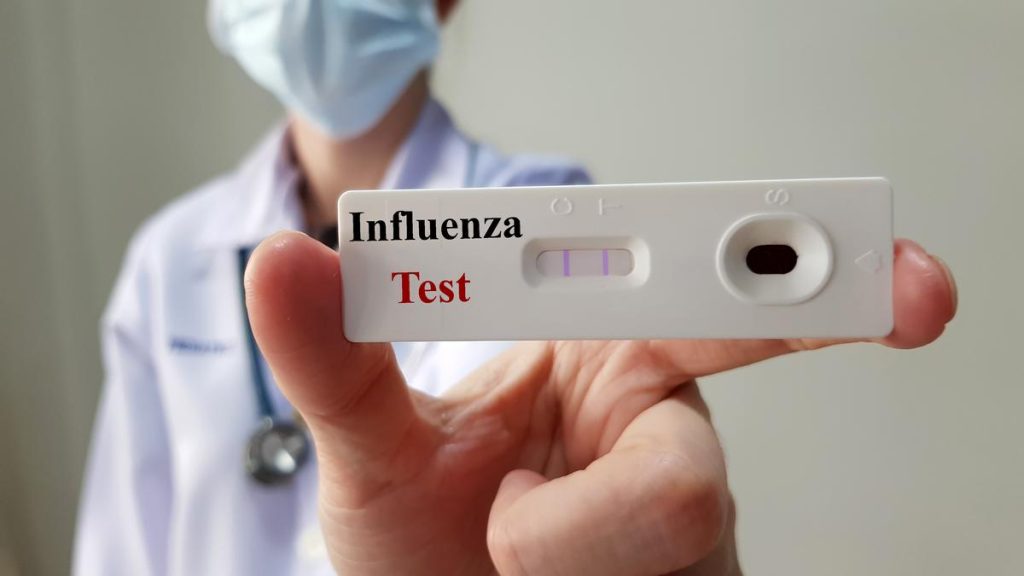
- Antigen Testing: Antigen testing is used to detect specific proteins found on the surface of the influenza virus. This test is a rapid diagnostic method commonly used in the early stages of illness.
- Antibody Testing: Antibody testing is used to detect antibodies the body has produced against the swine flu virus. This test can be helpful in detecting more advanced stages of the disease or a previous infection.
Your doctor will evaluate your symptoms and order tests if necessary. Laboratory testing is important because swine flu is diagnosed based on similar symptoms that can be confused with other types of influenza or respiratory infections. An accurate diagnosis is crucial for ensuring appropriate treatment and management.
What are the treatment methods for swine flu?
Treatment for swine flu (A/H1N1) focuses on relieving symptoms, reducing the risk of complications, and promoting recovery. Common methods used in swine flu treatment include:
- Medications: Antiviral medications are the mainstay of swine flu treatment. They can be especially effective when used within 48 hours of the onset of symptoms. The most commonly used antiviral medications are oseltamivir (Tamiflu) and zanamivir (Relenza). These medications can reduce the severity and duration of symptoms by inhibiting the spread of the virus.
- Relieving symptoms: Antipyretic medications (such as acetaminophen or ibuprofen) can be used to relieve symptoms such as fever, aches, and sore throat. Plenty of fluids, rest, and proper nutrition are also important.
- Supportive care: Rest, adequate fluid intake, a healthy diet, and measures to boost body resistance play an important role in swine flu treatment. This helps the body fight the infection and speeds up the recovery process.
- Complication management: Swine flu can cause serious complications, particularly in at-risk groups. In these cases, hospitalization may be necessary. Treatment of respiratory distress, pneumonia, or other complications may require appropriate medical intervention.
Starting treatment early is important to alleviate symptoms and reduce the risk of complications.
How is swine flu transmitted?
- Respiratory : Swine flu can be spread by breathing in virus-containing droplets released into the air when an infected person coughs or sneezes. These droplets can be inhaled by another person in close contact with an infected person.
- Contact : The swine flu virus can be spread through hands, by touching an infected person or an infected surface. The virus can then enter the body through hands touching the mouth, nose, or eyes.
- Surfaces: The swine flu virus can be transmitted to surfaces or objects touched by an infected person. People can become infected by touching surfaces or objects that have been touched by the virus, especially if they touch their mouth, nose, or eyes.
- Transmission from Pigs to Humans: Swine flu is a virus commonly found in pigs. It can be transmitted to humans through direct contact with pigs or through consumption of infected pork products (meat, feces, fluids, etc.). However, cases of sustained and easy transmission of swine flu between pigs and humans are rare.
Swine flu is contagious and the following precautions should be taken to reduce the risk of transmission:
- Frequent hand cleaning, especially with soap and water or using alcohol-based hand sanitizers.
- Covering your mouth and nose when coughing and sneezing, if possible with a disposable tissue or the inside of your inner fold.
- Staying home and limiting close contact with others when you are infected.
- Using a face mask in crowded environments.
- Regular cleaning and disinfection of contact surfaces.
These measures help reduce the spread of swine flu and other respiratory infections.
Who is at high risk for flu complications?
Flu complications can be more serious in some people. Some groups of people at higher risk for flu complications include:
- Elderly (ages 65 and older): Older adults are at higher risk for flu complications. Because their immune systems are weakened, they are more likely to develop serious illnesses and complications like pneumonia.
- People with chronic health problems: People with chronic lung diseases (such as asthma, COPD), heart diseases, kidney diseases, liver diseases, diabetes, those with weakened immune systems (HIV/ AIDS , those receiving cancer treatment), and obesity are at risk for flu complications.
- Pregnant women : Pregnancy is a time when the immune system changes, making you more susceptible to flu complications. Serious complications can occur that can affect both mother and baby.
- Children: Children under 5 are at higher risk for flu complications. Children under 2, in particular, may be more susceptible to serious complications because their respiratory and immune systems are not yet fully developed.
- Nursing home residents and people requiring long-term healthcare: People requiring long-term healthcare, such as residents of nursing homes or people with chronic illnesses, are at increased risk for flu complications.
These risk groups should be more vigilant against influenza infection. Flu vaccination plays an important role in protecting these individuals. Furthermore, early diagnosis and treatment when symptoms appear are also important to reduce the risk of complications.
