


Shingles
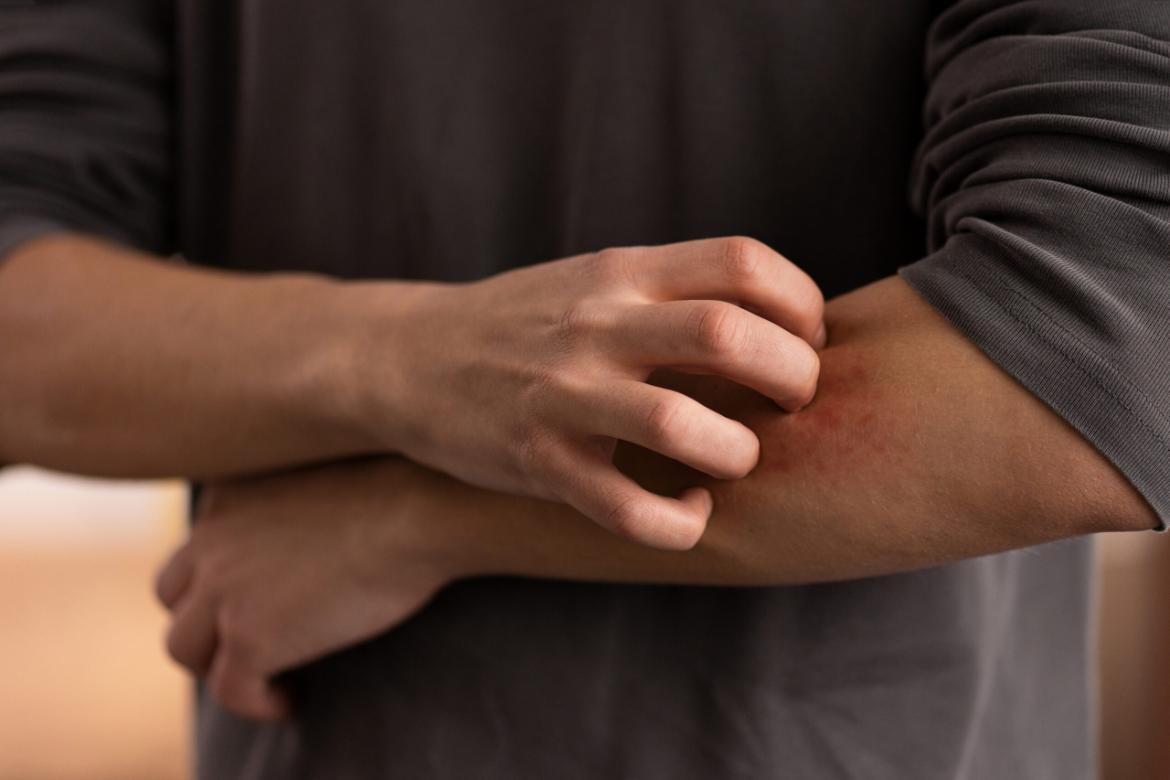
Shingles is a disease caused by an infection with the same virus, varicella-zoster virus (VZV). This virus also causes chickenpox. After a person recovers from chickenpox, VZV lodges in the nerve roots and persists in the body's nervous system. In some cases, the virus can reactivate and travel along the nerves, causing shingles. Shingles is characterized by a red rash, blisters, and severe pain, usually in one area.
It most commonly occurs around the trunk or on one side of the face, but it can also affect other parts of the body. Pain may begin even before the blisters appear and may last until the shingles lesions crust over.
Shingles is more common in people with weakened immune systems or in older adults. Stress, trauma, and certain medications or treatments can also increase the risk of shingles.
What are the causes of shingles?
The primary cause of shingles is the reactivation of the varicella-zoster virus (VZV). This virus lies dormant in the nervous system of people who have previously had chickenpox. When the immune system weakens or other triggering factors are present, the virus can reactivate and cause shingles. Below are the main causes of shingles:
- Weakened immune system: Shingles is more common in people with weakened immune systems. Causes include aging, cancer treatment (chemotherapy or radiation), organ transplantation, diseases that affect the immune system, such as HIV/ AIDS , and medications that suppress the immune system, such as corticosteroids.
- Aging : Advancing age can lead to a weakened immune system, increasing the risk of VZV reactivation. Therefore, shingles is generally more common in older people.
- Stress and trauma: Being under intense stress or experiencing severe trauma can negatively impact the immune system and increase the likelihood of VZV becoming activated.
- Other diseases: Certain chronic diseases, especially types of cancer such as lymphoma and leukemia, can increase the risk of shingles.
- Immunosuppressant drugs: Drugs that suppress the immune system, such as corticosteroids, can increase the risk of shingles.
- Organ transplant: Immunosuppressive medications taken after organ transplantation may increase the likelihood of VZV reactivation.
These factors play a significant role in the causes of shingles. However, a specific triggering factor isn't always necessary; sometimes shingles can appear suddenly and without any apparent cause.
What are the symptoms of shingles?
Shingles, also known as shingles or herpes zoster, is a type of infection caused by viruses. Symptoms of shingles typically include:
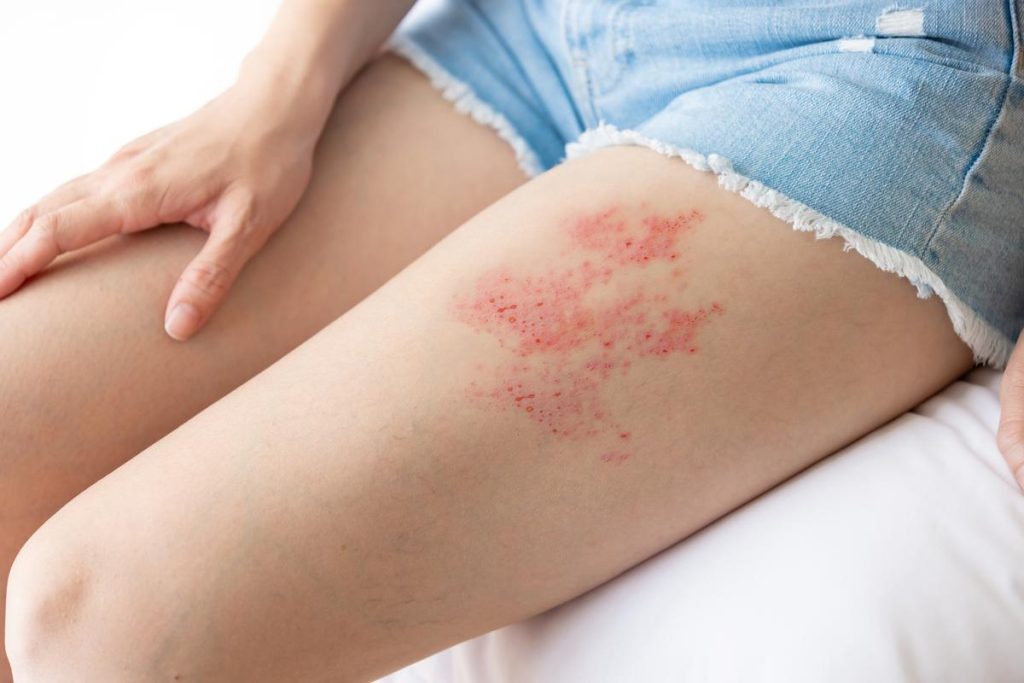
- Skin rash: The most distinctive symptom of shingles is the development of red blisters and fluid-filled vesicles in the affected area. These rashes usually appear on one side of the body, such as the waist, chest, face, or neck.
- Severe pain: A shingles rash is often preceded by a severe pain or burning sensation. This pain may also be felt as tenderness, tingling, or itching in the area.
- Itching: Itching may occur in the area where the shingles rash is located. However, itching is usually less severe than pain.
- Burning sensation: A burning sensation may occur in the affected area associated with a shingles infection. This sensation is usually concentrated in the area where the skin rash is present.
- Blisters rupture and crust: The shingles rash begins as fluid-filled blisters that rupture within a few days. After the blisters rupture, crusting and scabs form.
- Fever: In some cases, a mild fever may occur along with the shingles infection.
How is Shingles Diagnosed?
The diagnosis of shingles (herpes zoster) is usually made based on clinical symptoms and physical examination.
- Evaluating the patient's symptoms: Shingles usually begins with one-sided pain, burning, or tingling. Later, a rash appears in the affected area. The doctor will ask about the duration of the symptoms, their severity, and how they progress.
- Physical examination: Your doctor will examine the area where the rash is located. Shingles rashes are usually located on one side, such as the waist, chest, face, or neck. The rash may appear as fluid-filled blisters, which may rupture and crust over, forming scabs.
- Patient's medical history: The doctor may ask whether the patient has been previously exposed to the varicella zoster virus (chickenpox) and whether they have had shingles before. If they have had chickenpox before, the virus remains dormant in the body and can reactivate later as shingles.
- Laboratory tests: While not usually used routinely, laboratory tests may sometimes be performed to diagnose shingles. These tests can be used to confirm shingles infection or rule out other illnesses. Blood tests may be performed to detect the presence of viral antibodies or to confirm active infection.
Diagnosis of shingles is usually based on clinical symptoms. However, in some cases, a doctor may use other tests. If shingles is suspected, it is important to consult a healthcare professional and receive a professional evaluation for proper diagnosis and treatment.
How is Shingles Treated?
Treatment for shingles (herpes zoster) aims to relieve symptoms, control the infection, and prevent complications. Treatment generally includes the following:
- Antiviral medications : Antiviral medications are used to treat shingles. These medications stop the virus from multiplying, reducing the spread and duration of the infection. Antiviral medications such as acyclovir, valacyclovir, or famciclovir are usually prescribed. These medications should be used early in the infection for best results.
- Pain management: Shingles can be painful, so pain management is important. Your doctor may recommend prescription or over-the-counter pain relievers (such as acetaminophen or ibuprofen) to relieve pain. For severe pain, stronger pain management methods, such as opioid painkillers or nerve blocks, may be used.
- Topical creams or lotions: Topical creams or lotions can be used to relieve itching and rash. Your doctor may recommend creams or lotions containing corticosteroids or antihistamines.
- Scab prevention and care: When a shingles rash forms crusts and scabs, it's important to keep the area clean and dry. Your doctor may recommend removing the crusts with antiseptic solutions or ointments to reduce the risk of infection.
- Treating complications : Shingles can sometimes cause complications, particularly postherpetic neuralgia, also known as nerve pain. In this case, your doctor may recommend different treatment options to relieve nerve pain, such as anticonvulsant medications, antidepressants, or topical capsaicin creams.
Shingles treatment aims to relieve symptoms, control the infection, and prevent complications. Treatment can vary depending on the individual case and severity of symptoms. Therefore, if you have been diagnosed with shingles, you should thoroughly discuss your treatment options with your doctor.
What are the ways to protect yourself from shingles?
- Shingles vaccine: The shingles vaccine is an effective way to prevent shingles infection and reduce the risk of shingles. The inactivated shingles vaccine, called Shingrix, is recommended for adults age 50 and older who have a history of chickenpox (varicella zoster virus). It is administered in two doses and offers high protection.
- Personal hygiene: Personal hygiene measures can help reduce the spread of shingles and the risk of infection. It's important to follow hygiene practices, such as washing your hands regularly, cleaning high-touch surfaces, and washing your hands after touching an infected area.
- Strengthening the immune system: A strong immune system is important for protecting against shingles. Maintaining a healthy lifestyle, eating a balanced diet, exercising regularly, getting enough sleep, and avoiding stress can all help strengthen the immune system.
- Chickenpox vaccine: Shingles occurs when the chickenpox virus is reactivated. People who have received the chickenpox vaccine have a lower risk of developing chickenpox, thus reducing their risk of developing shingles. Getting the chickenpox vaccine is important for protecting against shingles.
- Avoiding contact with people who have an active shingles infection can increase the risk of transmitting the virus. If you are around someone who has an active shingles infection, it's important to avoid contact.
While it may not always be possible to completely prevent shingles, following the precautions above can help reduce your risk of shingles. Vaccination, in particular, is an effective way to prevent shingles. It's important to consult your doctor for specific recommendations specific to your health.
When do shingles rash and sores heal?
Shingles (herpes zoster) rashes and sores usually heal over time. The healing process can vary from person to person, but it generally goes through the following stages:
- Rash onset: When a shingles infection begins, a rash appears in the affected area, including redness, blisters, and fluid-filled vesicles. These rashes usually disappear within 2 to 3 days.
- Blisters rupture and crust: As the blisters of the rash rupture, crusting and scabs form at the site. The rash is most contagious at this stage.
- Scabs fall off: Scabs usually fall off within 2 to 3 weeks. During this time, the scabs complete their healing process and new skin forms underneath.
- Healing: A shingles rash usually takes 2 to 4 weeks to heal completely. However, in some cases, it may take longer before the rash heals. Healing may be longer, especially for older adults or people with weakened immune systems.
During the healing process, it's important to pay attention to the affected area and reduce the risk of infection. Keeping the area clean and dry to encourage crusts to dry and fall off, and using antiseptic solutions or ointments may be recommended. Additionally, if you experience pain or severe symptoms, taking painkillers recommended by your doctor can also help ease the healing process.
In any case, the symptoms and recovery from shingles can vary from person to person. If you have shingles, your doctor can provide specific advice and schedule regular checkups to monitor your healing progress.
Who cannot get the shingles vaccine?
The shingles vaccine (Shingrix) is generally recommended for adults over the age of 50 who have a history of chickenpox (varicella zoster virus). However, in some cases, the vaccine may not be recommended or may require careful consideration. The shingles vaccine should not be administered and should be used with caution:
- Hypersensitivity to vaccine components: The shingles vaccine should not be administered to individuals who are hypersensitive or allergic to any of its components.
- Pregnancy: The shingles vaccine is generally not recommended during pregnancy. Those who are pregnant or planning a pregnancy should talk to their doctor before getting the vaccine.
- Severe immunodeficiency: People with severely weakened or suppressed immune systems should not receive the shingles vaccine. For example, those undergoing active cancer treatment or those with severe immunodeficiency should avoid the vaccine.
- Acute illness or fever: The vaccine is generally not administered to individuals with acute illness or high fever. Such conditions may reduce the effectiveness of the vaccine or increase side effects.
- Current or recent use of corticosteroids: The effectiveness of the vaccine may be reduced in individuals receiving high doses of corticosteroids. In these cases, corticosteroid use should be discontinued or reduced, and the appropriate timing of vaccination should be determined by the physician.
In any case, it is important to consult your doctor before making any decision about the shingles vaccine.
