


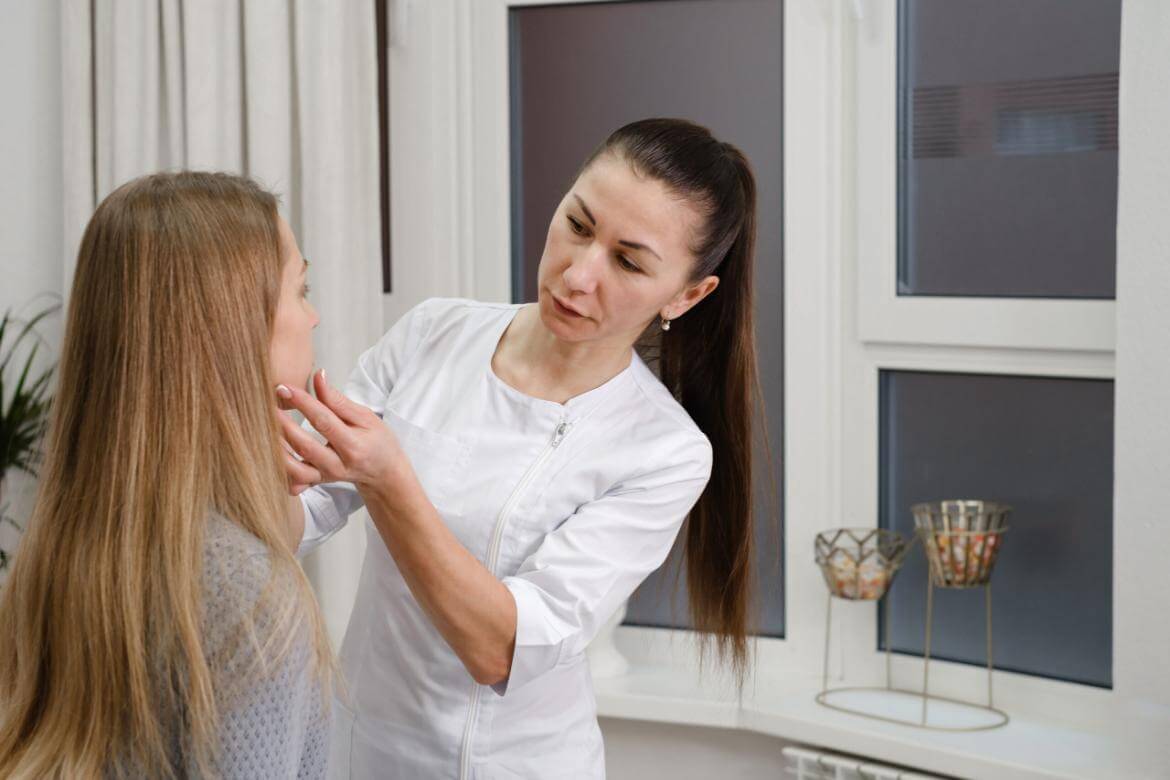
Swallowing Rehabilitation
Swallowing rehabilitation is a treatment approach used to improve or manage the swallowing function of individuals with swallowing disorders. Swallowing rehabilitation may require a multidisciplinary approach involving speech-language therapy (speech-language therapy) and other specialists.
What is Swallowing?
Swallowing is part of the consuming and digesting process. As food passes from the mouth, it is moved through the digestive system by a series of reflexes and muscular movements, along with muscle movements in the esophagus.
The swallowing process consists of three stages: the oral, pharyngeal, and esophageal stages. The oral stage begins with the gathering of food in the mouth, shaping it with tongue movements, and the swallowing reflex. The pharyngeal stage then begins, involving the muscular movements necessary to propel food down the esophagus. Finally, during the esophageal stage, the muscles of the esophagus complete the digestive process by pushing food down into the stomach.
The process of swallowing usually happens automatically and is unconscious. However, certain health conditions or swallowing disorders can affect swallowing and cause difficulty. These conditions are called difficulty swallowing, dysphagia, or swallowing disorder and may require medical treatment.
What is a swallowing disorder?
A swallowing disorder, or dysphagia, refers to difficulty or obstruction in the swallowing process. A swallowing disorder involves problems with the passage of food from the mouth through the esophagus and into the stomach.
Swallowing disorders can occur for a variety of reasons. These may include:
- Neurological causes: Neurological conditions such as stroke, brain injury, brain tumors, and multiple sclerosis can cause swallowing disorders. In these cases, the nerves and muscles may have problems regulating the swallowing process.
- Muscle problems: A swallowing disorder can develop due to weakening or damage to the swallowing muscles. For example, muscle diseases such as cerebral palsy, myopathy, and muscular dystrophy can affect swallowing function.
- Obstruction in the esophagus: Narrowing or blockage in the esophagus can prevent food from passing through. Conditions such as esophageal stenosis, esophageal cancer, or foreign body impaction can cause swallowing difficulties.
- Reflux disease: The backflow of acidic stomach contents from the stomach into the esophagus can cause difficulty swallowing. Reflux disease can be a cause of swallowing disorders.
Symptoms of swallowing disorders include choking or difficulty breathing while eating, a feeling of tightness in the esophagus, food regurgitation, weight loss, and fluids accidentally entering the respiratory tract.
How is swallowing rehabilitation done?
Swallowing rehabilitation involves different approaches to improving or managing the swallowing function of individuals with swallowing disorders. Some commonly used methods in swallowing rehabilitation include:
- Assessment: First, a comprehensive assessment is conducted by a speech-language pathologist or swallowing specialist. This assessment uses a variety of tests, imaging methods, and assessment tools to understand the individual's swallowing problems and their underlying causes.
- Swallowing exercises: A key component of swallowing rehabilitation is exercises aimed at strengthening the swallowing muscles and improving coordination. These exercises can target the tongue, lips, jaw, and pharynx. A speech-language pathologist (SLP) aims to improve swallowing function by creating a personalized exercise program and ensuring the patient performs the exercises regularly.
- Dietary changes: It's important for individuals with swallowing disorders to make dietary changes. These may include changing the consistency of foods, such as pureeing, liquidizing, or switching to special diets. This is important to reduce swallowing difficulties, prevent the risk of aspiration, and meet nutritional needs.
- Movement training : In swallowing rehabilitation, learning proper swallowing posture, breathing techniques, and proper muscle movements during swallowing are important. A speech-language therapist provides training and practice on these topics. Guidance is provided to help the individual learn and practice proper muscle movements and swallowing mechanisms.
- Devices and aids: In some cases, devices and aids may be used in swallowing rehabilitation. For example, a feeding tube may be used to support feeding in individuals with swallowing difficulties. Swallowing aids or assistive devices may also be used.
Swallowing rehabilitation is personalized to the individual's specific needs and the underlying causes of the swallowing disorder. It's a process that often requires regular follow-up and repetition. A speech-language pathologist or swallowing specialist monitors the individual's progress, adjusts the treatment plan, and collaborates with other specialists as needed.
Can swallowing disorders be corrected without rehabilitation?
Swallowing disorders vary depending on their underlying causes, and while some may resolve spontaneously over time, others may require treatment. Swallowing disorders can be caused by serious underlying conditions, such as underlying health problems or neurological conditions. In these cases, it is important to treat or manage the swallowing disorder.
Some transient swallowing disorders may occur as a result of temporary illnesses or infections and may resolve on their own. However, chronic swallowing disorders or those with serious underlying conditions usually require treatment.
Treatment may vary depending on the underlying cause of the swallowing disorder. For example, if a neurological condition is causing the swallowing disorder, treating or managing the underlying cause may help restore or improve swallowing function. Swallowing rehabilitation can be an effective approach to treating swallowing disorders. This treatment process may utilize personalized exercises, dietary modification, devices, or assistive devices.

Exercise in swallowing rehabilitation
Exercises are a key component of swallowing rehabilitation, used to strengthen the swallowing muscles, increase coordination, and improve the swallowing process. Swallowing exercises are designed specifically for each individual by a speech-language pathologist or swallowing specialist and are tailored to the individual's swallowing difficulties and needs. Some commonly used exercises in swallowing rehabilitation include:
Tongue and pharyngeal muscle exercises: These exercises target the strengthening and coordination of the tongue and pharyngeal muscles. For example, exercises such as making various tongue movements, pressing on different parts of the tongue, or using various tongue positions can be used to strengthen the tongue muscles. Pharyngeal muscle strengthening exercises that mimic the act of swallowing can be performed.
Breathing exercises: Proper breathing techniques related to the swallowing process are part of swallowing rehabilitation. These exercises aim to teach proper breathing posture and how the muscles should function during breathing. Breathing exercises help individuals gain better control during swallowing.
Swallowing position training : Knowing and practicing proper swallowing posture is important for improving swallowing function. A speech-language pathologist or swallowing specialist can teach and practice proper swallowing posture. These exercises help the individual adjust their jaw and head position and utilize the appropriate tongue position.
Eating exercises: During swallowing rehabilitation, exercises can be performed while consuming different foods. For example, exercises such as tasting different foods with different parts of the tongue, swallowing slowly, or taking smaller bites to better manage food intake can be helpful.
The purpose of rehabilitation in swallowing difficulties
- Improving swallowing function: The primary goal of swallowing rehabilitation is to improve an individual's swallowing function. For individuals experiencing swallowing difficulties, the goal is to strengthen the swallowing muscles, increase coordination, and make the swallowing process more efficient. This helps the individual swallow food and liquids more comfortably and meet their nutritional needs.
- Reducing the risk of aspiration: Individuals with swallowing disorders are at risk of food or liquids becoming trapped in the airways. Swallowing rehabilitation includes strategies and exercises to reduce the risk of aspiration. This helps protect the individual's airway and prevent respiratory infections.
- Improving nutrition and hydration: A swallowing disorder can affect nutrition and hydration. Swallowing rehabilitation includes strategies such as dietary modifications, special diets, or nutritional support to improve an individual's diet and ensure adequate nutrient intake. Appropriate strategies and guidelines for managing an individual's fluid intake are also provided.
- Improving quality of life: Swallowing disorders can interfere with daily living activities and negatively impact an individual's quality of life. Swallowing rehabilitation aims to help individuals more comfortably carry out their daily activities, improve social interactions, and reduce feeding-related stress and anxiety.
The goal of swallowing rehabilitation is to enable an individual to meet their nutritional needs, reduce the risk of aspiration, and improve their quality of life. Treatment is personalized based on the individual's specific needs, the cause, and severity of their swallowing disorder. Regular follow-up and follow-up sessions guided by a speech-language pathologist or swallowing specialist are essential for the treatment process.
Swallowing disorder and Physical therapy
In cases of dysphagia, physical therapy can be an effective treatment for improving swallowing function and managing swallowing difficulties. Physical therapy can be applied in different ways, depending on the underlying cause of the swallowing disorder. Some points regarding the relationship between swallowing disorders and physical therapy:
- Muscle Strengthening and Coordination: Physical therapy can help strengthen and improve coordination of the swallowing muscles. Using specific exercises and techniques, strengthening of the tongue, lips, jaw, and pharynx muscles can be achieved. This can improve swallowing function by increasing the efficiency of the swallowing mechanism.
- Posture and movement training: For individuals with swallowing disorders, using correct posture and movements can facilitate swallowing. A physical therapist teaches and practices correct posture and movement techniques. This helps the individual use the muscles appropriately during swallowing and makes the swallowing process more efficient.
- Breathing and breathing control: Breathing and breathing control are closely linked to the swallowing process. Physical therapy teaches individuals proper breathing techniques and improves respiratory control. This can help protect the airway during swallowing and reduce the risk of aspiration.
- Swallowing and feeding strategies: A physical therapist can provide appropriate swallowing and feeding strategies for individuals with swallowing disorders. These strategies may include meal preparation, pacing, and pureeing or liquidizing foods. Additionally, proper swallowing posture and the use of assistive devices (e.g., a feeding tube) may be recommended.
- Sensory stimulation: Physical therapy can improve swallowing reflexes and perception through sensory stimulation. For example, experimenting with different tastes can stimulate the tongue and oral sensations, supporting the swallowing process.
