


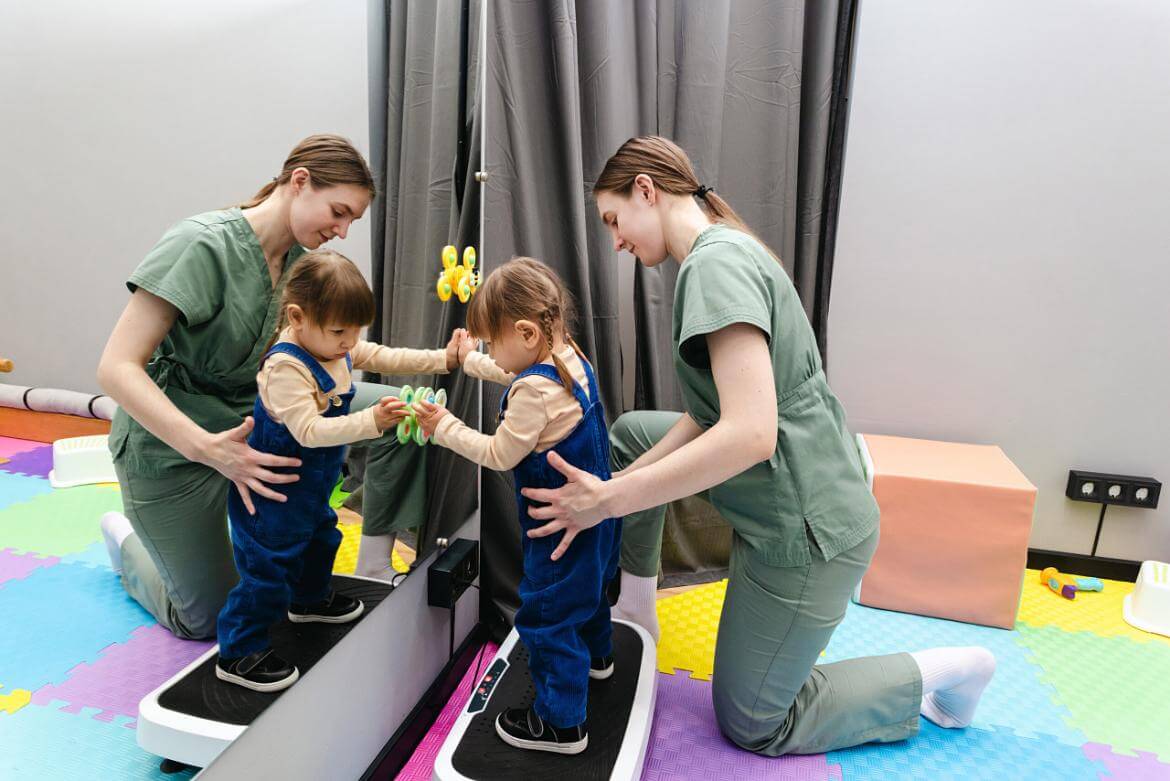
Cerebral Palsy Rehabilitation
Cerebral palsy rehabilitation is a set of treatment methods used to support the treatment and recovery of individuals with cerebral palsy, a group of movement and coordination disorders. Cerebral palsy occurs due to damage or developmental abnormalities in the brain's motor control centers. This condition affects an individual's muscle tone, movement, balance, and coordination.
What is Cerebral Palsy Rehabilitation?
Cerebral palsy rehabilitation aims to improve an individual's mobility, strength, flexibility, balance, coordination, and functional skills. The rehabilitation program is personalized based on the individual's age, physical condition, and needs. This program is managed by a multidisciplinary rehabilitation team and may typically include a variety of therapeutic modalities, including physiotherapy, speech therapy, occupational therapy, and education.
Physiotherapy uses exercises and physical manipulations to increase muscle strength and range of motion. Speech therapy works to improve speech and language skills, while occupational therapy provides activities to increase daily living skills, self-care skills, and independence. Education includes educational and training strategies to maximize an individual's learning potential.
Cerebral palsy rehabilitation aims to improve an individual's independence, mobility, and quality of life. It can be a long-term process and requires consistent and sustained effort. Treatment should be tailored to meet the individual's needs and goals.
What are the types of cerebral palsy (CP)?
The different types of CP are classified based on how the movement disorders manifest and which muscle groups are affected. Common types of cerebral palsy include:
- Spastic Cerebral Palsy: Spastic cerebral palsy is the most common type of CP and is characterized by muscle stiffness, or spasticity. Muscles become overly contracted and tight, and movements can be stiff and jerky. This condition typically occurs when the legs and/or arms are affected.
- Dyskinetic (Athetoid) Cerebral Palsy: Dyskinetic cerebral palsy is also called athetoid cerebral palsy because it involves involuntary and uncontrolled movements. In this type of CP, muscle tone can be variable, and extremities such as the face, tongue, hands, and feet can be affected. Movements can be slow, fluid, and sometimes involuntary.
- Ataxic Cerebral Palsy: Ataxic cerebral palsy is a type of cerebral palsy that causes problems with muscle coordination and balance. In this condition, muscles may be weak or unsteady, and hand tremors and irregular movements may occur. Hearing, speech, and visual impairments may also occur due to the lack of coordination.
- Hybrid (Mixed) Cerebral Palsy: Hybrid cerebral palsy refers to conditions that include a combination of symptoms from more than one type of CP. For example, a combination of spastic and athetoid symptoms may occur.
These types of cerebral palsy can vary among individuals, and each individual's symptoms and affected muscle groups may vary. Therefore, diagnosis and classification of CP must be made on an individual basis and by a specialist.
Signs and symptoms of Cerebral Palsy (CP)
- Movement Disorders
- Muscle Tone Changes
- Walking and Movement Problems
- Coordination Disorders
- Speech and Communication Problems
- Neurological Symptoms
- Skeletal and Postural Changes
- Saliva
- Delayed motor skills
Why is rehabilitation necessary for cerebral palsy?
Cerebral palsy rehabilitation has priorities determined by the individual's needs and individual circumstances. These priorities are determined by the rehabilitation team during the assessment process and guide the development of the treatment plan. Below are some areas typically prioritized in cerebral palsy rehabilitation:
- Movement and Functional Independence: Because cerebral palsy causes impairments in movement and motor control, improving movement and functional independence are among the primary goals. This includes improving the ability to perform activities of daily living.
- Muscle Strength and Flexibility: Physical therapy uses exercises and therapeutic techniques to increase muscle strength and flexibility. Increasing muscle strength can improve functional abilities by improving movement quality and endurance.
- Balance and Coordination: Cerebral palsy can cause balance and coordination problems. Rehabilitation may include specific exercises and activities to improve balance and coordination. This can help an individual move more steadily and with greater coordination in activities of daily living.
- Speech and Communication: Cerebral palsy can affect speech and language skills. Speech therapy focuses on improving speech and communication skills. This allows the individual to communicate accurately and clearly.
- Independence and Self-Care: Increasing an individual's independence and improving daily living skills are important goals in cerebral palsy rehabilitation. Occupational therapy offers a variety of strategies to improve self-care skills (feeding, dressing, toileting, etc.) and skills that foster independence.
- Pain Management: Pain and discomfort can occur in some cases of cerebral palsy. During rehabilitation, strategies and treatments to reduce pain can be implemented.
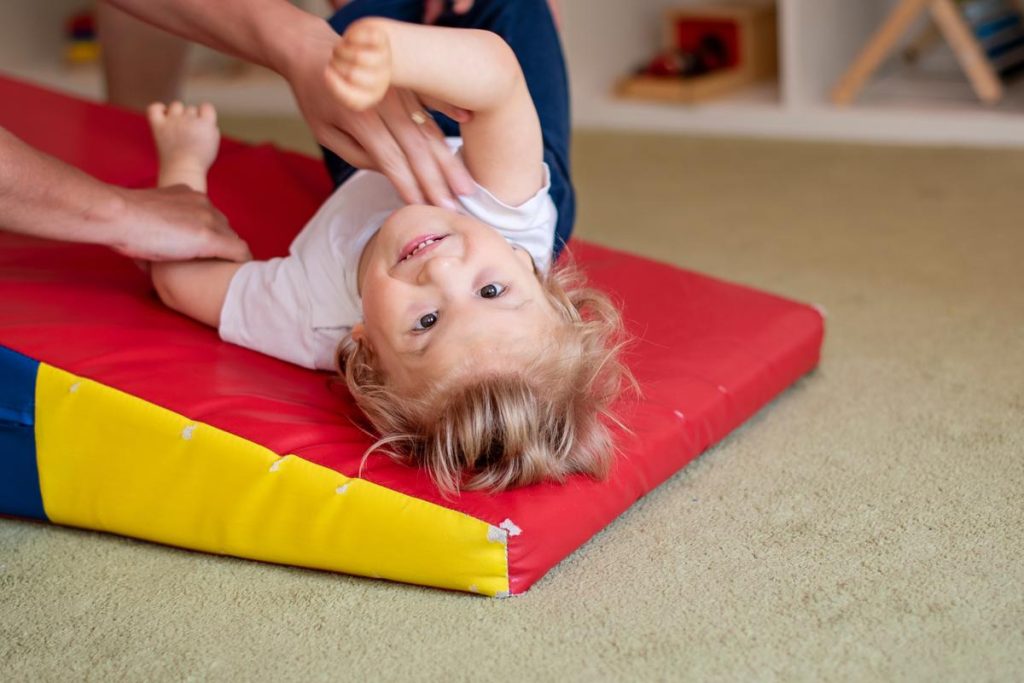
What are the rehabilitation methods applied in cerebral palsy?
- Physiotherapy : Physiotherapy uses exercises, physical manipulations, and specialized devices to improve muscle strength, range of motion, balance, and coordination. Individualized exercise programs and movement techniques help strengthen muscles, regulate muscle tone, and improve motor skills.
- Speech and Language Therapy: Speech therapy is used when cerebral palsy is a condition that affects speech and language skills. This therapy uses speech exercises, language exercises, and communication strategies to improve language skills, increase speech fluency, correct articulation problems, and strengthen communication skills.
- Occupational Therapy: Occupational therapy uses various activities to improve an individual's daily living skills, self-care skills, hand-eye coordination, and independence. For example, it provides support in areas such as feeding, dressing, toileting habits, handwriting, and sign language. It also facilitates activities of daily living with appropriate devices and adaptations.
- Mental and Cognitive Rehabilitation: Cerebral palsy can sometimes affect cognitive functions. Cognitive rehabilitation focuses on improving cognitive functions such as attention, memory, problem-solving, planning, and organizational skills. This helps individuals become more effective in learning, academic achievement, and daily living activities.
- Neuromuscular Electrical Stimulation (NMES): NMES stimulates and strengthens muscles by applying low-level electrical current to them. This method can be effective in increasing muscle strength, improving range of motion, and controlling spasticity.
- Botulinum Toxin Injection: In spastic types of cerebral palsy, muscle contractions and spasticity can occur. Botulinum toxin injections are administered into specific muscle groups to control spasticity. This helps relax the muscles, improving range of motion and functional abilities.
A rehabilitation program is personalized to meet the individual's needs and goals. These methods are typically managed by a multidisciplinary rehabilitation team and aim to address the individual's physical, speech, functional, and emotional needs.
How does rehabilitation help with cerebral palsy?
Cerebral palsy rehabilitation aims to improve an individual's quality of life and functional skills using a variety of methods. The main areas where rehabilitation helps include:
- Mobility and Motor Control: Because cerebral palsy causes movement and motor control disorders, rehabilitation helps improve muscle strength, range of motion, and motor skills. Physiotherapy and specialized exercises support muscle strengthening, increased flexibility, and improved muscle coordination.
- Independence and Self-Care: Cerebral palsy rehabilitation aims to increase an individual's ability to perform activities of daily living. Occupational therapy works to develop self-care skills (feeding, dressing, toileting, etc.) and skills that foster independence. The individual is supported to perform activities of daily living, such as self-feeding, dressing, and toileting, more independently.
- Speech and Communication: Cerebral palsy can affect speech and language skills. Speech therapy is used to increase speech fluency, improve language skills, and strengthen communication abilities. By improving an individual's communication skills, they are able to express themselves more effectively and successfully engage in social interactions.
- Balance and Coordination : Cerebral palsy can cause balance and coordination problems. Rehabilitation offers specific exercises and activities to improve balance and coordination, allowing the individual to move more steadily and with greater coordination in their daily activities.
- Pain Management: Cerebral palsy can sometimes cause pain and discomfort. Rehabilitation involves strategies and treatments to reduce pain. Physiotherapy, physical manipulations, and relaxation techniques can be used to relax muscles and reduce tension.
What to expect from the rehabilitation process in cerebral palsy?
Individual expectations from the cerebral palsy rehabilitation process may vary, but in general it is possible to expect the following results:
- Functional Development: Cerebral palsy rehabilitation aims to improve an individual's functional skills. Throughout the process, the individual is expected to become more independent in daily living activities, develop self-care skills, and increase mobility.
- Motor Control and Movement Ability: The rehabilitation process aims to increase an individual's muscle strength, range of motion, balance, and coordination. This allows for more controlled and coordinated movement.
- Speech and Communication Skills: Speech therapy works to improve an individual's speech and communication skills. The process is expected to increase speech fluency, improve language skills, and strengthen communication skills.
- Pain Reduction and Relief: Cerebral palsy can sometimes cause pain and discomfort. Pain management strategies are used during the rehabilitation process, and the individual is expected to experience pain relief and relief.
- Self-Confidence and Psychosocial Development: The rehabilitation process aims to increase an individual's self-confidence and support their psychosocial development. Developing functional skills and increasing independence can enhance an individual's self-confidence and quality of life.
It's important to remember that cerebral palsy rehabilitation is an individual process, and each individual's pace of progress may vary. The rehabilitation process can take time and requires consistent, consistent effort. The rehabilitation team will strive to achieve the best results by focusing on the individual's individual goals and implementing appropriate strategies.
