


Stroke Rehabilitation
Stroke Treatment: Rehabilitation Center
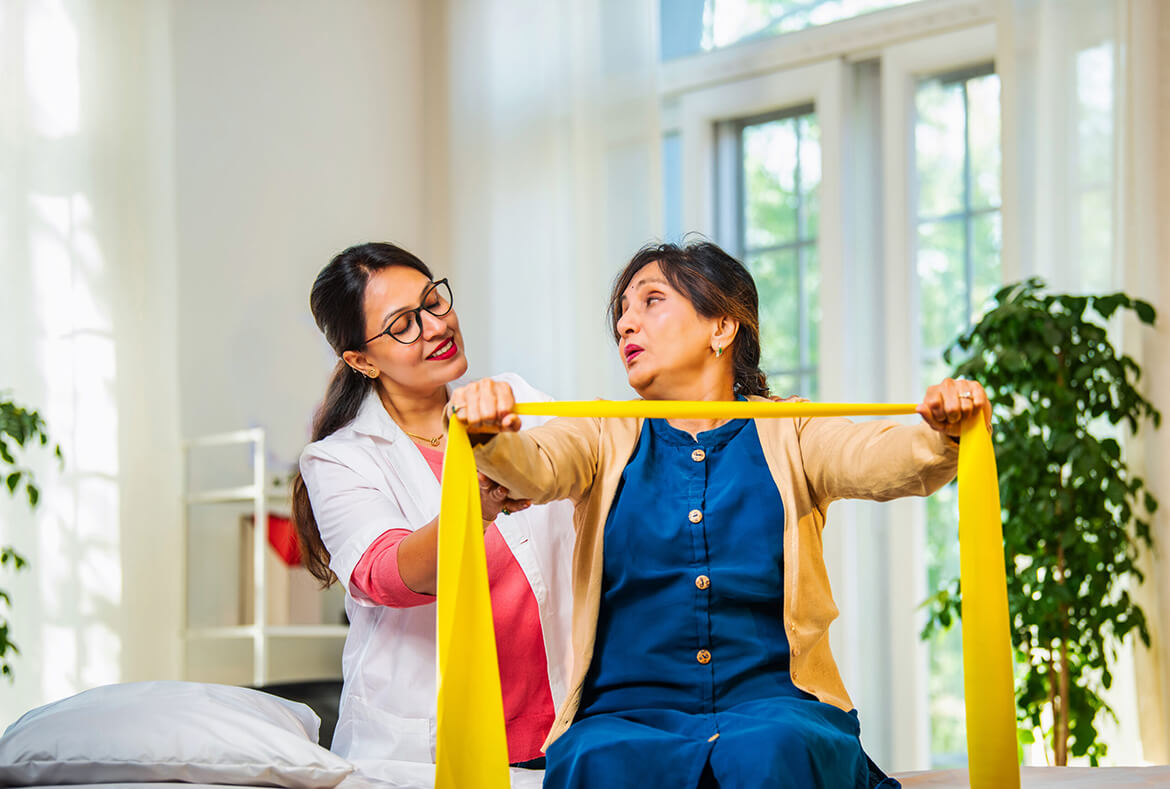
Stroke rehabilitation can vary depending on the patient's condition and needs. Treatment is generally determined by the patient's level of functioning, age, education level, physical fitness, and overall health.
Stroke rehabilitation is carried out by a team of various healthcare professionals, including a medical professional, a rehabilitation specialist, a physical therapist, a speech therapist, and a psychologist. Treatments are often delivered in a personalized program.
What is a Stroke?
A stroke is a medical condition in which brain function is suddenly disrupted. It occurs as a result of an interruption of blood flow to the brain or bleeding within brain tissue. A stroke occurs when brain cells are damaged due to a disruption in the blood flow that carries oxygen and nutrients to the brain.
Stroke Risk Factors
There are a number of risk factors for stroke. Some are modifiable (manageable risk factors), while others are considered nonmodifiable (non-manageable risk factors). Here are a few examples of common stroke risk factors:
Interventionable Risk Factors:
- High blood pressure (hypertension): High blood pressure is one of the most significant factors that increases the risk of stroke. Keeping blood pressure under control is an important step in reducing the risk of stroke.
- Poor eating habits: Excessive consumption of foods high in salt, saturated fat, and cholesterol can increase the risk of stroke. Eating a balanced, healthy diet can help reduce the risk of stroke.
- Lack of physical activity: Lack of physical activity has been linked to factors that increase the risk of stroke, such as obesity, high blood pressure, and diabetes. Regular exercise can help reduce the risk of stroke.
- Smoking : Smoking can lead to factors that increase the risk of stroke, such as hardening of the arteries and blood clots. Quitting smoking is important to reduce the risk of stroke.
- Alcohol consumption: Excessive alcohol consumption can raise blood pressure and increase clotting, increasing the risk of stroke. Limiting alcohol consumption or avoiding it altogether, if possible, can help reduce the risk of stroke.
Uncontrollable Risk Factors:
- Age: The risk of stroke increases with age. Changes in the aging process can affect brain and vascular health.
- Gender: Stroke risk varies between men and women. Specific factors such as pregnancy, birth control pill use, and menopause can affect stroke risk in women.
- Family history: Stroke may be more common in individuals with a family history of stroke. People with a family history of stroke may be at increased risk for stroke.
- Racial factors : Certain ethnic groups, such as African Americans, Hispanics, and Asians, are known to have a higher risk of stroke.
Clinical Picture Following Stroke
- Paralysis: A stroke can result in paralysis. Weakness or paralysis can occur on one side of the body, usually the face, arm, or leg. This varies depending on the area of the brain affected by the stroke.
- Speech and language disorders : A stroke can affect the brain areas that control language. This can lead to speech impairment (dysarthria). It can also lead to loss of language control or difficulty understanding (aphasia).
- Motor and coordination disorders: A stroke can affect motor areas in the brain and cause difficulties with muscle control. This can lead to poor coordination, loss of balance, a tendency to fall, and difficulty walking.
- Vision problems: A stroke can cause vision problems. These may include vision loss, double vision, narrowing of the visual field, or distortion of visual fields.
- Headache: Some types of stroke, especially hemorrhagic stroke, can be accompanied by severe headache.
- Difficulty swallowing: A stroke can affect the brain areas that control swallowing. This can lead to difficulty swallowing (dysphagia) and feeding problems.
- Perceptual impairments : Perceptual impairments can occur as a result of a stroke. This can mean the inaccurate or diminished perception of sensory information such as touch, taste, smell, or hearing.
- Cognitive impairments: Stroke can lead to cognitive impairments. These may include memory loss, inattention, difficulty concentrating, decreased problem-solving ability, and impaired mental flexibility.
Stroke Treatment
Emergency intervention: In the event of a stroke, time is critical, and early intervention is crucial. The patient must arrive at the emergency room immediately and be evaluated quickly. In the event of a stroke, thrombolytic drugs (clot-dissolving drugs) may be used to dissolve blood clots. Additionally, in some cases, mechanical clot removal (thrombectomy) may be performed.
Hospital care: Stroke patients are closely monitored in an intensive care unit or stroke unit. They receive basic treatments such as blood pressure control, fluid balance, respiratory support, and other medical interventions.
Rehabilitation: Post-stroke rehabilitation is important for patients to regain function and increase independence. The rehabilitation program is managed by a multidisciplinary team and may include various therapies, such as physiotherapy, speech therapy, occupational therapy, psychological support, and social support.
Drug therapy: A variety of medications may be used to treat stroke, depending on the patient's condition. These include antithrombotic drugs (aspirin, anticoagulants), cholesterol-lowering drugs, blood pressure medications, and medications to manage other symptoms.
Managing risk factors: Managing risk factors is important in post-stroke treatment. Lifestyle changes can include keeping blood pressure under control, managing diabetes, regular exercise, healthy eating habits, and quitting smoking.
Psychosocial support : Stroke can be physically and emotionally challenging. It's important for patients and families to receive psychosocial support. Counseling, psychotherapy, and support groups can be helpful in this process.
What is the goal of stroke rehabilitation?
The primary goal of stroke rehabilitation is to restore the functions lost as a result of stroke to the maximum extent possible and increase the patient's independence. Stroke rehabilitation utilizes a range of treatment modalities and strategies to improve physical, speech, cognitive, and emotional skills. The general goals of stroke rehabilitation are:
- Post-stroke rehabilitation focuses on restoring motor skills lost due to paralysis or weakness. Physical therapy helps improve muscle strength and mobility, while occupational therapy focuses on relearning daily living skills and increasing independence.
- Stroke can lead to language and speech impairments. Speech therapy focuses on improving language control and expressiveness, improving comprehension skills, and supporting communication.
- Stroke can lead to cognitive impairments. Rehabilitation programs aim to improve cognitive skills such as memory, attention, problem-solving, and planning. Cognitive rehabilitation methods and exercises help improve an individual's mental abilities.
- Difficulty swallowing (dysphagia) can occur as a result of a stroke. Swallowing therapy aims to restore swallowing skills for safe and effective eating and drinking. Nutrition planning and dietitian support may also be provided.
- Stroke can cause emotional difficulties for an individual. A rehabilitation program provides support for managing emotional issues such as depression, anxiety, and stress. Psychosocial support increases patient motivation, improves quality of life, and facilitates adaptation.
- Stroke rehabilitation aims to improve a patient's daily living skills and independence. This includes self-care skills, mobility at home, social interaction, and functional activities.
The goal of stroke rehabilitation is based on individual needs and goals. Each patient's rehabilitation program is personalized and managed by a multidisciplinary team. The goal is to enable the patient to achieve their full potential and achieve the best quality of life.
What are the Most Important Problems Requiring Rehabilitation in Stroke Patients?
- Paralysis and Weakness: Paralysis or weakness resulting from a stroke severely impacts a patient's mobility and independence. Rehabilitation aims to strengthen paralyzed or weakened muscle groups, relearn movement, and improve walking ability.
- Speech and language disorders: A stroke can affect the brain areas that control language. This can lead to speech disorders (dysarthria) or difficulty understanding (aphasia). Speech therapy aims to improve speech and language skills and support communication.
- Difficulty swallowing: Swallowing dysfunction can occur after a stroke. Difficulty swallowing (dysphagia) negatively impacts a patient's nutritional and fluid intake. Swallowing therapy aims to restore swallowing skills for safe and effective eating and drinking.
- Cognitive issues: Stroke can cause cognitive impairment. Problems such as memory loss, attention deficit, and decreased problem-solving skills can occur. Cognitive rehabilitation methods and exercises aim to improve cognitive abilities.
- Emotional and psychological problems: Stroke can cause depression, anxiety, stress, and emotional difficulties. Psychosocial support, counseling, and therapy aim to promote emotional well-being and manage psychological problems.
- Movement coordination and balance disorders : Stroke can lead to movement coordination and balance disorders. This can make it difficult to perform activities of daily living. During rehabilitation, physiotherapy and balance exercises aim to improve movement coordination and balance skills.
- Social and functional independence: The social and functional independence of stroke patients may also be affected. The rehabilitation program aims to promote a return to activities of daily living (personal care, housework, and work) and promote social interaction.
Is There Recovery After a Stroke? Who Needs a Rehabilitation Program?
Recovery is possible after a stroke. A stroke is a condition that occurs when blood flow to an area of the brain is interrupted or brain tissue is damaged. After a stroke, the brain can heal and regain function over time.
The recovery process after a stroke varies from person to person and depends on many factors. Factors that influence recovery include the type of stroke, the location and severity of the injury, the patient's general health, age, gender, early initiation of a rehabilitation program, and compliance with treatment.
Those who need a rehabilitation program are those who experience any loss of function or difficulty with activities of daily living after a stroke. Some groups that need a rehabilitation program include:
- Patients who are paralyzed or weak: Patients who experience paralysis or weakness after a stroke require a rehabilitation program to regain mobility, increase muscle strength, and increase their level of independence.
- Patients with speech and language disorders : Patients who experience speech and language disorders as a result of stroke need a rehabilitation program to improve their communication skills and regain their speech functions through speech therapy and language rehabilitation.
- Those with cognitive problems: Patients who experience cognitive problems such as memory loss, attention deficit, and difficulty in problem-solving as a result of stroke need a rehabilitation program to improve their cognitive abilities with cognitive rehabilitation methods and exercises.
- Patients experiencing difficulty swallowing (dysphagia) after a stroke require a rehabilitation program to ensure safe and effective nutrition and fluid intake through swallowing therapy and nutritional support.
- Those with emotional and psychological problems : Patients experiencing depression, anxiety, and other emotional problems after a stroke need a rehabilitation program to maintain their emotional well-being through psychosocial support, counseling, and therapy.
- Those with movement coordination and balance problems: Patients who experience movement coordination and balance problems after a stroke need a rehabilitation program to improve their movement skills with physiotherapy and balance exercises and to be able to perform daily activities independently.
Stroke Treatment Center Ankara
What is Done in a Stroke Rehabilitation Program?
Physiotherapy : Physiotherapy aims to restore muscle strength and mobility lost as a result of a stroke. Exercises that increase muscle strength and flexibility, activities that improve balance and coordination, therapeutic exercises that re-teach walking and movement skills, and methods such as electrotherapy and hydrotherapy may be part of physiotherapy.
Speech and language therapy: Speech and language therapy is used for patients experiencing speech and language disorders (aphasia and dysarthria) after a stroke. Exercises that improve language control, comprehension, expression, and communication skills, articulation exercises, voice therapy, and alternative communication methods may be used.
Occupational therapy: Occupational therapy aims to restore the ability to independently perform activities of daily living (personal care, housework, work). Occupational therapy may use activities, adaptations, and supportive devices to improve manual dexterity, fine motor skills, cognitive skills, and energy management.
Cognitive rehabilitation: Cognitive rehabilitation is used to address cognitive issues (memory, attention, and problem-solving) that arise from stroke. Methods such as cognitive exercises, memory techniques, improving attention and concentration, and strengthening problem-solving and planning skills are used.
Swallowing therapy : Swallowing therapy is used for patients experiencing difficulty swallowing (dysphagia) after a stroke. Methods include swallowing exercises, position changes, meal planning, nutritional support, and counseling.
Psychosocial support and counseling: Psychosocial support and counseling services are provided for patients experiencing post-stroke emotional difficulties (depression, anxiety). These services aim to support patients' emotional well-being, manage stress, improve adaptation, and increase motivation.
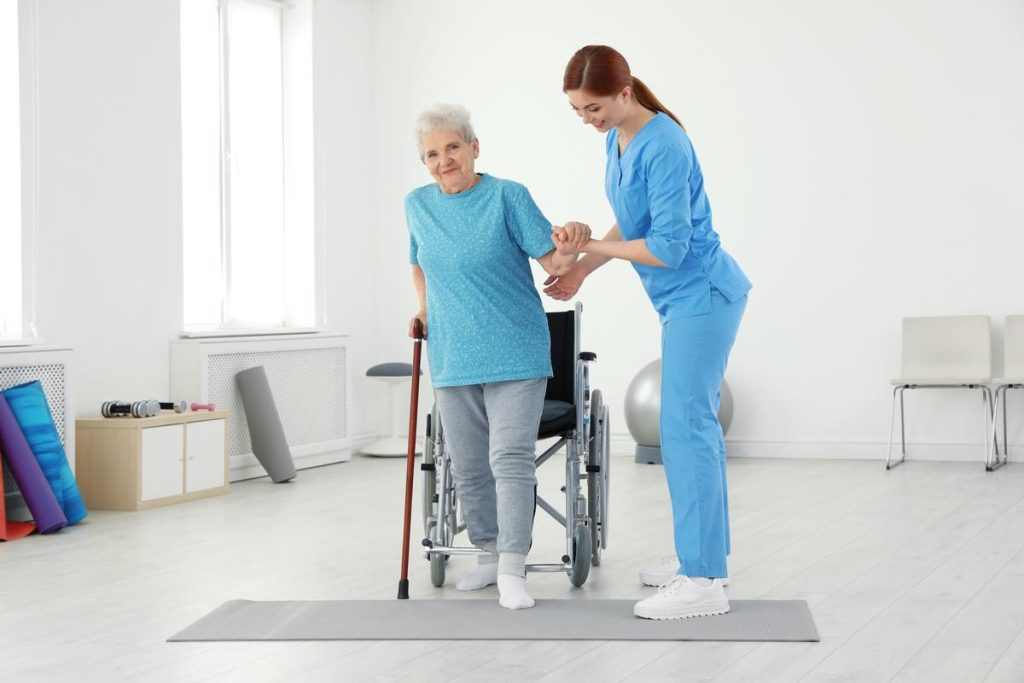
Assistive devices and technologies : In post-stroke rehabilitation, assistive devices (e.g., cane, wheelchair) and technological aids (e.g., motion sensors, communication devices) can be used to increase patients' functional independence.
The rehabilitation program is continually evaluated and updated based on the patient's progress. Goals are determined based on the patient's needs and the guidance of the rehabilitation team.
