


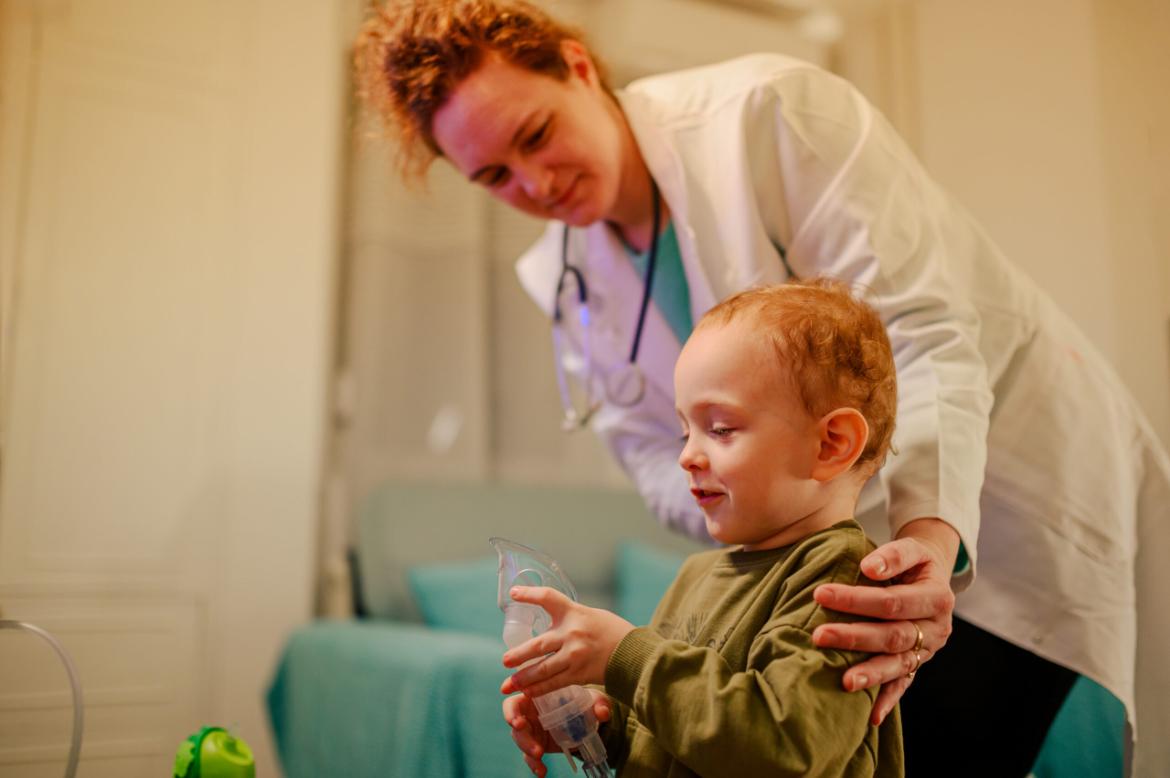
Pediatric Rehabilitation
Pediatric rehabilitation is a medical discipline that aims to improve the physical, cognitive, emotional, and social functioning of children. Pediatric rehabilitation encompasses the treatment and management of congenital or acquired illnesses, injuries, or disabilities in children.
What is pediatric rehabilitation?
Pediatric rehabilitation involves a range of therapies and interventions tailored to the child's age, developmental level, and specific needs. These therapies may include a variety of areas, including physical therapy, speech therapy, occupational therapy, play therapy, nutritional counseling, and psychosocial support.
The aim of pediatric rehabilitation is to increase children's functional independence and quality of life, improve their daily living skills, increase their mobility and muscle strength, develop language and communication skills, support cognitive functions and improve their emotional well-being.
In what situations is pediatric rehabilitation applied?
Pediatric rehabilitation is used in children for a variety of conditions and health issues. Some situations where pediatric rehabilitation is used include:
- Congenital or acquired neuromotor disorders : Conditions such as cerebral palsy, spinal cord injuries, and muscular dystrophy can cause loss of motor function in children and are managed through pediatric rehabilitation.
- Neurological disorders : Neurological disorders such as brain injury, spinal cord injury, stroke, epilepsy, multiple sclerosis, and Guillain-Barré syndrome may require pediatric rehabilitation.
- Orthopedic problems : Conditions such as scoliosis, torticollis, and dysplasia can cause orthopedic problems in children and can be treated with pediatric rehabilitation.
- Injuries : Conditions such as bone fractures, head injuries, and spinal injuries resulting from accidents may require physical rehabilitation in children.
- Sports injuries : Muscle, joint and ligament injuries experienced by children while playing sports can be healed with pediatric rehabilitation.
- Congenital anomalies: Conditions such as congenital heart diseases, spinal anomalies, and extremity anomalies can be managed with pediatric rehabilitation.
- Genetic disorders : Children with genetic disorders such as Down syndrome, Klinefelter syndrome, and Turner syndrome may require pediatric rehabilitation.
- Neuromuscular diseases : Pediatric rehabilitation plays an important role in the management of neuromuscular diseases such as spinal muscular atrophy and Duchenne muscular dystrophy.
This list only covers some of the conditions. Pediatric rehabilitation can help children manage any physical, cognitive, or emotional disability or issue. The rehabilitation program best suited to your child's condition and needs should be determined by a healthcare professional.
What are the techniques used in pediatric rehabilitation?
- Physical therapy : Physical therapy focuses on improving children's physical functions, such as mobility, flexibility, muscle strength, and balance. Exercise programs, manual therapy, electrical stimulation, warm-up/cool-down techniques, and other modalities fall under this category.
- Speech therapy : Speech therapy focuses on improving children's communication skills and treating language disorders. Speech therapy may include techniques such as voice-language therapy, articulation therapy, auditory perception therapy, and language development.
- Occupational therapy : Occupational therapy focuses on improving children's daily living skills. This therapy provides support in areas such as self-care skills, hand-eye coordination, hand muscle strength, fine motor skills, and functional independence.
- Play therapy : Play therapy supports children's emotional, social, and cognitive development. It helps children develop emotional expression skills, reduce stress, increase problem-solving abilities, and strengthen relationship building skills.
- Nutrition counseling : Nutrition counseling in pediatric rehabilitation addresses children's nutritional needs and weight management. The nutrition counselor helps the child develop healthy eating habits and meet their specific needs.
- Psychosocial support : Psychosocial support in pediatric rehabilitation aims to meet the emotional and social needs of the child and their family. Psychologists or social workers provide support to the child and their family, helping them develop coping skills and improving their quality of life.
These are just a few examples; the full list of techniques used in pediatric rehabilitation could be much more extensive. The rehabilitation team will select the appropriate techniques based on the child's needs and condition.
The symptoms that should be taken into consideration during the development process of children are as follows:
Things to consider for a one-month-old baby
- All kinds of breastfeeding problems
- Not responding at all to stimuli from the environment
- Constant and uninterrupted crying spells
- Having a seizure
- Very frequent and severe vomiting
Things to consider for a two-month-old baby
- Very frequent and severe vomiting
- All kinds of breastfeeding problems
- Not responding at all to stimuli from the environment
- Constant and uninterrupted crying spells
- Having a seizure
- Loss of reflexes
- Muscle laxity or excessive stiffness
Things to consider for a three-month-old baby
- Eye twitching and shifting
- Discomfort and stiffness when lying on the back
- Not recognizing the mother
- Not starting to laugh
- Not looking at the speaker's face
Things to consider for a four-month-old baby
- Inability to control his head
- Inability of the eye to focus on a certain point
- Not having free hands and constantly making fists
- Some reflexes should disappear by 4 months of age and they should not disappear
Things to consider for an eight-month-old baby
- Lack of development of hand coordination skills
- Inability to turn or move on his own
- The body slumps over the legs while sitting
- Trying to kick with both legs
Things to consider for a ten-month-old baby
- Still not crawling
- Not standing up
- Not responding to his name
- Inability to perform coordination tasks such as controlling salivation
Things to consider for an eleven-month-old baby
- Not starting to walk even by holding on
- Inability to walk on tiptoe
Conditions that can be treated with pediatric rehabilitation
Pediatric rehabilitation is an approach to treating a range of conditions in children that affect vital functions, movement, communication, and social participation. Pediatric rehabilitation is implemented by a multidisciplinary team to help children achieve their full potential. Some conditions that can be treated with pediatric rehabilitation include:
- Congenital Anomalies : Congenital physical, neurological, or developmental anomalies that can be treated through pediatric rehabilitation. Examples include scoliosis, spina bifida, cerebral palsy, Down syndrome, and other genetic disorders.
- Neurological Disorders : Pediatric rehabilitation can be effective in treating movement and function impairments resulting from neurological disorders. These include cerebral palsy, spinal muscular atrophy, multiple sclerosis, brain injuries resulting from trauma, and post-stroke rehabilitation.
- Musculoskeletal Disorders : Musculoskeletal disorders that occur in pediatrics can be treated with pediatric rehabilitation. These include conditions such as scoliosis, torticollis, dysplasia, muscle weakness, or muscle tightness.
- Gait and Movement Disorders : Pediatric rehabilitation is used to treat gait and movement disorders. For example, rehabilitation programs may be implemented for children with developmental delays in walking, balance problems, or muscle weakness.
- Speech and Language Disorders : Children with speech and language developmental difficulties can be treated through pediatric rehabilitation. Speech and language therapy is a key component of improving children's communication skills.
- Swallowing Disorders : Pediatric rehabilitation can be effective in treating swallowing and feeding disorders. Rehabilitation programs can be implemented, particularly for infants with congenital swallowing difficulties or children experiencing feeding difficulties.
Who should undergo pediatric rehabilitation?
Pediatric rehabilitation should be applied to children experiencing various health problems and developmental challenges. Some of the groups targeted by pediatric rehabilitation are:
- Congenital Anomalies : Children with congenital anomalies may benefit from pediatric rehabilitation services. Examples of these anomalies include cerebral palsy, spina bifida, Down syndrome, and spinal curvature.
- Neurological Disorders : Children with movement and function impairments resulting from neurological diseases or injuries may require pediatric rehabilitation. These include cerebral palsy, multiple sclerosis, spinal muscular atrophy, and post-stroke rehabilitation.
- Musculoskeletal Problems : Musculoskeletal disorders that occur in children can be treated through pediatric rehabilitation. Examples include scoliosis, torticollis, dysplasia, muscle weakness, or muscle tightness.
- Developmental Delay : Children with delays in speech, language, motor skills, or cognitive development may benefit from pediatric rehabilitation. These conditions include autism spectrum disorder, attention deficit hyperactivity disorder (ADHD), and learning disabilities.
- Post-Injury and Trauma Rehabilitation : Children recovering from accidents, sports injuries, or surgery may seek pediatric rehabilitation services. These include bone fractures, brain trauma, and post-surgical rehabilitation.
What are the expectations from pediatric rehabilitation?
- Functional Independence : Pediatric rehabilitation aims to increase the child's functional skills, appropriate to their age and developmental level. This helps them perform daily living activities more independently. For example, the goal is to develop basic skills such as eating, dressing, and toileting.
- Improving Movement and Motor Skills : Pediatric rehabilitation aims to improve a child's motor skills. This includes improving the child's ability to move, walk, balance, coordination, strength, and muscle control.
- Communication and Language Development : Developing language and communication skills is another goal of pediatric rehabilitation. Speech therapy and other communication support methods are used to enhance the child's ability to express, understand, and communicate.
- Social and Emotional Development : Pediatric rehabilitation aims to support a child's social and emotional development. This includes developing social interaction skills, building relationships, expressing emotions, and acquiring the skills needed to interact with others.
- Reducing Pain and Discomfort : Pediatric rehabilitation helps reduce a child's symptoms, such as pain, discomfort, or tension. Physical therapy, massage, and stretching exercises are used to increase the child's comfort.
- Family Education and Support : Pediatric rehabilitation provides guidance to families regarding their child's care, support, and participation in treatment. Families are provided with information on how to support their child during the rehabilitation process and are taught exercises that can be practiced at home.
Differences between pediatric rehabilitation and adult rehabilitation
- Developmental Differences : Children are still growing and developing. Therefore, pediatric rehabilitation is tailored to their age and developmental level. While children continually develop in areas such as motor skills, language, communication, and social interaction, adults tend to be more stable.
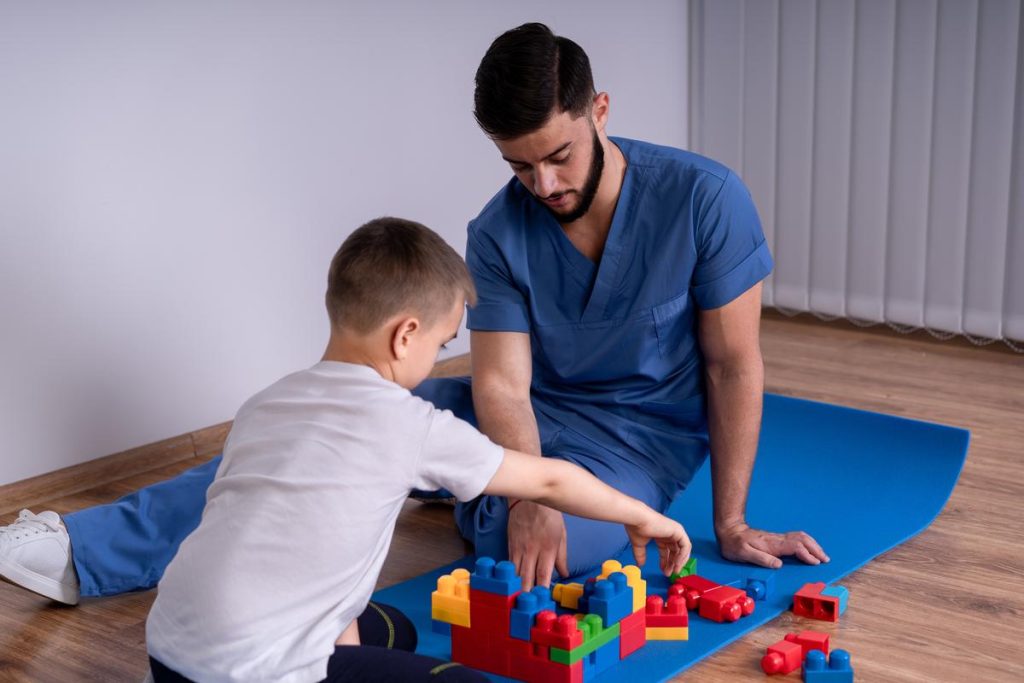
- Education and Play-Focused Approach : In pediatric rehabilitation, motivating children through education and play is important. Therapists use play, toys, and fun activities to capture children's attention and engage them. This encourages children to participate more willingly and learn during the treatment process.
- Family-Centered Approach : In pediatric rehabilitation, families are a crucial part of the treatment process. Parents and caregivers are expected to receive education regarding their child's treatment and participate in exercises and activities at home. Families are integral to the treatment plan to support their child's progress in activities of daily living and development.
- Play and Activity-Based Therapy : Pediatric rehabilitation uses games and activities to make the therapy process more enjoyable for children. Therapists design various games and activities to improve children's motor skills, coordination, and balance. This increases children's motivation and allows them to benefit more from therapy.
- Growth and Development Monitoring : In pediatric rehabilitation, monitoring children's growth and development is important. Children's progress is regularly assessed, and the treatment plan is updated accordingly. The pace of growth and development influences the goals and approach to therapy.
- Multidisciplinary Approach : Pediatric rehabilitation is typically conducted through the collaboration of a multidisciplinary team comprised of specialists from different fields. This team may include physical therapists, speech therapists, occupational therapists, psychologists, and other specialists. These specialists collaborate to develop a treatment plan based on the child's needs and goals.
These differences are key elements that distinguish pediatric rehabilitation from adult rehabilitation. Pediatric rehabilitation requires an approach tailored to children's growth, development, and specific needs, and aims to help children achieve their full potential.
Diseases that can be treated with pediatric rehabilitation
- Swallowing problems
- Muscular dystrophy
- Nutritional problems
- Daily living rehabilitation activities
- arthritis
- Hunchback
- Post-fracture rehabilitation
- Preoperative rehabilitation
- Cerebral palsy
- Spina bifida
- Multiple sclerosis
- Orthopedic disorders
- Congenital anomalies
- Stress injuries
- Swallowing problems
- Muscular dystrophy
- Nutritional problems
- Daily living rehabilitation activities
Pediatric rehabilitation outcomes
Pediatric rehabilitation is a treatment approach designed to help children with developmental, neurological, or physical disabilities or injuries. This treatment method aims to improve children's independence, functionality, and quality of life.
Pediatric rehabilitation outcomes can vary depending on many factors, including:
- Individual's Basic Skills : Pediatric rehabilitation aims to develop a child's fundamental abilities, such as motor skills, balance, coordination, strength, and flexibility. Improving these abilities can increase a child's participation in activities of daily living.
- Level of Functionality : Pediatric rehabilitation aims to improve a child's ability to perform activities of daily living. For example, improvements in functional skills such as walking independently, dressing themselves, or feeding themselves can be achieved.
- Communication and social skills : Pediatric rehabilitation aims to improve a child's communication abilities and social interactions. This can help the child develop self-expression skills and interact with others.
- Pain Management : Some children may require pain management during pediatric rehabilitation. Appropriate treatment and therapy can help reduce pain levels.
- Self-esteem and mood : Pediatric rehabilitation can boost a child's self-esteem and improve their mood. Increased physical and functional skills can boost a child's self-confidence and help them feel more independent.
Results may vary depending on factors such as the duration of treatment, the nature of the rehabilitation program, the individual's unique situation, and individual response to therapy. Each child's rehabilitation process is different, and results should be evaluated on an individual basis. To achieve the best outcomes for children, a multidisciplinary approach should be adopted and an individualized treatment plan should be developed.
