


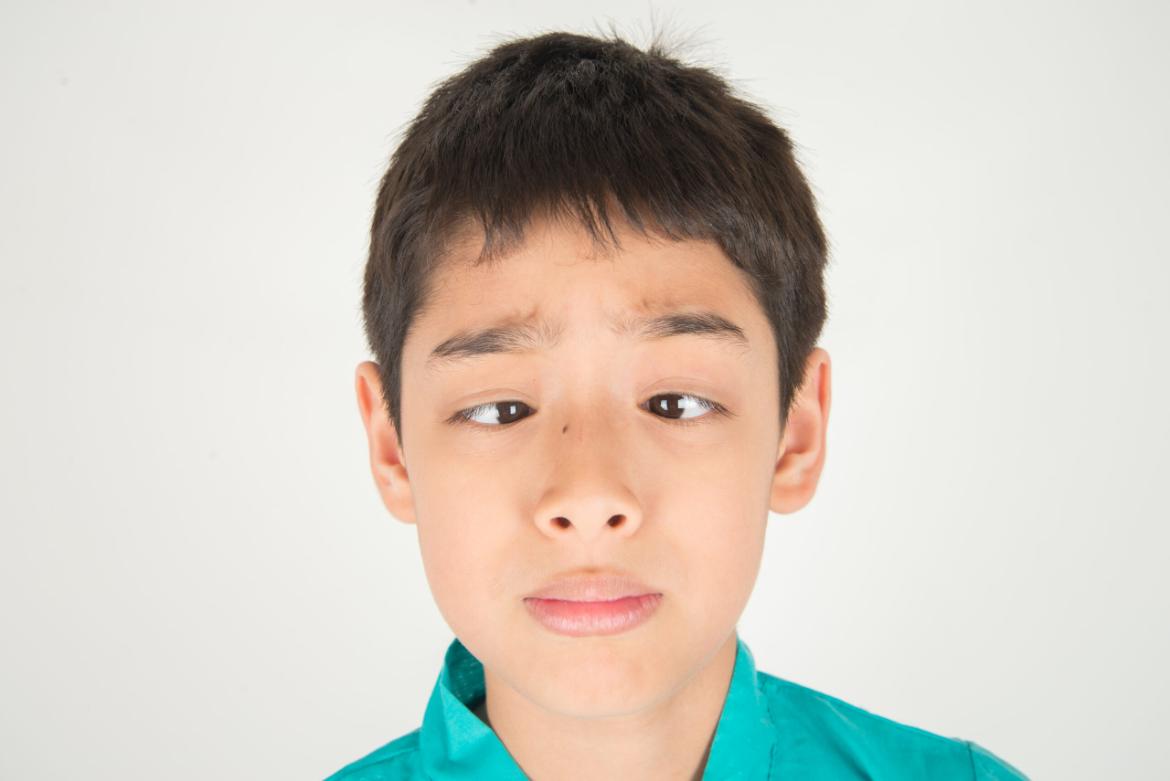
Strabismus (Crossed Eyes)
Strabismus, also known medically as strabismus, refers to a condition in which the eyes are unable to look parallel. Normally, the right and left eyes focus on the same target and look in the same direction. However, in strabismus, one eye doesn't focus properly on the target and looks in a different direction than the other eye. This can manifest as one eye turning inward, outward, upward, or downward.
Strabismus usually begins in childhood, but it can also occur in adults. It can be caused by a disorder in the system that controls eye muscle coordination. This incoordination prevents the eyes from focusing on the same target and working harmoniously.
What are the symptoms of strabismus?
Symptoms of strabismus include a range of signs in which the eyes are unable to focus properly on a target and are looking in different directions. These symptoms may include:
- Eye asynchrony: One eye is turned in a different direction than the other. This is a clear sign of strabismus in children or adults.
- Double vision (diplopia): A person may experience double vision because the eyes cannot focus on the same point due to strabismus.
- Change in the direction of eye movement: Strabismus can cause the eyes to shift inward, outward, upward, or downward.
- Lazy eye (amblyopia): Strabismus can cause amblyopia, which occurs when one eye is not used consistently. Lazy eye means that one eye is unable to develop normal vision.
- Headaches or eyestrain: Strabismus may be associated with headaches, eyestrain, or a feeling of strain in the eyes due to the eyes working in an unbalanced manner.
- A feeling of illusion in the eyes: Strabismus can sometimes cause the person to not be able to perceive the location of the eyes correctly when looking at an object or where the objects are.
The symptoms of strabismus are always noticeable and bothersome. If you or your child exhibits any of the signs listed above, it's important to consult an eye doctor (ophthalmologist). Early diagnosis and treatment can reduce the effects of strabismus and play a critical role in ensuring normal vision development. Remember, strabismus is a treatable condition.
What causes strabismus?
Strabismus is a condition in which the eyes cannot focus properly on a target and can occur for a variety of reasons, including:
- Eye muscle imbalance : Imbalance or weakness in the muscles that control eye movement is one of the most common causes of strabismus. These muscles allow the eyes to move left, right, up, and down. If there is an imbalance or weakness in these muscles, it can prevent the eyes from looking parallel.
- Nervous system problems: Problems with the nerves or parts of the brain that control eye movements can cause strabismus. This can cause the eyes to become out of sync and look in different directions.
- Genetic predisposition: Strabismus may be more common in individuals with a family history of strabismus. Genetic factors may influence the development and control of eye muscles.
- Eye injuries or trauma: Injuries or trauma to the eye area can cause damage or imbalance in the eye muscles and lead to strabismus.
- Abnormal eye structures: Certain eye diseases or abnormal structures can also cause strabismus. For example, abnormalities in the lens, such as cataracts, can affect the eye's ability to focus.
- Thyroid problems: If the thyroid gland is not functioning properly, it can lead to eye problems that affect the eye muscles and cause strabismus.
- Other health problems: Strabismus can also be associated with other health problems, such as certain muscle diseases or neurological disorders.
The causes of strabismus can vary from person to person, and diagnosis requires an examination by an eye doctor (ophthalmologist). Early diagnosis and treatment are important in reducing the vision problems associated with strabismus.
What are the types of strabismus?
- Esotropia: In esotropia, one or both eyes turn inward. That is, the eyes look toward the nose. In this condition, individuals and children often have more esotropia.
- Exotropia: In exotropia, one or both eyes are turned outward. This means the eyes look outward. This type of strabismus is usually more pronounced when focusing on distant objects.
- Upward strabismus (Hypertropia): In upward strabismus, one or both eyes are turned upward. This is characterized by the eyes looking upward. This type of strabismus is usually more pronounced when focusing on nearby objects.
- Downward strabismus (Hypotropia): In downward strabismus, one or both eyes are squinted downwards. In other words, it appears as a downward looking eye.
- Mixed strabismus (Alternating Exotropia or Alternating Esotropia): In mixed strabismus, the eyes shift inward or outward over time. That is, sometimes strabismus can occur inward and sometimes strabismus can occur outward.
- Torsional strabismus: In torsional strabismus, the eyes rotate or torque, as well as drift up, down, inward, or outward.
Any type of strabismus can interfere with normal visual development and cause symptoms such as double vision. Therefore, it is important to see an ophthalmologist if you notice any symptoms of strabismus.
How is strabismus diagnosed?
Diagnosis of strabismus is usually made by an ophthalmologist, an eye specialist. Below are common methods used to diagnose strabismus:
- Eye exam: Your ophthalmologist will perform a comprehensive eye exam to assess for signs of strabismus and eye movement. This exam will assess whether your eyes are focusing properly on each other.
- Cover test: In this test, the doctor covers one eye and asks the other eye to look at a focal point. Then, when the covered eye is opened, the eye movements are observed to determine whether strabismus is present. If one eye is found to be squinting when opened, strabismus can be diagnosed.
- Distance and near vision tests: This test evaluates the eye's ability to focus on both near and far objects. Strabismus can be identified when focusing on distant or near objects with these tests.
- Diagnosis of rotational strabismus: Gaze tests in different positions and directions can be performed to detect rotational strabismus.
- Refraction test: This test is used to determine eyeglass prescriptions. These prescriptions can help correct vision problems associated with strabismus.
- Lazy eye (Amblyopia) check: Strabismus can cause amblyopia. Amblyopia is checked for presence, and if present, treatment is planned.
Once strabismus is correctly diagnosed, treatment options are determined. Early diagnosis and treatment are crucial to mitigating the effects of strabismus and ensuring normal vision development. Therefore, it's important to consult an ophthalmologist when you notice any signs of strabismus.
What are the treatment methods for strabismus?
Strabismus treatment methods can vary depending on the type and severity of strabismus, the patient's age, and overall health. Treatment is generally individualized based on the cause and severity of the strabismus. Common strabismus treatment methods include:
- Glasses: Some types of strabismus can be corrected with glasses. Specifically, conditions such as distance or near vision problems, refractive errors, and astigmatism can be corrected with glasses.
- Eye exercises: Eye exercises that help strengthen eye muscles and improve coordination can be used to treat strabismus. Eye exercises should be performed regularly under the guidance of an ophthalmologist.
- Eye patch or atropine drops: An eye patch or atropine drops can be used to correct amblyopia in strabismus. This can help reduce amblyopia by making the weaker eye work harder.
- Botulinum toxin injections: To reduce the severity of strabismus, botulinum toxin injections into the eye muscles can be given. These injections can correct strabismus by temporarily weakening the eye muscles.
- Surgical intervention: Surgical options for treating strabismus may be considered when other methods are ineffective or when the cause of strabismus is an anatomical problem. Surgery involves adjusting the length of the eye muscles or repositioning the eyes.
- Monitoring and regular checkups : It's important for patients to be regularly monitored and checked by an ophthalmologist during strabismus treatment. This allows for evaluation of treatment effectiveness and allows for adjustments to the treatment plan as needed.
Early diagnosis and selection of the appropriate treatment method for strabismus help achieve better outcomes. Treatment can vary depending on the individual's age, type, and severity of strabismus, so it's important to consult an ophthalmologist to determine the appropriate treatment option.
What happens if strabismus is not treated?
If strabismus is left untreated, various complications and vision problems can occur. Potential effects of untreated strabismus include:
- Lazy Eye (Amblyopia): Strabismus can lead to a condition called "visual dominance" between the two eyes. Because the strabismus eye doesn't focus properly on a target, the brain ignores that eye and favors the other eye. In this case, vision in the strabismus eye becomes impaired, and amblyopia (lazy eye) can develop.
- Double vision (Diplopia): Strabismus can cause double vision because the eyes don't look parallel. Double vision can make daily activities difficult and lead to dangerous situations.
- Aesthetic issues: Strabismus can cause an aesthetically unpleasant appearance because the eyes look in different directions.
- Emotional and social problems: Children and adults with strabismus may experience isolation, loss of self-confidence, and difficulties with social interactions. This can have negative psychosocial consequences.
- Vision loss: Untreated strabismus may be the result of a treatable condition. For example, an eye condition associated with strabismus can lead to vision loss if left untreated.
- Motor development problems: If strabismus is not treated during childhood, it can affect the development of normal eye movements and lead to motor development problems.
Untreated strabismus can lead to a range of problems that can negatively impact quality of life. Therefore, early diagnosis and treatment are crucial when symptoms of strabismus are noticed, especially in children. Treatment can reduce the effects of strabismus and promote normal vision development.
Does mild strabismus go away on its own?
Yes, some cases of mild strabismus can resolve spontaneously during childhood. Eye development continues, particularly in infancy and early childhood, and in some cases of mild strabismus, the eye muscles strengthen and their coordination improves over time. Therefore, mild strabismus may resolve spontaneously.
However, if you or your child notices signs of strabismus, it's important to take it seriously and consult an ophthalmologist. Even mild cases of strabismus may not improve over time or may become more severe. Early diagnosis and treatment help identify the cause of strabismus and determine the appropriate treatment option.
While mild strabismus may resolve on its own, eye development is a critical process during childhood, and regular eye exams are important to support normal visual development. If mild strabismus persists or does not improve, appropriate treatment can help prevent more serious problems.
