


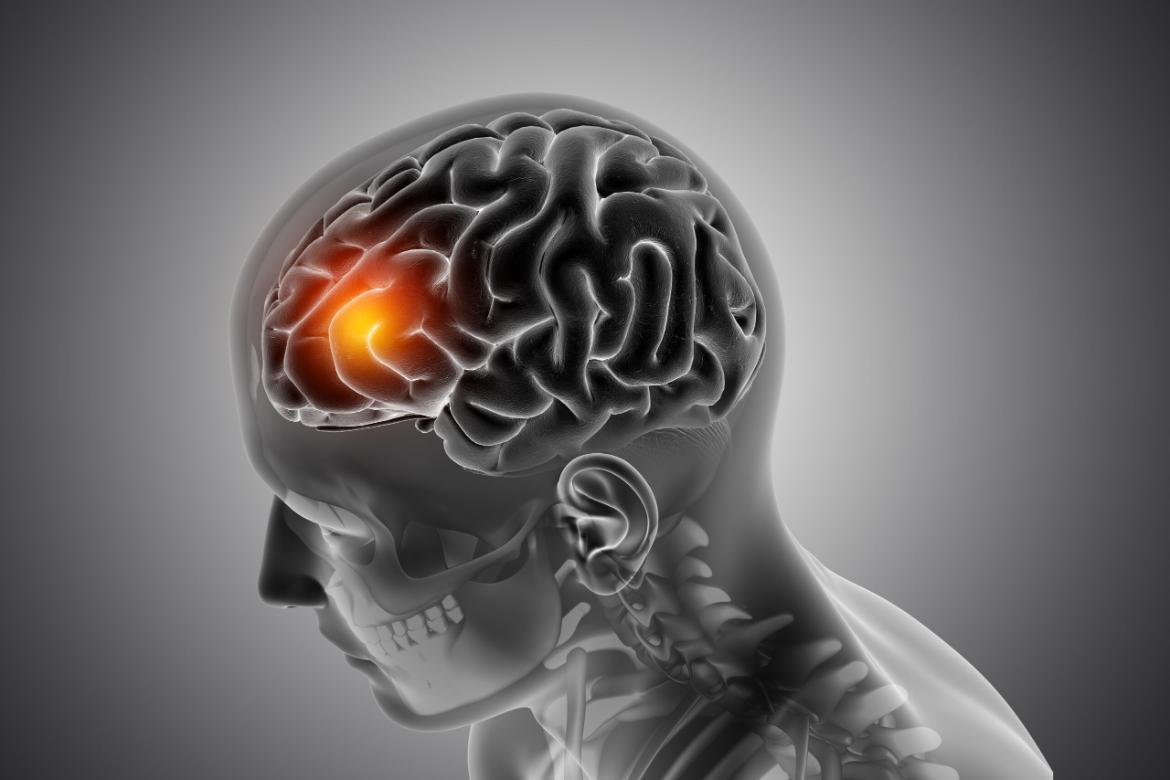
Cerebrovascular Disease
Cerebrovascular diseases refer to a variety of conditions that affect the brain's blood vessels. The brain is a vital organ that controls all our bodily functions and requires effective blood circulation to transport oxygen and nutrients. Cerebrovascular diseases occur when problems with these blood vessels prevent adequate oxygen and nutrients from reaching the brain, and can often lead to serious consequences.
What causes cerebrovascular disease?
Cerebrovascular disease has various causes and is often associated with problems in the brain's blood vessels. The main causes of cerebrovascular disease are:
- Atherosclerosis: This is a condition characterized by the buildup of fat and cholesterol deposits on the inner walls of arteries. These deposits can form hard structures called plaques, causing narrowing or blockage of the arteries. When atherosclerosis affects the part of the blood vessels leading to the brain, it can lead to an ischemic stroke (thrombotic or embolic stroke).
- Thromboembolism: Blood clots can block blood flow within blood vessels, or a blood clot (embolism) from outside the brain can block a cerebral artery. This prevents adequate blood flow to the brain, leading to an ischemic stroke.
- Hypertension (high blood pressure): High blood pressure can damage the lining of blood vessels and trigger atherosclerosis. It can also weaken and fragile cerebral blood vessels, contributing to hemorrhagic stroke.
- Diabetes: Diabetes can cause damage to blood vessels due to long-term high blood sugar levels, increasing susceptibility to cerebrovascular disease.
- Smoking: Smoking contains a number of harmful chemicals that damage blood vessels and accelerate atherosclerosis, contributing to the development of cerebrovascular disease.
- Heart disease: Heart disease can affect the proper functioning of blood vessels in the brain. Heart rhythm disturbances or heart valve disease can reduce blood flow to the brain and increase the risk of stroke.
- Obesity : Excess body fat can increase blood pressure and cholesterol levels, contribute to the development of diabetes, and be a risk factor for cerebrovascular disease.
- Genetic factors: People with a family history of cerebrovascular disease may be at higher risk due to genetic predisposition.
In addition to these factors, other factors such as age, gender (more common in men), race and ethnicity can also influence the risk of cerebrovascular disease. Taking preventive measures, adopting a healthy lifestyle, managing risk factors, and getting regular health checkups are important steps in protecting yourself from cerebrovascular disease.
What are the types of cerebrovascular disease?
Cerebrovascular diseases encompass a variety of conditions that affect the brain's blood vessels. These diseases can often have serious consequences because they prevent the brain from receiving adequate oxygen and nutrients. The main types of cerebrovascular diseases include:
- Ischemic Stroke: Occurs when blood flow to the brain is reduced or interrupted due to a clot or blockage. Brain tissues cannot receive adequate oxygen and nutrients, resulting in cell damage. Ischemic strokes account for approximately 85% of stroke cases.
- Hemorrhagic Stroke: This occurs when a blood vessel within the brain ruptures, causing blood to leak into the brain tissue. This increases brain pressure and damages surrounding tissues. Although less common, hemorrhagic strokes generally have more serious consequences.
- Transient ischemic attacks (TIAs): Transient ischemic attacks occur when blood flow to an area of the brain is temporarily reduced or interrupted for a short time. TIA symptoms are similar to stroke symptoms, but they resolve on their own and usually do not cause permanent brain damage. A TIA may be a sign of an increased risk of a future stroke.
- Vascular dementia: A type of dementia that results from brain damage caused by cerebrovascular disease. Vascular dementia can lead to impairments in memory, thinking, language, and other cognitive functions.
- Brain arteriovenous malformations (AVMs): AVMs, which are abnormal blood vessels present at birth, can affect blood flow within the brain. This can increase the risk of cerebral artery ruptures or bleeding.
- Subarachnoid hemorrhage: Bleeding occurs between the surface of the brain and the meninges. It usually occurs when an aneurysm (a weak spot in the artery wall) ruptures.
- Subdural hematoma: This occurs when blood accumulates between the brain and the dura (brain lining). It usually occurs after head trauma.
The causes and symptoms of these diseases can vary, and treatment options may vary. Because cerebrovascular disease is a significant health problem, it's important to seek medical attention immediately when symptoms are noticed. Early diagnosis and appropriate treatment are crucial for preventing permanent damage and halting the progression of the disease.
What are the symptoms of cerebrovascular disease?
Ischemic stroke symptoms:
- Sudden onset of severe headache
- Sudden weakness or paralysis of the face, arms, or legs (usually on one side)
- Sudden speech impairment, inability to understand or express
- Sudden loss of vision or visual disturbances, double vision
- Dizziness, loss of balance or difficulty coordinating
- Sudden severe dizziness, nausea and vomiting
Symptoms of hemorrhagic stroke:
- Sudden onset of severe headache
- Loss of consciousness or feeling dizzy
- Sudden weakness or paralysis of the face, arms, or legs
- Sudden speech impairment, inability to understand or express
- Sudden loss of vision or visual disturbances, double vision
- Dizziness, loss of balance or difficulty coordinating
- Nausea and vomiting
Transient ischemic attacks (TIA) symptoms:
- A severe headache that comes on suddenly and lasts for a short time (a few minutes to a few hours)
- Sudden signs of weakness, numbness, or paralysis (usually on one side)
- Sudden difficulty speaking or understanding
- Sudden loss of vision or visual disturbances
- Dizziness or loss of balance
Vascular dementia symptoms:
- Memory problems and forgetfulness
- Difficulties in thinking, planning, and decision-making
- Speech and language disorders
- Confusion and mental confusion
- Mood changes and behavioral problems
If you experience any or all of these symptoms, you should consult a healthcare professional immediately. Cerebrovascular diseases are serious conditions that require immediate medical attention, and early diagnosis and treatment are vital to preventing permanent damage and saving lives. Recognizing the symptoms and seeking prompt medical attention increases your chances of treatment and recovery.
How is cerebrovascular disease diagnosed?
Cerebrovascular disease is typically diagnosed using a series of medical tests and evaluations. This diagnostic process includes evaluating factors such as symptoms, the patient's medical history, physical examination, and imaging tests. Common methods used to diagnose cerebrovascular disease include:
Medical history and physical examination : The doctor will assess the patient's signs, symptoms, medical history, family history of cerebrovascular disease, and risk factors. The physical examination will also assess the patient's neurological function and other findings.
Imaging tests:
- Brain computed tomography (CT): X-rays are used to create cross-sectional images of the brain. CT can help identify emergencies in the brain, such as bleeding or blockages.
- Magnetic resonance imaging (MRI): MRI helps better examine the tissues and vessels of the brain by providing more detailed, cross-sectional images.
- Angiography : An imaging method that uses contrast material to visualize blood vessels. It is used to evaluate the condition of cerebral vessels.
- Transcranial Doppler ultrasonography (TCD): Uses sound waves to measure blood flow velocity in the brain and assess the condition of the vessels.
Electroencephalogram ( EEG ): This is a test used to measure electrical activity in the brain. It can help identify seizures or evaluate seizure-like symptoms in some cerebrovascular diseases.
Blood tests: Blood tests can help assess risk factors associated with cerebrovascular disease by measuring cholesterol levels, blood sugar levels, and other blood biochemical values.
Evaluation of transient ischemic attacks (TIAs): Additional testing and evaluation may be performed in patients with a history of TIA. These patients can be assessed to assess their risk of cerebrovascular disease and implement appropriate treatment measures to prevent future strokes.
Treatment of cerebrovascular diseases
Treatment for cerebrovascular disease can vary depending on the type of disease, its severity, and the patient's overall health. Treatment typically involves different methods, including emergency intervention, medication, surgery, and lifestyle changes, depending on the type of stroke (ischemic stroke, hemorrhagic stroke, TIA, etc.). Treatment goals may include:
Treatment of ischemic stroke:
- It's crucial to seek emergency medical attention immediately upon noticing the symptoms of a stroke. Prompt treatment is essential to minimize brain damage and preserve vital organ function.
- The most common treatment for ischemic stroke is the use of medications that dissolve or prevent blood clots (thrombolytics). However, this treatment must be given for a specific period of time.
- Surgical interventions such as mechanical thrombectomy may also be used to open an artery blocked by a blood clot.
Treatment of hemorrhagic stroke:
- In the case of a hemorrhagic stroke, emergency surgery may be necessary. Surgery may be performed to identify and stop the source of bleeding.
- Medications may be used to reduce blood pooling in the brain, and other treatment options are evaluated based on the patient's overall health.
Transient ischemic attack (TIA) treatment:
- After a TIA, the patient's risk factors are evaluated and appropriate treatment options are determined. Conditions such as hypertension, high cholesterol, and diabetes are controlled.
- Medications that prevent blood clots may be prescribed to prevent a TIA from recurring.
Vascular dementia treatment:
- Treatment of vascular dementia involves managing the underlying cause, cerebrovascular disease, and controlling risk factors.
- Cognitive and behavioral rehabilitation programs, medications, and other treatment options may be available to the patient.
Lifestyle changes:
Lifestyle changes are crucial for preventing and managing cerebrovascular disease. Factors such as quitting smoking, adopting a healthy diet, exercising regularly, managing weight, and reducing stress can all be effective in reducing the risk of the disease.
Treating cerebrovascular diseases can require a multidisciplinary approach. Neurologists, cardiologists, neurosurgeons, and other specialists collaborate to develop and implement a treatment plan tailored to the patient's condition. Treatment is personalized to the patient's characteristics and needs, and regular follow-up is performed to monitor treatment effectiveness.
How should nutrition be in cerebrovascular diseases?
Adopting a healthy diet is important for preventing and managing cerebrovascular disease. A healthy diet can help control blood pressure, regulate cholesterol levels, and manage weight. Here are some basic tips for a healthy diet for cerebrovascular disease:
- Reduced salt intake: High salt intake can increase the risk of high blood pressure and is a risk factor for cerebrovascular disease. Try to reduce your intake of processed foods, convenience foods, and salty foods.
- Choose healthy fats: Instead of saturated fats, choose healthy fats like olive oil, canola oil, avocado, and fish. These fats support heart health by regulating cholesterol levels.
- Get omega-3 fatty acids: Fatty fish like salmon, mackerel, and sardines are rich in omega-3 fatty acids and are beneficial for brain health. Try to eat these types of fish at least a few times a week.
- Regularly consume fruits and vegetables: Colorful fruits and vegetables are rich in antioxidants and vitamins and support your overall health. Try to consume at least five servings of fruits and vegetables a day.
- Whole grains: Choose whole grain bread, pasta, and rice over white flour products. Whole grains are rich in fiber and nutrients and may contribute to heart health.
- Reduce sugar intake: Sugary drinks and desserts can increase risk factors like obesity and diabetes. Try to reduce your sugar intake and switch to healthier alternatives.
- Limit alcohol consumption: Alcohol has been linked to high blood pressure and heart disease. Limiting your alcohol intake, or avoiding it if possible, can be beneficial for your health.
- Drink plenty of water: Drinking enough water helps regulate blood circulation and keep the body hydrated.
Remember, each individual's nutritional needs are different. For those at risk of or with cerebrovascular disease, it's important to consult a dietitian or healthcare professional when developing a nutritional plan. Regular exercise, not smoking, and managing stress are also important factors in preventing or managing cerebrovascular disease.
