


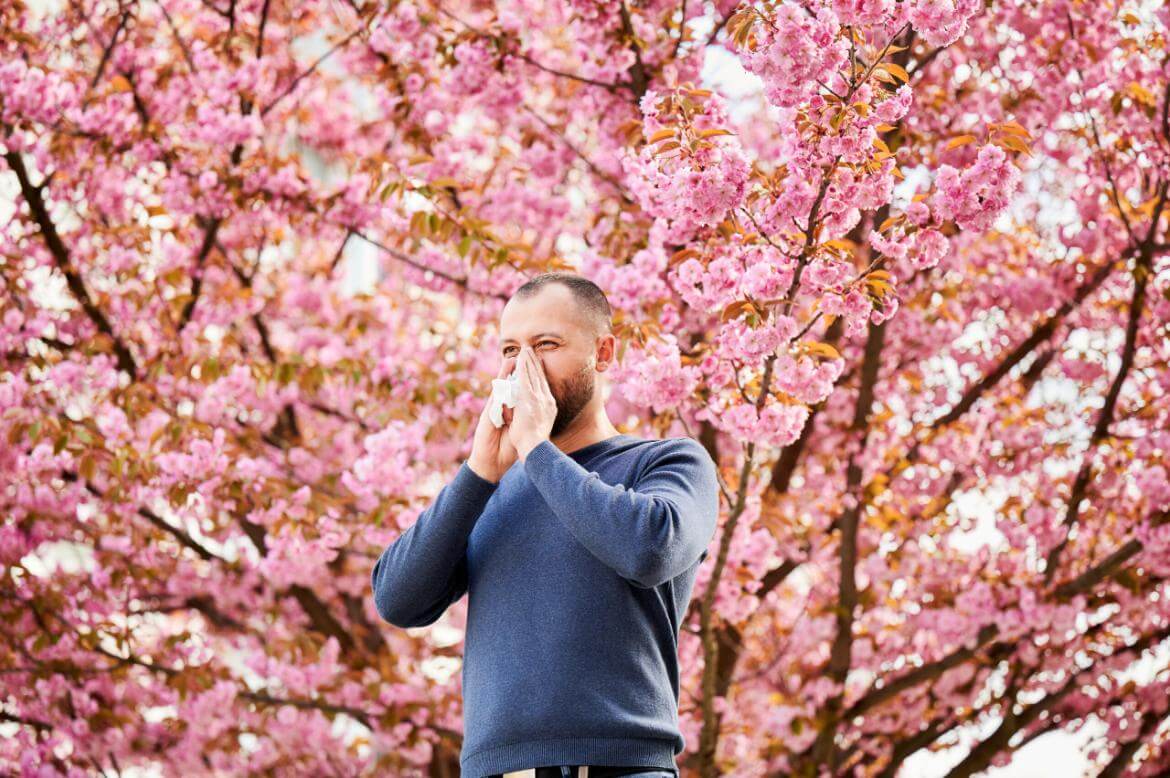
Spring Allergies - Pollen Allergy
Spring allergies , or pollen allergies , are an allergic reaction that occurs in some people when exposed to pollen in the environment. This condition develops when the immune system of those exposed to pollen overreacts.
Spring allergies typically occur during the spring and summer months. During these periods when trees, grasses, and weeds are in bloom, the amount of pollen in the air increases. People with allergies develop allergic reactions when exposed to this pollen, either through inhalation or contact.
What causes spring allergies?
The primary cause of spring allergies is an overreaction of the immune system to pollen. Normally, the immune system fights germs, viruses, or bacteria it perceives as harmful to the body. However, in some people, the immune system also perceives harmless substances like pollen as a threat and overreacts.
Spring allergies are often triggered by exposure to pollen. Pollen is a small, dust-like particle produced by flowering trees, grasses, and weeds. These pollens can be carried through the air by wind or insects and enter the body through inhalation.
In people with allergies , when exposed to pollen, the immune system produces an antibody called IgE. These antibodies bind to pollen grains and stimulate mast cells, cells in the immune system. Mast cells release histamine and other chemicals that trigger allergic reactions.
The released histamine and other chemicals cause inflammation, swelling, and allergic symptoms in areas like the nose, eyes, throat, and skin. This leads to spring allergy symptoms like sneezing, runny nose, watery eyes, and itchy skin rashes.
The development of spring allergies depends on a combination of genetic and environmental factors. People with a family history of allergic diseases (e.g., allergic rhinitis, asthma) are at higher risk of spring allergies. Additionally, environmental factors such as exposure to air pollution, cigarette smoke, and other allergens can increase the risk of spring allergies or exacerbate symptoms.
Spring allergy symptoms
Symptoms of spring allergies can vary from person to person, but the following symptoms generally occur:
- Sneezing: Multiple sneezing attacks may occur.
- Runny nose: There may be a clear discharge that is watery or accompanied by nasal congestion.
- Nasal congestion: A feeling of swelling and stuffiness in the nose may occur.
- Itchy eyes: Itching, redness, and watering may occur in the eyes. This can cause discomfort.
- Swelling in the eyes: Swelling or edema may occur around the eyes.
- Itchy throat: There may be discomfort and itching in the throat.
- Cough: Cough may occur when exposed to pollen.
- Shortness of breath: Severe allergic reactions may cause breathing difficulties.
- Fatigue: Allergic reactions can lower energy levels, resulting in feelings of tiredness.
- Skin rashes: Skin rashes may appear along with itching or redness.
These symptoms typically appear during spring pollen season and may worsen after exposure to pollen. Symptoms can vary from person to person and can range from mild to severe.
What are the risk factors for spring allergies?
Several factors increase the risk of developing allergic rhinitis or spring allergies. Some of the risk factors for allergic rhinitis include:
- Genetic predisposition: Individuals with a family history of allergic diseases (allergic rhinitis, asthma, eczema, etc.) may be at higher risk of developing allergic rhinitis. Genetic factors can influence immune system responses and increase susceptibility to allergic reactions.
- Environmental exposure: Environmental factors can influence the risk of allergic rhinitis. For example, frequent exposure to allergens such as high pollen, dust mites, mold, or pet dander can increase the risk. Air pollution and cigarette smoke can also aggravate allergic rhinitis symptoms.
- Climate: Pollen levels may be higher in some climates, increasing the risk of pollen allergies. In particularly dry and windy climates, pollen can spread more easily through the air and cause allergic reactions.
- Early exposure: Exposure to allergens during childhood can increase the immune system's susceptibility to allergic reactions. Exposure to allergens, particularly during infancy and childhood, can increase the risk of allergic rhinitis.
- Other allergic conditions: Allergic rhinitis may be associated with other allergic conditions, such as asthma and eczema. These conditions may share common mechanisms, and the presence of one allergic disease may increase the risk of developing other allergic diseases.
- Stress and Infections: Stressful situations and frequent infections can affect the immune system's response and increase susceptibility to allergic reactions.
The factors mentioned above may increase the risk of allergic rhinitis, but it's impossible to predict with certainty whether an individual will develop spring allergies. Different factors may be at play, and the risk of developing allergic rhinitis can vary from person to person.
How are spring allergies diagnosed?
- Patient history: Your doctor will ask about when and how often your symptoms begin, which seasons they worsen, and whether exposure to allergens influences your symptoms. A family history of allergic rhinitis, asthma, or other allergic conditions will also be considered.
- Physical examination : Your doctor will perform a general physical examination of your symptoms, specifically examining the nose, eyes, and throat. This examination will help identify typical signs of allergic rhinitis.
- Skin tests or blood tests: An allergist may recommend skin tests or blood tests to determine if you have allergic reactions to specific allergens. In skin tests, a small amount of the allergen is applied to the skin and the reaction is observed. Blood tests measure the levels of the allergen-causing antibodies.
- Tracking symptoms: Your doctor may recommend keeping a symptom diary over a period of time to track how long your symptoms persist and what factors increase or relieve them.
These steps are common methods used to confirm a spring allergy diagnosis. Diagnosis is made by evaluating symptoms and test results together. It's important to seek support from an allergist during this process.
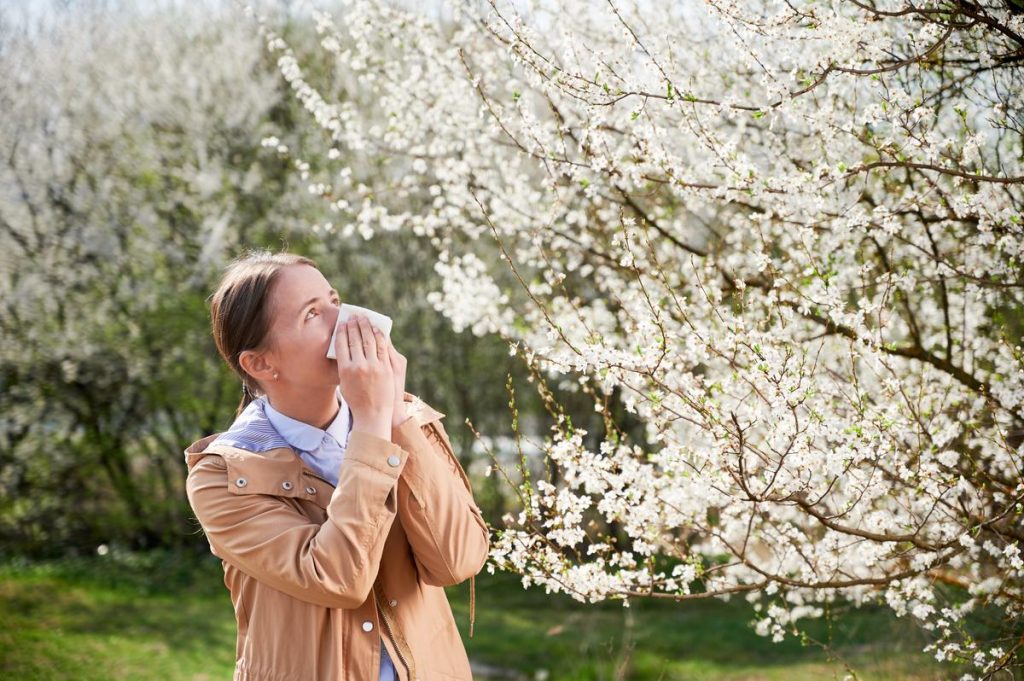
Spring allergy treatment
Spring allergy treatment aims to relieve symptoms and improve quality of life. Treatment options include:
Medicines:
- Antihistamines: Used to relieve symptoms such as runny nose, sneezing, and itchy eyes.
- Nasal sprays: These are used to reduce nasal congestion and control runny noses. Corticosteroid sprays are the most commonly used.
- Eye drops: Used to relieve itching, watering, and redness in the eyes.
- Decongestants: Can be used to relieve nasal congestion, but should be used under the supervision of a doctor as they may have side effects with long-term use.
Allergy Vaccination (Immunotherapy): Given that allergic rhinitis is a response to specific allergens, immunotherapy is a treatment option that aims to modify the immune system's response to allergic reactions. This treatment involves administering controlled doses of allergens, aiming to increase the immune system's tolerance. Allergy vaccination is generally a long-term treatment and is administered under medical supervision.
Precautions that can be taken at home:
- To reduce pollen exposure, try to avoid spending time outside on windy days as much as possible.
- Reduce time spent outdoors when pollen levels are high.
- Reduce pollen exposure by keeping windows closed at home and in the vehicle.
- Choose to exercise outside when pollen levels are low.
- Take a shower after coming from outside to remove pollen from your clothes and hair.
- Reduce the amount of pollen indoors by using an air purifier or filter at home.
Spring allergy treatment should be personalized. Factors such as symptom severity, lifestyle, and other health conditions should be considered when determining a treatment plan. An allergist can assess your situation and provide personalized recommendations to determine the most appropriate treatment method.
How can we protect ourselves from spring allergies?
Preventing pollen entry into the home:
- Keep windows closed at home to prevent pollen from entering.
- Clean the air in your home using an air purifier or filter.
- Frequently clean carpets and upholstery where pollen can accumulate.
Protection when going out:
- You may want to consider wearing a mask when going outside on days when pollen levels are high.
- You can reduce pollen contact with your face and eyes by wearing a brimmed hat.
- Wearing sunglasses can protect your eyes from pollen.
Protection in the car:
- Keep windows closed while driving to prevent pollen from entering the vehicle.
- Ensure that the air filters in the vehicle are changed regularly.
Change of clothes:
- Change your clothes when you come from outside and try to leave pollen outside.
- Wash or rinse your hair, which can accumulate pollen.
Sports activities:
- If you choose to exercise during pollen season, try to exercise indoors when pollen levels are low.
- You can protect yourself from pollen by using a suitable mask while exercising.
You can follow these precautions to minimize spring allergy symptoms and reduce exposure.
Will spring allergies cause serious problems if left untreated?
Spring allergies often cause uncomfortable symptoms but generally don't lead to serious health problems. However, untreated or uncontrolled spring allergies can lead to complications. Here are some potential problems:
- Sleep issues: Spring allergy symptoms can affect sleep quality, particularly nasal congestion and frequent sneezing. Lack of sleep can lead to fatigue, low energy levels, and difficulty concentrating.
- Sinusitis: Spring allergy symptoms, such as nasal congestion and runny nose, can increase the risk of sinusitis (sinus infection). Infected sinuses can cause symptoms such as facial pain, headache, facial pressure, and a runny nose.
- Otitis media: Some children with spring allergies are at risk of developing a middle ear infection due to allergic rhinitis. This can cause symptoms such as earache, hearing loss, and balance problems.
- Asthma aggravation: For some people with spring allergies, allergic rhinitis symptoms can exacerbate asthma symptoms. Because of the connection between the nose and airways, exposure to allergens can trigger asthma attacks.
- Headaches due to sinus pressure : Spring allergies can cause headaches by increasing sinus congestion and pressure.
- Education and work performance: In cases where symptoms are severe, spring allergies can negatively impact a person's daily life activities, work performance, and education.
Can spring allergies be seen in babies?
Yes, spring allergies can occur in babies. Babies' immune systems can also react to allergic reactions and develop spring allergy symptoms. However, spring allergies in babies may not present with the same typical symptoms as in adults.
Spring allergy symptoms in babies may include:
- Frequent sneezing
- Nasal congestion or runny nose
- Redness, watering or itching of the eyes
- Dark circles under the eyes
- Constant rubbing or scrubbing of the face
- Insomnia or sleep problems
- Loss of appetite or crankiness
- Skin rashes or itching
