


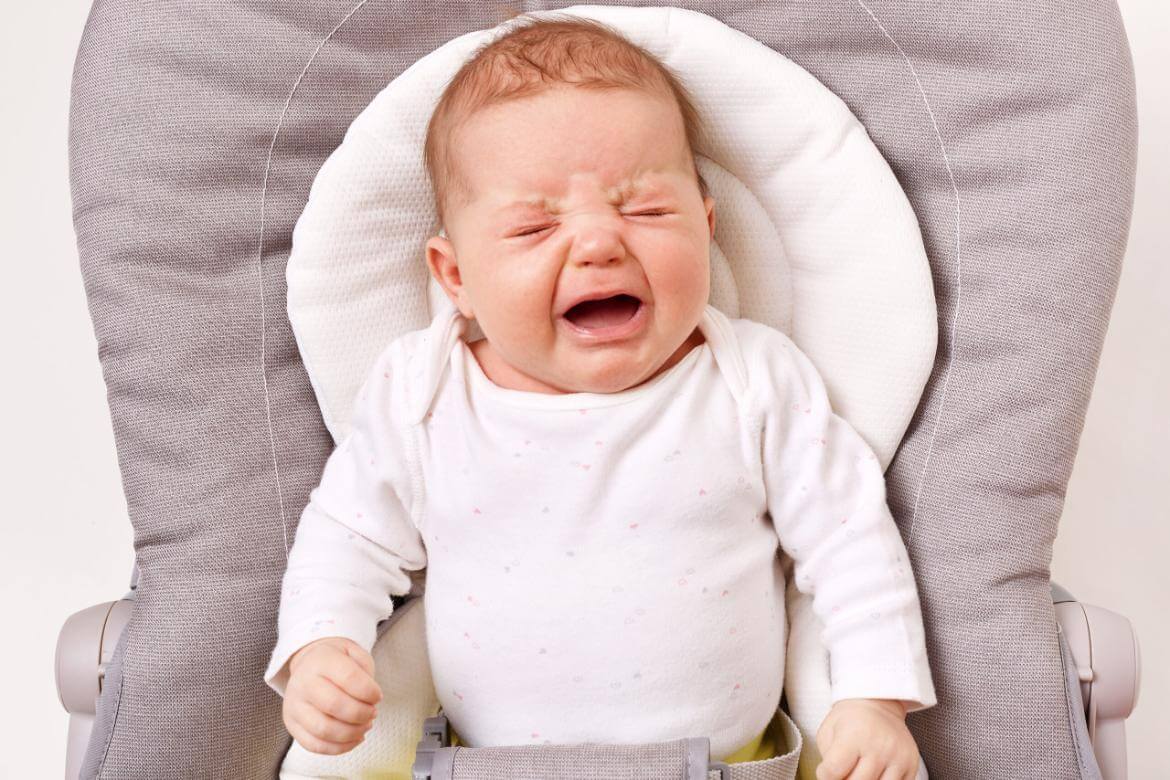
Restless Baby Syndrome (RLS)
Restless Baby Syndrome (RLS) , sometimes known as colic , is a condition that lasts longer than three weeks and typically begins around three months of age. RLS typically occurs in healthy babies and is characterized by specific symptoms, including excessive irritability, excessive crying, and difficulty coordinating.
A baby with RLS is constantly and repeatedly irritable and cries excessively for at least three hours a day, at least three days a week. This crying is usually more intense in the afternoon or evening. Babies may not be soothed even with soothing methods during this period, and the crying may not seem to be caused by anything specific. Babies with RLS generally grow and gain weight well, but it can have a significant impact on their quality of life and the quality of life of their families.
Symptoms of restless baby syndrome
Restless Baby Syndrome (RIS), or colic, presents with specific symptoms in infants. RLS symptoms may include:
- Excessive crying: Babies with RLS cry excessively, consistently and repeatedly, for at least three hours a day, at least three days a week. This crying is usually more intense in the afternoon or evening.
- Restlessness: The baby may be constantly restless, tense, or distressed. Even soothing techniques or cuddling may be difficult to comfort.
- Abdominal bloating and gas problems: Abdominal bloating, gas accumulation, and gas pains are common in babies with RLS. This can make the baby even more uncomfortable.
- Difficulty sleeping: Babies with RLS often have difficulty falling asleep. It can take longer to fall asleep, and sleep patterns may be disrupted.
- Feeding problems: Some babies with RLS may experience feeding problems. This may include loss of appetite, frequent sucking, or frequent feeding requests.
- Facial redness: Babies' faces may become red or pale due to excessive crying. The eyes may also become swollen or red.
- Legs pulled in: Babies may draw their legs up toward their chest due to abdominal pain or gas.
- Prolonged RLS episodes: RLS typically lasts for a period of more than three weeks. Symptoms then gradually diminish and usually disappear completely by six months.
The symptoms of RLS can vary from baby to baby and may not be as severe in every baby. These symptoms generally do not affect the baby's health, and they continue to grow normally. However, RLS can affect the quality of life of the baby and the family. It's important to consult a pediatrician if your baby has symptoms of RLS.
Why do babies become restless?
Restless Baby Syndrome (RLS) is a condition whose exact cause is unknown. However, there are some possible contributing factors:
- Intestinal problems: Gas accumulation in the intestines, irregular bowel movements, or other problems in the gastrointestinal tract may contribute to RLS.
- Nervous system development: Because babies' nervous systems are still developing, they may be hypersensitive to neurological stimuli, which can lead to RLS symptoms.
- Feeding problems: Problems with the baby's digestive system or feeding methods can contribute to RLS.
- Family environment: A stressful family environment can increase a baby's irritability. Parental stress and tension can affect a baby's ability to feel comfortable.
- Hormonal factors: Some research suggests that hormonal imbalances in babies may influence RLS. However, more studies are needed on this topic.
The factors that contribute to RLS can vary from baby to baby, and every baby's condition is unique. Although the exact cause is unknown, RLS typically subsides spontaneously over time and is often completely gone by six months. It's important to remember that RLS is a temporary condition, and appropriate strategies should be implemented to comfort and support the baby.

How to get rid of restless baby syndrome?
- Provide a calm environment: Keep your baby in a calming environment. A quiet room, dim lighting, and a low-stimulation environment can help your baby relax.
- Rocking and swaying: Rocking or swaying your baby can provide soothing relief for some babies. This can include a rocking chair or cradling your baby.
- White noise and soothing sounds : You can use soothing sounds like white noise, soft music, or nature sounds. These can distract your baby and have a soothing effect.
- Gentle massage of the abdomen: Gently massaging the baby's abdomen can help move gas and provide relief. You can massage gently in a circular, clockwise motion.
- Breastfeeding or feeding: Breastfeeding or bottle-feeding your baby can provide relief. If your baby is hungry or needs to feed, this can also contribute to their discomfort.
- Sleep patterns: It's important to pay attention to your baby's sleep patterns. To ensure your baby gets enough sleep, you can create a bedtime routine and create a calming sleep environment.
- Provide support and comfort: Hold your baby close, cuddle them, and try to soothe them. You can also try relaxation techniques like a warm bath or gentle rocking.
The symptoms of RLS can vary from baby to baby, so the strategies that are effective for each baby may vary. It's important to understand your baby's needs and try different methods.
How to put babies with restless baby syndrome to sleep?
Getting babies with restless baby syndrome (RLS) to sleep can be difficult, but the following strategies can help the baby relax and sleep:
- Establish a bedtime routine: Establish a regular bedtime routine for your baby. You can do calming activities before bedtime. For example, give your baby a gentle massage, read a soothing story, or play soft music. This routine can help your baby understand that it's time for bed.
- Provide a comfortable sleep environment: Create a calm and comfortable sleeping environment for your baby. Keep the room temperature at a comfortable level, use dim lighting, and provide a quiet environment. Choose a sleeping surface that your baby will find comfortable.
- White noise or soothing sounds: You can use white noise or soothing sounds to help your baby sleep. White noise machines or sleep apps can distract your baby and provide a relaxing environment.
- Breastfeeding or feeding: Putting your baby to sleep with a breast or bottle feed can provide relief for some babies. However, it's important to monitor your baby's needs and development to reduce the frequency of breastfeeding or feeding during the night.
- Rocking or swaying: Some babies find it soothing to be rocked or rocked to fall asleep. A rocking chair or simply rocking your baby in your lap can soothe your baby and help them fall asleep.
- Hugging and cuddling: When your baby is feeling restless, offer them a hug. Skin-to-skin contact and affection can soothe your baby and help them fall asleep.
- Be patient: Getting babies with RLS to sleep can take time and patience. Be patient to understand your baby's needs and support them.
Remember, every baby is different, and the methods that work for each baby may vary. Observe your baby's needs and try the methods that best suit them to establish a sleep routine.
What happens if restless baby syndrome is not treated?
Restless Baby Syndrome (RLS) is usually a temporary condition, and most babies outgrow their symptoms by six months. However, if RLS is left untreated or its symptoms are not controlled, it can cause several adverse effects:
- Family stress: Having a baby with RLS can increase parents' stress levels. Excessive crying and fussiness can leave parents feeling inadequate and experiencing emotional distress.
- Lack of sleep: RLS symptoms can disrupt a baby's sleep patterns. Lack of sleep can affect the health of both the baby and the parents. It can lead to fatigue, low energy levels, and difficulty concentrating.
- Difficulties in family relationships : RLS symptoms can cause tension and conflict between parents. Prolonged stress and disharmony can strain family relationships.
- Infant development and relational bonding: RLS can interfere with a baby's normal development. Excessive crying and irritability can make it difficult to meet a baby's emotional needs and can affect the parent-infant relationship.
- Parent-Child Interaction: RLS symptoms can negatively impact parents' interactions with their babies. Fatigue, stress, and restlessness can make it difficult for parents to bond and interact with their babies.
Untreated RLS can exacerbate these adverse effects and lead to long-term problems. Therefore, if you have a baby with RLS, it's important to follow your doctor's recommendations and try appropriate strategies to relieve symptoms. It's also important for families affected by RLS symptoms to receive support. Consulting a pediatrician or specialist can help develop the right treatment plan.
