


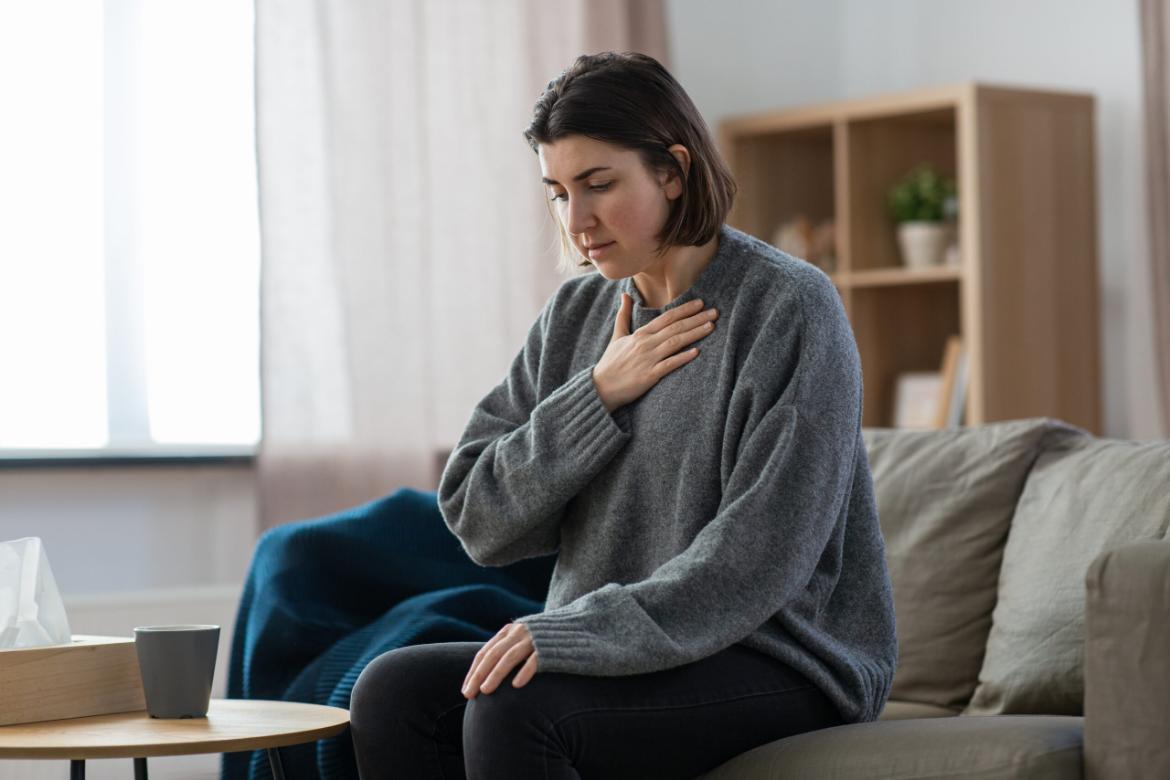
Shortness of breath
Shortness of breath is a condition that causes a person to breathe more difficultly or uncomfortable than usual. Shortness of breath can occur for many different reasons, including a narrowed airway, a problem with the lungs or respiratory system, or simply not getting enough oxygen to meet the body's oxygen needs.
Shortness of breath can occur during specific situations or activities, or it can become a constant problem. For example, experiencing shortness of breath while exercising or at high altitudes can be normal. However, if shortness of breath occurs or worsens during routine daily activities or while resting, it could be a sign of a serious health problem.
What are the symptoms of shortness of breath?
Symptoms of shortness of breath can vary from person to person and depend on the underlying cause. However, some common symptoms of shortness of breath include:
- Difficult and rapid breathing: A person experiencing shortness of breath inhales and exhales with greater effort than normal. Deep and rapid breathing may be necessary to maintain breathing.
- Difficulty breathing: A person may feel weak or short of air when breathing. Breathing may become difficult, and the person may feel as if they can't breathe fully.
- Chest tightness or pain: Shortness of breath is often accompanied by a feeling of tightness or pressure in the chest. This can cause discomfort or pain when breathing.
- Fast or irregular pulse: People with shortness of breath may experience an increased or irregular heart rate. This may be due to the heart working harder to meet the body's oxygen needs.
- Fatigue or weakness: People experiencing shortness of breath may tire quickly or feel a lack of energy because their bodies are not getting enough oxygen.
- Trouble breathing accompanied by cough or shortness of breath: Shortness of breath can sometimes accompany the cough. A gurgling or wheezing sound may be heard while breathing.
- Rapid breathing: A person experiencing shortness of breath may notice that their breathing rate is faster than normal.
What causes shortness of breath?
Shortness of breath can occur for many different reasons. Some of the common causes of shortness of breath include:
- Respiratory system diseases : Lung and respiratory system diseases such as asthma, chronic obstructive pulmonary disease (COPD), bronchitis, and pneumonia (lung infection) can cause shortness of breath.
- Heart diseases: Heart diseases such as heart failure, coronary artery disease, and heart attack can cause shortness of breath as a result of the heart's inability to pump enough oxygen and blood.
- Lung diseases : Lung-related diseases such as pulmonary fibrosis, pulmonary embolism (blockage in the lung arteries), and lung cancer can cause shortness of breath.
- Anemia: If the body does not have enough healthy red blood cells, not enough oxygen may be carried to the tissues and shortness of breath may occur.
- Allergic reactions: Allergic reactions such as asthma , respiratory allergies, or anaphylaxis can also cause shortness of breath.
- Obesity : Being overweight can cause shortness of breath as the body requires more oxygen.
- Anxiety and panic attacks: During severe anxiety or panic attacks, breathing patterns may be disrupted and shortness of breath may occur.
- Smoking: Smoking can affect the lungs, impairing respiratory function and leading to shortness of breath.
- High altitudes: At high altitudes, the amount of oxygen in the atmosphere decreases, which can cause shortness of breath.
The factors that cause shortness of breath can vary from person to person, and in some cases, multiple factors may occur simultaneously. It is important for individuals experiencing shortness of breath to consult a healthcare professional to diagnose the underlying cause and determine appropriate treatment options.

Lung-related shortness of breath
Pulmonary shortness of breath refers to a condition resulting from problems in the respiratory system or lungs. Some common conditions that cause this type of shortness of breath include:
- Asthma: Asthma is a chronic respiratory disease that causes shortness of breath due to narrowing and inflammation of the airways. Shortness of breath attacks occur in certain situations, such as exposure to triggers or exercise.
- COPD (Chronic Obstructive Pulmonary Disease): COPD is a progressive lung disease often associated with factors such as smoking or long-term exposure to respiratory irritation. COPD restricts airflow from the lungs, causing shortness of breath.
- Lung infections: Infections affecting the lungs, such as pneumonia (lung infection), bronchitis, or respiratory infections, can cause inflammation of the lungs and difficulty in air exchange, leading to shortness of breath.
- Lung fibrosis: Lung fibrosis is a chronic lung disease in which normal lung tissue is replaced by scar tissue. The hardening and fibrosis of the lungs leads to shortness of breath and difficulty breathing.
- Pulmonary embolism: A pulmonary embolism occurs when a blockage occurs in the pulmonary arteries. This usually occurs when a blood clot, such as a deep vein thrombosis (DVT), travels to the lungs. A pulmonary embolism can disrupt blood flow in the lungs, causing shortness of breath and chest pain.
- Lung cancer: Lung cancer is a type of cancer in which abnormal cells grow and spread rapidly in the lungs. Tumors can block the airways or tissues of the lungs, causing shortness of breath and difficulty breathing.
Heart-related shortness of breath
Cardiac shortness of breath refers to a condition resulting from problems with the heart or circulatory system. Some common causes of this type of shortness of breath include:
- Heart failure: Heart failure is a condition in which the heart cannot pump enough blood. This disrupts the ability to deliver adequate oxygen to the body and can cause shortness of breath. Shortness of breath usually begins during exercise or activity and can persist even at rest.
- Coronary artery disease : Coronary artery disease is a condition caused by narrowing or blockage of the coronary arteries that supply blood to the heart muscle. The heart muscle's inability to receive adequate oxygen can lead to shortness of breath, especially during physical activity.
- Heart attack: A heart attack occurs when the heart muscle completely stops receiving oxygen due to a blockage in the coronary arteries. Symptoms such as shortness of breath, chest pain, and palpitations may occur during a heart attack.
- Heart valve diseases: Problems such as narrowing or insufficiency of the heart valves can cause shortness of breath. When the heart valves fail to function properly to ensure proper blood flow, shortness of breath can occur as a result of blood backflow into the lungs or other parts of the body.
- Hypertension (high blood pressure): High blood pressure can cause your heart to work harder. This can lead to shortness of breath, especially during exercise or physical activity.
- Heart valve problems: Congenital heart defects or valve diseases (such as narrowing or leaking heart valves) can cause shortness of breath. These conditions prevent the heart from maintaining normal blood flow and can lead to shortness of breath.
How is shortness of breath diagnosed?
- Hospital Examination: A person who presents with symptoms of shortness of breath will provide information about their medical history, symptoms, and current health. The doctor may ask questions to obtain details such as the onset of symptoms, their severity, triggering factors, and the timing of their onset.
- Physical examination: A doctor will perform a physical examination to assess the condition of the respiratory system, heart, and other organs. Methods such as listening to the lungs and heart (with a stethoscope), checking the pulse, and examining the chest may be used.
- Respiratory tests: Pulmonary function tests are used to evaluate lung function. Spirometry measures lung capacity, airflow rate, and other respiratory parameters. These tests may be used to evaluate asthma, COPD, or other respiratory diseases.
- Electrocardiogram ( ECG ): This is a test that measures heart activity. An ECG may be performed when shortness of breath may be caused by a heart condition . This test helps evaluate heart rhythm, heartbeat regularity, and potential abnormalities.
- Blood tests: Blood tests may be done to detect certain underlying health problems that may be causing shortness of breath, such as anemia, infections, markers of inflammation, or thyroid function.
- Imaging tests: If necessary, imaging tests such as X-rays, computed tomography (CT) scans, or magnetic resonance imaging (MRI) may be used. These tests help evaluate the structure and condition of the lungs, heart, or other internal organs.
Once the specific disease or condition causing shortness of breath is identified, a treatment and management plan is determined.
How to relieve shortness of breath?
Treatment for shortness of breath relies primarily on identifying the underlying cause. Therefore, the treatment for shortness of breath depends on the underlying problem and diagnosis. Some common treatments for relieving and managing shortness of breath include:
- Primary treatment: Treatment of the underlying disease should be the priority. For example, inhalers, bronchodilators, or corticosteroids can reduce shortness of breath in cases of respiratory diseases such as asthma or COPD.
- Oxygen therapy: Supplemental oxygen can relieve shortness of breath by increasing blood oxygen levels and delivering more oxygen to tissues. This treatment may be used for conditions such as lung disease, heart failure, or lung infections.
- Medication: In addition to treating the underlying disease, medications may be used to relieve shortness of breath. For example, bronchodilators to reduce bronchospasm, diuretics, or ACE inhibitors to treat heart failure.
- Breathing exercises: Breathing exercises may be recommended to relieve shortness of breath and improve respiratory control. Deep breathing, breath holding, and slow, controlled breathing techniques can help reduce symptoms of shortness of breath.
- Physical activity and exercise: Physical activity and exercise can help strengthen respiratory muscles and increase respiratory efficiency. However, an exercise program should be individually tailored and implemented under the supervision of a physician, depending on the underlying condition.
- Correcting treatable factors: Correcting or eliminating factors that cause shortness of breath, such as smoking, being overweight, or exposure to allergens, may help reduce symptoms.
Shortness of breath can be managed by treating the underlying cause. Treatment may vary depending on the type and severity of the condition and the individual situation.
