



Fever
Fever is not a disease. It is a response of the body and usually occurs as a symptom of an illness or infection. It is an immune response that indicates that the body's defense mechanisms are activated and fighting the infection.
The body's immune system uses a number of mechanisms to fight infections, and one of these mechanisms is fever. A fever is a condition in which the body temperature is higher than normal.
Fever can often be caused by infections and the entry of microorganisms such as bacteria, viruses, or fungi into the body. When these microorganisms initiate an infection, the immune system is activated, activating the body's defense mechanisms. This process causes an increase in body temperature and the development of a fever.
Fever is controlled by chemical signals called cytokines, secreted by the immune system. Cytokines act in a region called the hypothalamus, which influences body temperature regulation. The hypothalamus functions like a thermostat to regulate body temperature. Cytokines send signals to the hypothalamus, increasing body temperature and inducing fever.
Contents ▼
- What are the symptoms of fever?
- What are the causes of fever?
- What to do when fighting fire
- What causes fever in children and what are its symptoms?
- When should you see a doctor for fever?
What are the symptoms of fever?
Symptoms of fever may vary from individual to individual, but generally the following symptoms can be observed in a feverish condition:
- High body temperature: The most obvious symptom of a fever is a higher-than-normal body temperature. A fever is generally considered to be 38 degrees Celsius or higher in adults and 37.5 degrees Celsius or higher in children.
- Headache: Headaches are a common symptom of fever. Pain or a feeling of pressure can occur in any part of the head.
- Muscle and joint pain: Muscle and joint pain are also common with fever. Pain, tenderness, or tightness may be felt in the muscles or joints.
- Chills and shivering: A fever can cause a feeling of chills or shivering, along with an elevated body temperature. The body may respond with muscle tremors to regulate the temperature.
- Sweating: Sweating can increase with fever. This may be a reflection of the body trying to lower its temperature.
- Weakness and Fatigue: A fever can lower energy levels while the body is fighting an infection or illness. Therefore, feeling weak and tired is common during fevers.
- Loss of appetite : Appetite often decreases during a fever. The taste of food or drink may change, and a loss of appetite may occur.
- Other symptoms : Fever can sometimes cause other symptoms, such as a sore throat, cough, runny or stuffy nose, nausea, or vomiting. These symptoms can vary depending on the underlying infection or illness causing the fever.
In a fever, the severity of the fever and the duration and severity of other symptoms may depend on the underlying cause and the person's overall health. If fever symptoms persist or worsen, it's important to consult a healthcare professional.
What are the causes of fever?
- Infections: The most common cause of fever is infection. Bacterial, viral, or fungal infections can cause fever. For example, the flu, colds, pneumonia, urinary tract infections, throat infections, sinusitis, or ear infections can cause fever.
- Respiratory infections: Respiratory infections such as bronchitis, respiratory infections, or pneumonia may also be associated with fever.
- Urinary tract infections: Bladder infections or kidney infections can cause fever.
- Ear infections: Middle ear infections can cause feverish symptoms.
- Sinusitis: Sinus infections can also cause fever.
- Tooth infections: Tooth decay or gum infections can sometimes be associated with fever.
- Immune system disorders: Diseases related to the immune system, such as rheumatoid arthritis, lupus, or some autoimmune diseases, can cause fever.
- Inflammation: Inflammation in an area of the body can cause a fever. For example, appendicitis, rheumatic fever, or pancreatitis may be associated with a fever.
- Drug reactions: Some medications can cause side effects such as fever. Antibiotics, anticonvulsants, and some painkillers can cause fever.
- Immunizations: Vaccines are used to stimulate the immune system's response and can sometimes cause a mild fever.
What to do when fighting fire
- Get some rest: Make sure to rest when you have a fever. Adequate rest is important for your body to fight off infection.
- Increase your fluid intake: During fevers, the body can lose more fluids. Make sure to drink plenty of fluids, such as water, herbal teas, or light fruit juices. This will help maintain hydration levels.
- Stay in a cool environment: It's important to stay in a cool room or area when you have a fever. Wear light, comfortable clothing. You can use a fan or air conditioner to control the room's temperature.
- Use cooling methods : You can try some methods to cool your body. For example, taking a warm shower, patting yourself dry with a damp towel, or applying a cold compress. These can help reduce fever and provide relief.
- Be careful about dressing: Choose comfortable, lightweight cotton clothing. Protect yourself from extreme heat or extreme cold.
- Use pain relievers and fever reducers : You can use fever-reducing medications, such as ibuprofen or acetaminophen, as prescribed by your doctor. These medications can reduce fever and pain. However, be sure to consult your doctor before using any medication and follow the instructions carefully.
- See a doctor: If your fever persists, becomes severe, or if other bothersome symptoms occur, see a healthcare professional. Your doctor will determine the underlying cause of the fever and recommend appropriate treatment.
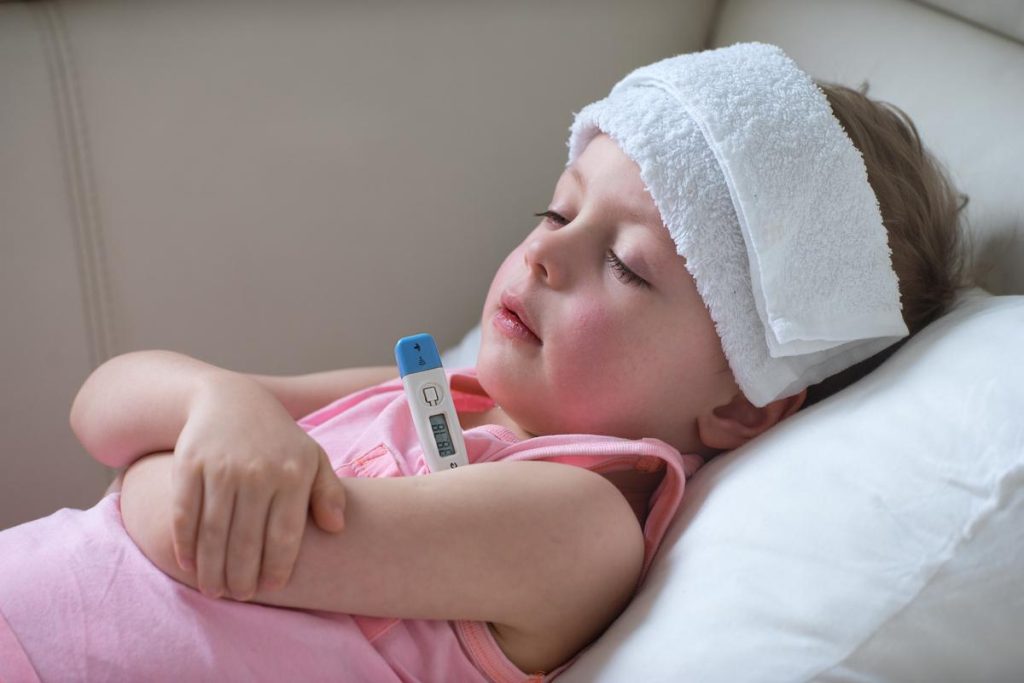
What causes fever in children and what are its symptoms?
Fever in children can have many different causes. A fever is a higher-than-normal body temperature and is usually a symptom of an infection. Common causes and symptoms of fever include:
- Infections: The most common cause of fever is infection. Fever can be caused by bacterial or viral infections, such as upper respiratory infections (such as the flu or common cold), ear infections, throat infections, urinary tract infections, or pneumonia.
Symptoms: Other signs of infection such as fever, fatigue, loss of appetite, headache, sore throat, cough, runny nose, vomiting or diarrhea may occur.
- Teething: Fever may occur in babies during the teething period.
Symptoms: During teething, babies may experience fever, restlessness, itchy gums, increased salivation and loss of appetite.
- Vaccination: Some vaccines can cause fever, especially in children.
Symptoms: Post-vaccination fever is usually mild and short-lived. In addition to the fever, there may be redness or tenderness at the vaccination site.
- Immunological diseases: Some autoimmune diseases or diseases related to the immune system, such as systemic lupus erythematosus, can cause fever.
Symptoms: In addition to fever, other symptoms may also occur in such diseases, but the symptoms may vary depending on the disease.
If your child has a fever and you notice that their temperature is over 38°C (100.4°F ), it's important to contact your doctor. You should also contact your healthcare provider immediately if the fever is accompanied by other symptoms, such as severe respiratory distress, severe headache, vomiting, or a skin rash.
When should you see a doctor for fever?
A fever is usually a sign that the body is fighting an infection. However, in some cases, a fever can be caused by a serious underlying health problem. Some situations that warrant a doctor's attention include:
- Fever in babies: A fever in babies over 3 months of age should be taken seriously. It's important to see a doctor immediately.
- High fever: If the fever is 38.5°C or higher, you should contact your doctor, especially if your child has other symptoms such as extreme restlessness, severe headache, abdominal pain, vomiting, diarrhea, difficulty breathing or skin rash.
- Children with chronic illnesses: It is important to consult your doctor in case of fever in children with a weak immune system or a chronic illness.
- Signs of dehydration: If your child has a fever and signs of dehydration such as extreme thirst, a significant decrease in urine output, dry mouth and sunken eyes, you should consult a doctor.
- Prolonged fever : It is important to consult a doctor if the fever persists for 3 days or more.
- Other symptoms: If you have symptoms such as severe breathing difficulties, severe headache, severe abdominal pain, altered consciousness, seizures, rash, sore throat, or earache in addition to fever, you should contact your healthcare provider immediately.
