


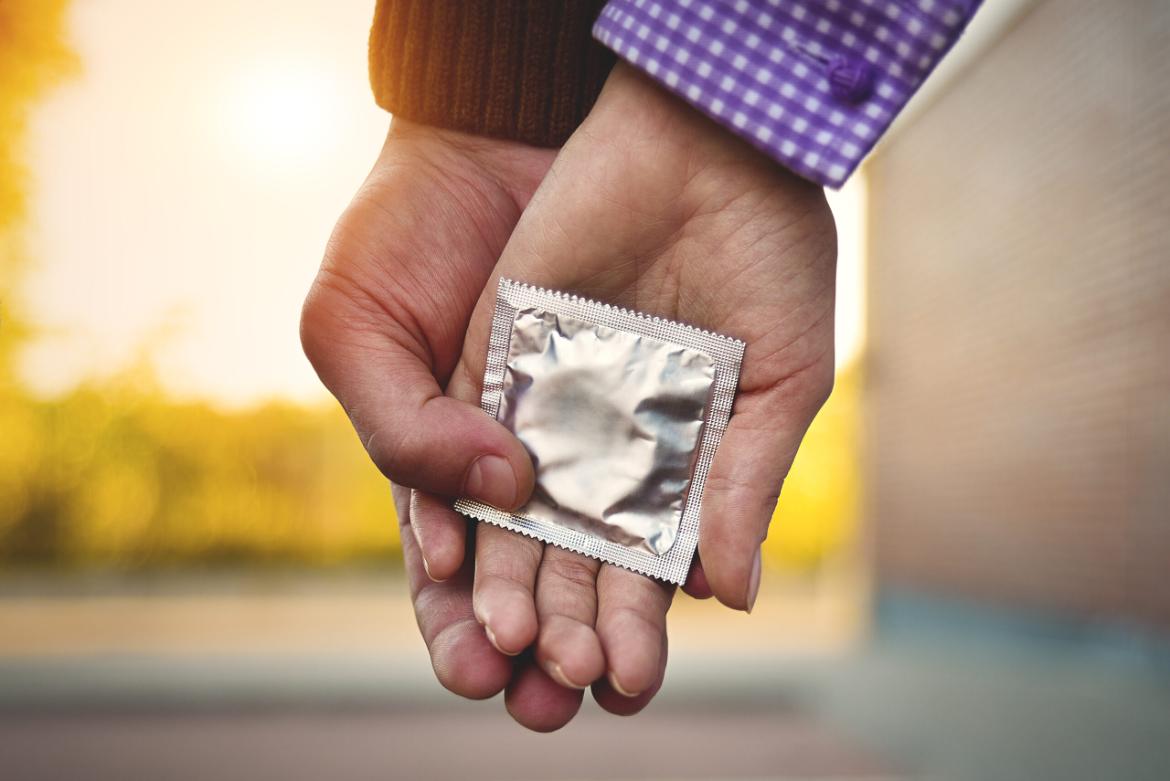
Sexually Transmitted Diseases
Sexually transmitted infections (STDs) are diseases spread from person to person through sexual intercourse. STDs can include many different infections, and symptoms can vary depending on gender, age, type of infection, and a person's immune system status. Some common STDs include:
Many of these diseases may progress without symptoms, but if left untreated, they can lead to serious health problems.
- Chlamydia: An infection seen in both men and women and often without symptoms, it can cause urinary tract infections and, if left untreated, infertility.
- Gonorrhea: A bacterial infection that infects both men and women. Symptoms include burning and discharge during urination. If left untreated, it can cause infections in the reproductive organs and lead to infertility.
- HPV (Human Papillomavirus): A type of virus that causes genital warts in men and women. Some types can cause cancer.
- Herpes: There are two types: type 1 and type 2. It's usually associated with cold sores around the mouth and on the lips, but it can also cause infection in the genital area. There's no cure, and it can recur frequently.
- Syphilis: A bacterial infection that affects both men and women. Symptoms can range from oral sores to sexually transmitted rashes.
Therefore, to protect yourself from sexually transmitted diseases, unprotected sex should be avoided and regular testing should be done.
How are sexually transmitted diseases transmitted?
Sexually transmitted diseases (STDs) are transmitted from an infected person to an uninfected person during sexual contact. Most of these diseases are caused by bacteria, viruses, or parasites and can be transmitted through the body fluids of an infected person during sexual contact. The most common forms of STDs are:
- Chlamydia: Caused by bacteria and can cause infection in the vagina, cervix, penis, rectum, and throat.
- Gonorrhea: Caused by bacteria and can cause infection of the vagina, cervix, penis, rectum, and throat.
- Syphilis: Caused by bacteria and can cause infection in the body.
- HPV (Human Papillomavirus): It is caused by viruses and can cause infection through sexual contact.
- Herpes: Caused by viruses and can cause infection through sexual contact.
- Hepatitis B and C: Caused by viruses and can cause infection through sexual contact.
What are the symptoms of sexually transmitted diseases?
Symptoms of sexually transmitted infections (STDs) can vary depending on the type of STD, the infected person's immune system, and the duration of the infection. Some STDs may have no symptoms, but the infected person can spread the infection. Some symptoms may include:
- Chlamydia: Burning during urination, vaginal discharge, abdominal pain, fever, nausea, vomiting.
- Gonorrhea: Burning during urination, vaginal discharge, penile discharge, rectal bleeding or discharge, sore throat.
- Syphilis: Painless sores called chancres, skin rashes, fever, headache, muscle aches, fatigue.
- HPV (Human Papillomavirus): Warts in the genital area, precancerous lesions.
- Herpes: Painful blisters and ulcers, muscle pain, fever, headache.
- Hepatitis B and C: Liver damage, jaundice, abdominal pain, weakness, loss of appetite.
These symptoms usually occur after sexual contact, but sometimes symptoms are absent or can be confused with another infection.
How Are Sexually Transmitted Diseases Diagnosed?
Diagnosis of STDs can vary depending on the type of infection, duration of illness, and symptoms. However, STDs are generally diagnosed through:
- Physical examination: A physical examination may be performed to look for suspicious lesions or sores in the genital area.
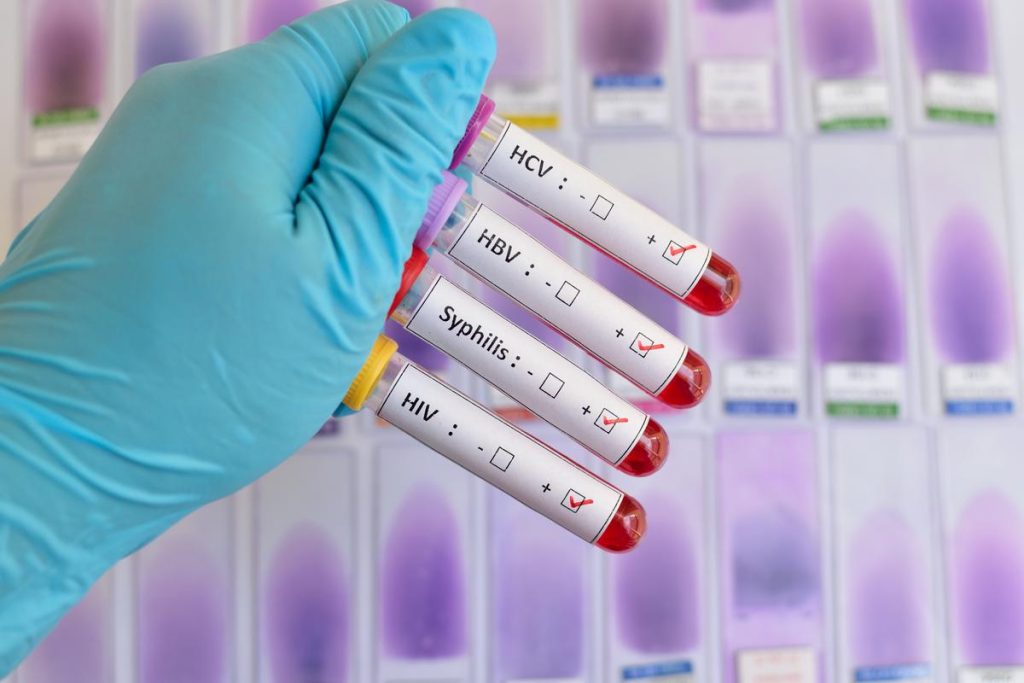
- Blood test: A blood test may be done to detect certain sexually transmitted infections (STDs). For example, a blood test for hepatitis B and C and an antibody test for HIV may be done.
- Urine test: A urine test can be performed to diagnose some sexually transmitted diseases, such as chlamydia and gonorrhea.
- Culture test: A culture test may be performed for some infections, such as gonorrhea.
- Biopsy : A biopsy may be required to diagnose some sexually transmitted infections, such as chancre.
How are Sexually Transmitted Diseases Treated?
Treatment for STDs depends on the type and severity of the infection. In most cases, treatment involves antibiotics or antiviral medications. Treatment may be more effective if started early in the disease's course.
Treatment generally begins with testing and, if necessary, treatment of sexual partners. Untreated sexual partners can cause the infection to spread again.
Some medications used in the treatment of sexually transmitted diseases include:
– Antibiotics: Used to treat bacterial infections such as gonorrhea, chlamydia and syphilis.
– Antiviral drugs: Used to treat infections caused by viruses such as herpes and HPV.
– Antiparasitic drugs: Used in the treatment of parasitic infections such as Trichomonas vaginalis infections.
It's important to follow your doctor's recommendations throughout the treatment process. If your symptoms persist or the infection recurs, you should consult your doctor again.
There are also several methods you can use to protect yourself from sexually transmitted infections (STDs), including using condoms, staying in a monogamous relationship, getting tested regularly, and keeping your vaccinations up to date.
What are the ways to protect yourself from sexually transmitted diseases?
- Limit sexual activity: Reducing the number and frequency of sexual intercourse can reduce your risk of infection.
- Use a condom: When used during sexual intercourse, a condom can significantly reduce the risk of infection from the body fluids of an infected partner.
- Maintain a monogamous relationship: Having sex with only one partner can reduce the risk of spreading infections. However, make sure your partner hasn't previously had an STD.
- Get tested regularly: By getting tested for STDs regularly, infections can be diagnosed and treated early.
- Know your partner's health: Don't be afraid to ask if your partner has an STD. Also, encourage your partner to get tested if you notice signs of infection.
- Be careful: Signs and symptoms of STDs can vary. Check yourself and your partner regularly and get treatment right away if you notice signs of infection.
- Vaccination: Vaccination options are available for some STDs. HPV vaccination is recommended for young people who are sexually active.
Are women or men more at risk for sexually transmitted diseases?
Sexually transmitted infections (STDs) can affect both genders, but some diseases are more common and can have more serious consequences in women. Therefore, women are at greater risk from STDs.
For example, women are at higher risk of contracting HPV (Human Papillomavirus). HPV can increase the risk of cervical cancer and can be fatal for women. They are also at higher risk for other STDs, such as chlamydia and gonorrhea.
The symptoms of STDs vary between men and women. For example, men often experience pain or burning during urination, while women may experience milder or even no symptoms at all. Therefore, both men and women should get regular STD tests and monitor closely for signs of infection.
