


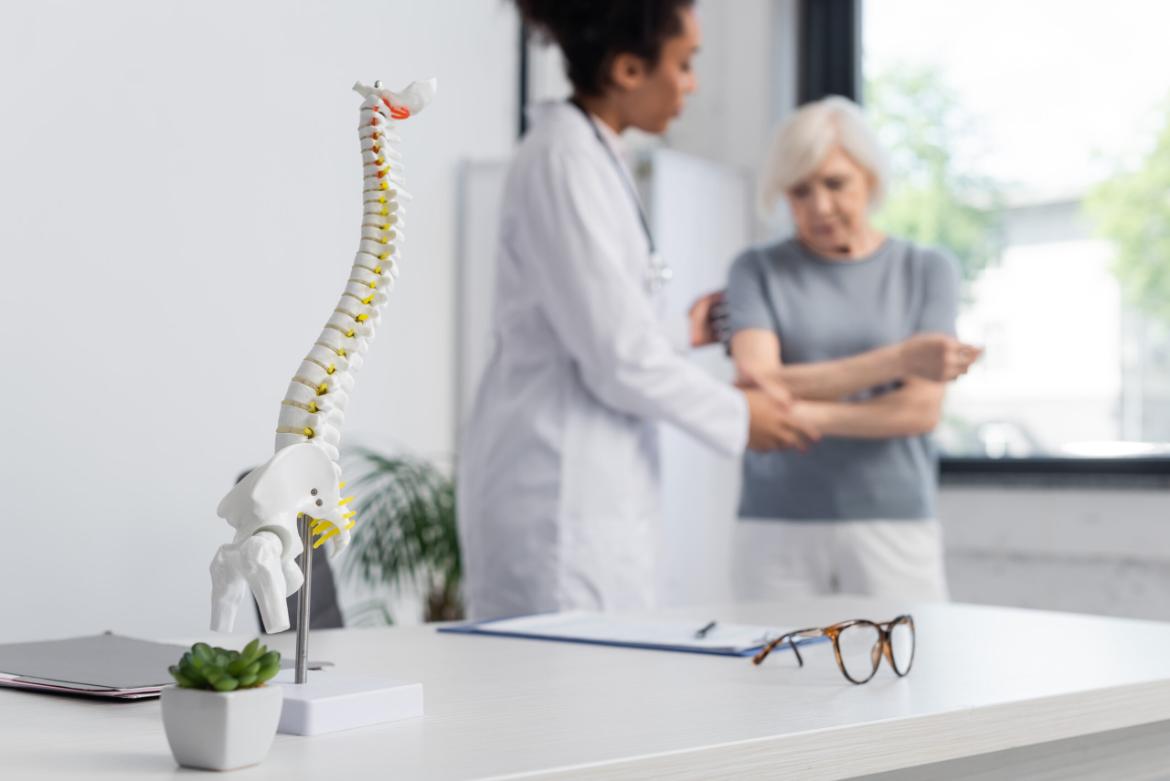
Osteoporosis (Bone Thinning)
Osteoporosis is the weakening and fragility of bones due to decreased bone mineral density and increased microstructural deterioration of bone tissue. This can cause bones to become less dense and less durable, increasing the risk of fractures during normal activities.
Osteoporosis is generally associated with aging, but other factors can also contribute to the development of this condition. These may include changes in hormone levels (for example, menopause), poor diet, low physical activity, alcohol consumption, smoking, and certain medications.
Osteoporosis is a significant health problem affecting postmenopausal women, particularly those with frequent fractures in bones such as the hip, spine and wrist.
What are the symptoms of osteoporosis (bone thinning)?
Osteoporosis is a condition that results from the thinning and weakening of bones. Symptoms of osteoporosis include:
- Back pain: When the bones of the spine weaken, back pain or lower back pain can occur.
- Loss of height: Osteoporosis can cause you to lose height. This is caused by weakening of the bones in your spine.
- Humpback: Osteoporosis can cause posture problems such as hunchback, which is caused by weakening of the spinal bones.
- People with osteoporosis may have bones that break easily, even from falls or minor trauma. Fractures of the hip, wrist, or spine are particularly common .
- Tooth loss: Osteoporosis can lead to tooth loss.
- Weak nails: People with osteoporosis may have weaker nails and break easily.
What are the causes of osteoporosis (bone thinning)?
Osteoporosis is a bone disease caused by the loss of bone density and thinning of bone tissue. Causes of osteoporosis can include aging, hormonal changes, nutritional deficiencies, a sedentary lifestyle, alcohol and tobacco use, certain medications, and genetic factors.
- Aging: As we age, bone density decreases and bones become more brittle. This is why osteoporosis is more common, especially in people over 50.
- Hormonal changes: Postmenopausal women experience a decrease in bone density due to lower estrogen levels. Similarly, men experience a decrease in testosterone levels as they age, increasing their risk of osteoporosis.
- Nutritional deficiencies: A deficiency in calcium, vitamin D, magnesium, and other minerals important for bone health can increase the risk of osteoporosis.
- Sedentary lifestyle: Lack of physical activity can lead to decreased bone density and an increased risk of osteoporosis.
- Alcohol and smoking: Excessive alcohol consumption and smoking can weaken bones, increasing the risk of osteoporosis.
- Certain medications: Medications such as some corticosteroid medications, anticonvulsants, and chemotherapy drugs can harm bone health and increase the risk of osteoporosis.
- Genetic factors: People with a family history of osteoporosis may be at greater risk of decreased bone density and osteoporosis.
Osteoporosis can be caused by a variety of factors. However, a healthy lifestyle and proper eating habits can help maintain bone health and reduce the risk of osteoporosis.
Who usually suffers from osteoporosis?
Osteoporosis is a bone disease that can affect people of all ages. However, it is more common in women and men over the age of 50. However, certain factors are known to increase the risk of osteoporosis. These factors include:
- Age: As we age, bones become less dense and more brittle.
- Gender: Women are at higher risk of osteoporosis due to decreasing estrogen levels after menopause.
- Family history: Having a family history of osteoporosis can increase the risk of osteoporosis.
- Lifestyle: Decreased physical activity, smoking, alcohol consumption, poor diet and vitamin D deficiency can increase the risk of osteoporosis.
- Medication use: Some medications, especially corticosteroids, may increase the risk of osteoporosis.
- Chronic diseases: Certain chronic diseases, such as rheumatoid arthritis, inflammatory bowel disease, thyroid diseases, and chronic kidney disease, can increase the risk of osteoporosis.
- Gender identity: If transgender individuals take hormone therapy, their risk of osteoporosis may increase.
How is osteoporosis (bone thinning) diagnosed?
Osteoporosis is a bone disease characterized by decreased bone density and brittleness. Various tests and imaging methods are used to diagnose it.
Diagnosis of osteoporosis is usually made by bone mineral density measurements and clinical evaluations.
- Bone Mineral Density Measurements: A bone mineral density measurement is a key test in diagnosing osteoporosis. These tests measure how hard bones are and how much calcium they contain. DEXA (dual-energy X-ray absorptiometry) is the most commonly used test. This test uses a radiation-free X-ray to measure bone mineral density, particularly in areas at high risk of fracture, such as the hip and spine.
- Clinical Assessments: Another important factor in diagnosing osteoporosis is the patient's history and physical examination. Physicians perform an assessment to determine whether the patient has any bone fractures, as well as osteoporosis risk factors (e.g., age, gender, family history, smoking, alcohol consumption, medication use, hormone levels).
- Blood Tests: Blood tests may be used to evaluate how well bones are made and bone metabolism. These include biochemical tests such as calcium, phosphorus, vitamin D, parathyroid hormone (PTH), alkaline phosphatase, and bone density markers.
- Imaging Tests: X-rays, magnetic resonance imaging (MRI), and computed tomography (CT) scans may be used to identify fractures or thinning of bones. These tests may be used in advanced stages of osteoporosis.
Osteoporosis can be controlled with early diagnosis and appropriate treatment. Regular checkups with your doctor are recommended to identify your risk factors and ensure your bones remain healthy.
What should be done to prevent osteoporosis?
Osteoporosis, or osteoporosis, is a decrease in bone density, causing bones to become brittle and prone to breaking easily. To prevent osteoporosis:
- Adopt a healthy eating habit: A healthy eating habit should include adequate calcium, vitamin D, and protein intake. Calcium and vitamin D help bones develop healthily, while protein strengthens them.
- Exercise: Exercise strengthens bones and increases bone density. Regular exercise can reduce the risk of osteoporosis.
- Quit smoking: Smoking reduces calcium in bones and increases the risk of osteoporosis.
- Limit alcohol consumption: Excessive alcohol consumption weakens bones and increases the risk of osteoporosis.
- Talk to your doctor: If you have a family history of osteoporosis or have risk factors, talk to your doctor. Your doctor will run tests to check your bone density and recommend medication if necessary.
Preventing osteoporosis can be achieved by making lifestyle changes. Adequate nutrition, regular exercise, not smoking, and limiting alcohol consumption are crucial for bone health.
How is osteoporosis (bone thinning) treated?
Osteoporosis is a condition in which bones become weak and brittle due to the loss of calcium and other minerals. Treatment can vary depending on the stage of the disease and other factors.
Treatment generally aims to help strengthen bones, maintain or increase bone mass, and reduce the risk of fractures. Treatment methods may include medication, exercise, dietary changes, and lifestyle changes.
Medication can include several different types of medications used to increase bone density, including calcium and vitamin D supplements, bisphosphonates, hormone therapy, and medications that encourage new bone formation.
Exercise is important for strengthening bones and reducing the risk of fractures. Regular exercise, especially weight-bearing exercise (for example, walking, running, stair climbing), can increase bone density and strength.
Dietary changes include consuming foods rich in calcium and vitamin D. Foods such as milk, yogurt, cheese, green leafy vegetables, salmon, sardines, liver, and egg yolks are beneficial for bone health.
Lifestyle changes include reducing smoking and excessive alcohol consumption, increasing sun exposure, and having regular health checks.
Treatment methods may vary depending on the patient's health status, age, gender, bone density, and fracture risk.
