


Scoliosis
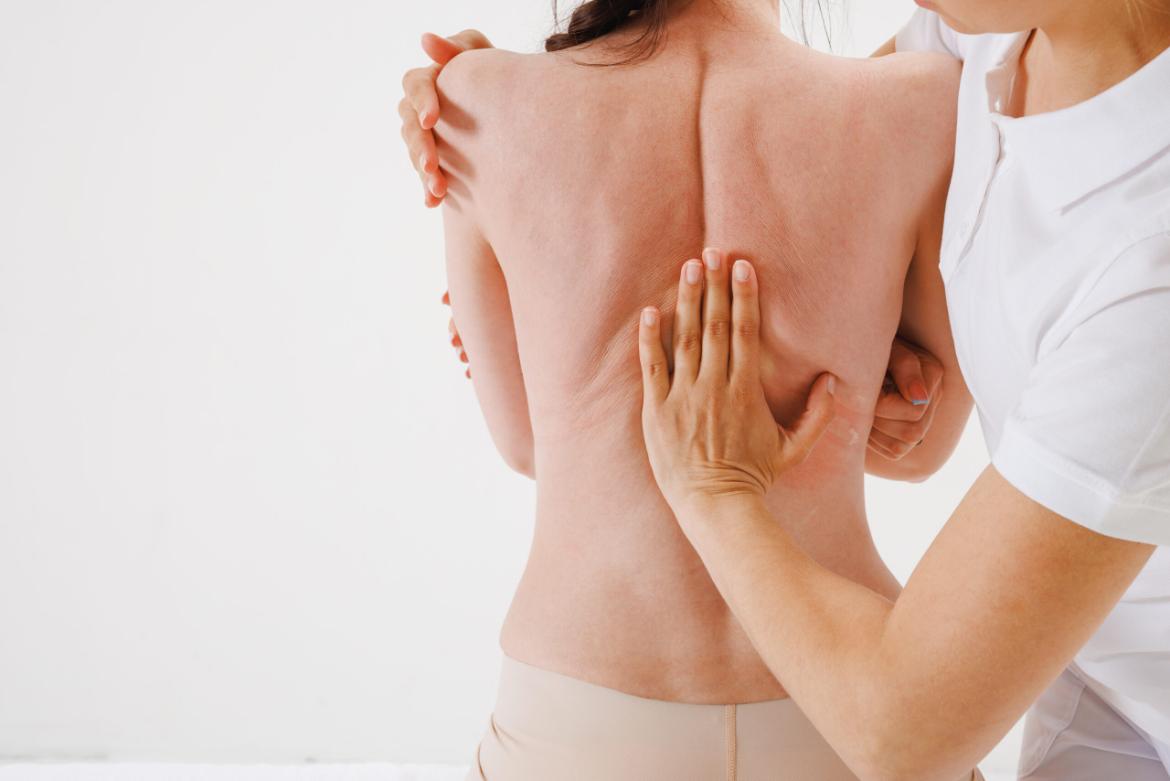
Scoliosis, which we have started to hear more frequently in recent years, is basically known as "curvature of the spine".
Early intervention for scoliosis is crucial. Often diagnosed during adolescence, scoliosis can have a profoundly negative impact on a person's life if left untreated. Scoliosis surgery is a frequently performed procedure. Scoliosis, which occurs when the spine curves to the right or left, significantly impacts the patient's hips, rib cage, and shoulder blades .
Scoliosis surgery is crucial for early intervention. Scoliosis is more common in girls, and treatment should be initiated after a thorough examination of its causes and symptoms.
What is Scoliosis?
Symptoms that necessitate scoliosis surgery arise from scoliosis. Our spine, which carries all the weight of the human body, acts as a strong bridge. The spine, which extends from the legs to the head, is composed of bones called vertebrae. These bones are held together by joints, discs, and ligaments.
A healthy and strong spinal structure has a profoundly positive impact on our mobility and quality of life. Before delving into the details of scoliosis surgery, it's important to briefly explain why it 's so important. Our spine should be straight when viewed from front to back or back to front. Scoliosis is a curvature of the spine in the front-to-back view. Adolescent idiopathic scoliosis, also known as adolescent scoliosis, is the most common type of scoliosis. Scoliosis surgery is known to be a particularly important treatment option in such cases.
Scoliosis Surgery Processes
For successful scoliosis treatment, early diagnosis is crucial. Surgery is considered an important option in scoliosis treatment, but scoliosis surgery can be considered an option when necessary. If, despite exercise and the use of a brace, no improvement is observed over a period of time, scoliosis surgery may be performed , depending on the degree of the curve .
Scoliosis surgery is generally performed at 40-50 degrees, when the condition becomes a significant threat to a person's future quality of life. If, despite exercise and the use of a brace, no improvement is observed after a period of monitoring, scoliosis surgery is performed. Scoliosis surgery is not only a matter of the angle of the curve but also of the patient's mood, age, and other specific health issues .
There are two different approaches to scoliosis surgery . We can distinguish between posterior and anterior approaches, depending on the situation. The primary goal of surgical procedures is to halt the progression of the curve and achieve the best possible cosmetic appearance. Protecting the spinal cord is crucial during scoliosis surgery .
Scoliosis Surgery Details
Communication between the patient and physician should be extended over a considerable period of time. During scoliosis surgery , the patient's entire process is evaluated to ensure the best possible evaluation. After scoliosis surgery, the spine's ability to flex decreases. With anterior approaches, surgery is usually performed in the armpit area, followed by a chest lift. With anterior approaches, the use of a brace is mandatory throughout the procedure.
There is no specific age range for scoliosis surgery . The decision regarding scoliosis surgery rests entirely with the specialist. The decision is made based on the necessary tests and a detailed review of the patient's history. Scoliosis surgery typically takes between 4 and 7 hours, depending on the patient's condition.
After Scoliosis Surgery
The patient is usually kept in intensive care for the first night after scoliosis surgery . From the first day after surgery, the patient is seated at the edge of the bed and leg exercises are performed to help promote a healthy start to the process. The day after scoliosis surgery, the patient is mobilized and begins walking. Depending on the severity of symptoms and the extent of the surgery, the patient is monitored in the hospital for 4-5 days or a week. After scoliosis surgery, the patient is discharged and placed on an exercise program.
After scoliosis surgery, the doctor calls the patient for periodic check-ups at certain intervals.
Frequently Asked Questions
Is There a Risk of Death in Scoliosis Surgery?
The risk of death in scoliosis surgery is negligible. Even minor complications during surgery can pose a serious risk.
Does Vitamin D Deficiency Cause Scoliosis?
Individuals with scoliosis are observed to have low levels of vitamins such as vitamin D; however, vitamins or minerals alone do not cause scoliosis.
Can Scoliosis Be Corrected With Exercise?
Scoliosis treatment always involves an exercise program. The need for, or intensity of, exercise depends entirely on the degree of disease progression. Exercise therapy offers support in stopping or slowing progression. Exercise alone does not stop the progression of scoliosis.
What Should Scoliosis Patients Avoid?
Due to the curvature of the spine, patients with scoliosis should avoid strenuous activities or exercise. It's important to develop exercise programs under the supervision of a doctor. Weightlifting, gymnastics, and wrestling are not recommended. While swimming has not been shown to have beneficial effects, recent studies have reported that it may have negative effects.
Does Scoliosis Progress Over Time?
Scoliosis tends to increase with growth. Surgery is generally not necessary in childhood because it doesn't threaten quality of life, but the curve can worsen over time. Curves beyond a certain degree continue to progress into adulthood.
When Should Scoliosis Be Surgery?
Scoliosis surgery can be performed at any age. Surgery is generally recommended for curves greater than 40 degrees, but surgery can also be performed in patients with rapid progression, regardless of the degree of the curve.
Does Scoliosis Progress After Age 18?
As we age, the degree of curvature may increase as the load on the spine increases. This process should be closely monitored by a physician.
How Should Scoliosis Patients Eat?
Scoliosis is generally unrelated to nutrition. In any case, a balanced diet and regular exercise are essential for a healthy lifestyle. There are no nutritional recommendations for preventing or treating the progression of scoliosis in individuals who follow a healthy diet.
Recent publications have reported low vitamin D levels in patients with scoliosis. However, whether this is a cause or effect is unknown. Nutrition and vitamin D supplementation are crucial before and after surgery in children with early-onset and neuromuscular scoliosis. As with any postoperative period, regular water consumption is also an important factor in the patient's recovery.
How Should Scoliosis Patients Sleep?
Choosing the wrong bed is known to be a significant problem for scoliosis patients. Sleeping on the right bed can improve your quality of life. Sometimes, scoliosis can cause pain and stiffness. In these cases, the choice of collar becomes crucial.
If the bed maintains ideal posture, the joints that form the spine will not be overstressed, and pain can be reduced. Less pressure on the body's prominences will also reduce pain. Bed comfort varies from person to person, but generally, relieving pressure points and supporting spinal alignment will be beneficial. Patients can maintain a healthier lifestyle with a regular diet and a healthy sleep pattern after scoliosis surgery.
