


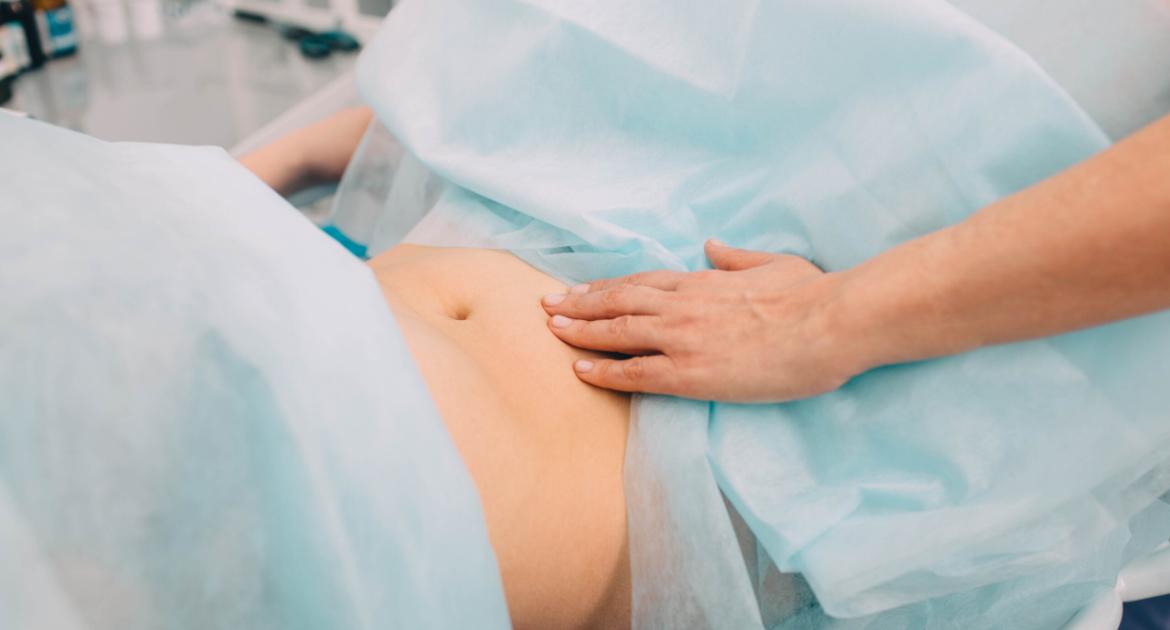
Inguinal Hernia
What is an inguinal hernia? It's one of the most common abdominal wall hernias. It's three times more common in men than in women. It's a condition where the abdominal tissue protrudes abnormally through a tear, creating a bulge on the surface.
Initially, it may occur due to abdominal strain during activities such as standing, straining, sneezing, or coughing. It may not be noticeable while lying down, but if left untreated, the hernia will enlarge over time. It does not heal on its own with diet and exercise. It affects one in ten men in the general population. There are three types.
Direct inguinal hernia occurs when a hernia protrudes directly from the abdominal wall and occurs on both sides in 40% of cases. It occurs as a result of muscle weakening and occurs with age.
Indirect inguinal hernias, the most common type, arise directly from the inguinal canal. They are 10 times more common in men than in women. Known as strangulated hernias, these hernias can be very large and are usually unilateral.
Femoral hernia occurs as a result of conditions such as pregnancy and strain and is the most common type of hernia in women.
What is an Inguinal Hernia? What are its symptoms?
It can be noticed during routine checkups, but sometimes it can present as a swelling and pain in the abdomen, even though there's no other pain present. A person usually feels a loosening in the groin area, followed by pain. These soft, inward-facing lumps appear when the abdomen is strained, meaning increased intra-abdominal pressure, but disappear when the person lies down or lies down. Pressure and pain can be felt during heavy lifting, and a burning or stinging sensation may be felt over the lump.
What Causes an Inguinal Hernia?
Hereditary factors, aging, excessive weight loss, weakened connective tissue, heavy lifting, excessive weight gain, constipation, straining, chronic cough, difficulty urinating, pregnancy, and abdominal tumors can all cause inguinal hernias. Other factors include chronic lung diseases, smoking, premature birth, chronic constipation, previous hernia surgery, genetic factors, chronic constipation, and excessive exercise.
What are the risks of an inguinal hernia?
During the formation of an inguinal hernia, dangerous conditions such as compression and protrusion of the organs that form the hernia can occur. This risk often arises from strangulation of the hernia. Initially soft and protruding, the hernia becomes painful and tense, persisting even after repair. The trapped organ can lead to gangrene or inflammation.
Where Does Inguinal Hernia Pain Appear?
A hernia, felt in the lumbar and groin areas, can also be felt in the testicles in men. It can cause severe pain and may be painful to the touch.
How is an Inguinal Hernia Treated?
Unfortunately, there's no medical treatment for an inguinal hernia; the only treatment is surgery. However, in very rare cases, especially for elderly patients who are physiologically unable to undergo surgery, a device called an inguinal ligament can be used. The inguinal ligament restricts leg movement and prevents the protrusion by applying pressure to the abdomen.
Because an inguinal hernia won't shrink or disappear if left to run its natural course, it must be brought under immediate control to prevent it from progressing and damaging other organs. There's no treatment available with medication or physical therapy, so surgery is necessary. One of the key differences between an inguinal hernia and other medical conditions is that it's treated surgically, whether it's in its early stages or advanced.
How is Inguinal Hernia Surgery Performed?
A hernia in the abdominal wall tends to grow, not shrink, so treatment is essential for hernias as soon as possible. While local anesthesia is sometimes used for small hernias , the vast majority of procedures are performed under general anesthesia. There are two surgical methods: open and closed.
When using the open method, a 5-6 cm incision is made above the groin. In closed surgery, three small incisions are made above the groin, one of which is used to insert a camera. After both procedures, the organs are placed inside the abdomen and covered with a patch called a mesh. The body immediately accepts the mesh, and no problems arise.
While the procedure is the same in both surgeries, closed surgery is more comfortable and less painful. Patients can eat within a few hours and be up and about after eight hours. They are usually discharged the next day, there is no diet program, and patients can return to their normal routine as soon as they feel better. At home, they should avoid heavy lifting and take a break from exercise for 1.5-2 months. Weight should be controlled by eating a regular and balanced diet.
What is an Inguinal Hernia? What is the Pre-Surgery Process?
Following the preoperative physical examination, the doctor will outline a surgical plan and schedule an appointment. As with any surgery, if the patient is taking blood-thinning medications such as aspirin, they should be discontinued one week prior. These medications should be replaced with injections.
The patient arriving at the hospital on the morning of surgery should not have eaten or drunk anything, not even water. However, there's no harm in taking any diabetes or blood pressure medications you should take every morning with a little water. However, it's important to inform the doctor. As with any post-operative period, smoking should be avoided before and after surgery.
Why Do Hernias Reoccur?
The most common reason for recurrence is their shape. Recurrence rates for non-mesh and tension repairs range from 30 to 40%. While early recurrences are generally due to technical errors, early recurrences can also occur due to factors such as incorrect exercise performed by the patient.
Pay Attention to the Symptoms of Inguinal Hernia
Initially, a person may not realize they have a hernia. A doctor may detect it during an examination. For those experiencing hernia symptoms, some of the most significant symptoms include swelling, pain, and aching in the abdomen and, in men, in the testicles. The pain can manifest as cramping after meals and can cause constipation. Nausea, vomiting, and the inability to defecate can also occur.
Frequently Asked Questions
1 - What should I do to avoid getting an inguinal hernia?
In general, if you experience swelling or pain in the groin area, you should take note and consult a physician. You should avoid strenuous exercise and heavy lifting. Another important point to pay particular attention to is sneezing and coughing. Avoid inward sneezing; coughing and sneezing should be done as comfortably as possible.
2 - I Have an Inguinal Hernia, What Should I Do?
Be sure to consult a specialist and avoid any exercises that you do on your own.
3-Does an Inguinal Hernia Prevent Me from Doing Sports?
You only need to take a break from sports for a while after the surgery; other than that, it is not a condition that will prevent you from doing sports.
4-What kind of problems can an inguinal hernia cause in the future?
It is completed with advanced surgery. It is a comfortable surgery.
5-What are the risks of inguinal hernia?
It's possible for the hernia to protrude and put pressure on organs. Therefore, it should be brought under control immediately, as these events can have unpleasant consequences.
6- How Long After Inguinal Hernia Surgery Can I Return to Work?
Avoid lifting heavy objects in the early postoperative period. Caution is essential during this period, and activities should be controlled. If you experience severe pain or discharge at the surgical site, you should consult a doctor immediately. It's best to refrain from work for the first week to allow the surgical dressing to adhere properly, but this depends on the doctor and patient's judgment. However, some people feel fine returning to work three days after surgery, so the outcome depends entirely on the healing process.
