


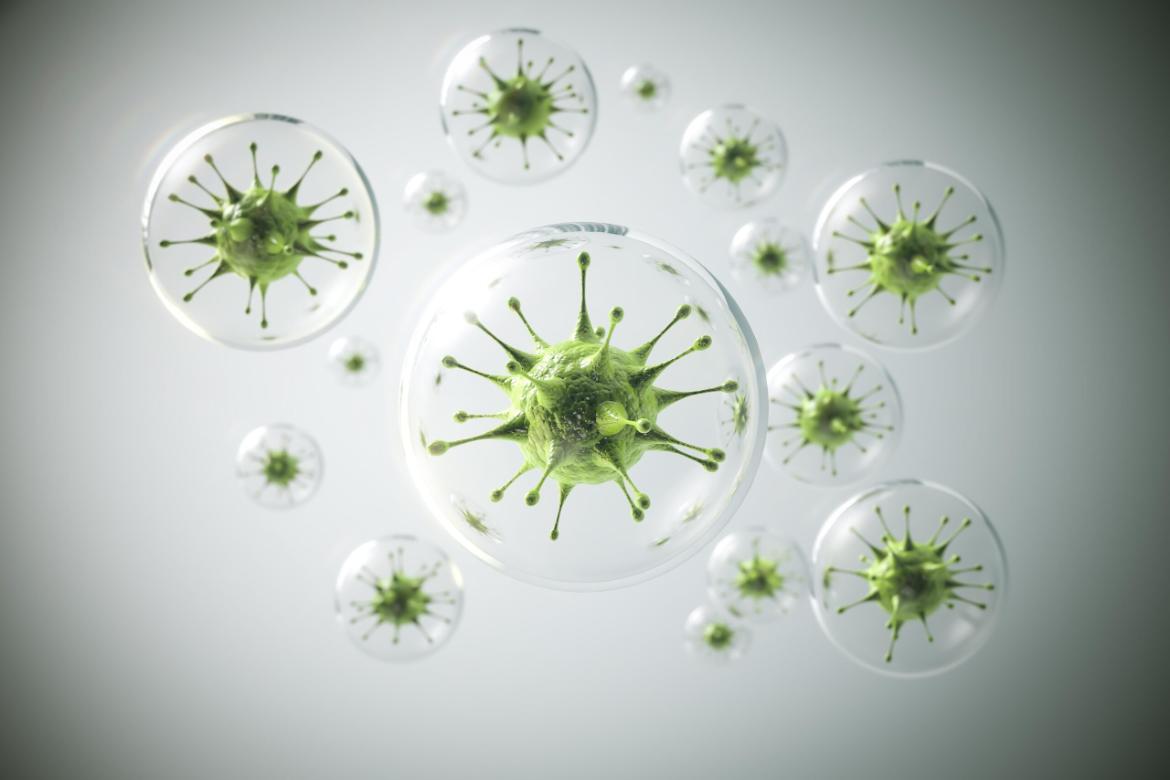
Salmonella Disease
Salmonella infection (Salmonellosis) is a fairly common bacterial disease affecting the intestinal tract. Salmonella bacteria are commonly found in the intestines of animals and humans and are excreted in feces. These bacteria can be transmitted to humans, particularly through contaminated water or food.
Salmonella infection typically presents with symptoms such as fever, vomiting, and diarrhea. These symptoms typically appear within 12 to 36 hours of illness onset and typically last 2 to 7 days.
Salmonella bacteria are the cause of many illnesses, including gastroenteritis (inflammation of the intestines) and typhoid fever. These infections can present in various ways, and symptoms can vary depending on the type of illness. For example, mild cases may only involve mild diarrhea and abdominal pain, while more severe cases may present with symptoms such as high fever, severe diarrhea, vomiting, and dehydration.
Salmonella infection usually resolves spontaneously with mild symptoms, but in severe cases or in at-risk individuals (the elderly, those with weakened immune systems, etc.), it can lead to more serious complications. Treatment generally involves managing symptoms, maintaining fluid intake, and using antibiotics when necessary. It is important to remain under medical supervision for treatment and symptom control.
Symptoms of Salmonella infection
Salmonella symptoms are often similar to those of other gastrointestinal infections. These symptoms include:
- Fire
- Diarrhea (diarrhea)
- Loss of appetite
- Headache
- Abdominal pain or cramps
- Shake
- Nausea
- Vomiting
- Blood or mucus in the stool
The symptoms of Salmonella infection are often similar to those of other intestinal infections or gastroenteritis. Therefore, a proper diagnosis of Salmonella must be made by a healthcare professional, taking into account the symptoms and severity of the infection. Professional medical attention is essential for treatment and symptom management.
What are the types of Salmonella?
Salmonella bacteria can have various serotypes, but strains pathogenic in humans are generally classified as the species Salmonella enterica and can include over 2600 different serotypes. Salmonella can cause a variety of illnesses in humans, including acute gastroenteritis, typhoid-paratyphoid, septicemia, and local organ infections.
The most common form of Salmonella infection is gastroenteritis, which is self-limiting and generally uncomplicated. This condition typically manifests with symptoms such as diarrhea, abdominal pain, and fever. However, there are also Salmonella species that can cause high fever and serious complications, such as typhoid fever (enteric fever). Typhoid fever is a clinical condition caused by the bacterium Salmonella typhi. Such infections can be life-threatening and can spread to various organs throughout the body.
Cases commonly referred to as "food poisoning" are actually caused by Salmonella infections. These infections, which occur primarily as a result of consuming contaminated food, can cause symptoms and lead to serious health problems. Salmonella infections are usually treated with antibiotics, but in some cases, serious complications can occur, so early diagnosis and treatment are crucial.
How is Salmonella bacteria transmitted?
Salmonella bacteria are typically transmitted to humans through contaminated water or food. Salmonella infections can often occur through the consumption of foods such as raw or undercooked meat, poultry, eggs or egg products, unpasteurized milk or dairy products, or through poor hygiene practices during the preparation of these foods. Contaminated water sources can also play a role in the spread of Salmonella infections.
Salmonella is transmitted by the fecal-oral route. This means it can be transmitted through contact with food or water sources contaminated with the feces of carriers or infected individuals. This is particularly common in restaurants with poor hygiene, consumption of undercooked meat or eggs, and use of contaminated water sources.
Salmonella infections typically present with gastrointestinal symptoms, including fever, diarrhea, abdominal pain, nausea, and vomiting. The hair, fur, or feces of contaminated animals can also be a source of infection. Therefore, it is important to maintain proper hygiene during contact with animals and food preparation.
Salmonella infection can lead to more serious complications, especially in adults with weakened immune systems, those with inflammatory bowel disease, those immunosuppressed by medications, or those over age 65 and children under age 5. It is important for these at-risk individuals to be vigilant and take precautions to prevent infection.
In what situations is salmonellosis high risk?
Salmonellosis can be particularly high-risk in some cases and can lead to serious complications. Typhoid fever (enteric fever), caused by the Salmonella Typhi species, is known as a more serious form of Salmonella infection. Untreated typhoid fever, an enteric fever, is associated with a longer illness and can lead to serious complications.
Typhoid fever is a condition that typically lasts longer than three weeks and is often accompanied by gastrointestinal symptoms (such as abdominal pain, fever, constipation, or, rarely, diarrhea). Salmonella Typhi can infect the circulatory system and bile ducts, causing changes in consciousness, an enlarged spleen, and fever.
Untreated typhoid fever can lead to serious complications, and in this case, treatment involves various methods. Patients exhibiting symptoms of typhoid fever often require specialized treatment.
In certain circumstances, symptoms of Salmonella infection may be more severe and require more careful treatment management, particularly in children under 5, the elderly, those with weakened immune systems, and those taking medications that reduce stomach acid. These groups are at greater risk for complications from the infection and should therefore seek medical attention if symptoms appear.
How is Salmonella disease diagnosed?
Diagnosis of Salmonella infection is usually made through laboratory testing. These tests are usually performed on stool samples or, sometimes, urine or blood samples. The main diagnostic tests used are:
- Stool culture: This test involves examining a stool sample on a special medium. These culture tests can detect the presence of Salmonella bacteria. After the sample is collected, it is examined in the laboratory to determine the presence or absence of the bacteria.
- Serological tests: These tests, performed by taking a blood sample, examine the presence of antibodies produced by the body against Salmonella bacteria. These tests are generally used in the acute stages of the disease.
- Molecular tests: Molecular techniques such as PCR (Polymerase Chain Reaction) can be used to detect Salmonella DNA. These tests can quickly and sensitively identify bacterial DNA from a sample.
Diagnosis is made by a doctor based on symptoms, a person's medical history, and laboratory test results. If laboratory tests confirm Salmonella infection, the appropriate treatment approach will be determined. Therefore, it is important to consult a healthcare professional when symptoms of infection are noticed or suspected.
How is Salmonella disease treated?
Salmonella infection is generally managed with symptomatic treatment and, in most cases, requires no specific treatment. Here's a general summary of treatment options for Salmonella infection:
- Fluid and electrolyte replacement: Fluid replacement is crucial to prevent or treat dehydration. Fluid and electrolyte losses from diarrhea and vomiting may need to be replaced. Oral hydration solutions or fluid supplements may be recommended to prevent water, salt, and mineral loss.
- Rest: Symptoms of salmonella illness usually go away on their own, but rest is important for recovery. The body needs rest to fight off the illness.
- Medication: In severe cases or in people with weakened immune systems, doctors may prescribe antibiotics. However, routine use of antibiotics is not recommended because of side effects and the risk of developing resistance.
- Nutritional regimen: To prevent nutritional loss due to diarrhea and to support the body, light and easily digestible foods should be preferred.
- Medications: Antidiarrheal medications may be used to control diarrhea or pain relievers may be used to relieve symptoms. However, a doctor should be consulted before using these medications.
Before using any treatment method, it's important to speak with a healthcare professional and follow the recommended treatment plan. This can help improve symptoms and help your body deal with the infection.
What can be done to prevent Salmonella disease?
- Hygienic food preparation and storage: Properly preparing and storing food reduces the risk of infection. It's important to thoroughly cook raw meat, poultry, fish, and eggs, and to thoroughly wash raw vegetables and fruits. Avoid preparing food on unclean surfaces, and store cooked and raw foods in separate dishes.
- Hygienic handwashing: Always wash your hands before and after preparing food, after using the toilet, and after contact with animals. Handwashing prevents the spread of germs.
- Consume pasteurized products: Avoid consuming unpasteurized milk or dairy products and risky foods like raw eggs. Pasteurization and thorough cooking kill bacteria like Salmonella.
- Caution when contacting animals: It is important to wash hands after contact with animals, especially when contact with pets, farm animals and wild animals.
- Careful water consumption: Make sure that drinking water is clean and pay attention to water sources, especially when traveling.
- Temperature control: Keep your food in the refrigerator, as it can spoil in hot weather, especially in summer.
- Special precautions for at-risk individuals: Individuals with weakened immune systems or those at high risk should be especially careful about food preparation and consumption.
These precautions can help prevent the spread of Salmonella and other foodborne infections and reduce the risk of infection.
