


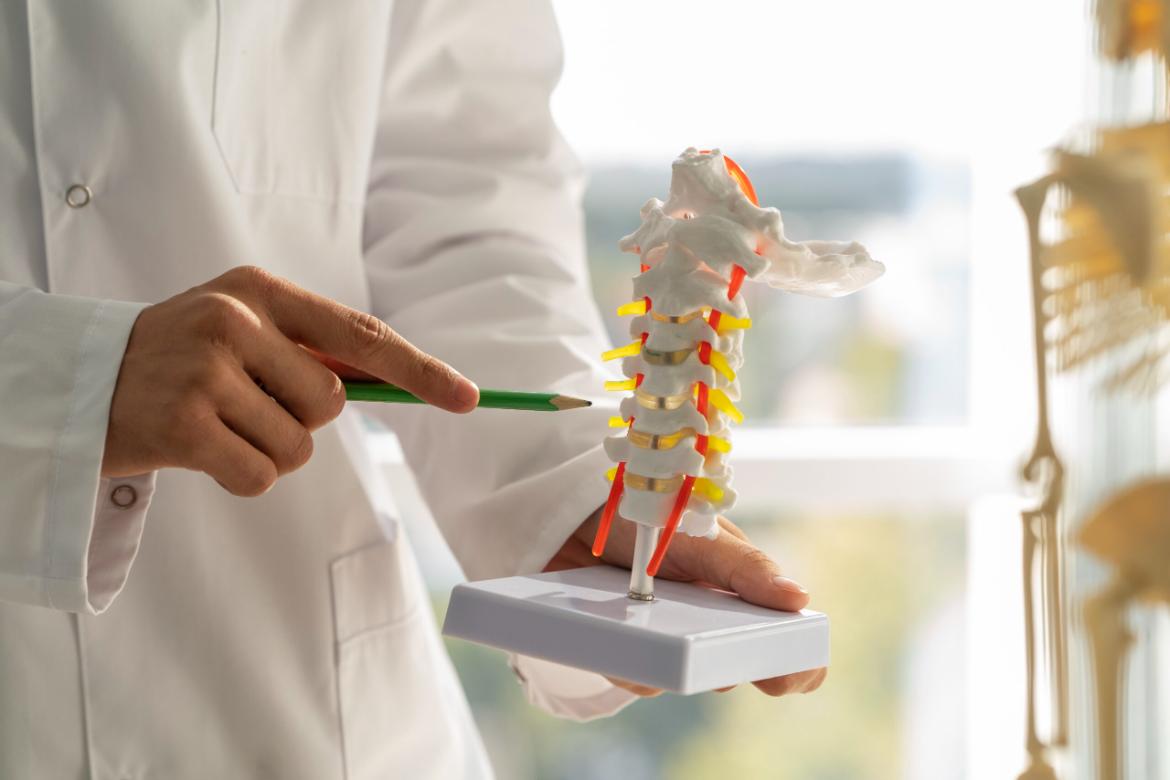
Canal Stenosis
A narrowing of the duct is medically known as stenosis. This condition refers to the abnormal narrowing or narrowing of a duct or cavity. Stenosis can occur in many different parts of the body and can be caused by many different factors.
Stenosis occurs when a duct or tube becomes significantly narrower than its normal size and width. Stenosis can occur in many different areas, such as narrowing of the arteries, intestines, spinal canal, or urethra.
Symptoms of Canal Stenosis
The symptoms of stenosis can vary depending on the location of the narrowing and the structure it affects. For example, neck (cervical) stenosis and lower back (lumbar) stenosis may present with different symptoms:
In the neck (cervical stenosis):
- Weakness, numbness and tingling sensation in hands, arms, feet or legs.
- Loss of balance or lack of coordination.
- Difficulty walking or leg dyssynchrony.
- Changes in bowel and bladder function; urinary retention or incontinence.
In the Lower Back (lumbar stenosis):
- Lower back pain.
- Pain and cramps in the legs after standing for long periods of time.
- Numbness, weakness, or a tingling sensation in a leg or foot.
Many patients experience severe back and nerve pain. This pain can worsen with activity and ease with rest. These symptoms are typical of stenosis. Each patient may experience different symptoms, and these symptoms can vary from person to person. Treatment is determined by considering the severity of symptoms, the location of the stenosis, and the most appropriate treatment plan for the patient. Therefore, it is important to have a thorough evaluation of symptoms and a diagnosis made by a healthcare professional.
Causes of Canal Stenosis
Stenosis can have several causes, but one of the most common is the aging process. Aging reduces the body's ability to regenerate cells and causes tissues to degenerate. These changes can lead to narrowing of the spinal canal. Other conditions that can cause spinal stenosis include:
- A congenitally narrow spinal structure.
- Tumors (benign or malignant) that form in the bones of the spine.
- Spinal anomalies occurring at birth.
- Achondroplasia (a condition associated with dwarfism).
- Disc herniation (hernia).
- Abnormalities of the spine such as kyphosis or scoliosis.
- Piaget's disease is a condition that causes the body to break down and remodel bone abnormally.
These conditions can contribute to narrowing of the spinal canal and cause a person to experience certain symptoms. However, the symptoms of stenosis can vary from person to person, and a thorough evaluation by a qualified healthcare professional is often necessary to determine the underlying cause of the stenosis.
What are the Types of Canal Stenosis?
There are two main types of stenosis: cervical stenosis and lumbar stenosis. Cervical stenosis refers to the narrowing of the spinal canal in the neck, while lumbar stenosis refers to the narrowing of the spinal canal in the lumbar region. The most common areas for lumbar stenosis are L4-L5 and L5-S1, located below the body's center of gravity.
Spinal stenosis is usually a slowly progressive condition, and the initial symptoms are often unnoticed by the patient. However, symptoms worsen over time, necessitating medical consultation. The presence of stenosis may become more apparent after trauma.
The term stenosis also describes pyloric stenosis, which can be associated with gastrointestinal diseases. Pyloric stenosis occurs when the pylorus muscle at the stomach outlet becomes excessively thickened and narrowed. This condition can often lead to vomiting and digestive problems in infancy. It is a condition related to the digestive system, not the spine or nervous system.
How is Canal Stenosis Diagnosed?
Diagnosis of stenosis begins with an evaluation of the patient's history and symptoms. A detailed evaluation is performed along with a physical examination. Imaging tests are then used to support the diagnosis. These tests may include:
- X-ray, magnetic resonance imaging (MRI), or computed tomography (CT) scans to provide detailed images of the spine.
- Electromyogram (EMG) to assess spinal nerve function.
- Bone scan tests to identify possible growths, tumors, or damage to the spine.
These tests are used to confirm the presence of stenosis and provide more details about spinal narrowing. They provide important information during the diagnostic process and aid in appropriate treatment planning. However, the results of all these tests must be evaluated together to establish a definitive diagnosis and determine treatment options.
Spinal Stenosis Treatment
Treatment for spinal stenosis varies depending on the location and severity of the stenosis. Treatment typically includes physical therapy, surgery, and medication. The choice of treatment option depends on the patient's condition, symptoms, and the severity of the stenosis.
For mild symptoms, physical therapy and follow-up may be important. In this case, doctors can develop treatment plans that include exercise programs and physical therapy tailored to the patient's condition. Certain painkillers may also be prescribed to alleviate pain.
In cases where stenosis affects nerve roots, steroid injections may be used to reduce swelling and inflammation in a specific area. These injections can alleviate symptoms by reducing pain and inflammation. However, this treatment should be administered under the guidance of a physician and used in appropriate doses.
A decompression procedure can be used as a treatment option for spinal stenosis. This procedure aims to remove a portion of the thickened connective tissue to create more space for the nerve roots. However, careful evaluation and appropriate candidate selection are necessary for this procedure.
Surgery may be considered depending on the severity of the stenosis and symptoms. Surgery is generally preferred for patients who have not responded to other treatments or who have severe symptoms.
In each case, the treatment plan and procedures will depend on the patient's specific condition, symptoms, and type of stenosis. Therefore, it is important to have a thorough evaluation with a qualified physician regarding treatment options.
What are the Risk Factors for Canal Stenosis?
Spinal stenosis, or spinal stenosis, is a narrowing of the spinal canal. This can cause compression and pressure on the spinal cord or nerve roots. Many factors can contribute to the development of stenosis. Some common risk factors include:
- Aging: Stenosis often occurs with age. The bones and ligaments of the spine can change over time, causing narrowing and compression.
- Spinal deformities: Congenital or acquired deformities in the spinal structure can increase the risk of stenosis. Scoliosis, kyphosis, and other types of spinal curvatures are examples of these risk factors.
- Osteoarthritis: Calcification (osteoarthritis) or degenerative changes in the spine can lead to deformation of the bones and joints, causing stenosis.
- Spinal trauma: A previous spinal injury or trauma may contribute to structural changes in the spine and the risk of stenosis.
- Bone tumors: Malignant or benign bone tumors can cause narrowing and pressure on the spinal canal, leading to the development of stenosis.
- Muscle and connective tissue weakness: Weakness in the muscles can affect the stability of the spine, increasing the risk of stenosis.
- Genetic predisposition: Individuals with a family history of spinal problems may have an increased risk of developing stenosis.
- Poor posture and inactivity: Consistently incorrect posture or an irregular lifestyle can put pressure on the spine, increasing the risk of stenosis.
The development of stenosis is a complex process, often involving a combination of factors. Risk factors can vary among individuals, and the likelihood of developing stenosis can vary depending on the individual's circumstances. Therefore, it's important to consult a specialist if you have concerns about the development of stenosis or its symptoms.
How Does Stenosis Affect Quality of Life?
Spinal stenosis can affect nerve function by causing compression of the spinal cord or nerve roots. This can significantly reduce quality of life. The effects of stenosis can vary from person to person, but generally affect quality of life in the following ways:
- Pain: Because stenosis causes compression, back, neck, or extremity pain can be common. This pain can worsen over time and can limit daily activities.
- Walking and movement restrictions: Stenosis can put pressure on the spinal cord or nerves, causing symptoms such as weakness, numbness, or tingling in the legs. This can affect walking ability and overall mobility.
- Nervous symptoms: Because stenosis causes compression of nerve roots, it can lead to neurological symptoms such as numbness, tingling, muscle weakness, or loss of control in the legs or arms.
- Functional limitations: Symptoms of stenosis can make it difficult for a person to perform daily activities. There may be restrictions on activities such as walking, exercising, and standing for long periods.
- Psychological effects: Chronic pain and decreased quality of life can lead to psychological problems such as stress, anxiety or depression.
These effects can vary depending on a person's age, the severity of the stenosis, response to treatment, and overall health. Quality of life can often be improved with treatment and appropriate management strategies.
Is it possible to prevent stenosis?
Although spinal stenosis is difficult to prevent completely, certain steps and healthy lifestyle choices can reduce the risk of developing this condition:
- Maintaining a healthy lifestyle: Regular exercise, maintaining ideal weight, not smoking and a balanced diet are important for maintaining spinal health.
- Correct posture and movement: It is important to maintain correct posture, avoid excessive strain, and avoid activities that may negatively affect the spine, such as lifting heavy loads.
- Protective exercises: Performing exercises that support and strengthen spinal health can strengthen spinal muscles and thus protect against stenosis.
- Ergonomic workspaces: Making ergonomic adjustments and using correct sitting positions in jobs that require long-term desk work can help protect spinal health.
- Keeping muscles flexible: Regular stretching and stretching exercises can keep spinal muscles flexible and protect against stenosis.
- Regular checkups: If you have complaints about your spine health or risk factors, seeing your doctor regularly emphasizes the importance of early diagnosis and intervention.
However, certain factors, such as aging, can increase the risk of stenosis, and some conditions are genetically determined, so complete prevention may not be possible. However, you can reduce the risk or mitigate its effects with healthy lifestyle choices and preventative measures.
