


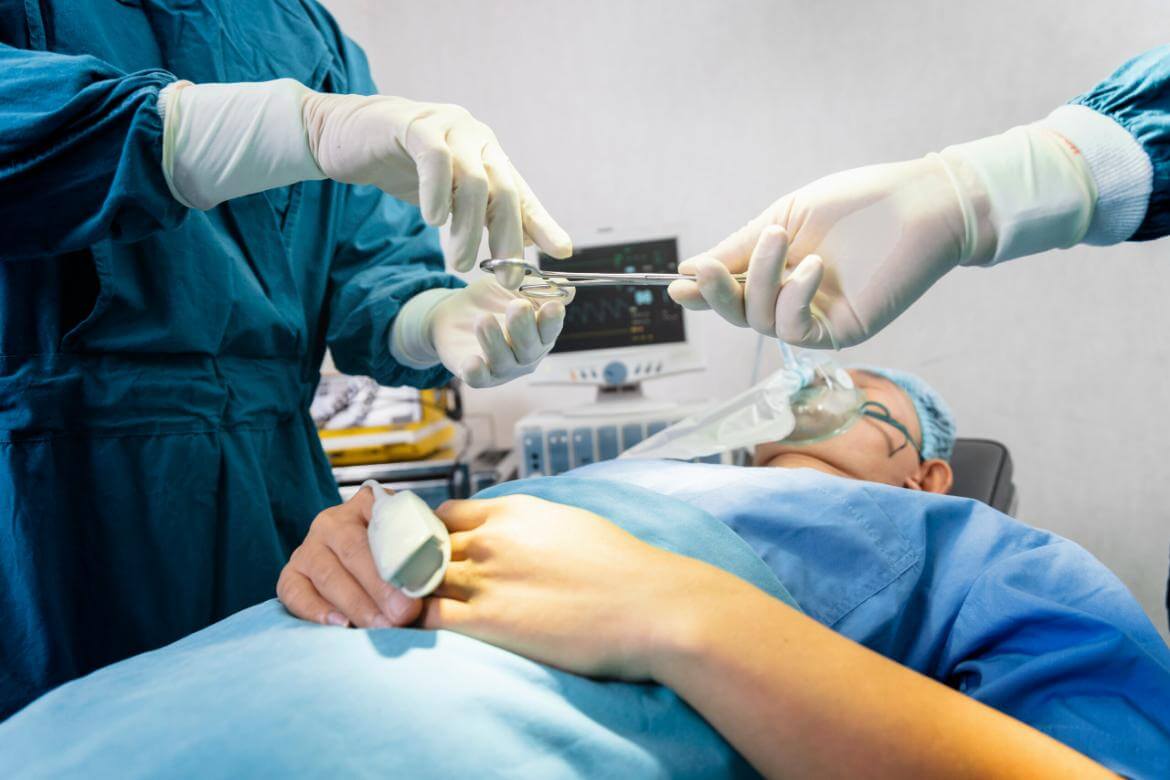
Prostate Biopsy
A prostate biopsy is a diagnostic procedure performed to evaluate the presence of abnormal cells in the prostate gland. This procedure is particularly useful in cases of suspected prostate cancer and may be performed following elevated PSA ( Prostate- Specific Antigen) levels or suspicious findings on a rectal examination. A biopsy is performed by taking a sample of prostate tissue and sending it for pathological examination.
Why Is a Prostate Biopsy Needed?
A prostate biopsy is often recommended in the following situations:
- High PSA Levels: High levels of prostate-specific antigen in the blood may increase the risk of prostate cancer.
- Abnormal Rectal Exam Results: Irregularities or hardness felt on palpation of the prostate.
- Advanced Imaging Findings: The appearance of suspicious areas in the prostate using methods such as magnetic resonance imaging (MRI).
Pre- Biopsy Preparation
There are some points that patients should pay attention to before the biopsy:
- Antibiotic Use: Antibiotics are prescribed before and after the biopsy to prevent the risk of infection.
- Blood-thinning medications: If the patient is taking blood-thinning medications, the doctor may temporarily stop them.
- Colon Cleansing: Because prostate biopsies are usually performed through the rectum, it's important to have a clean bowel. A laxative or enema may be recommended for this purpose.
How is a Prostate Biopsy Performed?
A prostate biopsy can generally be performed using three different methods:
- Transrectal Ultrasound -Guided Biopsy (TRUS): This is the most commonly used method. An ultrasound probe inserted into the rectum allows imaging of the prostate and sampling of suspicious areas.
- Transperineal Biopsy: A sample of prostate tissue is taken by inserting a needle through the perineum (the area of skin under the testicles).
- MRI-Guided Targeted Biopsy: Magnetic resonance imaging guidance is used to precisely target suspicious areas.
The biopsy is usually performed under local anesthesia and the procedure takes approximately 20-30 minutes.
Post-Prostate Biopsy Process
Temporary Symptoms: Light bleeding (in urine, stool, or semen) and mild discomfort are common after the biopsy. These symptoms usually subside within a few days.
Risk of Infection: In rare cases, infection may develop. If you experience fever, chills, or severe pain, seek medical attention immediately .
Pathology Report: Tissue samples are examined under a microscope, and a report is usually prepared within a few days. This report includes information such as the Gleason Score, which determines the aggressiveness of the cancer.
What are the risks of a prostate biopsy?
A prostate biopsy is a medical procedure performed to diagnose prostate cancer or other prostate problems. However, as with any medical procedure, a prostate biopsy carries risks and complications. Here are the potential risks of a prostate biopsy:
- Infection :
- During a prostate biopsy, samples of the prostate are taken with a needle inserted into the rectum or urethra. This procedure can introduce bacteria into the body and cause infections. Infections can range from urinary tract infections to prostate infections (prostatitis).
- The risk of infection can usually be reduced with antibiotic treatment, but serious infections can rarely lead to more serious problems such as sepsis.
- Bleeding :
- The needles used during a biopsy can cause bleeding in the prostate area or surrounding tissues. This bleeding can usually last for several days and may include blood in the urine, stool, or semen.
- In most cases, bleeding stops on its own, but in rare cases, bleeding may need to be stopped.
- Pain or Discomfort :
- A prostate biopsy can be a painful procedure for some patients. Discomfort in the perineum (the area between the scrotum and rectum) or rectum may occur during or after the biopsy.
- Pain can be reduced using anesthesia, but it may not go away completely.
- Sexual Dysfunctions :
- Rarely, sexual dysfunction, particularly erectile dysfunction, can occur after a prostate biopsy. However, this is usually temporary, and long-term effects are rare.
- Bloody Semen (Hematospermia) :
- After a prostate biopsy, blood may be seen in the semen. This can last for several weeks after the biopsy and is usually harmless.
- Prostatitis (Prostate Infection) :
- After the biopsy, an infection of the prostate (prostatitis) may develop. This can usually be treated with antibiotics.
- Perineal Fat Tissue or Rectal Injuries :
- In rare cases, damage to the rectal wall or surrounding tissue may occur during the biopsy procedure, which may require further treatment.
- Psychological Effects :
- A prostate biopsy can be psychologically stressful for some men. Fear of cancer, anxiety about the procedure, or post-procedural physical discomfort can trigger psychological issues such as depression or anxiety.
Alternative Methods and New Technologies
In recent years, less invasive methods for diagnosing prostate cancer have been studied. For example, liquid biopsies (blood or urine tests) and advanced imaging techniques may reduce the need for biopsies or improve targeting accuracy.
A prostate biopsy is an important tool in the early detection of prostate cancer. The procedure is generally safe and effective when performed by an experienced team.
