


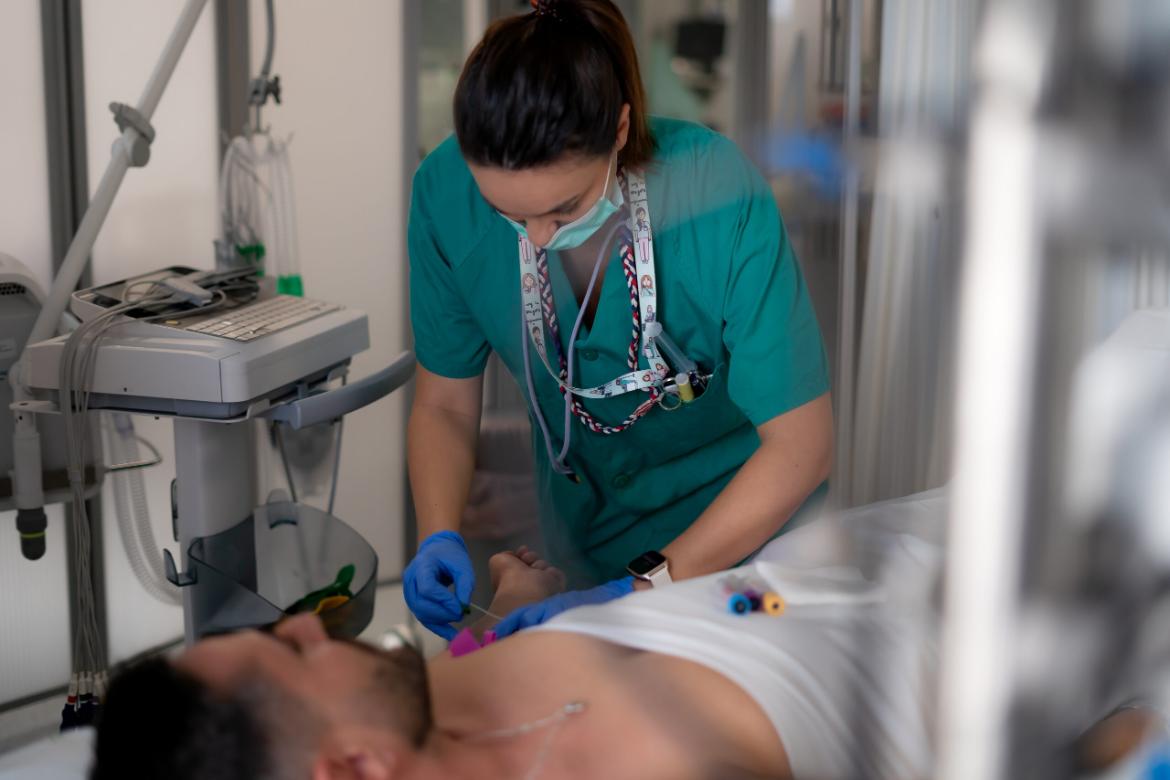
Postoperative
Postoperative is a term used to describe the period following a surgical procedure. It refers to the time required for the patient to recover and return to a normal state of health.
The postoperative period typically includes time spent in the hospital, but in some cases, it may continue at home. This period is important for the body to heal the surgical site, reduce the risk of infection, and allow organs to regain normal function.
In the postoperative period, patients may experience various symptoms and limitations depending on the type of surgery, their general health status, and the complexity of the surgical intervention.
What is postoperative care?
Postoperative care is a set of measures and precautions provided after surgery to support patients' recovery and reduce the risk of complications. This care aims to provide comfort, promote healing, and help patients regain their health.
Postoperative care is usually provided in a hospital setting, but in some cases, it may continue at home or in rehabilitation centers. The general components of postoperative care are as follows:
- Monitoring and Observation: Patients' vital signs (pulse, blood pressure, respiratory rate, and body temperature) are monitored regularly. Additionally, the status of the surgical site, drains, dressings, and catheters are monitored.
- Pain Management: Pain is a common problem after surgery. Medications and ice may be applied to the surgical site to alleviate pain. Managing pain is important to promote patient comfort and promote healing.
- Medication Management: It is important for patients to take medications regularly as prescribed by the surgeon. These medications can be used for pain control, infection prevention, and thromboembolism reduction.
- Recovery and Movement: Patients are encouraged to move around and engage in physical activity appropriately. This improves circulation, supports breathing, and reduces the risk of complications. Proper care of the surgical site (dressing changes, wound cleansing) also promotes healing.
- Nutrition: Nutrition is important for patients after surgery. A healthy, balanced diet helps the body absorb the nutrients necessary for healing. In some cases, patients may be advised to follow a liquid diet or special diet plans.
- Infection Control: Protecting the surgical site from infection is important. Hygiene measures, hand washing, sterilization of the surgical site, and monitoring for signs of infection are implemented.
- Psychological Support: Surgical operations can be stressful and it is important for patients to receive psychological support.
What are the postoperative complications?
Postoperative complications refer to undesirable conditions that may arise after surgery. Every surgical procedure carries a risk of complications, but this risk can vary depending on the type of surgery, the patient's general health, and other factors. Some of the most common postoperative complications include:
- Infection: Infection can develop at the surgical site. Symptoms may include redness, swelling, fever, drainage, or delayed wound healing. Infections are usually controlled with antibiotic treatment.
- Wound Problems: Wound dehiscence, wound infection, separation of wound edges, or delayed wound healing may occur. These problems are generally treated with appropriate wound care and protection of the surgical site.
- Bleeding: Bleeding may occur at the surgical site. Symptoms may include persistent bleeding, swelling, bruising, or abnormal bleeding. Bleeding is stopped and blood loss is controlled.
- Thromboembolism: Thromboembolic events, such as deep vein thrombosis (DVT) or pulmonary embolism, can occur after surgery. These are associated with clot formation and obstruction of blood flow. Appropriate precautions (patient mobility, anticoagulant therapy) are implemented to reduce the risk of thromboembolism.
- Respiratory Problems : Some surgical procedures can lead to respiratory complications. Procedures performed under anesthesia, in particular, can lead to problems such as lung infection, pneumonia, or respiratory failure. Breathing exercises and early mobilization are key to preventing respiratory problems.
- Urinary Problems: Surgery can cause urinary problems such as urinary tract infections, urinary retention (inability to urinate), or incontinence. These conditions are managed with appropriate treatment.
- Digestive Problems: Digestive problems such as nausea, vomiting, intestinal obstruction, or temporary bowel motility problems may occur after surgery. These problems can be controlled with dietary changes and medical treatment.
What is postoperative pain?
Postoperative pain is pain that occurs after surgery. It can be felt in or around the surgical area. Pain can vary depending on the type and complexity of the surgery, the size of the surgical area, and individual factors.
Postoperative pain is a normal response of the body because surgery involves cutting, manipulating, or damaging tissues. Pain occurs due to irritation or inflammation of nerve endings following surgery.
The severity of postoperative pain can vary depending on individual factors and the type of surgery performed. Pain can often be severe or bothersome and can negatively impact a patient's recovery. Pain can cause difficulty with movement, sleeping, eating, and overall quality of life.
Effective management of postoperative pain is important. Pain management aims to provide patient comfort, promote healing, and reduce the risk of postoperative complications.
Where is postoperative pain felt?
- Area cut or manipulated: Pain is felt in the surgical area. For example, abdominal pain may be felt after abdominal surgery. Tissue damage and inflammation in the wound area can cause pain.
- Joint or muscle: Some surgeries involve joints or muscles. In these cases, pain may be felt in the joints or muscles. For example, joint pain can be common after orthopedic surgery.
- Nerve areas: Surgery can sometimes affect nerves. Nerve pain can occur as a result of nerve irritation or injury. This pain can often radiate near or far from the surgical site.
- Chest area: After thoracic surgery, pain may be felt in the chest area. This pain is particularly noticeable due to incisions or manipulations over the breastbone.
- Spine: Pain in the spinal area may occur after back or neck surgery. The surgery can cause irritation or inflammation of the spinal tissue.
Postoperative pain is usually confined to the surgical site, but it can sometimes radiate or be felt as a diffuse pain. Pain is usually most intense in the first few days after surgery and gradually diminishes. Every patient is different, and the sensation of pain can vary from person to person.

How is postoperative pain treated?
Depending on the type of surgery you had and your postoperative health status, various pain treatments may be applied. Postoperative pain treatments are listed below:
- Analgesic Medications: Analgesic medications are used to relieve pain. These include opioids and non-steroidal anti-inflammatory drugs (NSAIDs). Opioids are used for severe pain, while NSAIDs may be preferred for managing less severe pain. The dosage and frequency of medication are adjusted according to the patient's needs and the severity of the pain.
- Local Anesthetics : Local anesthetics can be applied to the surgical site. This relieves pain by blocking the pain in a targeted manner. Local anesthetics can be administered through subcutaneous injections, nerve blocks, or regional anesthesia.
- Cold Application: Ice or cold packs can be applied to the surgical site to reduce pain. Cold application constricts blood vessels in the surgical area, reduces inflammation, and relieves pain.
- Physical Therapy: Physical therapy can help relieve postoperative pain. Physical therapists help manage pain through treatments such as range of motion exercises, stretching techniques, and muscle strengthening exercises. These treatments increase circulation, promote tissue healing, and reduce muscle tension.
- Breathing and Relaxation Techniques: Techniques such as deep breathing, relaxation exercises, meditation, or visualization can help reduce pain. These techniques reduce stress, ease muscle tension, and help manage pain.
- Alternative Treatments: For some patients, alternative treatments such as acupuncture, massage therapy, or chiropractic may help manage postoperative pain.
