


Excessive Sweating
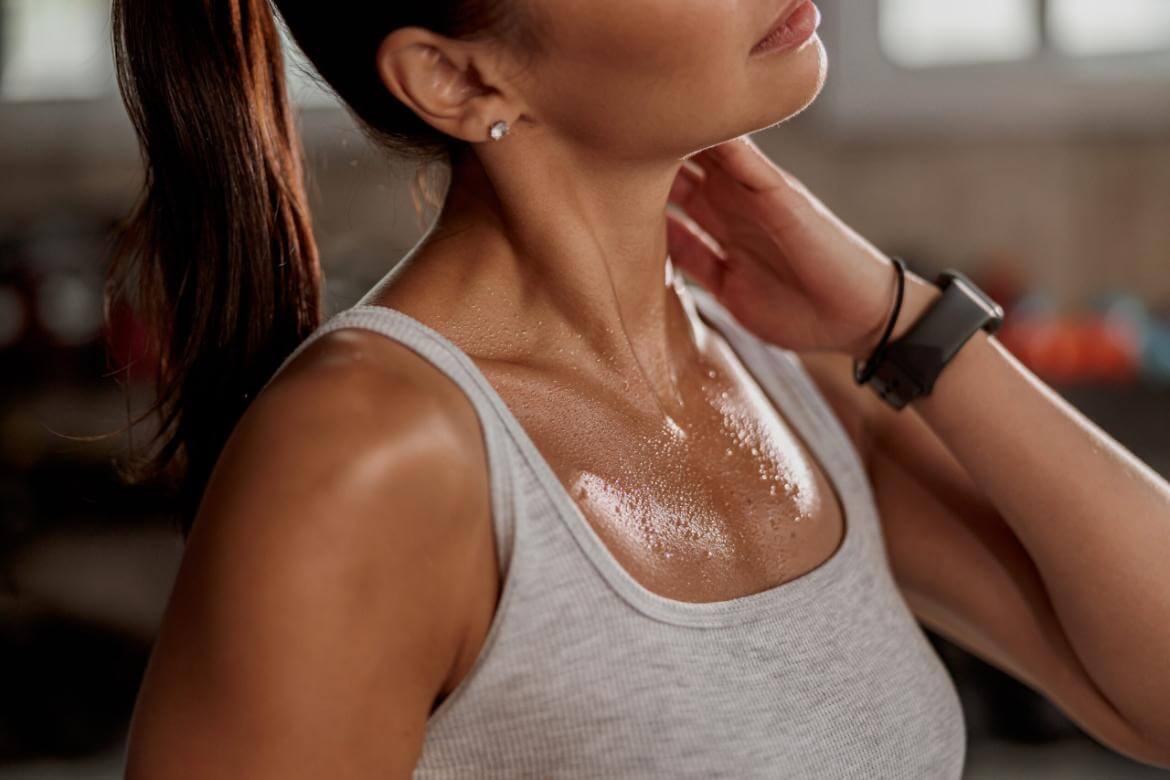
Excessive sweating , or hyperhidrosis , is the condition of excessive and abnormal sweating beyond the normal range. This condition occurs when more sweat is produced through sweating than is normally required to regulate body temperature. Excessive sweating is typically concentrated in areas such as the armpits, palms of the hands, soles of the feet, and face, but can also occur on other parts of the body.
Excessive sweating can be caused by a variety of factors.
Some people may have a genetic predisposition to excessive sweating. Other causes include hormonal changes, emotional stress, excessively hot or humid environments, physical activity, certain medications with side effects, or health problems.
What are the symptoms of excessive sweating?
The symptoms of excessive sweating (hyperhidrosis) may vary from individual to individual, but generally occur as follows:
- Excessive sweating: Excessive sweating is characterized by the production of significantly more sweat than normal. Sweating can be particularly concentrated in areas such as the armpits, palms of the hands, soles of the feet, and face. Sweating in these areas can be more frequent and excessive.
- Wet clothes: Due to excessive sweating, a person may experience rapid wetting or staining of their clothes. Wetness in the armpits may be noticeable, and the person may need to change clothes frequently.
- Bad odor: Heavy sweating is often associated with bad breath. Bacterial growth combined with sweating can cause bad breath. The smell of sweat, especially in the armpits, can be bothersome.
- Skin problems: Constantly moist skin can lead to skin problems that may be related to excessive sweating. These problems can include fungal infections, eczema, dermatitis, and skin irritation.
- Social and emotional effects: Excessive sweating can negatively impact a person's social interactions, daily activities, and self-esteem. Feelings of anxiety, embarrassment, and stress associated with sweating can occur.
What are the causes of excessive sweating?
The cause of excessive sweating varies depending on the type. The cause of secondary hyperhidrosis (excessive sweating) varies depending on the underlying disease.
- Genetic factors: Excessive sweating can be passed down genetically if you have a family history of hyperhidrosis. If a family member has excessive sweating, you may be more likely to experience it yourself.
- Hormonal changes: Changes in hormone levels can lead to excessive sweating. Hormonal changes such as puberty, pregnancy, and menopause can lead to increased sweating.
- Emotional factors: Emotional factors such as stress, anxiety, excitement, or fear can affect the body's sympathetic nervous system, increasing the sweating response. This can cause sweating, especially in the palms, armpits, and face.
- Environmental factors: Hot and humid climates or extremely hot environments can lead to excessive sweating. The body produces sweat to regulate temperature, which can increase sweating.
- Health problems: Excessive sweating can sometimes be a symptom of an underlying health problem. Thyroid disorders, diabetes, heart disease, kidney disease, hormonal imbalances, and some infections can cause excessive sweating.
- Side effects: Some medications can increase sweating as a side effect of some medical treatments, especially antidepressants, beta-blockers, and hormone medications.
How is excessive sweating diagnosed?
Excessive sweating (hyperhidrosis) is usually diagnosed by a dermatologist. The diagnostic process is as follows:
- Assessing your medical history: Your doctor will take a detailed medical history regarding your sweating symptoms. It's important to provide information about the severity of your sweating, the affected areas, the onset of your symptoms, and other symptoms. You may also want to mention a family history of excessive sweating.
- Physical examination: Your dermatologist will examine the areas where you experience heavy sweating and evaluate your skin condition. They will look for signs such as sweating volume, skin lesions, or signs of infection.
- Lab tests: The doctor may order lab tests, such as blood tests or urine tests, if necessary to detect or rule out any underlying health problems.
- Sweat measurement: In some cases, a sweat measurement may be used to objectively assess sweating intensity. For example, tests such as gravimetry, which measures sweat volume, or axillary crystal testing, which assesses sweat gland activity, may be used.
- Investigating underlying causes: If excessive sweating could be a symptom of a general health problem, your doctor may order further testing or counseling if necessary. For example, blood tests may be ordered to check for hormonal imbalances or thyroid disorders.
- Diagnosis: A dermatologist will diagnose excessive sweating based on medical history, physical examination findings, laboratory tests, and other relevant factors.
How to treat excessive sweating (hyperhidrosis)?
Treatment for excessive sweating (hyperhidrosis) may include various methods to reduce or control the severity of sweating.
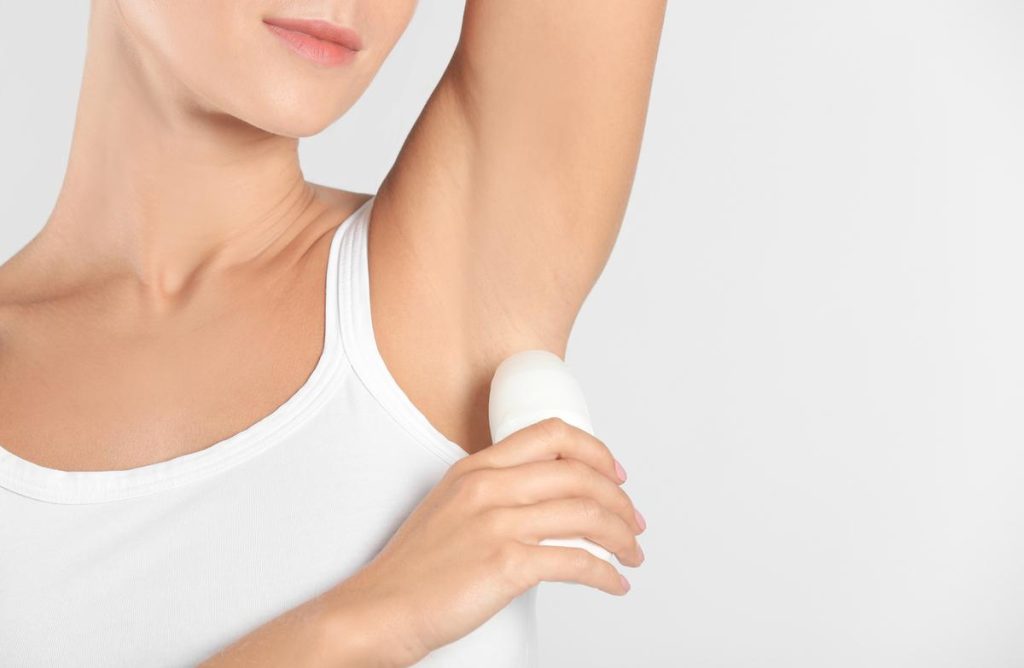
- Antiperspirants: Antiperspirants used in daily life can reduce the amount and intensity of sweating by decreasing the activity of sweat glands. Aluminum-based antiperspirants can be applied to sweating areas.
- Topical medications: Some topical medications can help reduce sweating. For example, substances such as glycerol, aluminum chloride, and saline solutions can be applied to sweating areas.
- Iontophoresis: Iontophoresis treatment involves exposing hands or feet immersed in water to a low-level electric current to reduce sweating. This can temporarily stop the activity of sweat glands.
- Botulinum toxin injections: Botulinum toxin (Botox) injections can help temporarily disable sweat glands. These injections are administered into areas of high sweating and block nerve conduction to prevent sweating. This treatment is typically used in areas such as the armpits, palms, or soles of the feet, and its effects can last for several months.
- Oral medications: Some oral medications can help control sweating. For example, anticholinergic medications can reduce sweating. However, these medications can have side effects and should be used as directed by a doctor.
- Surgical treatments: If treatment is unresponsive or excessive sweating is severe, surgical options may be considered. A procedure called endoscopic thoracic sympathectomy (ETS) is an option to reduce sweating by severing the sympathetic nerves. This procedure is rarely used and can have serious side effects.
It's important to consult with a dermatologist to determine the most appropriate treatment options for excessive sweating. The specialist will evaluate your symptoms and recommend the most effective treatment method. Your underlying health and other factors should be taken into consideration before starting treatment.
What diseases cause excessive sweating?
Excessive sweating (hyperhidrosis) is generally not a sign or symptom of another medical condition. Sweating can lead to skin problems. Excessive sweating can lead to rashes or fungal infections on the hands.
Does sweating sickness go away on its own?
Excessive sweating (hyperhidrosis) can resolve on its own in some cases, but not in everyone. Excessive sweating can sometimes be a temporary problem and resolve spontaneously once the triggering factors are eliminated. For example, sweating may return to normal after a stressful period.
However, if excessive sweating is a persistent problem, it usually doesn't go away on its own and may require treatment. Excessive sweating is often a chronic condition, and symptoms will persist unless treated.
Treatment includes methods to reduce or control the severity of sweating. Various options are available, including antiperspirants, topical medications, botulinum toxin injections, iontophoresis, and surgery. Treatment can help control symptoms and improve quality of life.
