


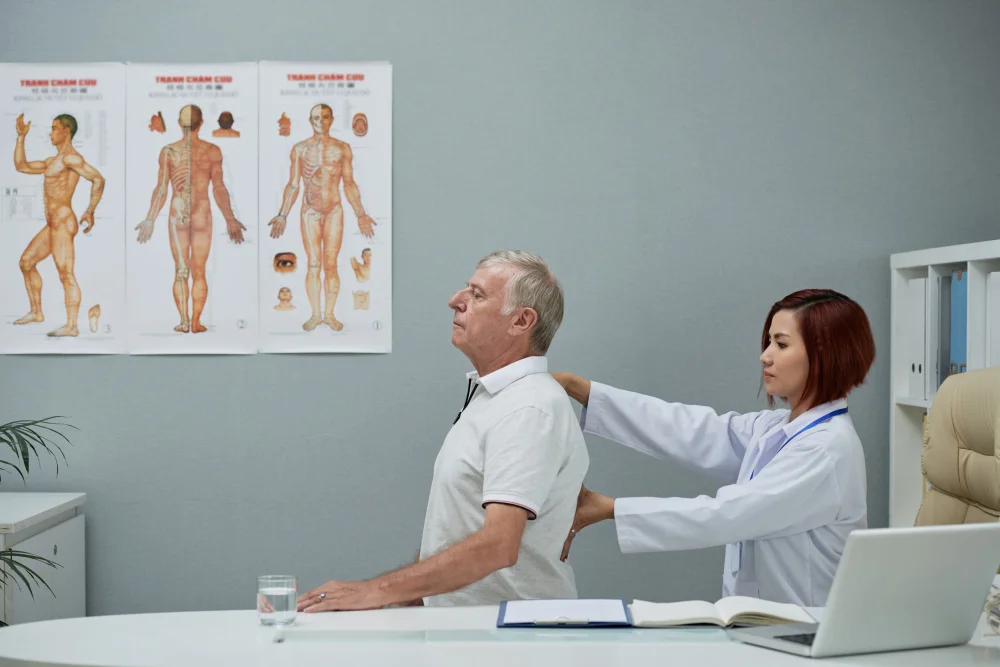
Physical Therapy Examination | Stages, Process and Appointment
A physical therapy examination is a detailed evaluation performed by a physical therapy and rehabilitation specialist to determine the causes of problems such as pain, limited movement, muscle weakness, posture disorders, and nerve compression.
With this examination
- Musculoskeletal system disorders,
- Waist, neck, back and joint pain,
- Movement problems following trauma or surgery,
- Rheumatic diseases,
- Conditions such as paralysis of neural origin or loss of sensation are analyzed and a personalized physical therapy program is planned.
Why Is a Physical Therapy Examination Important?
A physical therapy examination is a vital step in accurately assessing complaints related to the musculoskeletal, nervous, and movement disorders and developing an appropriate treatment plan. Accurate diagnosis is the foundation of effective treatment, and this is made possible through a physical therapy examination.
Ensures Correct Diagnosis
Many people may suspect their pain is caused by a herniated disc, a cervical disc strain, or poor posture. Because these conditions share similar symptoms, a proper diagnosis cannot be made without a professional evaluation.
With physical therapy examination
- The source of the pain is clearly determined,
- It is determined which area needs treatment,
- If necessary, it is supported by advanced imaging or examinations.
A personalized treatment plan is prepared
Everyone's body structure, lifestyle, pain threshold, and range of motion are different. Therefore, no single treatment is effective. Examination will determine whether the patient:
- Muscle strength,
- Joint range of motion,
- Posture and gait,
- A personalized physical therapy program is prepared by analyzing daily life difficulties.
Prevents Unnecessary Treatments
Physical therapy sessions that begin without an examination can lead to both wasted time and incorrect interventions.
Accelerates the Healing Process
As a result of the examination, a targeted treatment is applied:
- Pain decreases in a shorter time,
- Mobility is quickly regained,
- The time to return to daily life is shortened.
Sometimes, posture disorders, muscle imbalances, or nerve problems that a person is unaware of and that may cause problems in the future can be detected during the examination.
A physical therapy examination is essential not only to identify symptoms but also to evaluate the body as a whole with a holistic approach to health and offer effective, lasting solutions. Therefore, it is crucial to schedule an appointment with a physical therapist before beginning physical therapy.
How is a Physical Therapy Examination Done?
A physical therapy examination is a comprehensive examination designed to thoroughly evaluate a patient's complaints, provide an accurate diagnosis, and develop a personalized treatment plan. This process occurs in three main stages:
Listening to the Patient's Story (Anamnesis)
The first step in the examination is to learn the patient's complaints and medical history. The physical therapist will obtain the following information:
- Location, duration and severity of pain
- When did the complaints start?
- How it affects daily life
- Previous traumas, surgeries, accidents
- Chronic diseases (diabetes, rheumatism, etc.)
- Drugs used
- Profession, sports habits and lifestyle
Physical Examination and Functional Assessment
The physical therapist observes the patient during the examination and evaluates him/her with some tests.
- Muscle strength test: It is checked whether there is any loss of muscle strength.
- Joint range of motion: Joint flexibility is measured.
- Posture analysis (posture evaluation): Body balance, curvatures and posture disorders are analyzed.
- Gait and balance tests: Walking style and standing balance are observed.
- Identifying pain points: Pain sources are determined by touching, pressing or moving.
- Reflex and sensory control: Nerve functions are evaluated.
Imaging and Tests
If examination findings are insufficient or further evaluation is necessary, the following tests may be requested:
- X-ray: Used to view bone structures.
- MRI (Magnetic Resonance): Provides detailed imaging to detect soft tissue, nerve and disc problems.
- EMG (Electromyography): Measures the electrical activity of nerves and muscles.
- Blood tests: Requested in cases of suspected inflammation or rheumatic disease.
What treatments are applied after the physical therapy examination?
Based on the findings obtained after the examination, a personalized treatment plan is developed. This plan may include the following.
- Physical therapy sessions (electrotherapy, ultrasound, hot/cold applications, etc.)
- Manual therapy
- Exercise program
- Suggestions to do at home
- Lifestyle changes (posture, ergonomics, movement habits)
For Which Complaints Should a Physical Therapy Appointment Be Made?
- Symptoms such as pain, limited movement, and muscle weakness are not just temporary discomforts; they can also be signs of serious underlying orthopedic or neurological problems. Therefore, it's crucial to consult a physical therapist and rehabilitation specialist.
- Back and Neck Pain: Back and neck pain, one of the most common complaints, can be caused by a herniated disc, muscle spasm, or poor posture. For long-term or recurring pain, you should definitely see a physical therapist.
- Muscle and Joint Pain: Symptoms such as pain, swelling, and stiffness in joints such as the knee, shoulder, elbow, hip, or wrist may be due to conditions such as arthritis, meniscus, or tendon damage. Physical therapy can both reduce pain and improve mobility in these situations.
- Post-Trauma and Post-Surgery Rehabilitation: Physical therapy support is crucial during the recovery process following fractures, dislocations, ligament injuries, or orthopedic surgery. Rehabilitation allows for a faster and healthier recovery.
- Loss of Movement After Stroke: In cases of muscle weakness, limited movement and imbalance that develop after stroke, physical therapy enables the re-education of the nervous system and the acquisition of daily living skills.
- Nerve Compression (Carpal Tunnel, Sciatica, etc.): Symptoms such as numbness, tingling, and weakness in the hand or foot may indicate a nerve compression. In these cases, starting physical therapy early can prevent permanent damage.
- Scoliosis and Postural Disorders: Spinal health can be preserved with physical therapy exercises in cases of spinal curvatures, posture disorders and kyphosis, which often begin at a young age.
- Sports Injuries: After sports injuries such as muscle tears, ligament injuries, and sprains, a quick and safe return to sports can be achieved with the right physical therapy program.
- Fibromyalgia and Chronic Pain: Physical therapy and exercise therapies greatly improve the quality of life in diseases such as fibromyalgia, which is characterized by widespread pain in the body, fatigue and sleep problems.
What Diseases Are Diagnosed During a Physical Therapy Examination?
A physical therapy exam is a comprehensive evaluation designed to identify problems with the musculoskeletal and nervous systems. This exam helps identify the underlying issues causing pain or limited mobility and develop an appropriate treatment plan.
Frequently detected disorders are as follows.
Muscle and Joint Problems
- Muscle spasms and tensions
- Muscle weakness (resulting from immobility, nerve damage, or trauma)
- Joint limitations (frozen shoulder, hip or knee stiffness)
- Joint instability (joint looseness or tendency to dislocate)
Spine and Posture Disorders
- Cervical and lumbar disc herniation
- Scoliosis (curvature of the spine)
- Kyphosis (hunchback)
- Lordosis (increased lumbar curve)
- Postural disorders (common in desk workers)
Nerve Compressions and Nervous Problems
- Carpal tunnel syndrome
- Sciatica (nerve compression due to a herniated disc)
- Loss of sensation, numbness, tingling due to nerve damage
- Decreased or absent reflexes
Rheumatic and Systemic Diseases
- Fibromyalgia
- Ankylosing spondylitis
- Rheumatoid arthritis
- Connective tissue diseases such as lupus
A physical therapist can evaluate the symptoms of such diseases and reach a definitive diagnosis with further tests (blood test, MRI, EMG, etc.).
Post-Trauma or Post-Surgery Problems
- Post-fracture stiffness and pain
- Postoperative movement limitation
- Muscle atrophy (muscle wasting)
- Wound healing problems
Movement and Balance Disorders
- Gait disorders
- Loss of balance
- Weakness in muscle control
- Movement problems that occur after a stroke
Advantages of Physical Therapy in Private Hospitals
Private hospitals in Ankara stand out with their technologically advanced physical therapy equipment and personalized patient monitoring. Many private hospitals also offer physical therapy services under social security institution (SGK) agreements.
The prominent advantages are as follows.
- Short waiting times
- Personalized treatment plan
- Modern physical therapy devices
- Comfortable environment and one-on-one follow-up
Ankara Physical Therapy
If you are seeking professional support for your physical ailments and are planning to receive physical therapy services at public or private hospitals in Ankara, it is crucial that you conduct thorough research to gain comprehensive information about the appointment process, treatment options, and physical therapy fees.
How to Make a Physical Therapy Appointment?
Many private hospitals in Ankara offer physical therapy and rehabilitation services with modern equipment and expert staff.
To make a physical therapy appointment, you can fill out the online appointment form on the hospital's website or call the call center to quickly make an appointment.
How Much Does Physical Therapy Cost? (2025)
Physical therapy fees can vary depending on the session length, treatment methods used, and the patient's specific complaints. Many private hospitals offer affordable and high-quality physical therapy options. Private hospitals with SSI agreements may offer more affordable fees, and private health insurance policies often cover physical therapy services.
Private Hospitals Providing Physical Therapy
There are numerous private hospitals in Ankara that offer physical therapy services . Private Magnet Hospital, with its physical therapists and physiotherapists, offers effective solutions for musculoskeletal disorders and neurological rehabilitation processes.
Physical Therapy Department Appointment | Private Magnet Hospital
You can receive diagnosis and treatment services by making an appointment with a physical therapist at Özel Magnet Hospital for physical therapy applications that offer effective results in many conditions such as musculoskeletal system diseases, spinal and cervical disc herniation, shoulder stiffness, nerve compression, knee pain and post-stroke rehabilitation .
Making a physical therapy appointment is easy with Magnet Hospital's contact options:
For detailed information, you can call our hotline at 0 212 312 80 80.
Click on Magnet Hospital's online appointment system.
