



Low Back Pain Physical Therapy Guide
Low Back Pain Physical Therapy Guide: Today, low back pain negatively impacts the quality of life for millions of people worldwide. Working at a desk for long periods, a sedentary lifestyle, stress, poor posture, and excessive use of digital devices are among the primary causes of low back problems. One of the most effective and permanent solutions to low back pain is physical therapy .
What Causes Lower Back Pain?
- Digital lifestyle (long-term computer and phone use)
- Sedentary life
- Poor posture habits
- Herniated disc and disc problems
- Muscle weakness and imbalances
- Overweight and obesity
- Stress-induced muscle spasms
What Examinations and Tests Are Performed for Low Back Pain?
Low back pain can occur for a variety of reasons, ranging from temporary muscle fatigue to serious spinal problems. The most important step for lasting and effective treatment is accurately identifying the source of the pain. Therefore, a definitive diagnosis can be achieved through various tests and imaging methods.
Physical Examination: The physical therapist decides which tests are necessary based on the information obtained during the initial examination.
- The exact location of the pain,
- Mobility,
- Evaluates muscle strength and reflexes.
X-Ray
- Used to evaluate bone structures.
- Provides information about spinal curvatures (scoliosis, kyphosis), fractures and calcifications.
- Does not show soft tissues.
Lumbar MRI (Magnetic Resonance Imaging)
- Lumbar (Waist) MRI displays spinal discs, nerves, muscles and connective tissues in detail.
- It is the most effective imaging method for herniated discs, nerve compressions, inflammatory diseases and tumors.
- Lumbar MRI is safe because it does not contain radiation.
Computed Tomography (CT)
- It shows bone structures in more detail than X-rays.
- It is preferred if there is a suspicion of fracture following trauma.
- It can be an alternative in cases where lumbar MRI cannot be performed.
Electromyography (EMG)
- It measures the electrical conduction of muscles and nerves.
- It is used to evaluate conditions such as nerve compression, sciatica or muscle weakness due to a herniated disc.
- It is recommended for patients with numbness, tingling, loss of strength.
Blood Tests
- Systemic causes such as infection, inflammatory rheumatic diseases, or cancer are investigated. Values such as CRP , sedimentation rate, and white blood cell (WBC) count are evaluated.
Which Test is Performed When?
| Symptom | Recommended Examination |
| Long-lasting pain | Lumbar MRI , EMG |
| Post-traumatic pain | X-ray, CT |
| Pain radiating to the leg | MRI, EMG |
| Night pain, weight loss | MRI, blood tests |
| Muscle weakness, loss of reflexes | EMG, MRI |
Situations Requiring Urgent Examination in Low Back Pain
- Urinary/fecal incontinence
- Rapid loss of strength in the legs
- Severe post-traumatic pain
- Pain that increases at night
- Pain that lasts longer than 2 weeks and does not go away despite rest
If these symptoms are present, the diagnosis and treatment process should be started without delay.
Accurately identifying the source of your back pain is essential for effective and lasting treatment. Therefore, if your pain persists for more than a few days or is severe, you should consult a specialist physical therapist to ensure appropriate testing is performed. Remember, early diagnosis can both reduce your pain and prevent potential complications.
Physical Therapy and Low Back Pain Management
Personalized Physical Therapy Exercise Programs
- Strengthening the waist muscles
- Maintaining spinal balance
- Increasing mobility
Manual Therapy Techniques: Manual intervention techniques applied by physiotherapists reduce muscle tension, increase spinal mobility and directly relieve pain.
Electrotherapy and Deep Tissue Applications: Electrotherapy using devices such as TENS, ultrasound, and IF are among the most effective methods. Newer-generation devices can achieve more effective results in a shorter time.
Posture and Ergonomics Training: Any treatment that doesn't improve your posture is short-lived. That's why physical therapists provide patients with training in daily ergonomics:
- Sitting correctly at the computer
- Choosing the right mattress and pillow
- Correct lifting techniques
Ultrasound Therapy: Sound waves are sent to the tissue beneath the skin to relax the muscles. It reduces inflammation and accelerates the healing process.
Hot and Cold Applications: Frequently used in cases of muscle spasm and pain. They promote tissue healing by regulating blood flow.
Traction (Mechanical Stretching): This is a method used to reduce pressure on the spine. It helps reduce the load on the discs in patients with herniated discs.
Injection Treatments (Needle Applications)
- Epidural steroid injection: It is applied in cases of nerve compression such as a herniated disc or spinal stenosis.
- Facet joint injections: These are applied to the spinal joints and are especially effective for pain that increases with movement in the waist.
- Nerve blocks: By targeting specific nerves in the lower back, the pathways that transmit pain are blocked.
Complementary and Alternative Medicine Methods
Acupuncture: It can help relieve pain in many patients with low back pain and is often recommended for the treatment of chronic low back pain .
Pilates: Strengthens the waist muscles, increases flexibility, and helps correct posture disorders.
Phytotherapy (Herbal treatments): Natural products used in the form of creams, oils, and teas can provide a soothing effect. (Caution: Do not use without medical approval.)
How Long Does Back Physical Therapy Last? The duration of physical therapy varies depending on the cause and severity of your back pain. In general:
- Mild back pain: 6–10 sessions
- Herniated disc: 10–20 sessions
- Chronic low back pain: May last 3–6 weeks
Sessions are usually performed 2-3 times a week.
Tips for Relieving Lower Back Pain
- Get up from your seat and stretch every 30 minutes.
- Take a walk for at least 20 minutes daily.
- Use posture correcting mobile apps.
- Have your vitamin D and calcium levels checked.
- Lift heavy items with proper technique.
Easy Exercises for Lower Back Pain
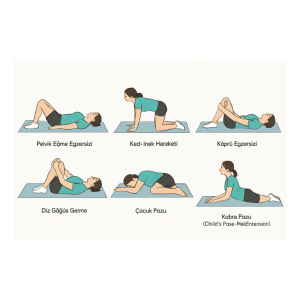
If left untreated, back pain can significantly reduce your quality of life. If you need an MRI for your back problems, you can visit Magnet Hospital, which performs MRIs the same day .
Magnet Hospital's Physical Therapy and Rehabilitation Center offers services with its well-equipped infrastructure and experienced physical therapists. Physical therapy programs approved by the physician are implemented under the supervision of a physiotherapist.
Physical Therapy Appointments and Information: 0 312 212 80 80
April 2025
