


Pelvis, the Cause of Your Pelvic Pain
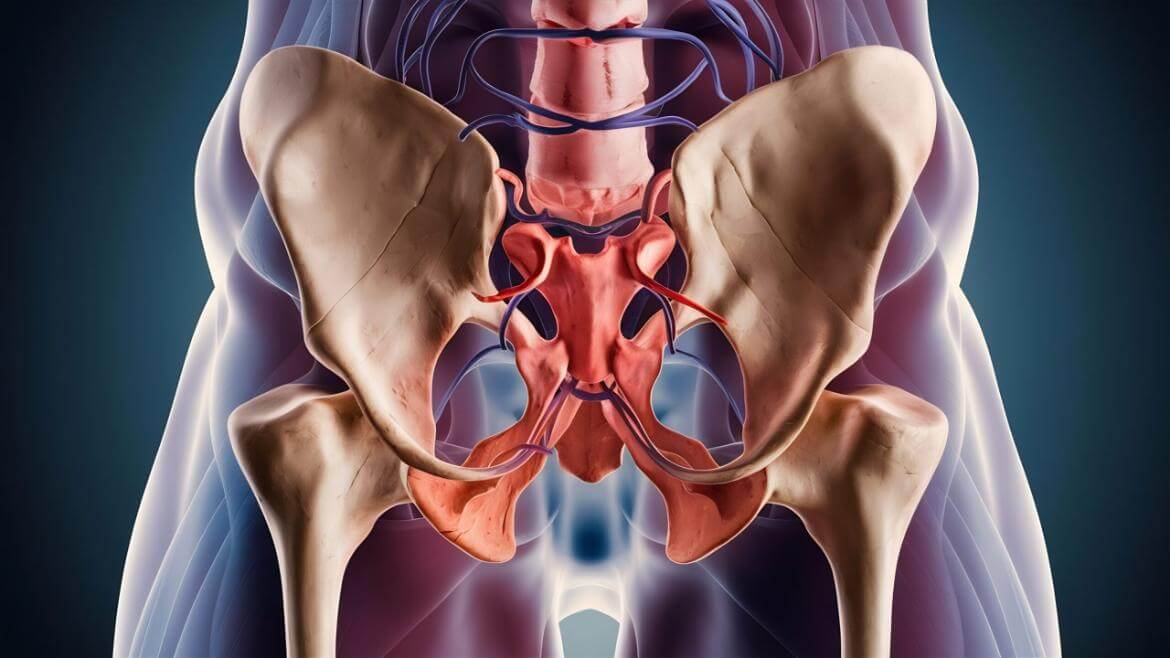
Pelvic pain is pain or discomfort felt in the pelvis. The pelvis is a bony structure located at the base of the spine that protects many important organs. One of its primary functions in the human body is to support, protect, and stabilize the reproductive organs and organs of the urinary system.
The pelvis consists of three main bones: the right and left iliac bones (pelvis) and a triangular bone called the sacrum. The iliac bones form the lateral portions of the pelvis and fuse anteriorly with the pubic bone. Posteriorly, they fuse with the sacrum. The sacrum is a bone formed by five fused vertebrae and is located at the base of the spine.
The pelvis has many joints and is mobile. In women, the pelvis is wider to allow for flexibility during childbirth, while in men, it is narrower and heavier. The pelvis is also supported by ligaments and muscles and is connected to the upper spine.
The interior of the pelvis contains organs such as the reproductive organs, bladder, rectum, and colon. The pelvis also contains major blood vessels and nerves.
Healthy pelvic function is important because it supports and protects many important structures. Pelvic fractures can occur as a result of trauma or disease and can lead to serious complications.
What is Pelvic Pain and What Causes It?
Pelvic pain is pain or discomfort felt in the pelvis. The pelvis refers to the area between the abdomen and hip bones. Pelvic pain can occur for different reasons in men and women.
The causes of pelvic pain can be diverse, and sometimes a definitive diagnosis can be difficult. Some of the most common causes of pelvic pain in women include:
- Menstrual Period: Pelvic pain may be experienced due to muscle spasms and uterine contractions that occur during the menstrual period.
- Ovarian Cysts: Cysts that form on the ovaries can cause pelvic pain. These cysts usually go away on their own, but sometimes treatment may be necessary.
- Uterine Fibroids: Fibroids, benign tumors that form in the uterus, can cause pelvic pain and, in some cases, heavy menstrual bleeding.
- Pelvic Inflammatory Disease (PID): Sexually transmitted infections (STIs) or other infections can cause pelvic inflammatory disease (PID). Symptoms include pelvic pain, fever, vaginal discharge, and pain during intercourse.
- Endometriosis: Endometriosis, tissue that grows outside the lining of the uterus (endometrium), can cause pelvic pain. In this case, the pain may increase with the menstrual cycle.
Causes of pelvic pain in men may include:
- Prostate Infections: Prostatitis or chronic pelvic pain syndrome can cause pain in the pelvic area.
- Urinary Tract Infections: Infections of the bladder or urethra can lead to pelvic pain.
- Inflammatory Bowel Diseases: Inflammatory bowel diseases such as Crohn's disease or ulcerative colitis can contribute to pelvic pain.
- Urinary Stones: Stones formed in the urinary tract can cause pelvic pain.
Pelvic pain associated with genitals
Pelvic pain related to genitals can be caused by issues related to the reproductive system. It can occur for different reasons in men and women. Some possible causes of pelvic pain related to genitals include:
In women:
- Menstrual Pain (Dysmenorrhea): Uterine contractions and cramping pains may be experienced during the menstrual period.
- Ovarian Cysts: Fluid-filled sacs that form on the ovaries can cause pelvic pain.
- Uterine Fibroids: Benign tumors found in the uterus can cause pelvic pain and heavy menstrual bleeding.
- Endometriosis: The growth of the endometrium outside the uterus can cause pelvic pain.
- Uterine Inflammation (Endometritis): Inflammation of the inner lining of the uterus can lead to pelvic pain.
- Intrauterine Device (IUD) Use: Insertion or use of an IUD can cause pelvic pain in some women.
- Pelvic Inflammatory Disease (PID): Pelvic organs can become inflamed and cause pain due to sexually transmitted infections or other infections.
- Vaginal Infections: Vaginal infections can lead to pelvic pain.
In men:
- Prostatitis : Inflammation of the prostate can cause pelvic pain.
- Prostate Cancer: Prostate cancer can cause pelvic pain in some men.
- Epididymitis: Infection of the epididymitis, located behind the testicles, can lead to pelvic pain.
- Inflammation of the Scrotum (Orchitis): Inflammation of the testicles can cause pelvic pain.
How is pelvic pain treated?
Pelvic pain is a symptom that can stem from many different causes in the pelvic area. Some common conditions that cause pelvic pain include pelvic inflammatory disease, urinary tract infections, ovarian cysts, endometriosis, uterine fibroids, reproductive organ infections, and bowel problems. Treatment for pelvic pain can vary depending on the underlying cause and the severity of symptoms. Some common methods for treating pelvic pain include:
- Treat the underlying cause: Once the cause of your pelvic pain is determined, your doctor will recommend appropriate treatment options. For example, if there's an infection, antibiotics may be prescribed. In some cases, such as ovarian cysts or fibroids, surgery may be necessary.
- Painkillers: Painkillers may be prescribed to relieve pelvic pain. However, these only temporarily relieve symptoms and are used in addition to treatment for the underlying cause.
- Hormonal therapy: Hormonal therapy may be used to regulate hormone levels and reduce symptoms in cases of pelvic pain caused by hormonal imbalances, such as endometriosis.
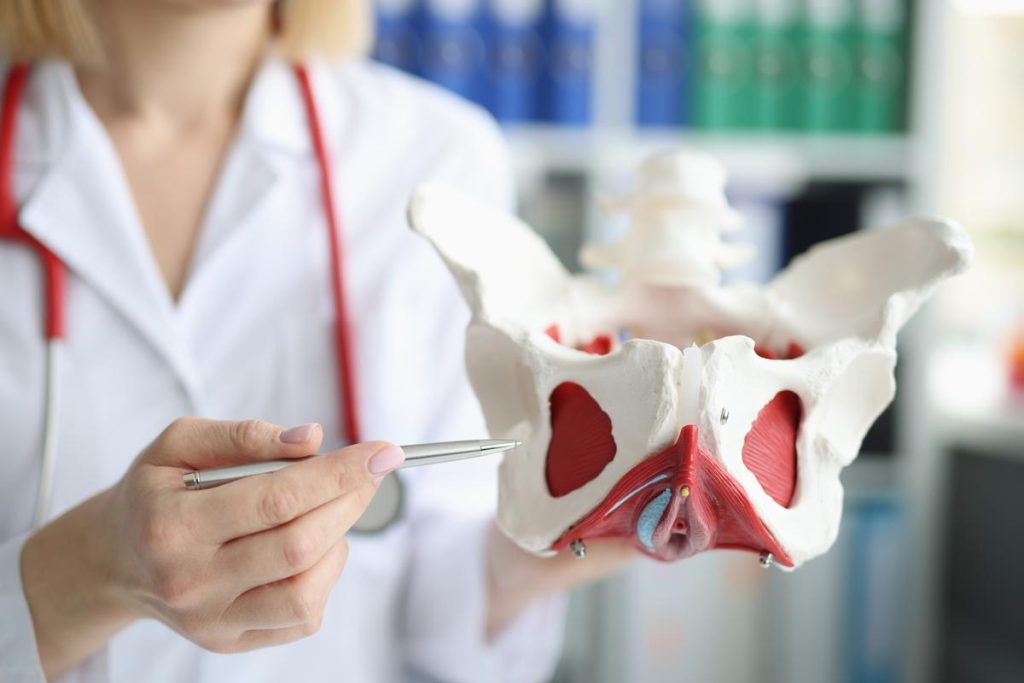
- Physical therapy : In some cases, physical therapy can be used to relieve pelvic pain and reduce muscle tension. Physical therapists may recommend exercises to strengthen the pelvic floor muscles and increase their flexibility.
- Stress management and relaxation techniques: Pelvic pain can be related to stress, anxiety, and muscle tension. Therefore, stress management techniques and relaxation exercises can help relieve pelvic pain. Techniques such as yoga, meditation, and deep breathing can be helpful.
The treatment plan may vary depending on the individual's specific situation and the cause of the pelvic pain.
