


Hives (Urticaria)
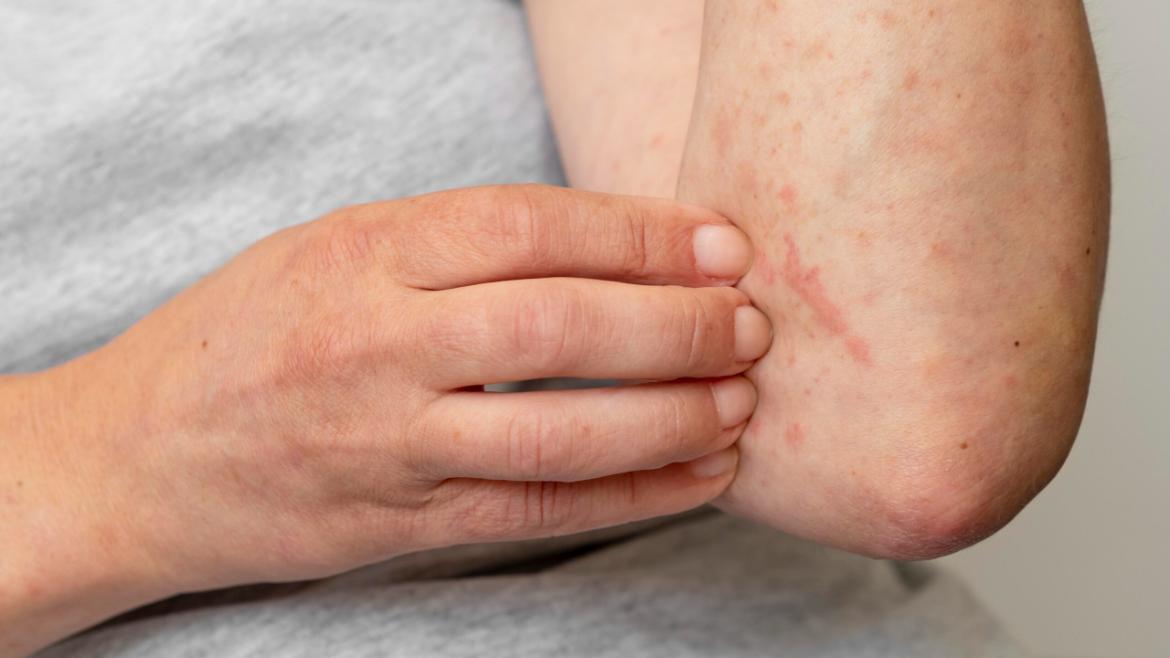
Hives , also known medically as urticaria, are a skin condition. Hives manifest as a rash with itchy, raised, red, and swollen areas on the skin. These areas are usually discrete and can vary in shape and size. Hives are often itchy and can be worsened by scratching.
What causes hives?
Hives, or urticaria, can occur for many different reasons. Common causes of hives include:
- Allergic reactions: The most common cause of hives is allergic reactions. Hives can occur as a result of the body's overreaction to various allergens, such as foods, medications, pollen, dust mites, animal dander, and insect bites or stings.
- Medications: Some medications can cause allergic reactions or directly trigger hives in individuals. Medications such as antibiotics, painkillers, and aspirin can trigger hives.
- Physical stimuli: Physical stimuli such as temperature changes, sunlight, cold air, pressure, and friction can also trigger hives. This type of hives is called " physical urticaria ."
- Infections: Some infections, especially viral infections, can cause hives. For example, viral infections such as the common cold are sometimes associated with hives.
- Stress and emotional factors: Intense stress, anxiety, and emotional disorders can also trigger hives in some people.
- Genetic factors: Hives can sometimes occur as a result of a genetic predisposition that can run in families.
These are just a few of the common causes of hives. Causes can vary from person to person, and sometimes a definitive cause can't be identified.
What are the symptoms of hives?
- Itchy rash: The most distinctive symptom of hives is the appearance of itchy, raised, red, and swollen areas on the skin. These areas can be isolated or joined and vary in shape and size. Sometimes, a pale area can be present in the center of the rash.
- Rash mobility: After appearing in one area, the rash can spread to another or shift within a few hours. This rash mobility helps distinguish hives from other skin conditions.
- Itching: Hives are an itchy condition, and intense itching can occur along with the rash. Scratching can worsen and spread the rash.
- Swelling and enlargement: Hives are often associated with swelling and enlargement under the skin. The areas may be warm or tender to the touch.
- Additional symptoms in some cases: Hives can sometimes occur with accompanying symptoms. These may include systemic symptoms such as headache, fever, fatigue, muscle aches, and digestive problems.
The symptoms of hives can vary from person to person and can range from mild to severe. Symptoms usually clear up on their own within a few hours or days, but in some cases, they can be long-lasting or chronic.
What are the triggering agents for hives?
- Allergens: Allergens such as foods (e.g., seafood, nuts, eggs, dairy products), medications (e.g., antibiotics, painkillers, aspirin), pollens, house dust mites, animal dander, and insect stings can trigger hives.
- Physical stimuli: Physical stimuli such as temperature changes (hot or cold), sunlight, pressure, friction, and contact with water can trigger hives. This type of hives is called "physical urticaria."
- Infections: Viral infections (such as colds and flu) can trigger hives. Some bacterial or fungal infections can also cause hives.
- Stress and emotional factors: Intense stress, anxiety, emotional disturbances, and psychological factors can trigger hives in some people.
- Industrial chemicals: In some individuals, exposure to industrial chemicals or environmental factors (e.g., latex, detergents, dyes) may cause hives.
- Other factors: Other factors such as exercise, alcohol consumption, and medical procedures (e.g., blood transfusion, X-ray) may also trigger hives in some people.
How is hives diagnosed?
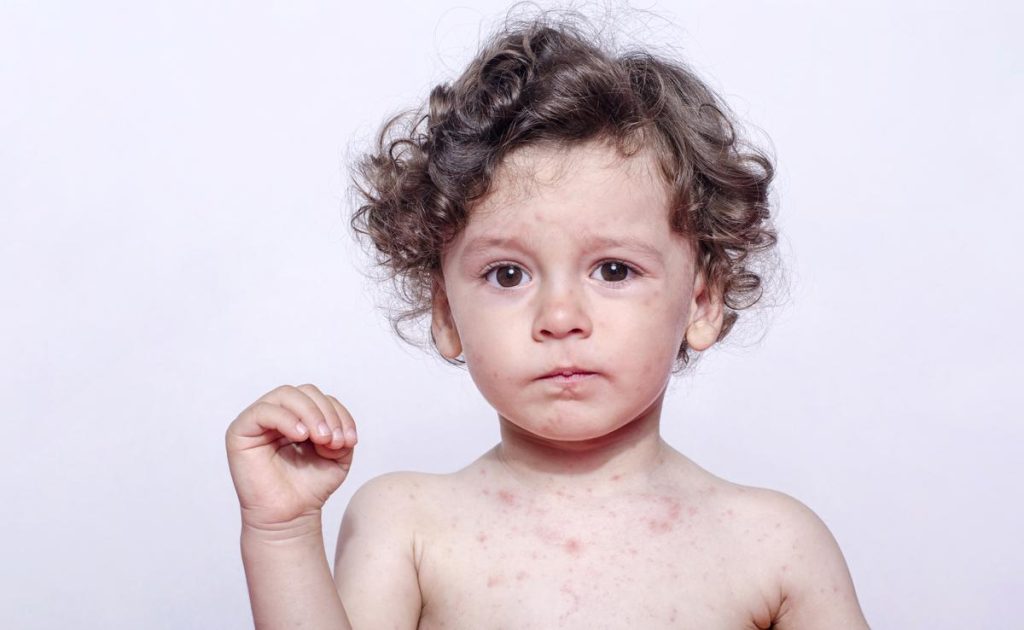
Hives, also known medically as urticaria, are a skin condition characterized by symptoms such as itching, swelling, and redness of the skin. Diagnosis of urticaria is generally based on symptoms and physical examination findings.
First, your doctor will listen to your patient's symptoms and how long they've been present. They'll also learn about potential triggers, allergic reactions, or similar past events. They'll assess the skin for signs of wheals, redness, and itching. Raised, ill-defined plaques or rashes, characteristic of urticaria, are usually noticed during an examination.
The cause of urticaria is then investigated by identifying triggers. Triggers include foods, medications, infections, physical stimuli (e.g., cold or hot weather, sunlight, pressure), or allergic reactions to which the patient is exposed.
If your doctor suspects your hives are caused by an allergic reaction, allergy tests, such as skin prick tests or blood tests, may be performed. These tests can help identify immunological reactions to potential allergens.
Diagnosis of urticaria is generally based on symptoms, and in most cases, no specific testing is necessary. However, in cases of severe or persistent urticaria, additional medical tests may be necessary to rule out an underlying condition or to perform other diagnostic tests. The treatment plan is based on confirming the diagnosis and determining the underlying cause.
How to treat hives?
Treatment for hives (urticaria) aims to relieve symptoms, prevent recurring attacks, and address the underlying cause. Treatment is typically individualized based on the severity and duration of symptoms. Commonly used urticaria treatment methods include:
- Avoiding Triggers: If a trigger factor is known (for example, a certain food or medication), avoiding it may help control symptoms.
- Antihistamines: The most commonly used treatment is antihistamines. These medications work by blocking the release of a chemical called histamine, which is released into the body, reducing symptoms such as itching, redness, and swelling. Your doctor will determine the antihistamine to be prescribed and its instructions for use.
- H1 and H2 Blockers: In some cases, if H1 blockers (such as antihistamines) aren't enough, your doctor may also recommend H2 blockers. H2 blockers reduce stomach acid and can be effective for certain types of hives.
- Topical Corticosteroids: Topical corticosteroid creams or ointments can be used to control severe skin itching and inflammation. However, these medications can cause side effects with long-term use, so they should be used only under the doctor's instructions.
- Epinephrine (adrenaline) Shots: In severe allergic reactions such as anaphylaxis, emergency epinephrine shots can help quickly relieve symptoms. People at risk of such a reaction should carry an epinephrine shot with them, along with a recommended emergency treatment plan.
- Other Treatments: In some cases, other treatment options may be used to relieve hives symptoms, including corticosteroid tablets, anti-inflammatory medications, immunosuppressive medications, or phototherapy (light therapy). However, these treatments are generally reserved for more severe or chronic cases of hives.
Is hives contagious?
No, hives (urticaria) are not contagious. Hives usually occur as an allergic reaction, or a response from the body's immune system. When exposed to allergens or other triggers, some people tend to develop symptoms such as itching, redness, and swelling of the skin.
However, these symptoms are not contagious to another person. Urticaria symptoms are a person's own body response and are not transmitted to another person through direct contact or inhalation.
What is good for hives?
There are some home remedies and treatment options that can provide relief from the symptoms of hives (urticaria). Here are some suggestions that may help alleviate the symptoms of hives:
- Cold application
- Antihistamine medications
- Creams or lotions that reduce itching
- Relaxing baths
- Stress management
- Avoiding triggers
