


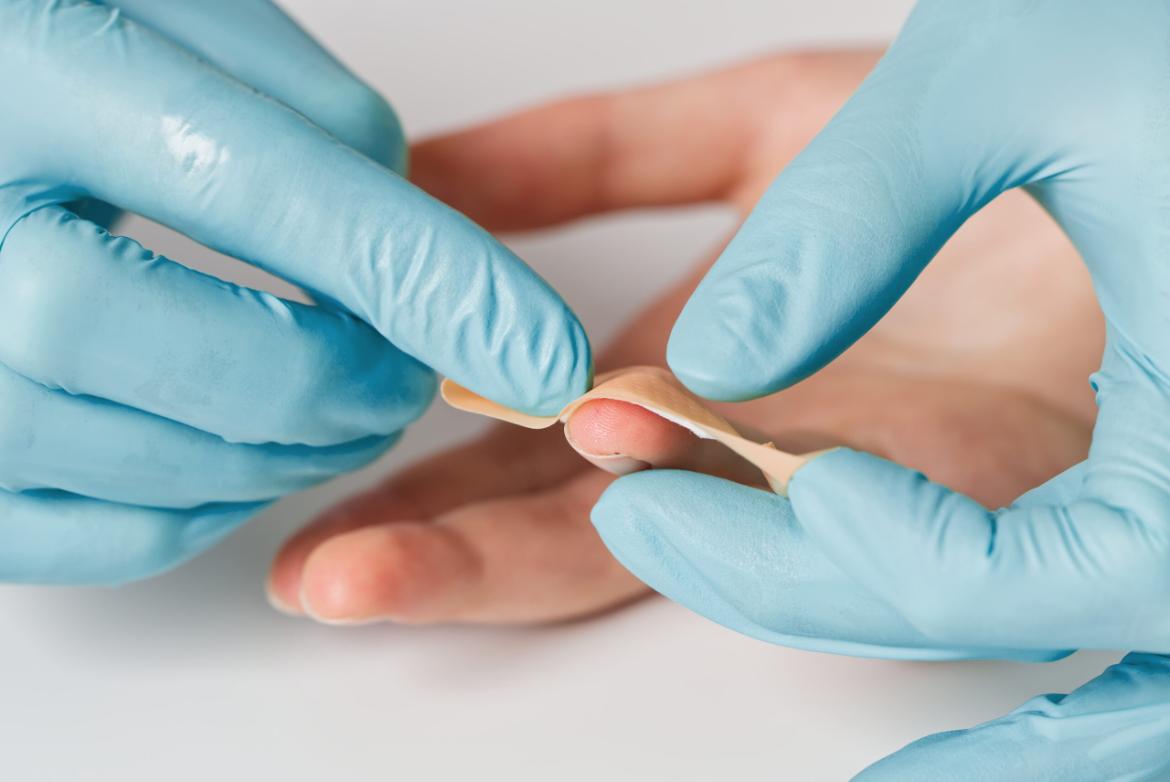
Nail Infection (Nail Infection)
Paronychia is a type of nail infection, medically known as paronychia. This infection is a skin condition that typically affects the cuticle or the skin around the nail. This condition, which occurs around fingernails and toenails, is a skin infection caused by bacteria and fungi.
Paronychia occurs at the base of the nail, where the cuticle meets the nail fold. Symptoms of infection include redness, swelling, pain, tenderness, and sometimes pus-filled blisters in this area. As the infection progresses, the pus may need to be drained.
Treatment usually involves antibiotics. These are used to drain the pus caused by the infection and control the infection. A sample of the pus may be examined to determine the bacteria or fungus causing the infection.
In some cases, the infection can recur and persist for a long time. Paronychia typically occurs as a result of skin irritation caused by occupational or environmental factors. It can also develop as a result of a chronic bacterial or fungal infection.
What Causes Nail Infection?
A whitlow is an infection of the skin surrounding the nail. Bacteria and fungi are the primary causes of this infection. Causes of whitlow include:
- Irritation and injury: The skin around the nails can often be irritated or injured. For example, activities such as excessive nail clipping, nail picking, or cutting the cuticles can damage the skin. Such irritation can provide a pathway for microorganisms to cause infection.
- Moisture and wetness: If hands and feet are constantly moist and wet, this can provide a suitable environment for microorganisms to grow and cause infection. Wearing tight shoes or gloves, in particular, traps moisture, which can increase the risk of infection.
- Fungi and bacteria: Bacteria and fungi found on the skin around the nail can cause infection. If the skin barrier around the nail is weakened or irritated, these microorganisms can enter the skin and cause infection.
- Chronic diseases: Chronic health conditions like diabetes can make it harder for the skin around the nails to be healthy and increase the risk of infection. Diseases like diabetes can reduce the skin's ability to heal and make it more susceptible to infection.
- Nail structure: The natural structure of nails can sometimes irritate the skin around the nail, increasing the risk of infection. For example, situations where the nails are tightly attached or the nail bed is abnormally shaped can increase the risk of infection.
- Inadequate hygiene: Failure to clean hands and feet regularly can cause microorganisms around the nails to multiply and increase the risk of infection.
- Nail biting or gnawing: Nail biting or gnawing habits can cause irritation of the skin around the nails and the entry of microorganisms.
- Occupational and environmental factors: Certain occupations or activities may expose the hands to constant exposure to water or skin-damaging factors, which can increase the risk of infection.
Paronychia usually results from a combination of one or more of these causes. Identifying the source of the infection is important for effective treatment and preventing recurrence.
What are the symptoms of nail infection?
Symptoms of a nail infection (nail infection) can develop within a few hours or days after the infection begins. However, in some cases, symptoms may last longer.
The areas where entanglement most commonly occurs are the thumb and index finger. Common symptoms of entanglement are listed below:
- Swelling, tenderness, and pain in the skin around the nail: The skin in the infected area may swell, and this swelling often causes tenderness and pain. The skin around the nail may often feel swollen and tight, along with discomfort.
- Redness and burning: The infected area may become red and feel like it's burning when touched. This change in skin color may indicate an infection.
- Pus accumulation: Pus (pus) may accumulate under the skin in the infected area. This is a result of inflammation caused by the infection. The pus may appear as blisters or pimple-like lesions.
- Changes in nail shape: Nail infections can cause changes in the nail's shape, color, or texture. The nail itself may also undergo changes due to infection in the surrounding skin.
- Nail hardening: The infection can affect the skin beneath the nail, leading to inflammation of the nail bed. This can cause the nail to harden and the skin around the affected area to thicken.
- Nail loss: In severe cases, the infection can spread to the nail bed, causing the nail to fall off. This can occur as a result of untreated or advanced infections.
Symptoms of ringworm can vary from person to person and depend on the severity of the infection. If you notice these symptoms around your nails, it's important to contact a healthcare professional. Early diagnosis and treatment can prevent the infection from becoming more serious.
What are the types of nail infections?
A nail infection (nail infection) is a skin condition that can occur in different ways. Some of the more common types of nail infections are:
- Acute paronychia: This type of infection develops suddenly and is usually caused by bacteria. Swelling, redness, tenderness, and pain quickly develop around the nail. If left untreated, pus can accumulate and lead to a more serious condition.
- Chronic paronychia: This type of infection refers to a long-term, recurring infection. Chronic paronychia usually begins with milder symptoms but persists over time. It can be caused by fungi or bacteria and, if left untreated, can cause permanent skin changes.
- Fungal Infections: Some nail fungi are the cause of these infections. Fungal infections can develop under or around the nails and cause changes in the nail's shape, color, and texture. Fungal infections can often be chronic and difficult to treat.
- Bacterial infections: Infections caused by bacteria around the nail, also known as paronychia, often present as acute paronychia and quickly manifest with symptoms such as pain, swelling, and redness.
- Combined infections: In some cases, both bacteria and fungi can cause infections around the nails. These types of infections can be complex and difficult to treat.
- Inflammatory paronychia: This type of paronychia causes severe inflammation and swelling around the nail. It's often associated with immune system problems.
- Nail infection: The skin around the nail may develop pits or grooves where it meets the nail. These infections can also cause symptoms such as pain, swelling, and pus accumulation around the nail.
The types of whitlow may vary depending on the cause of the infection, the condition of the infected area, and the severity of the infection.
Who Gets Nail Infection?
Nail infections (nail infections) can occur in people of all ages and genders. However, certain risk factors may increase the risk of infection in certain individuals. Factors that increase the risk of nail infections and the potential risk of nail infections include:
- Biting or gnawing nails: Constantly biting or gnawing nails can irritate the skin around the nails and increase the risk of infection.
- Cutting cuticles: Excessively cutting or pulling cuticles can cause skin damage and increase the risk of infection.
- Wearing tight shoes or gloves: Constantly wearing tight shoes or gloves can create a moist, cramped environment for hands and feet, which can lead to the growth of microorganisms and an increased risk of infection.
- Susceptibility to fungal infections: Being susceptible to fungal nail infections can increase the risk of ingrown toenails. Fungi can cause infections around the nails.
- Diabetes or immune system problems: Having diabetes or a weak immune system can cause infections to develop more quickly and become more serious.
- Keeping hands constantly moist: Keeping hands moist for a long time can provide a suitable environment for the growth of microorganisms and increase the risk of infection.
- Lack of attention to hand hygiene: Not washing or cleaning hands regularly can cause microorganisms to accumulate on the skin and increase the risk of infection.
- Occupational factors: Occupations that frequently expose hands to water or chemicals can cause irritation to the skin around the nails and increase the risk of infection.
- Inadequate foot care: Not cleaning the feet regularly, carelessness in nail cutting, and disregard for foot hygiene can increase the susceptibility to nail infections.
- Family history: People with a family history of nail infections may experience more frequent nail infections.
What is Good for Finger Wounds? How to Get Rid of Finger Wounds?
There are some natural home remedies for treating nail infections. However, remember, it's important to consult a healthcare professional before treating any medical condition.
- Soaking the infected nail in warm water for about 20 minutes three or four times a day can help relieve the infection. Warm water can soften the skin, facilitating drainage of pus.
- Tea tree oil: Tea tree oil has natural antifungal and antiseptic properties. You can mix 2 drops of tea tree oil with 12 drops of olive oil and apply it to the infected area. However, be careful, as applying tea tree oil pure to the skin can cause irritation. Therefore, dilute it with a carrier oil, such as olive oil.
- Proper hygiene: Keeping the infection site clean and dry can help prevent the spread of infection. Moist and cramped environments can foster the growth of microorganisms, so it's important to wash your hands and feet regularly and keep them dry.
- Doctor's supervision: If the infection is severe or chronic, it's best to contact a healthcare professional. Your doctor can recommend appropriate treatment to prevent the infection from becoming more serious.
Remember, home treatments can be helpful for mild infections. However, for severe infections or if symptoms persist, you should consult a healthcare professional.
What are the Ways to Prevent Nail Infection?
To reduce the risk of paronychia and prevent infections, you can use the following methods:
- Pay attention to nail habits: Avoid habits like picking, chewing, biting, and biting your nails. These behaviors can irritate your skin and increase the risk of infection.
- Nail trimming: Make sure to cut nails to an appropriate length rather than cutting them too short. Avoid cutting too close to the nail fold, as this can cause skin irritation.
- Hygiene: Wash your hands regularly and keep your nails clean. Keeping your hands and nails clean can prevent the growth of microorganisms.
- Use mild soaps: Be sure to use mild soaps that don't irritate your skin and have a proper pH balance. Soaps containing harsh chemicals can dry out your skin and increase the risk of infection.
- Skin care: If your skin is extremely dry, you can apply a moisturizer or lotion to your nail folds and cuticles. Dry skin can cause cracks and increase the risk of infection.
- Wear gloves when working with chemical products: Wearing waterproof gloves when working with chemical products at home or at work can help protect your skin from exposure to chemicals.
By applying these methods to reduce the risk of ingrown toenails, you can protect the health of the skin around the nail and minimize the possibility of infection.
Is Finger Writhing Dangerous?
A toenail can present with symptoms such as skin hardness, tension, pus accumulation, and pain. If left untreated, this toenail can develop into an abscess, a serious condition. Abscesses are conditions where infection causes pus to accumulate under the skin. This can jeopardize nail health and lead to complications.
Therefore, it is crucial to begin treatment immediately when symptoms of a toenail are noticed. Early treatment can help prevent the spread of infection and the development of more serious complications. If symptoms of toenail are noticed, it is best to contact a healthcare professional and seek appropriate treatment.
