


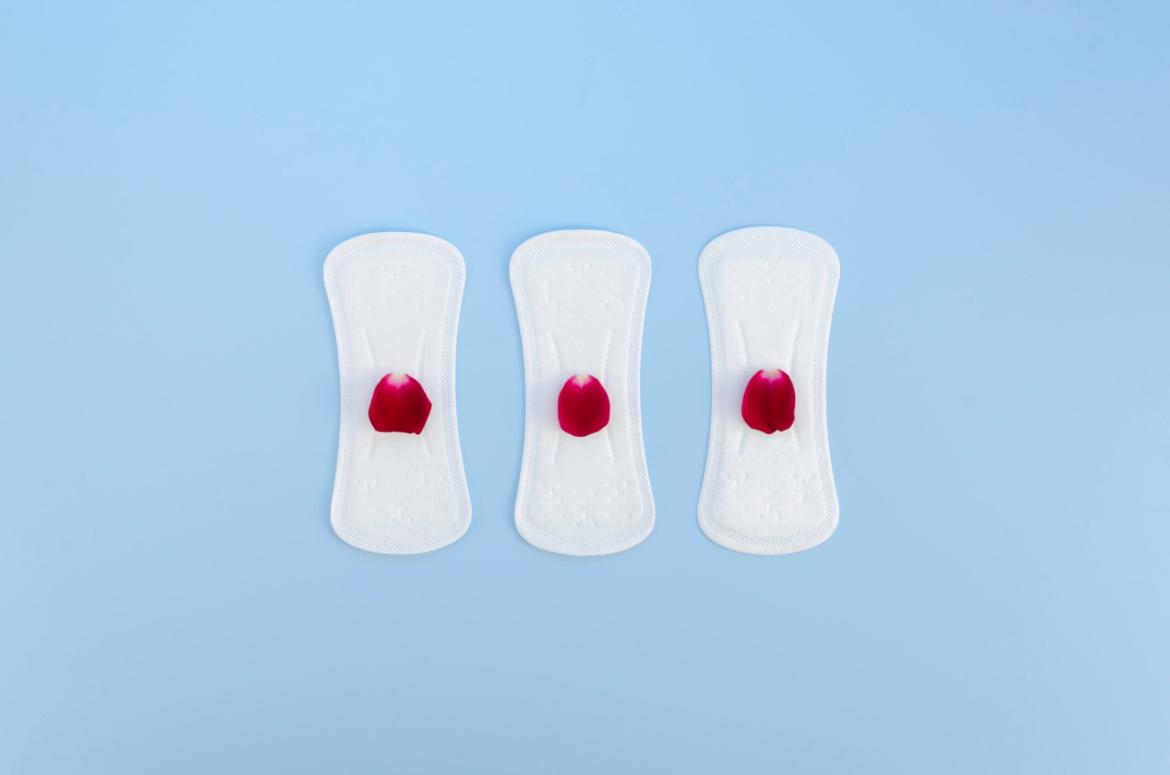
Intermenstrual Bleeding (Metrorrhagia)
Breakthrough bleeding, or metrorrhagia, is the medical term for vaginal bleeding that occurs unexpectedly and outside of your regular menstrual cycle. This type of bleeding is easily noticed because it occurs outside of your menstrual cycle. This condition, also known as intermenstrual bleeding, can be caused by a variety of factors, including endometriosis, IUD use, fibroids, polyps, and birth control methods. While it's generally considered harmless, prolonged and persistent breakthrough bleeding can be a sign of a serious health problem.
If you notice bleeding outside of your menstrual cycle, it's important to consult your gynecologist. Your doctor will determine the underlying cause and initiate appropriate treatment. Identifying the cause of breakthrough bleeding is crucial for early diagnosis of potential health problems.
Symptoms of Intermenstrual Bleeding (Metrorrhagia)
Breakthrough bleeding refers to vaginal bleeding outside of menstrual periods in women with regular periods. This bleeding typically occurs as light bleeding or spotting and can be perceived as a second period. Breakthrough bleeding often occurs randomly and unusually.
Symptoms of breakthrough bleeding that occurs outside of the menstrual period may include:
- Light bleeding and spotting
- Pain or cramping
- Swelling in the vagina
- Blood color can vary from dark brown to red and pink
If you experience these symptoms outside of your menstrual cycle, it's important to discuss them with your doctor. Your doctor will be able to provide detailed information about your bleeding and help you manage your health in the best way possible.
What causes intermenstrual bleeding (Metrorrhagia)?
Breakthrough bleeding (metrorrhagia) is a condition that causes vaginal bleeding outside of your menstrual cycle. This type of bleeding can have various causes. Some of the possible causes of breakthrough bleeding include:
- Hormonal changes : Hormonal imbalances in the body can affect the menstrual cycle and cause breakthrough bleeding. Hormonal fluctuations can occur, especially when using birth control pills or other hormonal birth control methods.
- Birth control methods: Some birth control methods, such as the intrauterine device (IUD), can cause breakthrough bleeding. The IUD can irritate the lining of the uterus, which can lead to bleeding.
- Intrauterine problems: Intrauterine infections (endometritis), fibroids, polyps or other abnormalities in the uterine wall can cause breakthrough bleeding.
- Changes in the menstrual cycle: Irregularities in the menstrual cycle or shortening or lengthening of the intervals between periods can cause breakthrough bleeding.
- Infections: Vaginal or intrauterine infections can cause breakthrough bleeding. Infections can irritate the genital area and cause bleeding.
- Hormonal medications: Some hormonal medications or treatments can affect the menstrual cycle and cause breakthrough bleeding.
- Stress or physical activity: Situations such as intense stress, excessive physical activity or weight loss can cause hormonal changes, leading to breakthrough bleeding.
- Medications: Certain medications, especially blood thinners or anti-inflammatory drugs, can affect the body's blood clotting process and cause bleeding.
If you are a woman with regular periods and are experiencing breakthrough bleeding or are concerned about it, it is important to consult a gynecologist.
How is breakthrough bleeding diagnosed?
A consultation with an obstetrician is usually necessary to diagnose a person experiencing breakthrough bleeding. The specialist will evaluate your health history and symptoms, perform a physical examination, and use any necessary tests or imaging techniques to reach a definitive diagnosis. Some methods used to diagnose breakthrough bleeding include:
- Health history: Your doctor will take important information such as your menstrual cycle pattern, the date of your last period, and any hormonal birth control methods or medications you use.
- Physical exam: The doctor will perform a pelvic exam to evaluate the uterus, ovaries, and vaginal area.
- Ultrasound : Ultrasound (USG) or pelvic ultrasound may be used to detect any abnormalities in the uterus or ovaries.
- Pap smear: A Pap smear is done to evaluate the health of the cervix and can sometimes be used to identify causes of breakthrough bleeding.
- Hormone tests: Some hormone tests may be performed to identify hormonal imbalances. These tests can be used to understand how your menstrual cycle is affected.
- Endoscopic imaging: Endoscopic procedures such as hysteroscopy or laparoscopy can be used to view and diagnose abnormalities in the uterus or pelvic area.
- Blood tests: General blood tests, such as a complete blood count and blood clotting tests, may be done to assess the severity of bleeding or the ability to clot.
Using these tests and procedures, your doctor will attempt to determine the cause of your breakthrough bleeding and provide appropriate treatment or referral. If the underlying cause of your breakthrough bleeding is identified, your doctor will discuss treatment options and necessary steps with you.
How is breakthrough bleeding treated?
Treatment for breakthrough bleeding can vary depending on the underlying cause. Treatment primarily relies on accurately identifying the cause of breakthrough bleeding. Some treatment approaches, depending on the possible causes of breakthrough bleeding, include:
- Hormonal regulation: Breakthrough bleeding caused by hormonal imbalances can often be treated with hormonal medications or birth control. These medications can correct the hormonal imbalance and restore a regular menstrual cycle.
- Infection treatment: Vaginal or intrauterine infections can be treated with antibiotics or other appropriate medications.
- Polyps or fibroids: If uterine polyps or fibroids are causing breakthrough bleeding, surgery may sometimes be necessary.
- Intrauterine device (IUD) problems: Breakthrough bleeding associated with IUD use can be resolved by removing or inserting the IUD.
- Review medications: If blood thinners or other medications are causing breakthrough bleeding, your doctor may consider alternative treatment options.
- Surgical treatment of abnormalities: If abnormalities, lesions, or tumors are detected within the uterus or in the pelvic area, surgical intervention may be necessary.
- Management of psychological factors: If stress or emotional factors are causing breakthrough bleeding, psychological support and stress management techniques may be helpful.
The treatment approach is determined by the patient's specific condition, age, medical history, and underlying health conditions. It's important to consult with an obstetrician to develop the most appropriate treatment plan for each individual experiencing breakthrough bleeding. Your obstetrician will help you address the causes of breakthrough bleeding by providing accurate diagnosis and treatment options.
Is it normal to have breakthrough bleeding?
Breakthrough bleeding refers to vaginal bleeding that occurs outside of regular menstrual periods. Generally, bleeding outside of menstrual periods is not normal for women with regular periods. Breakthrough bleeding can often be a sign of an underlying health problem.
However, it's important to note that breakthrough bleeding isn't always a sign of a serious health problem. Breakthrough bleeding can occur for many different reasons and can be harmless in some cases. For example, breakthrough bleeding can occur due to hormonal imbalances, use of birth control methods, or intrauterine infections.
If you experience breakthrough bleeding outside of your regular menstrual cycle or are concerned about it, it's recommended that you consult a gynecologist. Your doctor will take the necessary steps to identify the underlying cause and provide appropriate treatment or referral. It's important to always have breakthrough bleeding evaluated and evaluated, as in some cases, it can be a sign of serious health issues.
What causes breakthrough bleeding when using an IUD?
An intrauterine device (IUD) is a medical device used as a birth control method. The IUD is placed inside the uterus and is an effective method of preventing pregnancy. However, some women may experience breakthrough bleeding while using the IUD. Here are some factors that can cause breakthrough bleeding while using the IUD:
- May irritate the lining of the uterus: When the IUD is inserted into the uterus, it comes into contact with the uterine tissue. This contact can slightly irritate the lining of the uterus and, consequently, cause breakthrough bleeding.
- Hormonal effects: Hormonal IUDs can directly release hormones into the uterus. These hormones can affect the uterine lining and sometimes cause breakthrough bleeding.
- Cervical involvement: Inserting or using an IUD can interfere with the cervix, which can sometimes cause breakthrough bleeding.
- Adaptation: After the IUD is inserted, your body may begin to adapt to the new device. During this adaptation period, some bleeding may occur.
- Infections: In rare cases, intrauterine infections can occur after the IUD is inserted. This can lead to breakthrough bleeding.
- Intrauterine problems: During the use of the IUD, abnormalities such as polyps or fibroids in the uterus may cause breakthrough bleeding associated with the IUD.
If you experience breakthrough bleeding or notice other symptoms while using the IUD, it is recommended to consult a gynecologist.
Does stress cause breakthrough bleeding?
Yes, stress can sometimes cause breakthrough bleeding. Stress has a number of physiological effects on the body, and these effects can also affect the menstrual cycle. Some ways breakthrough bleeding may be related to stress include:
- Hormonal effects: Stress can cause an increase in stress hormones (such as cortisol) in the body. These hormonal changes can affect the menstrual cycle and the lining of the uterus, which can lead to breakthrough bleeding.
- Menstrual cycle changes: Stress can affect the hypothalamic-pituitary-adrenal (HPA) axis, which regulates the menstrual cycle. This can lead to irregular periods and breakthrough bleeding.
- Blood clotting: Stress can affect the body's blood clotting system. This can make bleeding more difficult to stop or last longer, which can lead to breakthrough bleeding.
- Psychological impact: Stress can affect menstrual cycles and hormonal balance by affecting mental and psychological factors. This can lead to breakthrough bleeding.
However, not every breakthrough bleeding should be attributed to stress. It's important to consult a gynecologist to accurately determine the cause of breakthrough bleeding. If you believe you're under stress and experiencing breakthrough bleeding regularly, the best approach is to consult a specialist for an evaluation.
