


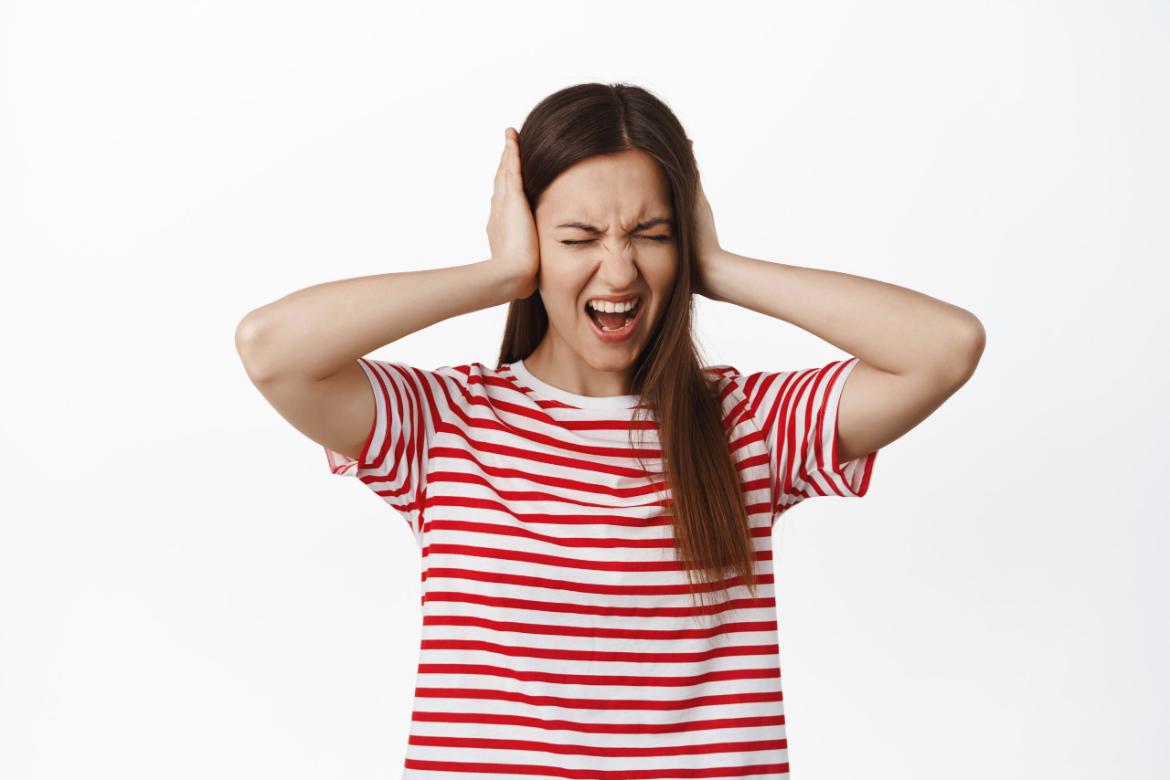
Misophonia Disease
Misophonia is a psychological condition characterized by an extreme aversion to certain sounds. Also called misophonia or misophonia, this condition can lead to intense feelings of anger, disgust, and anxiety when exposed to certain sounds. If these feelings are uncontrollable and extreme, you may be experiencing symptoms of misophonia.
These triggering sounds and noises can affect different people in different ways. For some, a single sound may be the trigger, while for others, multiple sounds may trigger this response. Some individuals may be unable to control these sensations, while others can control these reactions.
Symptoms of Misophonia
Symptoms of misophonia can vary depending on the response to the triggering sounds. Because these reactions are often based on the fight-or-flight instinct, the following types of reactions may be observed:
Emotional: Intense and overwhelming emotions can arise with triggering sounds. These emotional reactions often escalate rapidly. Misophonia can quickly escalate into anger.
Physical: Triggering sounds can trigger an automatic self-protective response. This response may be similar to a response in a dangerous or frightening situation.
Behavioral: Involves behaviors that occur in response to trigger sounds. These responses are often instinctive. In some cases, reactions that may include violence may occur.
Examples of emotional responses:
- Anger
- Anxiety
- Disgust
- Fear
- Disgust
Physical responses may include:
- Increased blood pressure
- Feeling of pressure or tightness in the chest area
- Goosebumps begin to appear
- Acceleration of heartbeat
- Sweating
Behavioral responses may include:
- Avoiding situations with triggering sounds
- Move away from the environment when the triggering sound is heard
- Verbal reactions to the person making the noise
- Taking non-violent action to stop the noise
- In rare cases, resorting to non-violent action to stop the noise
These symptoms can vary from person to person, and the severity of the reactions can also vary. In mild cases, only emotional and physical reactions may occur. However, in more severe cases, the person may react strongly, verbally or behaviorally. In such cases, the person experiencing misophonia may later realize their actions and regret them.
Causes of Misophonia disease
It can be difficult to fully understand exactly what causes misophonia, as the exact causes of the condition are still not fully understood. However, research suggests that misophonia may develop as a result of a combination of factors. Some possible contributing factors include:
- Genetic predisposition: Family history may increase the risk of misophonia. It is thought that individuals with a family history of misophonia may be more prone to the condition.
- Brain connections and function: Misophonia has been linked to connections between the auditory and emotional centers of the brain. Abnormalities or dysfunctions in these connections can trigger extreme emotional responses to triggering sounds.
- Brain plasticity: Brain plasticity refers to the ability of brain cells to form new connections and rearrange existing ones. Factors such as stress or trauma may contribute to the development of misophonia by affecting brain plasticity.
- Psychological factors: Psychological factors such as anxiety, stress, and obsessive-compulsive traits may play a role in the development of misophonia. These factors can trigger or amplify a person's overreactions to certain sounds.
- Classical conditioning: In some cases, individuals may associate a particular sound with a negative experience (for example, an upsetting event). As a result of this experience, the individual may automatically develop negative emotional responses when hearing that sound.
- Nervous system factors: Irregularities or sensitivities to the nervous system may underlie excessive responses to trigger sounds.
Research into the causes of misophonia is ongoing and striving to gain greater understanding. These factors are likely to interact in complex ways, and each individual's experience may vary.
Misophonia disease treatment
While there's no specific treatment for misophonia, certain approaches and methods can help manage symptoms. Every individual is different, so finding the treatment approach that works best may require some trial and error. Some treatment options that can help manage misophonia symptoms include:
- Cognitive behavioral therapy (CBT): CBT is an effective type of therapy used to understand and change thought patterns and behaviors. It can work with individuals coping with misophonia symptoms and help them learn to manage reactions to trigger sounds.
- Sound therapy: Sound therapy is an approach that aims to increase tolerance to triggering sounds. Over time, the person learns to react less emotionally by increasing their exposure to triggering sounds.
- Emotional stability training: This type of training helps a person understand and manage their emotional reactions. It teaches them how to cope with stress, manage anger, and calm their reactions to triggering sounds.
- Distraction techniques: Distraction techniques can be used to avoid noticing triggering sounds or to cope with triggering situations. For example, meditation, deep breathing, or relaxation exercises can be used for this purpose.
- Sound masking devices: White noise machines or headphones can be used to mask or disguise trigger sounds. This can help a person relax by preventing them from hearing the triggering sounds.
- Medication: Medications can also be used to help relieve misophonia symptoms. However, medication is generally considered a last resort and should be administered under the supervision of a qualified physician.
Each individual's experience with misophonia is unique and their response to treatment may also vary. Consulting with a qualified psychologist or psychiatrist is the best step to determine the appropriate treatment approach.
What happens if misophonia is left untreated?
Because misophonia is a disorder characterized by intense emotional reactions to certain sounds, it can negatively impact a person's quality of life if left untreated. Some of the negative consequences of misophonia left untreated include:
- Increased stress and anxiety: Misophonia can lead to increased stress and anxiety levels due to overreactions to certain sounds. This can reduce overall quality of life.
- Social isolation: The tendency to avoid social activities to avoid exposure to triggering sounds can lead to social isolation, which can negatively impact friendships, family ties, and overall life experience.
- Emotional uncertainty: People with misophonia may feel constant anxiety and tension at the possibility of certain sounds appearing. This can increase feelings of emotional uncertainty.
- Decreased work and academic performance: High levels of stress and distraction can negatively impact work or school performance. Misophonia symptoms can make it difficult to focus and reduce productivity.
- Emotional well-being: The constant exposure to negative emotions caused by misophonia can affect overall emotional well-being. Long-term emotional difficulties can lead to problems like depression and low self-esteem.
- Relationship problems: Overreactions to triggering sounds can negatively impact family and romantic relationships. Failure to understand or misinterpret reactions can lead to relationship problems.
- Reduced quality of life: Misophonia can reduce overall quality of life. When a person feels constant discomfort and tension, they may be less motivated to engage in activities they once enjoyed.
For these reasons, it is important for individuals experiencing misophonia symptoms to take the condition seriously and seek appropriate treatment methods.
Who is affected by Misophonia?
Misophonia can be seen in individuals of all ages. However, it is generally observed to appear after puberty. Misophonia can be seen in individuals of all genders, races, and socioeconomic groups. It is difficult to establish a definitive profile for who is affected, but the following factors may contribute to the development of misophonia:
- Genetic predisposition: Individuals with a family history of misophonia symptoms may be more likely to have family members with the condition. This suggests that genetic predisposition may play a role in the development of misophonia.
- Stress and anxiety: It's thought that misophonia symptoms may be more pronounced in individuals experiencing high levels of stress or anxiety. These reactions may be exacerbated in individuals already under stress.
- Psychological features: Misophonia symptoms may be more common in individuals with obsessive-compulsive traits or traits such as perfectionism.
- Previous experiences: Misophonia may develop more commonly in individuals who have had particularly negative experiences with certain sounds. These experiences can increase sensitivity to trigger sounds.
- Brain structure and function: Differences in brain structure and function may play a role in the development of misophonia symptoms. Interactions between regions of the brain that regulate sound processing and emotional responses may influence the development of misophonia.
What sounds trigger misophonia?
Misophonia is a condition characterized by an exaggerated response to trigger sounds, which vary from person to person. These sounds can be different for each person experiencing misophonia. However, some common trigger sounds include:
- Mouth and food sounds: Sounds such as chewing, eating, swallowing, and smacking lips can trigger misophonia.
- Breathing sounds: Sounds such as breathing, sniffling, or running nose can also be triggers.
- Throat clearing or coughing sounds: Sounds such as throat clearing, coughing, or choking can trigger misophonia reactions in some people.
- Shuffle sounds: Movement sounds such as shuffling, shuffling, or clicking sounds can also be triggers.
- Pen clicking or keyboard sounds: Sounds frequently heard in the office or school environment, such as pen clicking and keyboard tapping, can also cause misophonia.
- Phone ringtones: Phone ringtones, especially when repeated frequently, can trigger misophonia.
- Sounds of lip-banging or teeth-grinding: Sounds such as lip-banging or teeth-grinding can also cause extreme reactions in some individuals.
- Sounds from television or radio: Sounds from television or radio can also trigger misophonia.
- Animal sounds: Some sounds made by animals can cause misophonic reactions.
- Breathing sounds: Quiet or soft sounds such as breathing in and out or nasal breathing can also be triggers.
These are just a few examples, and misophonia symptoms can vary greatly among individuals. The key is to understand how a person reacts to certain sounds and how these reactions impact their life.
